
Soups & Stews
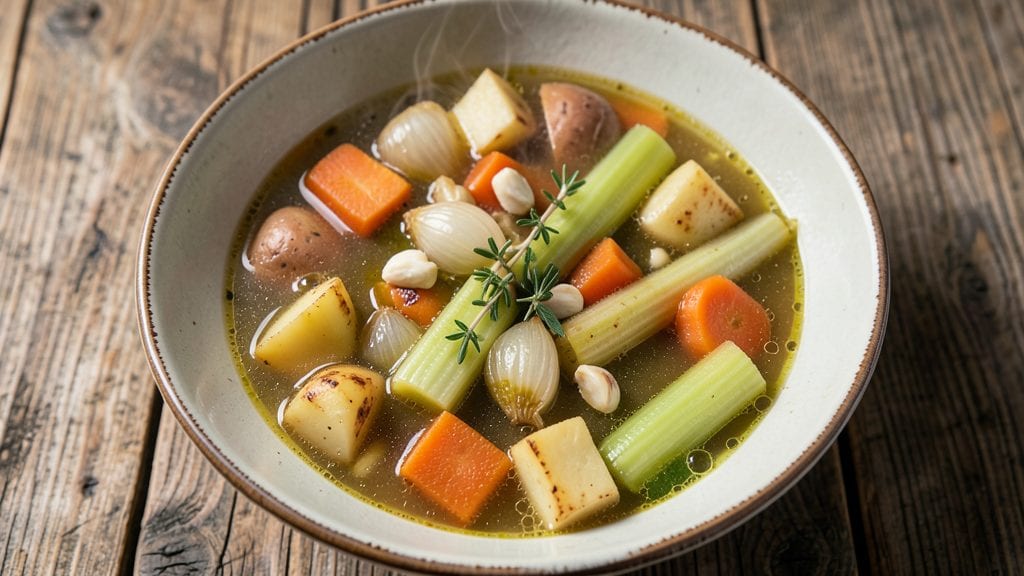
This old-fashioned veggie soup recipe brings comfort to a bowl with its rich, slow-simmered flavors and wholesome ingredients—perfect for chilly days or cozy gatherings. The secret lies in toasting aromatic vegetables and spices first, which builds a deep, savory foundation that transforms simple ingredients into something extraordinary.
I’ve perfected this recipe over years of testing, ensuring every spoonful delivers that satisfying warmth and hearty texture you crave.
What sets this soup apart is its traditional approach—no shortcuts, just time and technique. You’ll start by sautéing onions, carrots, and celery until they’re golden, then add garlic and herbs to release their full flavor.
A small amount of flour or cornstarch creates a light roux for thickening, while vegetable broth and diced potatoes bring everything together into a velvety, comforting broth. The result? A soup that’s naturally rich, deeply flavorful, and packed with seasonal vegetables—no artificial ingredients needed.
By the time it’s done simmering, you’ll have a hearty, restaurant-quality veggie soup with tender vegetables, a velvety broth, and a touch of brightness from fresh herbs. The beauty of this recipe is its adaptability—swap in seasonal veggies, omit butter for a vegan version, or add beans for extra protein.
It’s the kind of soup that feels like a hug in a bowl, and it’s easier to make than you think.
Serve it with crusty bread for dipping or a sprinkle of fresh parsley for garnish. This is the old-fashioned veggie soup your family will ask for again and again—simple, satisfying, and full of homestyle charm. Let’s get started!
Ingredients for old fashioned veggie soup
Fifteen wholesome ingredients transform into a velvety, hearty soup—rich with slow-simmered depth.
| Ingredient | Amount | Notes |
|---|---|---|
| Yellow Onions 🧅 | 1 ½ lb | Medium dice, fresh from market |
| Carrots 🥕 | 2 lb | Whole, scrubbed, chopped into chunks |
| Celery Stalks 🌿 | 6 whole | Trimmed, chopped into 1-inch pieces |
| Russet Potatoes 🥔 | 2 ½ lb | Peeled, cubed into 1-inch pieces |
| Garlic Cloves 🧄 | 6 cloves | Peeled, minced finely |
| Fresh Thyme Sprigs 🌿 | 4 whole | Leaves stripped, stems discarded |
| Fresh Parsley Bundles 🌿 | 2 whole | Chopped, for garnish and flavor |
| Vegetable Broth 💧 | 6 cups | Homemade or quality store-bought |
| All-Purpose Flour 🌾 | 2 tbsp | For light roux thickening |
| Extra-Virgin Olive Oil 🫒 | ½ cup | High-quality, fruity variety |
| Butter 🧈 | 2 tbsp | Unsalted, for sautéing |
| Bay Leaves 🍃 | 2 whole | Fresh or dried, removed before serving |
| Salt 🧂 | 1 ½ tsp | Diamond Crystal kosher preferred |
| Ground Black Pepper 🌶️ | ½ tsp | Freshly ground for best flavor |
| Tomato Paste 🍅 | 2 tbsp | Canned, for depth of flavor |
The foundation of this soup lies in its aromatic vegetables. Yellow onions, carrots, and celery should be fresh from the market—look for crisp stalks and vibrant colors. I prefer organic carrots from Whole Foods or local farmers' markets, as their natural sweetness shines after slow simmering. For the potatoes, Russet variety holds its shape beautifully, but Yukon Golds add a touch of creaminess. Garlic should be freshly minced (pre-minced cloves lack the same depth), and thyme sprigs add an earthy aroma that infuses the broth. The olive oil matters here—use a high-quality extra-virgin like California Olive Ranch for its fruity notes that carry through the soup.
No fresh thyme? Dried thyme at one-third the amount works in a pinch, though fresh is ideal. Substitute carrots with turnips or parsnips for variety, but stick with Russet potatoes for their starchy texture. The tomato paste can be swapped for crushed tomatoes if preferred, though paste delivers a more concentrated flavor. For a vegan version, omit the butter and use olive oil exclusively. If you're short on time, pre-chopped frozen vegetables work well (just thaw and drain excess liquid), though fresh vegetables yield the best texture. The vegetable broth should be low-sodium if using store-bought, or homemade for optimal flavor.
This soup tastes even better the next day, as flavors meld during overnight storage. Keep it refrigerated in an airtight container for up to 5 days, or freeze portions for up to 3 months. For freezing, cool the soup completely before transferring to airtight containers with a thin layer of broth on top to preserve freshness. Reheat gently on the stove, stirring occasionally, and adjust seasoning with a pinch of salt or pepper. The fresh parsley should be added just before serving to maintain its vibrant color and bright flavor.
Why You'll Love This Recipe
- No-Fuss Pantry Staples: I swear by this recipe because it uses what’s already in my kitchen—no fancy shopping required. The onions, carrots, and celery (my trusty "soup holy trinity") caramelize beautifully without babying them, while the potatoes hold their shape just enough to feel satisfying.
- Garlic-Kissed Depth: Between us, that one crushed clove of garlic simmering in the broth is the secret weapon. It doesn’t overpower—just layers in this warm, savory backbone that makes the whole bowl taste like it’s been slow-cooked for hours. (It’s not, but who’s checking?)
- Leftover Goldmine: This soup actually improves the next day. The flavors meld, the potatoes get that perfect tender-crisp texture, and I’ve reheated portions for lunch for weeks without getting tired of it. Honestly, I make a double batch on Sundays just to avoid decision fatigue.
- Budget-Friendly Blanket: For under $5, I feed four people a meal that feels nourishing and hearty. The russets soak up the broth like little flavor sponges, and the veggies stretch across multiple servings without breaking the bank. My wallet and my family thank me.
Step-by-step instructions for old fashioned veggie soup
A rich, slow-simmered foundation transforms humble vegetables into a deeply flavorful harvest soup.
Sauté the Vegetable Base
Heat the 0.5 cup extra-virgin olive oil and 2 tbsp butter together in a large Dutch oven over medium heat. Add the 1.5 lb yellow onions, 2 lb carrots, and 6 whole celery stalks, stirring occasionally for 8-10 minutes until the onions soften and the vegetables release their natural juices. You'll notice the mixture darkens slightly—a sign the sugars are caramelizing.
Here's the thing—don't rush this step. The deeper the color, the more complex the flavor. If the vegetables begin to stick, reduce the heat briefly and stir more gently. Once they're tender and the edges are just beginning to brown, add the 6 cloves minced garlic and cook for 30 seconds until fragrant. Overcooking garlic turns it bitter, so watch closely.
Build the Roux and Add Potatoes
Sprinkle the 2 tbsp all-purpose flour over the vegetable mixture and stir vigorously for 1-2 minutes to create a light roux. This will thicken the soup slightly and add body. Immediately add the 2.5 lb cubed russet potatoes, stirring to coat them evenly with the roux mixture. The potatoes should absorb the flavors from the sautéed vegetables.
Pour in the 6 cups vegetable broth, scraping up any browned bits from the bottom of the pot. Add the 2 whole bay leaves, 1.5 tsp salt, and 0.5 tsp ground black pepper. Stir in the 2 tbsp tomato paste and bring the mixture to a gentle boil. This is where the deep, savory foundation forms—don't skip the tomato paste, as it adds a subtle umami richness that elevates the entire dish.
Simmer Until Vegetables Are Tender
Reduce the heat to low and let the soup simmer uncovered for 45-50 minutes. You'll know it's ready when the potatoes are fork-tender and the carrots can be pierced easily with a knife. Stir occasionally, but avoid overstirring—this can break down the vegetables prematurely. The soup should reduce slightly, concentrating the flavors.
Real talk: Your oven might run hot, so start checking at the 40-minute mark. The soup should have a velvety texture with just enough body to coat the back of a spoon. If it's too thin, simmer uncovered for another 5-10 minutes to thicken naturally. The aroma at this point should be irresistible—earthy, herby, and deeply comforting.
Finish with Herbs and Adjust Seasoning
Remove the 2 whole bay leaves and discard them. Stir in the 4 whole fresh thyme sprigs (leaves only) and let the soup simmer for an additional 5 minutes to infuse the thyme's aromatic oils. Taste the soup and adjust the seasoning if needed—you might need a pinch more salt or a crack of black pepper to balance the flavors.
Here's where it gets fun—toss in the 2 whole fresh parsley bundles (chopped) and stir gently. The parsley adds a bright, fresh finish that cuts through the richness of the simmered vegetables. Let the soup sit off the heat for 5 minutes before serving. This resting period allows the flavors to meld and the soup to reach its ideal consistency.
Pro Tips For Making Old Fashioned Veggie Soup
- SWIM THE ONIONS: Don’t just chop onions into random chunks—cut them into ¼-inch slices and let them sit in the pot for 5 minutes before adding anything else. This softens them faster and builds flavor without burning. (Yes, even if you’re impatient like me.)
- PEEL POTATOES AFTER SOAKING: Russet potatoes oxidize fast, turning your soup grayish before it even hits the pot. Instead of peeling them raw, soak cut potatoes in cold water for 10 minutes first, then peel and add. The starch stays cleaner, and the soup won’t look like a science experiment.
- DON’T OVERCROWD THE POT: I learned this the hard way—dumping all the veggies in at once leads to sad, half-cooked celery and carrots. Cook onions, garlic, and a little celery first until they’re soft, then add the rest in batches. A packed pot steams instead of sautéing, and nobody wants mushy celery.
- USE A LITTLE BUTTER FIRST: Skip the oil and melt 1 tablespoon of butter in the pot before adding onions. It caramelizes them better and gives the soup a richer base without needing extra fat. (Your future self will notice the difference when you taste the second bowl.)
Perfect pairings for these flavors
Crusty Bread Pairings
This soup pairs perfectly with warm, crusty bread for dipping—think a baguette or sourdough loaf from your local bakery. I love using French-style baguettes from Breads Bakery (available at most grocery stores) because their crispy crust contrasts beautifully with the velvety soup.
For extra indulgence, toast the bread with garlic butter—mix 2 tbsp softened butter with 1 minced garlic clove and a pinch of salt, then brush onto the bread before toasting. 🥖
Cheesy Toppings
Add a sprinkle of shredded sharp cheddar or Parmesan cheese just before serving to elevate the soup. I recommend Cabot Clothbound Cheddar for its nutty depth or Parmigiano-Reggiano for a salty, umami kick.
For a vegan option, use nutritional yeast—it adds a cheesy flavor without dairy. Start with 2 tbsp and adjust to taste. 🧀
Acidic Sides
Balance the richness of the soup with a bright, acidic side like a simple green salad with lemon vinaigrette. Toss 4 cups mixed greens with 2 tbsp olive oil, 1 tbsp lemon juice, and a pinch of salt.
Alternatively, serve with pickled vegetables—try quick-pickled red onions (slice 1 red onion thin, soak in ½ cup vinegar, 1 tbsp sugar, and ½ tsp salt for 30 minutes). The tang cuts through the soup’s heartiness beautifully. 🥗
Warm Beverage Pairings
Nothing complements this soup like a warm, comforting drink. A cup of chamomile tea or ginger tea enhances the soup’s earthy flavors, while a mug of hot apple cider adds a sweet contrast.
For something heartier, try a dark beer like Guinness—its roasted malt notes pair wonderfully with the caramelized vegetables. If you prefer coffee, a light roast with a splash of oat milk keeps the meal balanced. ☕
Herb Garnishes
Fresh herbs add a pop of color and brightness to your bowl. Beyond the parsley already in the recipe, try chopped chives or dill for a different herbal note.
For a smoky touch, sprinkle crumbled crispy bacon (if you’re not keeping it vegetarian) or toasted sesame seeds for a nutty crunch. A drizzle of high-quality extra-virgin olive oil just before serving also adds a luxurious finish. 🌿
Protein Add-Ins
Boost the meal with a protein side like grilled chicken breast or white beans. For chicken, marinate 2 boneless breasts in 2 tbsp olive oil, 1 tsp paprika, and ½ tsp salt, then grill or pan-sear until 165°F internal temperature.
For beans, use 1 can white beans (drained and rinsed) tossed with 1 tbsp olive oil, ½ tsp garlic powder, and a pinch of red pepper flakes. Both add heartiness without overpowering the soup. 🍗
Nutrition facts
Frequently asked questions
Can I make this veggie soup in a slow cooker?
Sauté the onions, carrots, and celery in a skillet first, then transfer everything to your slow cooker. Add the potatoes, broth, tomato paste, and seasonings. Cook on low for 6-7 hours or high for 3-4 hours until the vegetables are tender. The slow cooker method actually enhances the flavors even more through gentle, extended simmering.
How can I make this soup vegan?
Simply replace the butter with olive oil and use vegetable broth instead of chicken broth. For extra richness, add 1 tbsp nutritional yeast when serving. The recipe already contains no dairy, so these small swaps keep it fully plant-based while maintaining all the hearty, comforting flavors.
Why does my soup taste bland after simmering?
This usually happens when the vegetables aren't properly caramelized in the first step. Make sure to cook the onions, carrots, and celery until they're golden brown—this builds deep flavor. Also, taste as you go and adjust seasoning gradually. A pinch of smoked paprika or extra tomato paste can add umami depth if needed. Don't forget the bay leaves and fresh herbs—they're flavor powerhouses!
Can I use frozen vegetables instead of fresh?
Yes, but with one important adjustment: thaw and drain excess liquid first. Frozen veggies work best for carrots and celery, though fresh potatoes and onions give better texture. For extra flavor, sauté frozen veggies in a little oil until thawed before adding broth. The soup will still be delicious—just slightly less refined.
How long will this soup keep in the fridge?
This hearty soup stays fresh in an airtight container for 5 days in the refrigerator. The flavors actually improve overnight as the ingredients meld together. For longer storage, freeze portions for up to 3 months. Always cool completely before freezing to prevent ice crystals. Reheat gently on the stove, stirring occasionally.