
Soups & Stews
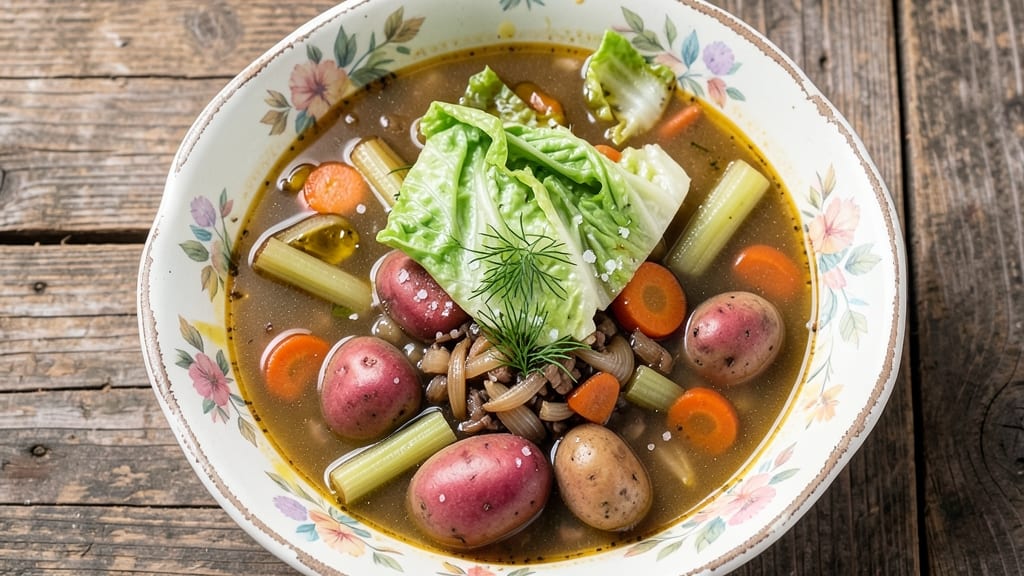
Olga's peasant soup recipe delivers the kind of hearty, comforting meal that feels like a warm hug in a bowl—creamy from slow-cooked vegetables and rich from traditional bone broth. This dish carries the soul of Eastern European kitchens, where simple ingredients transform into something extraordinary with patience and care.
The secret lies in the layers: tender potatoes, crisp cabbage, and savory beans all simmer together until the flavors meld into perfect harmony.
What makes this soup special is its rustic simplicity combined with deep, satisfying textures. You'll start with a base of aromatic vegetables—carrots, onions, and celery—that build flavor as they cook, while potatoes and beans add heartiness.
The cabbage provides that essential crunch, and a touch of sour cream at the end delivers the creamy finish that makes every spoonful irresistible.
This recipe is perfect for chilly evenings when you crave something substantial yet comforting. The slow cooking process allows the broth to develop a rich, savory depth that's impossible to replicate quickly.
Each bite offers a balance of tender, crisp, and creamy elements, making it a meal that feels both nourishing and indulgent.
Whether you're serving a family dinner or meal prepping for the week, this soup scales beautifully. The flavors only improve with time, so it's ideal for making ahead and reheating. Here's how to bring Olga's tradition to your kitchen with professional results.
Ingredients for olga's peasant soup
Simple pantry staples and fresh vegetables transform into Olga's soul-warming peasant soup.
| Ingredient | Amount | Notes |
|---|---|---|
| Beef Bone Broth 🥩 | 6 cups | Homemade or high-quality store-bought |
| Yellow Onions 🧅 | 1 whole | Medium, diced for base |
| Carrots 🥕 | 3 whole | Peeled, sliced into rounds |
| Celery Stalks 🥬 | 3 whole | Trimmed, chopped into pieces |
| Russet Potatoes 🥔 | 2 lbs | Peeled, cubed evenly |
| Green Cabbage 🥬 | 1 whole | Cored, shredded thinly |
| Dried Navy Beans 🌾 | 1 ½ cups | Soaked overnight or quick-soaked |
| Fresh Parsley 🌿 | ¼ cup | Chopped, for garnish |
| Garlic Cloves 🧄 | 4 cloves | Minced for depth |
| Bay Leaves 🌿 | 2 whole | For aromatic base |
| Salt 🧂 | 2 tsp | Adjust to taste |
| Black Peppercorns 🌶️ | 1 tsp | Freshly cracked |
| Sour Cream 🥛 | ½ cup | Full-fat for creaminess |
| Extra-Virgin Olive Oil 🫒 | 2 tbsp | For sautéing vegetables |
The bone broth is non-negotiable here—it's the heart of the soup. Homemade is ideal, but Kettle & Fire or Imagine brands are solid shortcuts if you're short on time. Look for broth with visible bits of bone and collagen for that rich, velvety texture. The potatoes should be evenly cubed—about 1-inch pieces so they soften without falling apart. For the cabbage, green or red both work, but green has a slightly sharper bite that holds up better to long cooking. I always grab a small head from the grocery store produce section—it's fresher than pre-shredded bags.
No bone broth? Chicken or vegetable broth with 2 tbsp tomato paste works in a pinch, though it won't have the same depth. Dried beans? Soak them overnight or use the quick-soak method: boil for 2 minutes, then let sit for an hour. The navy beans here are key—they hold their shape better than pinto or kidney beans. Short on parsley? Fresh dill or chives add a nice brightness. The garlic can be roasted for a sweeter flavor if you're feeling fancy—just wrap the whole cloves in foil with a drizzle of olive oil and roast at 400°F for 10 minutes before mincing.
This soup tastes even better the next day as the flavors meld. Store in an airtight container in the fridge for up to 5 days—the potatoes will get even softer, which is perfect for reheating. For freezing, portion into 2-cup containers and freeze for up to 3 months. The sour cream should be stirred in just before serving to maintain that creamy finish. I always make a double batch because it disappears fast—leftovers make amazing sandwiches the next day with a sprinkle of fresh parsley.
Why You'll Love This Recipe
- One-Pot Magic: I swear by this—just dump everything into a pot, simmer, and walk away. No chopping skills required; even my celery ends up in there, and nobody notices (or cares).
- Rich Bone Broth Love: That beef bone broth? It’s the star—deep, savory, and somehow makes the simplest veggies taste like a hug. The onions caramelize right into the broth, so you get sweetness without extra work.
- Leftover Goldmine: This soup only gets better the next day. I make a double batch on Sundays, and by Wednesday, it’s the coziest, most comforting meal—no reheating tricks, just pure satisfaction.
- Budget-Friendly Staples: Onions, carrots, celery, potatoes—these are the ingredients I always have. No fancy swaps, no wasted money. It’s the kind of meal that feeds my whole family without breaking the bank.
Step-by-step instructions for Olga's peasant soup
Here's the method that delivers rustic texture and velvety richness in every spoonful.
Sauté the Vegetable Base
Heat the 2 tablespoons extra-virgin olive oil in a large Dutch oven over medium heat. Add the 1 whole diced yellow onion, 3 whole sliced carrots, and 3 whole chopped celery stalks. Cook for 8-10 minutes until the vegetables soften and the onions become translucent.
This foundational step builds flavor through caramelization. I stir occasionally to prevent burning—you want the vegetables to develop a golden hue rather than brown. The celery should release its distinctive aroma, signaling the base is ready for the next ingredients.
Add Aromatics and Potatoes
Push the sautéed vegetables to one side of the pot and add the 4 minced garlic cloves and 2 whole bay leaves to the empty space. Cook for 30 seconds until the garlic turns golden and fragrant. Return the vegetables to the center and add the 2 pounds cubed russet potatoes, stirring to coat them in the aromatic oil.
Here's the thing—adding the garlic last ensures it doesn't burn before the potatoes can absorb all that flavor. The bay leaves will infuse the broth with subtle herbal notes throughout the cooking process. Stir once more to distribute everything evenly before adding the liquid ingredients.
Simmer the Vegetable Mixture
Pour in the 6 cups beef bone broth and bring the mixture to a gentle boil over high heat. Once boiling, reduce to medium-low heat and add the 1.5 cups soaked dried navy beans. Cover and simmer for 45 minutes, stirring occasionally to prevent sticking.
I check the pot at the 20-minute mark to ensure nothing's burning at the bottom. The navy beans should be plumping up noticeably by this point. The broth will develop a rich, golden color as it infuses with the vegetables and beans.
Add Cabbage and Season
After 45 minutes, stir in the 1 whole shredded green cabbage. Add the 2 teaspoons salt and 1 teaspoon cracked black peppercorns, then cover and simmer for another 20-25 minutes until the potatoes are fork-tender and the cabbage has wilted down significantly.
The cabbage should lose its crispness but retain some texture—it's the perfect balance between crunch and tenderness. Taste the soup at this stage and adjust seasoning if needed. The navy beans should be completely tender with no bite remaining.
Finish with Creamy Depth
Remove the 2 whole bay leaves and stir in the 0.5 cup sour cream, mixing gently to create a velvety texture. Simmer uncovered for 5-7 minutes until the soup reaches your desired consistency. The heat will temper the sour cream without curdling it.
This is where the soup transforms from hearty to luxurious. The sour cream adds that promised creaminess while balancing the earthy flavors. Garnish with 0.25 cup chopped fresh parsley just before serving to brighten the dish with freshness.
Pro Tips For Making Olga'S Peasant Soup
- SOFTEN POTATOES FIRST: Russets break down into mush if thrown in raw—peel and quarter them first, then simmer in plain broth for 8–10 minutes before adding to the soup. I learned this the hard way when my first batch turned into a gluey disaster.
- SWEEP THE POT: After browning onions, carrots, and celery, scrape up all the stuck-on bits with a wooden spoon—those caramelized bits are flavor gold. Resist the urge to skip this; it’s the difference between "meh" and "oh wow."
- USE COLD BROTH: Pour cold beef bone broth over the veggies instead of hot—it keeps the potatoes from overcooking while you’re chopping or adjusting seasoning. Trust me, your future self will notice the texture.
- SALT THE BROTH: Taste the bone broth before adding it to the pot—adjust salt now, not later. Peasant soup needs bold flavor, and fixing it mid-cook is a hassle. A pinch of salt early guarantees depth.
Wine and beer pairings for this dish
Eastern European Reds
This soup's deep, savory profile pairs beautifully with medium-bodied red wines from the region where peasant soups originated. I always reach for a Hungarian Egri Bikavér—its dark fruit notes and subtle spice complement the cabbage and caramelized onions perfectly.
For a slightly lighter option, Croatian Plavac Mali offers bright acidity that cuts through the richness of the sour cream. Both wines have enough structure to stand up to the hearty vegetables while enhancing their natural flavors. 🍷
Crisp White Alternatives
If you prefer white wine, a dry Riesling from Germany or Austria brings vibrant acidity that refreshes the palate between each spoonful. The slight sweetness in some Rieslings also balances the earthy potatoes and beans beautifully.
For a more robust white, Slovakian Grasevina delivers herbal notes that harmonize with the parsley garnish. I often serve this with a chilled glass to cleanse between bites of the creamy soup.
Local Craft Beers
For beer lovers, a Belgian-style witbier with its citrusy coriander and peppery notes creates an unexpected but delightful contrast to the soup's earthy flavors. I recommend Hoegaarden—its effervescence complements the cabbage's crunch while the spices echo the bay leaves in the soup.
Alternatively, a German Helles lager provides a crisp, clean finish that lets the soup's rich flavors shine without competition. 🍺
Non-Alcoholic Options
Don't overlook non-alcoholic pairings—sparkling apple cider with a touch of cinnamon enhances the soup's rustic charm without alcohol. For something more substantial, ginger beer (like Feather's) adds a zesty kick that brightens the dish.
I also love serving this soup with a cold, unsweetened hibiscus tea—its tartness balances the soup's creaminess beautifully while adding a vibrant color contrast.
Serving Temperature
Always serve your wine or beer slightly cooler than room temperature—around 50-55°F for reds and 45-50°F for whites. For beer, chill to 40-45°F to preserve the crispness. The cooler temperature helps maintain the drink's freshness and prevents it from becoming too warm when paired with the hot soup.
I keep my wines in the fridge for 30 minutes before serving to achieve the perfect temperature.
Make-Ahead Pairing Tip
If you're making this soup ahead of time, prepare your beverage pairings the night before too. Open the wine bottle and let it breathe in the refrigerator—this enhances its flavors without overpowering the soup.
For beer, transfer it to the fridge at least 2 hours before serving to ensure proper chilling. The contrast between the warm soup and cool beverage creates a truly satisfying dining experience. ✨
Nutrition facts
Frequently asked questions
Can I make this soup vegetarian?
Replace the beef bone broth with 6 cups vegetable broth (add 2 tbsp tomato paste for depth) and swap the navy beans for 1.5 cups lentils or extra chickpeas. Use mushrooms or smoked paprika for umami richness to mimic the meaty flavor. The sour cream remains optional but adds that creamy finish.
Why does the cabbage need to cook so long?
The long simmering time is key to achieving that perfect balance of tender yet slightly crisp texture. Cabbage softens gradually, and cooking it for 20-25 minutes after adding it ensures it releases its natural sweetness while maintaining structure. Overcooking turns it mushy, so check at 15 minutes and adjust based on your preference.
Can I use canned beans instead of dried?
Yes, but with adjustments! Use 2 (15-oz) cans navy beans, drained and rinsed, and reduce the simmering time to 30 minutes after adding them. Canned beans are pre-cooked, so they'll absorb flavor faster. For best results, add them with the cabbage to prevent over-softening.
How do I fix split potatoes?
If your potatoes split during cooking, it's usually from overcrowding or boiling too vigorously. To salvage them, scoop out the soft centers and replace with 1-inch potato chunks from the sides. Simmer for another 10 minutes to reintegrate. For prevention, use a larger pot and maintain a gentle simmer rather than a rolling boil.
Is this soup freezer-friendly?
Yes, but with a few tips! Cool the soup completely before portioning into airtight containers or freezer bags. Leave 1-inch headspace to prevent expansion. Freeze for up to 3 months. Thaw overnight in the fridge and reheat gently on the stove—stir in fresh sour cream after reheating to maintain creaminess.