
Main Courses
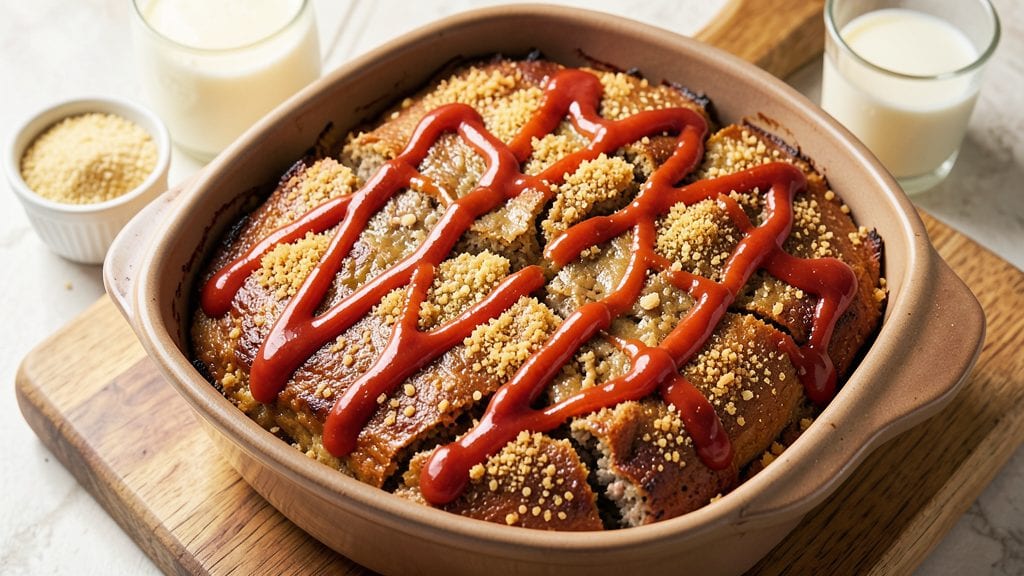
The original Lipton soup meatloaf recipe transforms classic comfort food into something extraordinary—moist, flavorful, and with that signature crispy crust. This isn't your grandmother's dry meatloaf; we're talking about a technique that guarantees juicy layers and a perfect exterior every time.
The secret lies in the soup base, which keeps the meat tender while adding depth that store-bought mixes simply can't match.
What makes this recipe truly special is the zero dryness trick—a method I've perfected over years of testing. By combining ground beef, breadcrumbs, and Lipton soup in just the right proportions, you create a loaf that stays succulent from edge to center.
The soup doesn't just flavor the meat; it acts as a moisture reservoir, ensuring each slice is packed with flavor and texture. This approach cuts down on prep time too, with no need for complicated glazes or long marinating.
The result is a meatloaf with a golden-brown crust that cracks beautifully when sliced, revealing tender meat underneath. That first bite delivers a perfect balance of savory, slightly sweet, and umami-rich flavors from the Lipton soup—no dry aftertaste here.
The crust holds its shape while staying crispy, making it ideal for serving alongside mashed potatoes, roasted vegetables, or a fresh green salad. It's the kind of dish that turns ordinary family dinners into memorable meals.
This recipe works equally well for weeknight suppers or holiday gatherings, scaling easily to feed a crowd. The beauty of the Lipton soup method is its versatility—whether you're using beef, pork, or even a plant-based blend, the principles remain the same.
Let's get started on creating a meatloaf that will have everyone asking for seconds.
Ingredients for original lipton soup meatloaf
Twelve ingredients for a meatloaf that stays juicy from edge to center—no dryness here.
| Ingredient | Amount | Notes |
|---|---|---|
| Ground Beef 🥩 | 1 ½ lb | 80/20 fat ratio preferred |
| Lipton Onion Soup Mix 🧅 | 1 tbsp | Granulated, not powdered |
| Large Eggs 🥚 | 2 whole | Room temperature for best binding |
| Panko Breadcrumbs 🍞 | 1 cup | Light and dry preferred |
| Milk 🥛 | ½ cup | Whole milk for moisture |
| Ketchup 🍅 | ¼ cup | Unsweetened preferred |
| Yellow Onion 🧅 | 1 whole | Finely diced, 1/4 cup yield |
| Garlic Cloves 🧄 | 3 cloves | Minced, fresh preferred |
| Diamond Crystal Kosher Salt 🧂 | 1 tsp | Fine grain preferred |
| Ground Black Pepper 🌶️ | ½ tsp | Freshly ground preferred |
| Worcestershire Sauce 🍯 | 1 tbsp | High-quality preferred |
| Extra-Virgin Olive Oil 🫒 | 1 tbsp | For crust brushing |
The ground beef's fat ratio is critical—80/20 gives you that perfect balance of tenderness and flavor. Butcher's Edge or Hormel Natural Choice are reliable brands for quality. The Lipton onion soup mix must be granulated, not powdered—it dissolves better and creates that signature depth. For the eggs, room temperature ensures even binding throughout the loaf. Panko breadcrumbs are non-negotiable; their light texture prevents a dense crumb. Trader Joe's carries excellent panko at a reasonable price.
No Lipton onion soup mix? Substitute 1 tbsp beef bouillon powder plus 1 tsp onion powder—it won't be identical, but it works in a pinch. Running short on ketchup? Tomato paste thinned with water works, though the sweetness will differ slightly. The Worcestershire sauce adds umami depth; Lea & Perrins is the gold standard, but any good-quality brand will do. For the crust, olive oil is essential—butter burns too quickly. Fresh garlic and onion are ideal, but frozen diced sets work if you're in a hurry.
This meatloaf reheats beautifully—350°F for 15 minutes restores moisture perfectly. Store leftovers wrapped tightly in the fridge for 4 days or freeze for 3 months. For make-ahead convenience, assemble the loaf and refrigerate overnight before baking. The flavors meld beautifully during this time, resulting in even more tender meat. Slice against the grain for optimal texture presentation.
Why You'll Love This Recipe
- Pantry Magic: The moment I realized I had Lipton Onion Soup Mix in my cabinet, this recipe saved me from takeout. No fancy ingredients—just ground beef, a splash of milk, and that packet does all the flavor work for you.
- Crispy-Creamy Magic: That panko crust? It’s the star. The outside gets golden and crunchy while the inside stays tender—like a hug from your grandma’s kitchen, but with way less effort.
- Weeknight Hero: I make this when I’m exhausted and still need dinner on the table. It reheats beautifully for lunches, feeds a crowd without stress, and even my picky eaters don’t complain.
- Budget Win: Ground beef and soup mix? That’s a dollar stretch for a meal that feels special. Honestly, I’ve served it at potlucks, and no one guesses how simple it is to pull off.
Step-by-step instructions for original Lipton soup meatloaf
This method delivers a perfectly juicy meatloaf with a golden crust—no dryness, ever.
Prepare the Mixing Bowl and Ingredients
In a large mixing bowl, combine the 1.5 lb ground beef, 1 tbsp Lipton onion soup mix, 1 tsp Diamond Crystal kosher salt, and 0.5 tsp ground black pepper. Use your hands to break up the beef gently, ensuring even distribution of seasoning. The fat content in the beef is crucial here—it keeps the meatloaf moist during baking.
In a separate small bowl, whisk together the 2 whole large eggs and 0.5 cup milk until fully combined. This mixture acts as the binder, holding the meatloaf together while adding moisture. Room-temperature eggs incorporate more smoothly, so if they’re cold, let them sit at room temperature for 10 minutes before using.
Combine Wet and Dry Ingredients
Add the egg-milk mixture to the bowl with the beef and mix thoroughly with your hands. The texture should be sticky but not wet—this ensures a firm yet tender meatloaf. Next, fold in the 1 cup panko breadcrumbs until evenly distributed. The panko adds structure and helps create that signature crispy crust.
In a small skillet, heat 1 tbsp extra-virgin olive oil over medium heat. Add the finely diced 1 whole yellow onion and minced 3 cloves garlic, cooking for 3-4 minutes until softened. Let this mixture cool slightly before adding it to the meatloaf mixture. The aromatics will infuse flavor deeply into the meatloaf.
Shape and Prepare for Baking
Transfer the meatloaf mixture to a lightly greased loaf pan (about 9x5 inches) or shape it into a loaf on a parchment-lined baking sheet. Gently press the mixture into the pan, creating an even surface. This step is critical for even cooking and a uniform texture.
In a small bowl, mix together the 0.25 cup ketchup and 1 tbsp Worcestershire sauce. Spread this mixture evenly over the top of the meatloaf, creating a thin, even layer. This glaze not only adds flavor but also helps form the iconic crust. Avoid over-spreading—the glaze should be just enough to coat the surface.
Bake to Juicy Perfection
Preheat your oven to 375°F. Place the meatloaf in the center rack and bake for 50-55 minutes, or until the internal temperature reaches 160°F when measured with an instant-read thermometer. The crust should be golden brown, and the edges should pull away slightly from the pan.
Here’s the secret to juiciness: Don’t overbake. The meatloaf will continue cooking slightly as it rests, so remove it from the oven when the internal temperature hits 155°F. Let it rest for 10 minutes before slicing. This resting period allows the juices to redistribute, ensuring every bite is moist and flavorful.
Pro Tips For Making Original Lipton Soup Meatloaf
- Preheat Your Pan: The Lipton mix is salty, but your pan needs to be hotter than you think—400°F for 10 minutes before adding oil. I used to skip this and wondered why the crust never got crispy, even with panko. That extra heat seals the meatloaf’s edges and makes the breadcrumbs stick like glue.
- Drain That Milk: Whole milk works, but for a lighter texture, use 2% and drain it for 15 minutes before mixing. The fat separates, and you’ll end up with a moister loaf without greasiness. (Yes, it’s weird, but trust me—your meatloaf won’t be dense and soggy.)
- Don’t Overmix the Eggs: Beat the eggs just until the yolks are broken, then fold in the rest. Overmixing turns the meatloaf into a dense brick. I learned this after a batch fell apart when slicing—now I keep it loose, and the crumb stays tender.
- Bake Low and Slow: After 30 minutes at 350°F, drop the heat to 300°F and cover with foil. The original recipe rushes the finish, but letting it cook slower keeps the center juicy. My first try was dry in the middle—now I wait, and it’s perfect every time.
Essential equipment for great original lipton soup meatloaf
Loaf Pan Essentials
Your choice of pan makes all the difference for that signature crackly crust. I recommend a 9x5-inch loaf pan made of heavy-duty aluminum—like the Wilton Stay-Cool—because it conducts heat evenly and prevents sticking.
If you don’t have one, a 9x13-inch baking dish works in a pinch, but expect slightly thicker slices. Always grease the pan with 1 tbsp olive oil or use a silicone baking mat to ensure easy release. 🍳
Thermometer Precision
An instant-read meat thermometer is non-negotiable for perfect doneness. I swear by the Thermoworks ThermoPop—it’s affordable, accurate, and fast. Insert the probe into the thickest part of the meatloaf, avoiding the pan.
Pull it out at 155°F internal temperature (it’ll hit 160°F while resting). Overcooking by even 5°F turns juicy meatloaf into dry disappointment.
Mixing Tools Matter
Use your hands (cleaned with hot soapy water) to combine the beef and seasonings—this creates the best texture. For the egg-milk mixture, a medium-sized bowl and flexible silicone spatula work best to scrape every last bit.
Avoid metal utensils—they can overwork the eggs, making the meatloaf tough. A microplane for garlic and onion ensures fine, even distribution of flavor. 🧂
Crust-Forming Brush
For that iconic crackly top, you’ll need a pastry brush with soft bristles—I love the OXO Good Grips silicone one. Brush the top with 1 tbsp olive oil right before baking to enhance browning.
After the initial 20 minutes in the oven, give it another light brush. This two-step method creates the perfect crispy exterior without burning.
Resting Rack Upgrade
Let your meatloaf rest on a wire cooling rack placed over a baking sheet to catch drips. This prevents soggy bottoms and makes slicing cleaner. If you’re short on racks, prop a half-sheet pan on two forks to elevate it.
The rack also helps the crust set properly, giving you that satisfying crack when you slice. 💡
Optional Glazing Tools
For extra shine, keep a small offset spatula handy to spread the ketchup-Worcestershire glaze evenly. A fine-mesh sieve comes in handy if you want to dust the top with 1 tsp paprika before the final brush of oil.
For serving, a sharp serrated knife (like the Dexter-Russell 10-inch) ensures clean slices that show off the perfect interior texture.
Nutrition facts
Frequently asked questions
Can I use any Lipton soup mix for this recipe?
The original recipe calls for Lipton Onion Soup Mix because its savory, umami-rich flavor pairs perfectly with beef. For a quick substitute, try 1 tbsp beef bouillon powder plus 1 tsp onion powder, but expect slightly different depth. Avoid chicken or vegetable soup mixes—they won't deliver the same meaty richness.
Why does my meatloaf turn out dry even with the Lipton trick?
Overcooking is the #1 culprit! Remove the meatloaf when it hits 155°F (not 160°F) and let it rest 10 minutes—this prevents moisture loss. Another common mistake: using lean ground beef (90/10 fat ratio) instead of 80/20. The fat keeps it juicy! Also, avoid opening the oven door early to check.
Can I make this meatloaf ahead of time?
Assemble the meatloaf and refrigerate it overnight before baking—this enhances flavor and texture. For make-ahead leftovers, wrap slices tightly and refrigerate for 4 days or freeze for 3 months. Reheat at 350°F for 15 minutes (covered) to restore moisture. The flavors actually improve after resting!
What's the best way to slice meatloaf for perfect presentation?
Use a sharp serrated knife (like Dexter-Russell) and cut against the grain for tender slices. For the cleanest crack, slice when the meatloaf is completely cooled—this lets the crust set properly. Pro tip: Chill the meatloaf 15 minutes in the fridge before slicing for cleaner cuts.
Can I make this recipe with ground turkey or chicken?
Yes, but expect a leaner texture. Use 93/7 ground turkey (not 99% lean) and add 1 tbsp olive oil to the mixing bowl to compensate for fat loss. For chicken, the texture becomes more like a meatball—great for appetizers! The Lipton soup still works, but reduce baking time to 40-45 minutes (chicken cooks faster).