
Main Courses
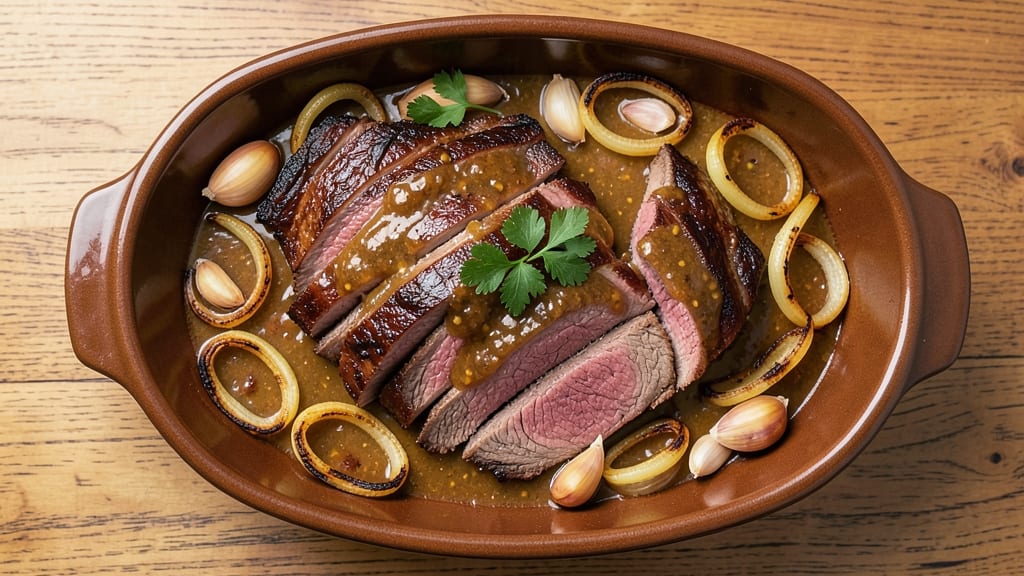
Transforming a simple roast into a restaurant-worthy meal just got easier with this oven roast beef recipe that incorporates Lipton Onion Soup for depth of flavor. ✨ The secret lies in slow-roasting a well-seasoned cut until fork-tender, then finishing with a rich gravy that turns ordinary beef into a showstopper.
This method eliminates the guesswork of traditional braising while delivering that coveted melt-in-your-mouth texture.
What makes this dish truly special is the strategic use of Lipton Onion Soup mix as a gravy base—it adds an umami richness that cuts through the beef's natural fat, creating a sauce that's both simple and sophisticated.
The one-pot technique means minimal cleanup while maximizing flavor development, making it perfect for weeknight dinners or holiday gatherings. With precise temperature control and proper resting time, you'll achieve restaurant-quality results without the complexity.
Imagine serving a perfectly roasted beef centerpiece with a glossy, savory gravy that coats every bite, paired with crisp roasted vegetables or buttery mashed potatoes. The aroma alone will have your guests anticipating each tender, flavorful forkful.
This recipe proves that even classic dishes can be elevated with thoughtful pantry staples and careful technique.
The beauty of this method is its versatility—use it for a Sunday family dinner or impress guests with a special occasion meal. The Lipton Onion Soup gravy adapts effortlessly to different beef cuts, from chuck roast to ribeye, ensuring consistent success every time.
Let's bring this comforting, flavorful dish to your table.
Ingredients for oven roast beef with lipton onion soup
Pantry staples and a single premium cut transform into restaurant-worthy roast beef with velvety gravy.
| Ingredient | Amount | Notes |
|---|---|---|
| Chuck Roast 🥩 | 3 lb | Center-cut for even cooking |
| Lipton Onion Soup Mix 🧅 | 2 tbsp | Granulated, not instant packet |
| Beef Broth 💧 | 2 cups | Low-sodium preferred |
| Red Wine 🍷 | 1 cup | Dry cabernet preferred |
| Garlic Cloves 🧄 | 6 cloves | Minced, fresh preferred |
| Yellow Onion 🧅 | 1 whole | Medium size, diced |
| Carrots 🥕 | 4 whole | Medium size, peeled |
| Fresh Thyme 🌿 | ½ oz | Or 1 tbsp dried |
| Fresh Rosemary 🌿 | ¼ oz | Sprigs, not ground |
| Unsalted Butter 🧈 | 2 tbsp | Cold, cubed |
| Diamond Crystal Kosher Salt 🧂 | 1 ½ tsp | Adjust to taste |
| Freshly Ground Black Pepper 🌶️ | 1 tsp | Coarse grind preferred |
| All-Purpose Flour 🌾 | 1 tbsp | For gravy thickening |
| Heavy Cream 🥛 | ¼ cup | Full-fat for richness |
The chuck roast is your workhorse here—center-cut ensures even cooking without connective tissue issues. Costco or Whole Foods carry excellent pre-trimmed cuts, but if buying whole, trim excess fat for cleaner flavor. Fresh thyme and rosemary from local farmers markets elevate this beyond basic seasoning, though dried works in a pinch (use half the amount). The Lipton Onion Soup mix is non-negotiable—granulated version only—as it dissolves more cleanly than the instant packet. For the wine, cabernet sauvignon adds depth, but any dry red will suffice.
No red wine? Beef broth with 1 tbsp balsamic vinegar replicates the acidity perfectly. Substituting fresh herbs? Dried thyme and rosemary at one-third the quantity maintains flavor. The carrots and onions can be swapped for potatoes or mushrooms if preferred, though they add natural sweetness that balances the beef's richness. For the gravy, all-purpose flour is ideal, but cornstarch creates a glossier finish if you prefer. The heavy cream adds luxurious body—half-and-half works but lacks the same richness.
Roast beef reheats beautifully—350°F for 20 minutes revives it perfectly. Store leftovers in airtight containers for 4 days or freeze for up to 3 months. Gravy thickens as it cools; simply reheat with 1 tbsp water per cup to restore consistency. Portion gravy into ice cube trays for easy reheating—ideal for busy weeknights when you need that restaurant-quality sauce without the prep.
Why You'll Love This Recipe
- One-Pan Magic: The moment I realized I could skip the Dutch oven and just toss everything on a sheet pan—chuck roast, onion soup mix, wine, and broth—was a game-changer. No extra pots, no fuss, just hands-off oven time while I sip my coffee.
- Deep Umami Crust: That crispy, caramelized edge on the beef? Pure satisfaction. The Lipton mix and red wine create this rich, savory crust while keeping the inside tender—like a fancy steakhouse bite without the pretension.
- Weeknight to Dinner Party: Honestly, this is my go-to when I need something impressive but don’t want to slave away. Serve it with mashed potatoes for a cozy family night, or slice it thin for charcuterie boards when company drops by—same effort, different vibes.
- Budget-Friendly Feast: A chuck roast stretches for days, and this recipe costs me pennies per serving. The onion soup mix adds depth without breaking the bank, and the leftovers? Even better the next day when the flavors meld even more.
Step-by-step instructions for oven roast beef with Lipton onion soup
Master this one-pot technique for perfectly tender beef and velvety gravy every time.
🍳 Step 1: Sear the Chuck Roast for Depth of Flavor
Preheat your oven to 325°F. Heat a large Dutch oven over medium-high heat until smoking hot. Pat the 3 lb chuck roast completely dry with paper towels—this ensures maximum browning. Season generously with 1.5 tsp diamond crystal kosher salt and 1 tsp freshly ground black pepper, pressing the seasoning into the meat.
Sear the roast on all sides for 4-5 minutes per side until deeply browned. Here's the thing—don't rush this step. The caramelized crust locks in flavors during the long cook. Once seared, remove the roast and set it aside on a plate.
👨🍳 Step 2: Build the Flavor Base with Aromatics
In the same Dutch oven, add 2 tbsp unsalted butter and let it melt completely. Add the 1 whole yellow onion (diced), 4 whole carrots (peeled and cut into ½-inch rounds), and 6 cloves garlic cloves (minced). Sauté for 5-6 minutes until the vegetables soften and begin to caramelize—this builds sweetness into your dish.
Stir in the 2 tbsp lipton onion soup mix and cook for 1 minute to toast the spices. Pour in the 1 cup red wine and scrape up any browned bits from the bottom of the pot. Let it simmer for 3 minutes until reduced by half. This deglazing step captures all the flavor you seared into the pot.
🥘 Step 3: Braise the Roast with Herbs and Broth
Return the seared chuck roast to the Dutch oven. Add the 2 cups beef broth, then tie 0.5 oz fresh thyme and 0.25 oz fresh rosemary into a small cheesecloth bundle (or use sprigs) and place them in the pot. Bring everything to a simmer, then cover tightly with a lid.
Transfer the pot to the preheated 325°F oven and cook for 2.5-3 hours until the beef is fork-tender. The roast should pull apart easily with two forks—this is your indicator of perfect tenderness. Here's the secret: resist the urge to peek. Every time you lift the lid, you lose heat and moisture.
🍳 Step 4: Thicken the Gravy and Finish the Dish
Once the beef is tender, remove it from the pot and set it aside to rest. Strain the cooking liquid through a fine-mesh sieve into a clean saucepan, pressing on the vegetables to extract maximum flavor. Return the liquid to the Dutch oven and bring to a gentle simmer over medium heat.
Whisk in the 1 tbsp all-purpose flour and cook for 2 minutes to create a light roux. Slowly pour in the 0.25 cup heavy cream while whisking constantly to prevent curdling. Simmer for 3-4 minutes until the gravy thickens to a velvety consistency. Taste and adjust seasoning with additional diamond crystal kosher salt or freshly ground black pepper as needed.
🍽️ Step 5: Slice and Serve with Perfect Gravy
Slice the rested chuck roast against the grain into ¼-inch thick slices. Spoon the rich gravy over the top and serve immediately with the vegetables from the braising liquid. The meat should be incredibly tender, falling apart with gentle pressure, while the gravy clings beautifully to each bite.
For maximum flavor impact, serve with crusty bread to soak up every last drop of that velvety onion-infused gravy. The combination of deep beef flavors, aromatic vegetables, and silky sauce makes this a showstopping centerpiece for any dinner table.
Pro Tips For Making Oven Roast Beef With Lipton Onion Soup
- Pat the Beef Dry: You’d be surprised how much moisture clings to chuck roast after trimming—just pat it hard with paper towels before seasoning. I once skipped this and ended up with a steakhouse-worthy crust that turned into sad, soggy beef halfway through roasting. Trust me, this isn’t optional.
- Deglaze Like a Pro: After browning the roast, scrape every last bit of browned bits from the pan with the Lipton Onion Soup Mix and red wine. Those bits are flavor gold—skip this, and your onion soup base will taste flat. I used to pour the wine directly in, but now I always deglaze first. The difference is noticeable.
- Use Cold Broth: The recipe calls for beef broth, but here’s the hack: chill it overnight. Cold broth won’t dilute your pan sauce as quickly when you reduce it later. I burned my first batch because I used room-temp broth, and the sauce turned into a sad, thin mess. Now I always refrigerate it first—it reduces slower and tastes richer.
- Braise the Garlic: Don’t just toss in raw garlic cloves—they’ll turn bitter. Slice them thin and cook them in the pan with the red wine for 2-3 minutes until fragrant. This isn’t just about flavor; it’s about avoiding a clove-of-garlic aftertaste that ruins the whole dish. I learned this the hard way after my last batch tasted like someone had chewed a bulb and spat it in the pan.
Troubleshooting perfect results
Undercooked Beef Fix
If your roast beef feels tough or undercooked after 2.5-3 hours at 325°F, don't panic. First, check the internal temperature—it should reach 203°F for medium-rare. If it's lower, return the pot to the oven for another 30-45 minutes.
For extra tenderness, slice the meat against the grain and simmer it in the gravy for 10-15 minutes to rehydrate the fibers. 💡
Overly Dry Meat
Dryness often happens when the roast isn't properly rested or the oven temperature fluctuates. Always let the beef rest for 15-20 minutes before slicing to retain juices.
If it's still dry, try this trick: place the sliced beef in the Dutch oven with ½ cup beef broth and simmer covered for 10 minutes. The moisture will restore tenderness without making the meat mushy.
Gravy Too Thin
A thin gravy usually means the flour wasn't cooked long enough or the cream was added too quickly. For a quick fix, whisk 1 tbsp cornstarch with 2 tbsp cold water and stir into the simmering gravy until thickened.
If the gravy separates after adding cream, whisk in 1 tbsp cold butter to emulsify it. Always simmer gravy on medium-low heat to prevent lumps. 🥄
Onion Soup Flavor Too Strong
The Lipton Onion Soup mix can overpower if not balanced properly. To mellow the flavor, add 1 tsp sugar or 1 tbsp balsamic vinegar to the braising liquid. For a more subtle taste, reduce the mix to 1 tbsp in future batches.
The key is toasting the spices properly—cook them for 1 full minute before adding wine to prevent bitterness.
Beef Tasting Bland
Bland beef often results from insufficient searing or seasoning. Next time, increase the salt to 2 tsp and add ½ tsp smoked paprika to the seasoning mix. For extra depth, sear the roast in 2 tbsp olive oil before browning with butter.
Deglaze the pan thoroughly with wine to capture all the flavorful browned bits that make the difference between good and great.
Vegetables Too Soft
Overly soft vegetables happen when they cook too long in the braising liquid. To fix this, remove the carrots and onions 30 minutes before the beef is done.
For future attempts, reduce their cooking time by 20-30 minutes or add them directly to the gravy at the end for a fresh, bright flavor. 🥕
Nutrition facts
Frequently asked questions
Can I use a different cut of beef for this recipe?
This recipe works best with chuck roast due to its fat content and connective tissue, which creates tender, flavorful meat. However, you can substitute with bottom round roast or brisket—just increase cooking time by 30-45 minutes and monitor for tenderness. Avoid lean cuts like sirloin, as they won't yield the same melt-in-your-mouth texture.
What if I don't have red wine?
No problem! Replace the 1 cup red wine with 1 cup beef broth plus 1 tbsp balsamic vinegar for acidity. For extra depth, add ½ tsp Worcestershire sauce. The dish will still be delicious—just slightly less complex. The key is maintaining the same liquid volume to balance the flavors.
How do I know when the beef is fully cooked?
Use a meat thermometer to check the internal temperature: 203°F for medium-rare, 210°F for medium. The beef should also pull apart easily with two forks. If it's still tough, return it to the oven for 30-45 minutes more. Never rely on color alone—some cuts stay pink even when fully cooked.
Can I make this recipe in a slow cooker?
Sear the beef first, then transfer everything to a slow cooker and cook on low for 8 hours or high for 5 hours. The slow cooker method is even more forgiving for busy schedules. Just remember to thicken the gravy separately using the same flour-and-cream method after removing the beef.
How should I store and reheat leftovers?
Store sliced beef and gravy separately in airtight containers for up to 4 days in the fridge. To reheat, warm the gravy first, then add the beef and heat through at 350°F for 20 minutes. For gravy that's too thick after reheating, whisk in 1 tbsp water per cup to restore consistency. Freeze portions for up to 3 months—just thaw overnight in the fridge.