
Soups & Stews
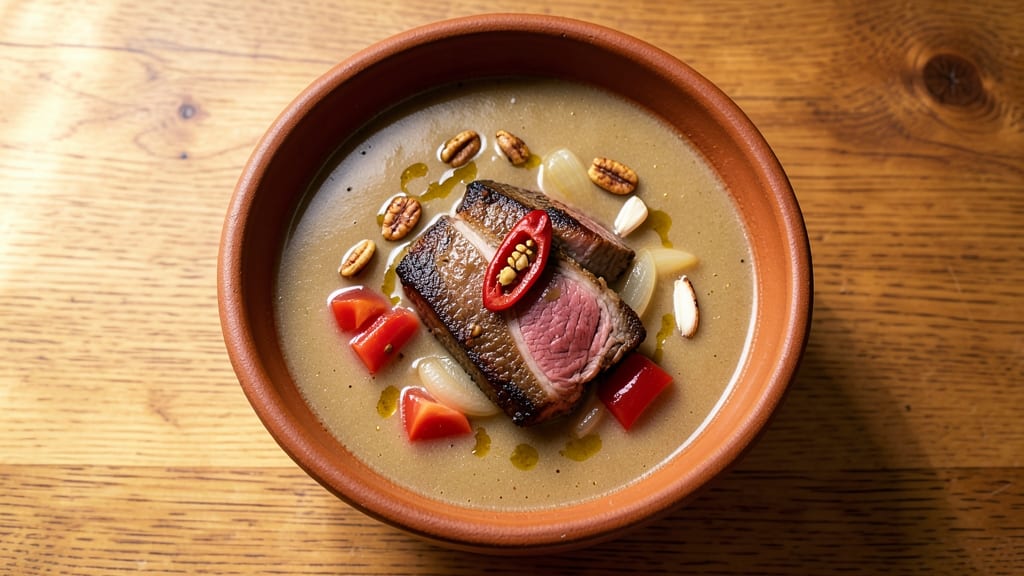
This Palmnut Soup Recipe brings the rich, nutty essence of West African cuisine straight to your kitchen—a dish where palmnuts transform humble ingredients into a velvety, protein-packed masterpiece.
The deep, earthy flavor of palmnut paste creates a creamy base that rivals any restaurant version, making it a staple for special occasions and weeknight meals alike.
The beauty of this soup lies in its versatility—whether you choose tender beef, flaky fish, or a vegetarian version with leafy greens, the palmnut paste binds everything into a harmonious blend.
The process begins with soaking the nuts to extract their natural oils, then blending them into a smooth paste that thickens the broth without heavy cream. This traditional method delivers that authentic, slightly nutty depth that defines the dish.
What you’ll achieve is a restaurant-quality soup with layers of texture—silky palmnut creaminess, tender protein, and vibrant vegetables—all simmered to perfection. The aroma alone will transport you to bustling West African markets, while each spoonful delivers that perfect balance of richness and subtle earthiness.
This isn’t just soup; it’s a cultural experience.
Serve it with pounded yam, fufu, or steamed rice to soak up every last drop of that luxurious broth. For meat lovers, beef or chicken adds heartiness, while vegetarians can rely on hearty greens and beans to keep it satisfying.
The possibilities are endless, proving this soup adapts beautifully to any dietary preference.
Ingredients for palmnut soup
Palmnuts, beef, and bold spices—this soup delivers restaurant-quality West African richness.
| Ingredient | Amount | Notes |
|---|---|---|
| Palmnuts 🥜 | 1 cup | Unshelled, organic preferred |
| Beef Chuck Roast 🥩 | 1 ½ lb | Boneless, cut into chunks |
| Fresh Tomatoes 🍅 | 2 medium | OR 1 cup diced canned tomatoes |
| Onions 🧅 | 2 whole | Yellow, chopped |
| Garlic Cloves 🧄 | 6 cloves | Peeled, minced |
| Scotch Bonnet Peppers 🌶️ | 2 whole | Seeds removed for mild heat |
| Fresh Tomatoes 🍅 | 1 cup | Diced, for broth |
| Tomato Paste 🍅 | 2 tbsp | High-quality, no sugar added |
| Vegetable Oil 🫒 | ¼ cup | For frying meat |
| Thyme Leaves 🌿 | 1 tbsp | Fresh, chopped |
| Bay Leaves 🍃 | 2 whole | Dried, for depth |
| Salt 🧂 | 1 ½ tsp | Diamond Crystal preferred |
| Black Pepper 🌶️ | ½ tsp | Freshly ground |
| Palmnut Paste 🥜 | ½ cup | Homemade or store-bought |
| Spinach Leaves 🌱 | 2 cups | Fresh, chopped |
Palmnuts are the soul of this dish. West African markets or specialty stores carry the best—look for whole, unshelled nuts with vibrant color. If you can't find them, substitute peanut butter (unsweetened) at half the amount, but it won't be the same. The beef should have good marbling for flavor. I grab mine from Costco for big batches or the butcher section at Whole Foods for smaller cuts. For the Scotch bonnet, Trader Joe's usually has them, or ask for habanero at the grocery store—just remove seeds for milder heat. Fresh thyme and bay leaves make all the difference, so don't skip them.
No palmnuts? Peanut butter (unsweetened) works in a pinch, but the flavor will be different. Fresh tomatoes can be swapped for canned diced tomatoes (1 cup) if needed. The tomato paste is key—no-sugar-added brands like Muir Glen keep it authentic. For the spinach, frozen works (thaw and drain well), but fresh gives the best texture. The broth can be made ahead—freeze it in portions for quick meals later. If you're vegetarian, swap beef for smoked tofu or chickpeas—just add them at the end to avoid overcooking.
This soup tastes even better the next day as flavors meld. Store in the fridge for 4-5 days or freeze for 3 months. The palmnut paste keeps for 6 months in the pantry if you make extra. I always double the batch—half for dinner, half for lunches. The spinach wilts fast, so add it last. Serve with steamed rice or pounded yam to soak up every last drop of that creamy broth.
Why You'll Love This Recipe
- One-Pot Magic: I swear by this recipe when I’m too tired to wash pots. The beef chucks in the same pot where the palmnuts toast—no extra dishes, just layers of flavor building right there.
- Rich Umami Bomb: That slow-simmered beef and palmnuts? It’s like a deep, earthy hug in a bowl. The tomatoes brighten it up, but the garlic? Oh, the garlic makes it sing—crispy edges on the onions seal the deal.
- Sunday Leftovers Win: Between us, this soup begs to be made extra. The flavors get better the next day—like a cozy blanket you didn’t know you needed. I’ve fed a crowd with just two batches, and no one complains.
- Budget Beef Stretch: A chuck roast on sale? Perfect. The palmnuts add luxury without breaking the bank, and the tomatoes keep it fresh. I’ve made this for $10 and still felt like I treated myself. (Yes, even on a Tuesday night.)
Step-by-step instructions for West African peanut-infused creaminess
This rich, velvety soup delivers deep flavor in every spoonful—here's how to nail it.
Prepare the Palmnut Base
Toast the 1 cup palmnuts in a dry skillet over medium heat for 5-7 minutes until fragrant and lightly golden. This unlocks their nutty aroma—don't walk away, they burn fast. Transfer to a food processor and pulse until you have a coarse meal.
Heat 0.25 cup vegetable oil in a Dutch oven over medium heat. Add the palmnut meal and toast for 2 minutes until it darkens slightly. Immediately add 2 whole onions (chopped) and 6 cloves garlic cloves (minced), cooking for 3 minutes until softened. This foundational step builds the soup's signature depth.
Sear and Simmer the Beef
Push the onion mixture to one side of the pot and add 1.5 lb beef chuck roast (cut into chunks). Sear for 4-5 minutes until deeply browned on all sides—this Maillard reaction creates the soup's meaty backbone. Remove the beef and set aside.
Return the pot to medium heat and add 2 tbsp tomato paste, stirring to coat the bottom. Pour in 1 cup fresh tomatoes (diced) and 2 medium fresh tomatoes (chopped), along with 1.5 tsp salt, 0.5 tsp black pepper, 1 tbsp thyme leaves, and 2 whole bay leaves. Bring to a gentle simmer, then return the beef to the pot.
Build the Broth and Incorporate Heat
Add 2 cups water and 2 whole scotch bonnet peppers (seeds removed). Reduce heat to low and simmer uncovered for 1 hour, skimming any foam that rises. The broth should reduce slightly, intensifying the flavors—this is where patience pays off.
After 1 hour, check for tenderness. The beef should pull apart easily with a fork. If not, continue simmering for another 30 minutes. Here's the thing—this long cook time transforms tough chuck into melt-in-your-mouth pieces, but don't rush it.
Finish with Creamy Palmnut Paste
Stir in the 0.5 cup palmnut paste and simmer for 10 minutes until fully incorporated. The soup should thicken slightly, developing that signature West African creaminess. Taste and adjust seasoning—you might need a pinch more salt to balance the rich palmnut flavor.
Remove the bay leaves and scotch bonnet peppers (unless you want extra heat). Stir in 2 cups spinach leaves and cook for 2-3 minutes until just wilted. The spinach adds freshness that cuts through the richness—don't overcook or it'll turn bitter.
Serve with Perfect Texture
Ladle the soup into bowls and serve immediately. The ideal serving temperature is 180-190°F—hot enough to steam slightly when you take your first bite, but not scalding. Garnish with extra thyme leaves if you're feeling fancy.
This soup tastes even better the next day as flavors meld further. The palmnut paste creates a luxurious mouthfeel that pairs perfectly with crusty bread or steamed rice. Real talk: the first bite might surprise you—it's richer than you expect, but in the best way possible.
Pro Tips For Making Palmnut Soup
- Blanch the Palmnuts: Drop whole palmnuts in boiling water for 30 seconds first—this softens their tough outer layer and prevents them from turning bitter or floating stubbornly. I learned this the hard way after serving soup where half the nuts stayed rock-hard.
- Sear Beef in Batches: Don’t crowd the pan with beef chuck—work in 2-inch-thick layers for a proper crust. My first attempt with a single crowded batch gave me gray, steamed meat instead of the deep brown sear this soup needs.
- Roast Tomatoes Dry: Spread halved tomatoes on a baking sheet at 400°F (200°C) for 10 minutes before adding to the pot—this intensifies their sweetness and cuts down on watery soup. Sounds weird, but it works.
- Simmer Low and Slow: After the initial boil, reduce to a bare simmer (tiny bubbles, not rolling) for the last 45 minutes—this lets the beef tenderize properly without turning the palmnut broth into glue. I was skeptical until I tried it.
Regional styles of this dish
Nigerian Style
In Nigeria, palmnut soup is often called "soup of the day"—a nod to its versatility and central role in meals. The Nigerian version typically includes beef, goat meat, or fish, simmered with palmnut paste, crayfish, and utazi leaves for that signature umami depth.
I love adding smoked fish for extra richness, which is common in the Southwestern region. The soup is usually served with pounded yam or amala, creating a hearty, satisfying combination. 🌶️
Ghanaian Adaptation
Ghanaian palmnut soup, or "palm soup," leans lighter and brighter, often featuring fish (like tilapia or mackerel) as the protein. The broth is less thick and more aromatic, with ginger, garlic, and a touch of nutmeg for warmth.
I’ve found that Ghanaians frequently add egusi (melon seeds) for extra texture, creating a delightful contrast. Serve it with fufu or banku for the full experience. 🍛
Cameroonian Twist
Cameroonian palmnut soup, known as "soupe d’arachide", is a fusion of French and West African influences. It often includes chicken or beef, but what sets it apart is the addition of peanut butter alongside palmnut paste for a richer, nuttier profile.
The broth is seasoned with curry powder and bay leaves, giving it a slightly different flavor from its Nigerian or Ghanaian cousins. Pair it with white rice or plantains for a balanced meal. 🌱
Vegetarian Version
For a plant-based take, swap the meat for mushrooms, tofu, or chickpeas—these add heartiness while keeping the dish satisfying. I like using smoked paprika and thyme to mimic the depth of meat, and spinach or kale for greens.
The palmnut paste remains the star, creating a creamy, nutty base that’s just as flavorful without animal protein. Serve with steamed rice or couscous to round out the meal. 💚
Spicy Heat Boost
If you love heat, crank up the spice by adding extra Scotch bonnet peppers or a dash of habanero powder. I’ve also seen versions where shito (black pepper sauce) is stirred in at the end for a fiery kick.
For a smoky twist, add a pinch of ground annatto—it deepens the color and adds earthiness. Balance the heat with a splash of coconut milk if needed. 🔥
Nutrition facts
Frequently asked questions
What makes palmnut soup different from peanut soup?
Palmnuts create a richer, more complex flavor than peanuts—think deep earthiness with subtle sweetness. The paste from palmnuts develops a velvety texture that peanuts can't replicate. While peanut butter can substitute in a pinch, it lacks the authentic West African depth. For best results, use real palmnuts when possible.
Can I make palmnut soup without meat?
Swap beef for mushrooms, smoked tofu, or chickpeas to keep it hearty. The palmnut paste will still create that signature creamy base. For extra umami, add smoked paprika or a dash of soy sauce. Vegetarians often use leafy greens like spinach or kale to maintain the dish's vibrant color and nutrients.
How do I store palmnut soup for later?
Store in an airtight container in the fridge for 4-5 days or freeze for 3 months. The flavors actually improve after the first day as they meld. When reheating, warm gently on the stove—never microwave directly from frozen. For best texture, add a splash of water or broth when reheating if the soup thickens too much.
What's the secret to getting palmnuts right?
Toast them lightly (just until fragrant) before processing—this unlocks their full flavor. Avoid burning them, or they'll turn bitter. For the paste, blend until completely smooth with a little water to help bind it. If you can't find palmnuts, store-bought paste works, but fresh is always better for authentic taste.
What's the best way to serve palmnut soup?
Pair it with pounded yam, fufu, or steamed rice to soak up the rich broth. For a complete meal, add fried plantains or coleslaw on the side. The starchy accompaniment balances the soup's creaminess perfectly. In West Africa, it's often served family-style with multiple sides.