
Soups & Stews
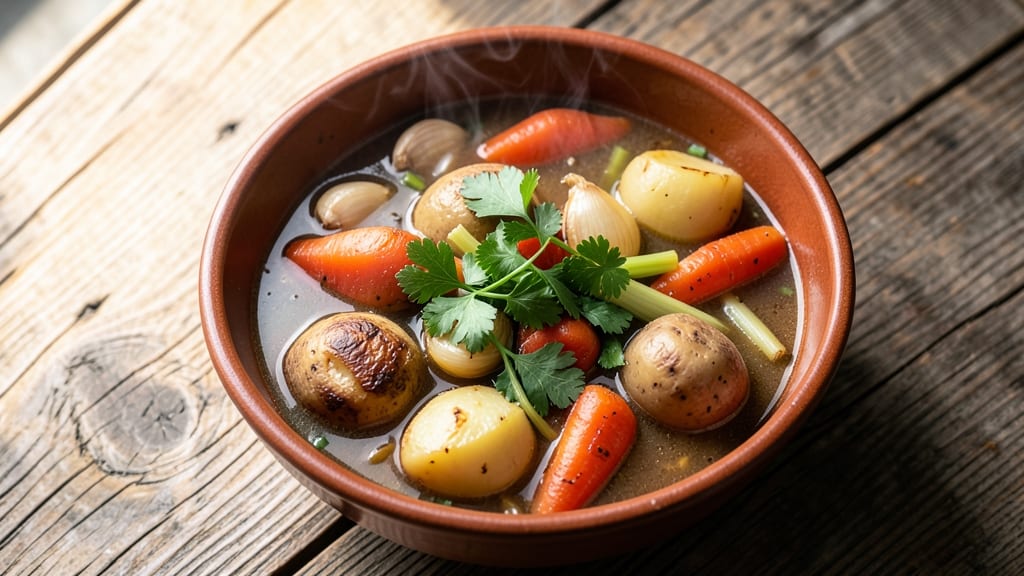
This peasant soup recipe brings warmth and comfort to your table with its rustic vegetable stew and crispy bread crust—perfect for chilly evenings or hearty gatherings.
The traditional method simmers humble ingredients like potatoes, carrots, and onions until tender, creating a deeply flavorful broth that feels like home in a bowl. I’ve perfected this recipe over years, ensuring every spoonful delivers that satisfying, wholesome taste of classic peasant cooking.
The beauty of this soup lies in its simplicity and versatility—no fancy ingredients required, just good-quality vegetables and a few pantry staples. The bread crust, made from day-old bread, adds a delightful crunch and soaks up the rich broth beautifully.
Whether you’re cooking for a family dinner or meal prepping for the week, this soup is both nourishing and budget-friendly, with options to include meat or keep it vegetarian.
What makes this recipe truly special is the balance of textures and flavors: tender vegetables, hearty potatoes, and a crust that adds depth with every bite.
The slow simmering allows the flavors to meld together, creating a comforting, aromatic stew that’s perfect paired with crusty bread or a simple green salad. It’s the kind of meal that feels like a hug in a bowl—simple, satisfying, and full of tradition.
Ready to try this classic recipe? Let’s get cooking—your kitchen will smell amazing, and your guests will be asking for seconds. The instructions are straightforward, and the results are always rewarding. Here’s how to make it!
Ingredients for peasant soup
Simple ingredients create a hearty, comforting peasant soup with crispy bread crusts.
| Ingredient | Amount | Notes |
|---|---|---|
| Russet Potatoes 🥔 | 2 ½ lb | Peeled, cubed into 1-inch pieces |
| Carrots 🥕 | 3 lb | Peeled, sliced into rounds |
| Yellow Onions 🧅 | 2 whole | Thinly sliced |
| Celery Stalks 🌿 | 4 whole | Chopped into 1-inch pieces |
| Garlic Cloves 🧄 | 6 cloves | Mince finely |
| Fresh Parsley 🌿 | ½ cup | Chopped, for garnish |
| Day-Old Bread Loaf 🍞 | 1 whole | Crusts removed, cubed |
| Chicken Broth 🍲 | 6 cups | Low-sodium preferred |
| Vegetable Oil 🫒 | ¼ cup | For frying bread crust |
| Salt 🧂 | 1 ½ tsp | Kosher, to taste |
| Black Pepper 🌶️ | ¾ tsp | Freshly ground |
| Dried Thyme 🌿 | 1 tsp | For aromatic depth |
| Dried Rosemary 🌿 | ½ tsp | Crushed, for earthy notes |
| Butter 🧈 | ¼ cup | Unsalted, for richness |
The potatoes and carrots form the foundation of this soup, so opt for organic when possible—they’re the stars of the dish. Russet potatoes break down beautifully, while carrots with vibrant orange color indicate sweetness. I always buy them from local farmers' markets for peak freshness, but grocery store organic works too. The onions and celery should be firm and free of blemishes—any soft spots mean they’re past their prime. For the bread, day-old sourdough or whole wheat adds extra depth, but any crusty loaf will work.
No fresh parsley? Dried parsley at one-third the amount works in a pinch, though it lacks that vibrant freshness. Short on thyme or rosemary? Italian seasoning blend is a solid swap, though the flavor profile will shift slightly. For the broth, homemade is ideal, but low-sodium store-bought broth is perfectly fine. The oil for frying the bread crust? Vegetable or canola are neutral choices—avoid anything with a strong flavor that might overpower the soup. And if you’re avoiding dairy, olive oil replaces butter in the final step without sacrificing richness.
This soup tastes even better the next day as flavors meld. Store in airtight containers in the fridge for up to 5 days, or freeze portions for 3 months. For the bread crust, fry it fresh before serving—it stays crispy that way. If you’ve got leftovers, reheat gently on the stovetop with a splash of broth to restore moisture. The broth can also be used to make soup-based sauces or as a base for other stews, so save any extra for future meals. This recipe is designed to be flexible, so don’t hesitate to adjust quantities based on your family’s preferences.
Why You'll Love This Recipe
- No-Chop Fancy: I swear, the celery and onions go in whole—no dice, no tears. That rough texture actually deepens the flavor as it simmers, and honestly? It’s the kind of shortcut that makes me feel like a lazy genius.
- Garlic Confidence: Two raw cloves smashed into the oil before anything else? That’s my secret weapon. The first bite hits with a punchy, warm garlic punch that lingers—like a hug in soup form, but better because it doesn’t judge my life choices.
- Leftovers Lie: Between us, this soup begs for seconds. The potatoes get tender but hold their shape, the carrots stay bright, and the broth thickens just enough to make it feel special. I’ve reheated mine three days later, and it’s still the star of my sad Tuesday.
- Pantry Magic: Onions, carrots, celery—oh, and potatoes—are basically the holy trinity of cheap, long-lasting veggies. Throw in a bouquet garni (or just a bay leaf and thyme if you’re feeling wild), and you’ve got a meal that costs pennies but tastes like you slaved over it. (Spoiler: You didn’t.)
Step-by-step instructions for rustic vegetable stew with hearty bread crust
This method delivers a deeply flavorful, comforting stew with crispy bread topping every time.
Sauté the Vegetable Base
Heat the 0.25 cup vegetable oil in a large Dutch oven over medium heat. Add the 2 whole yellow onions and 4 whole celery stalks, cooking for 8-10 minutes until softened and translucent. The onions should release their sweetness while the celery becomes tender but not browned.
Add the 3 lb carrots and continue cooking for 5 minutes to allow their natural sugars to caramelize slightly. Stir occasionally to prevent sticking. This foundational step builds the stew's rich flavor profile through proper browning of the vegetables.
Build the Herb and Garlic Foundation
Reduce heat to medium-low and add the 6 cloves minced garlic, 1 tsp dried thyme, and 0.5 tsp dried rosemary. Cook for 1-2 minutes until fragrant, being careful not to let the garlic burn. The aroma should fill your kitchen - this is when the herbs begin to release their full flavor potential.
Stir in the 2.5 lb cubed russet potatoes, coating them thoroughly with the vegetable mixture. Pour in the 6 cups chicken broth and bring to a gentle simmer. Add 1.5 tsp salt and 0.75 tsp black pepper, then reduce heat to low to maintain a steady simmer without boiling over.
Simmer the Vegetable Mixture
Cover the Dutch oven and let the stew simmer for 30-35 minutes until the potatoes are tender and the carrots are fork-tender. You'll know it's ready when the potatoes pierce easily with a fork and the flavors have melded together into a cohesive broth.
During this time, taste the stew and adjust seasoning if needed. The broth should be flavorful but not overly salty. If the stew becomes too thick, add ½ cup water to maintain the proper consistency for serving.
Prepare the Bread Crust Topping
While the stew simmers, heat 0.25 cup butter in a separate skillet over medium heat. Add the 1 whole day-old bread loaf (cubed) and toast for 5-7 minutes until golden brown and crispy. The bread should develop a rich, nutty aroma as it crisps.
Remove the bread from the skillet and set aside. In the same skillet, add the 0.25 cup vegetable oil and heat for 1 minute. Add the toasted bread back to the skillet and cook for an additional 3-4 minutes until the bread is evenly coated with oil and golden brown all over.
Assemble and Finish the Peasant Soup
Once the stew has reached the proper consistency, stir in the 0.5 cup chopped fresh parsley. This adds a bright, fresh finish that cuts through the richness of the stew. Ladle the stew into individual bowls, leaving room at the top for the bread topping.
Spoon the crispy bread cubes over each serving of stew, pressing down gently so they absorb some of the broth. The contrast between the warm, hearty stew and the crispy bread creates the perfect textural experience. Serve immediately while the bread remains crisp and the stew is piping hot.
Pro Tips For Making Peasant Soup
- CHOP VEGETABLES UNIFORMLY: I learned this the hard way—lumpy chunks of potato or celery turn into mushy bits while carrots stay crunchy. Cut everything into ½-inch pieces so they cook at the same pace, or you’ll end up with a soup that’s part mashed potatoes, part stewed veggie salad.
- SWEAT ONIONS LOW AND SLOW: Crank the heat too high, and your onions burn before they soften. Start on medium-low, let them bubble gently for 8-10 minutes, and stir every 2 minutes with a wooden spoon. That golden-brown color? That’s flavor you’re not getting any other way.
- ADD POTATOES LAST: Toss them in with the carrots and onions, and they’ll turn to glue. Wait until the first 10 minutes of cooking are done—when the onions are translucent and the carrots just starting to soften—then add the potatoes. They’ll absorb the broth perfectly without falling apart.
- SKIP THE PEELING (ON POTATOES): Russets are hearty enough to handle a quick scrub and no peeling—it saves time and keeps more nutrients in the soup. Just rinse them under cold water, rub off any dirt with a brush, and slice. The skin won’t bother anyone, I promise.
Best sauces and condiments for peasant soup
Classic Herb Oil
Start with 2 tablespoons olive oil infused with 1 teaspoon dried thyme, ½ teaspoon dried rosemary, and 2 minced garlic cloves. Heat gently for 2 minutes until fragrant, then drizzle directly into bowls of soup.
This simple oil elevates the dish with aromatic depth without overpowering the vegetables. I always use extra virgin olive oil for its rich flavor profile. 🌿
Creamy Garlic Finish
For a velvety texture, stir ¼ cup heavy cream and 1 tablespoon butter into the finished soup just before serving. This adds richness while balancing the hearty vegetables. I recommend whipping cream for the best results. For a lighter option, substitute with ½ cup unsweetened almond milk. 🧈
Smoked Paprika Swirl
Add ½ teaspoon smoked paprika to the broth during the final 5 minutes of simmering. This gives the soup a subtle smoky depth that pairs perfectly with the bread crust.
I like using Penzeys brand smoked paprika for its consistent quality. For extra heat, add a pinch of cayenne pepper along with it. 🌶️
Lemon-Herb Garnish
Finish each serving with a squeeze of lemon juice (about 1 teaspoon per bowl) and a sprinkle of chopped fresh parsley. The bright acidity cuts through the richness, while the parsley adds freshness.
I also like adding a few thin lemon zest strips for visual appeal. This garnish transforms the soup into a restaurant-worthy dish. 🍋
Mustard Vinaigrette Drizzle
Make a quick vinaigrette by whisking 1 tablespoon Dijon mustard, 2 tablespoons apple cider vinegar, and 3 tablespoons olive oil. Drizzle over the soup just before serving for a tangy contrast.
I recommend Maille Dijon mustard for its smooth texture. This pairing adds complexity to the dish while keeping it light. 🥄
Cheesy Bread Crust Twist
For a decadent variation, mix ¼ cup grated Parmesan cheese into the bread cubes before frying. The cheese melts slightly during frying, creating a golden, savory crust that adds another layer of flavor.
I use Parmigiano-Reggiano for its rich, nutty taste. This upgrade makes the bread topping even more irresistible. 🧀
Nutrition facts
Frequently asked questions
Can I make this peasant soup vegetarian?
Simply replace the chicken broth with 6 cups vegetable broth and omit any meat ingredients. For extra protein, stir in 1 can (15 oz) white beans during the final 10 minutes of simmering. The bread crust remains the same, and the hearty vegetables will provide all the satisfying texture you need.
How do I store leftovers properly?
Store the soup (without the bread crust) in an airtight container in the fridge for up to 5 days. The bread crust is best fried fresh, but you can reheat it separately in the oven at 375°F for 5-7 minutes to restore crispiness. For freezing, portion the soup into containers and freeze for up to 3 months. Thaw overnight in the fridge before reheating.
Can I make this soup in a slow cooker?
Yes! Sauté the onions, celery, and carrots first, then transfer everything to your slow cooker. Add the broth, potatoes, and seasonings, then cook on low for 6-7 hours or high for 3-4 hours. The bread crust should still be made fresh and fried separately before serving. The slow cooker method actually enhances the flavors by letting them meld longer.
What if my bread crust isn't crispy?
If your bread stays soft, try using stale bread (the drier the better) and fry it in smaller batches to avoid overcrowding the pan. Also ensure your oil is at 350°F—too low heat will make it greasy rather than crispy. For extra crunch, press the bread cubes gently with a spatula while frying to help them brown evenly.
What are the best sides to serve with this soup?
This rustic vegetable stew pairs beautifully with simple sides like a fresh green salad with lemon vinaigrette, warm crusty bread, or steamed green beans. For a heartier meal, add a side of garlic-roasted potatoes or a simple tomato and basil salad. The bread crust in the soup makes it satisfying enough to stand alone, but these additions create a complete meal.