
Soups & Stews
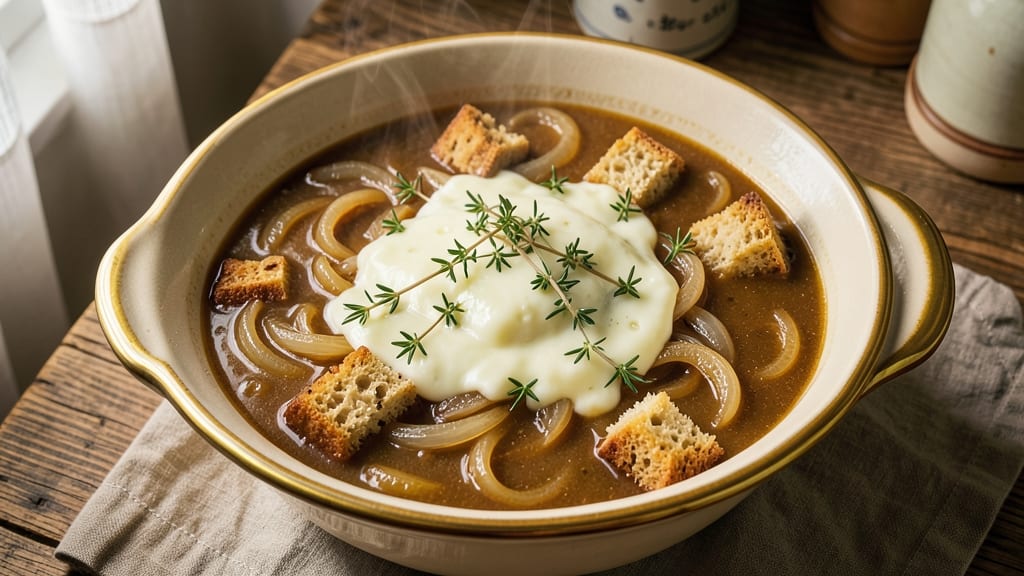
Recreating the Pioneer Woman's onion soup means mastering the art of slow-cooked caramelized onions and a rich, hearty broth that feels like a hug in a bowl.
This recipe delivers that signature deep, sweet onion flavor paired with a perfectly toasted bread crust and melted Gruyère cheese for the ultimate comfort food experience. The secret lies in patience—letting those onions cook for hours until they're golden and jammy creates the foundation for an unforgettable soup.
What sets this version apart is the balance between simplicity and technique. You'll start with a classic beef broth base, then build layers of flavor through slow caramelization of onions and a touch of thyme and garlic.
The bread gets toasted to crispy perfection before being topped with cheese, ensuring every bite delivers that satisfying crunch followed by gooey, melty goodness. This isn't just soup—it's a multi-texture masterpiece that transforms a simple meal into a restaurant-worthy dish.
The result is a bowl of onion soup that's rich, aromatic, and packed with complex flavors—sweet caramelized onions, savory broth, and nutty Gruyère that melts into a golden blanket on top. The toasted bread adds a satisfying crunch that contrasts beautifully with the creamy cheese.
This recipe serves four generously, making it perfect for cozy weeknight dinners or gathering friends for a hearty meal.
Whether you're serving it as a starter or making it the star of the meal, this Pioneer Woman-inspired onion soup delivers restaurant-quality results at home. The technique is straightforward once you understand the key steps, and the payoff is worth every minute of slow cooking.
Let's get started on creating this comforting classic that's become a kitchen staple.
Ingredients for pioneer woman onion soup
Patience and a few quality ingredients transform simple onions into restaurant-worthy soup.
| Ingredient | Amount | Notes |
|---|---|---|
| Yellow Onions 🧅 | 4 large | Peeled and sliced into even rounds |
| Beef Broth 💧 | 6 cups | Homemade or quality store-bought |
| Dry White Wine 🍷 | ½ cup | Chardonnay or Sauvignon Blanc preferred |
| Fresh Thyme 🌿 | 2 sprigs | Stems removed, leaves only |
| Garlic Cloves 🧄 | 4 cloves | Peeled and thinly sliced |
| All-Purpose Flour 🌾 | 2 tbsp | For thickening broth |
| Salt 🧂 | 1 ½ tsp | Kosher or sea salt preferred |
| Black Pepper 🌶️ | ½ tsp | Freshly ground for best flavor |
| Baguette 🍞 | 1 whole | Crust removed, sliced into 1/2-inch pieces |
| Gruyère Cheese 🧀 | 1 ½ cups | Freshly grated, not pre-shredded |
| Extra-Virgin Olive Oil 🫒 | 2 tbsp | For toasting bread |
| Unsalted Butter 🧈 | 2 tbsp | For extra richness |
The onions are the soul of this dish. Yellow onions work best for their sweetness when caramelized, but red onions add color if you prefer. Buy them fresh—store-brand often yields better quality than name brands—and slice them evenly for consistent cooking. The Gruyère cheese should be aged at least 6 months; Whole Foods or specialty cheese shops carry the best selections. For the broth, homemade is ideal, but high-quality store-bought like Knight's or Swanson works in a pinch. The wine adds depth, so don't skimp—any dry white like Sauvignon Blanc or Chardonnay will do.
No white wine? Substitute extra beef broth or apple cider vinegar for acidity. Fresh thyme is non-negotiable here—dried works at half the amount but lacks complexity. The flour is just for thickening; cornstarch works too if you're gluten-sensitive. For the bread, baguettes from a French bakery toast best, but any crusty bread will do. Pre-shredded cheese gets clumpy—always grate your own. The olive oil should be extra-virgin for toasting; regular olive oil lacks the fruity notes that enhance the soup's depth.
Caramelized onions keep for 5 days in the fridge, so make extra. Store them in an airtight container with a splash of broth to maintain moisture. The bread topping should be toasted just before serving—it loses crispness quickly. Leftovers reheat beautifully; just add a splash of broth to restore richness. For meal prep, assemble the soup without the bread topping, store separately, and toast the bread fresh when ready to serve.
Why You'll Love This Recipe
- No Chopping Nightmare: I swear by this recipe because you only need to slice onions—not dice them into oblivion. Big, thick chunks caramelize beautifully while you sip wine and pretend you’re in a Parisian bistro.
- Wine-Paired Magic: That splash of dry white wine? It’s not just fancy—it cuts through the richness of the beef broth and onions, leaving you with layers of savory depth. Honestly, I’ve never tasted onion soup this balanced.
- Crowd-Pleaser Any Day: Whether it’s a chilly Sunday or a last-minute dinner for friends, this soup disappears fast. The thyme and garlic make it feel gourmet, but it’s still my go-to when I’m feeding a houseful of people.
- Budget-Friendly Luxury: Onions and broth are cheap, but the flavor? Pure comfort food gold. I make a double batch, freeze half, and still have leftovers that taste just as good reheated. No waste, all satisfaction.
Step-by-step instructions for Pioneer Woman onion soup
Here's the method for richly caramelized onions and a velvety broth that delivers classic French bistro comfort.
Develop Deep Caramelization in the Onions
Heat the 2 tablespoons extra-virgin olive oil and 2 tablespoons unsalted butter together in a large Dutch oven over medium-low heat. Add the 4 large yellow onions that have been sliced into even rounds. Cook them undisturbed for 15 minutes, stirring only once to redistribute them.
The onions will release moisture and begin to soften. After 15 minutes, reduce heat to low and continue cooking for 45-50 minutes, stirring occasionally. You're aiming for a deep golden brown color—almost amber—that indicates perfect caramelization. This slow process develops complex sweetness that forms the soup's foundation. If the onions start to stick, add a splash of water and scrape up the browned bits from the bottom of the pot.
About 10 minutes before the onions are fully caramelized, add the 4 cloves garlic cloves and 2 sprigs fresh thyme. Stir gently to combine—this infuses their flavors without burning. The garlic should be fragrant but not browned, and the thyme leaves should soften slightly. Remove the thyme sprigs before proceeding.
Build the Rich Broth Base
Increase heat to medium and add the 0.5 cup dry white wine, scraping up any browned bits from the bottom of the pot. Let it simmer for 2-3 minutes until mostly evaporated. This step deepens the flavor by incorporating those concentrated caramelized onion bits.
Stir in the 2 tablespoons all-purpose flour to create a light roux. Cook for 1-2 minutes until the flour loses its raw taste. Slowly whisk in the 6 cups beef broth, stirring constantly to prevent lumps from forming. Bring the mixture to a gentle simmer and cook uncovered for 15-20 minutes until the soup thickens slightly.
Season with 1.5 teaspoons salt and 0.5 teaspoon black pepper, then taste. The broth should be flavorful but balanced—you'll adjust seasoning again later. Here's the thing: if you taste now and it's bland, don't panic. The caramelized onions and cheese will add depth later. For now, just note whether you need to add more salt or pepper as you go.
Prepare and Toast the Baguette
While the soup simmers, remove the crust from the 1 whole baguette using a sharp serrated knife. Slice the crustless bread into ½-inch thick pieces. Heat a dry skillet over medium heat and toast the bread slices for 2-3 minutes per side until golden brown and crisp. This step is crucial—it prevents soggy bread when topped with cheese.
Transfer the toasted bread to a plate and keep it warm. The bread should have a golden crust with a slightly crisp texture. If you're worried about burning, watch closely—the edges will brown first. You can also toast the bread in batches if needed, but don't overcrowd the pan.
Assemble and Melt the Gruyère Topping
Preheat your broiler to high. Transfer the caramelized onion soup to individual oven-safe bowls or a large baking dish. Arrange the toasted baguette slices on top, slightly overlapping them to create a continuous layer. Sprinkle 1.5 cups freshly grated Gruyère cheese evenly over the bread.
Place the assembled soup under the broiler for 2-4 minutes until the cheese is deeply golden brown and bubbling. Watch carefully—cheese burns quickly. The top should have a beautiful, crispy crust with melted cheese pulling away slightly at the edges. This is the moment that matters: perfect timing gives you that signature Gruyère crunch.
Serve Immediately for Maximum Crunch
Remove the soup from the broiler and let it rest for 1-2 minutes before serving. The cheese will continue to melt slightly, creating a gooey contrast with the crispy bread. Serve each portion immediately—this dish is best enjoyed while the cheese is still bubbling hot and the bread maintains its crunch.
Here's what you're aiming for: each bite should deliver layers of flavor—the sweet caramelized onions, the rich broth, the nutty Gruyère, and the crispy bread all working together. If you notice the bread starts to soften too quickly, serve it immediately. The contrast between the warm soup and the crispy cheese-topped bread is what makes this classic so satisfying.
Pro Tips For Making Pioneer Woman Onion Soup
- DON’T RUSH THE ONIONS: The Pioneer Woman recipe calls for caramelizing onions until deep amber—skip the speed, or you’ll end up with bitter, underdeveloped flavor. I used to walk away when they smelled sweet, but they need another 10-15 minutes of low heat simmering in their own juices. Cover the pot loosely with foil (to let steam escape) and stir every 5 minutes—this keeps them from sticking and ensures even browning.
- SALT THE BROTH LIKE THE SEA: If your beef broth tastes bland, don’t assume the wine or thyme will fix it. The Pioneer Woman recipe often uses homemade broth, which can be hit-or-miss. Add an extra ½ teaspoon salt per cup of broth before simmering—it’s easier to adjust later than to salvage a flat soup. (Pro move: Taste the broth before adding wine, so you’re not masking flavor.)
- DEGLAZE WITH WINE, THEN SCRAPE: When you add the white wine to the caramelized onions, don’t just pour and stir—let it bubble for 30 seconds to cook off the alcohol, then use a wooden spoon to scrape up every last bit of browned onion from the pot. That’s where the deep, savory flavor lives. I learned this the hard way when I rushed and ended up with a soup that tasted like it was missing something.
- USE FRESH THYME, BUT DON’T OVERDO IT: The recipe specifies fresh thyme, and for good reason—dried thyme can make the soup taste medicinal. But here’s the catch: a sprig or two is enough. If you’re using stems, strip only the leaves (about 1 teaspoon per serving) and remove them before serving. Overloading turns the soup into a herbal tea, not a rich, beefy base. (I once made this mistake and had to doctor my own bowl with extra broth.)
Common mistakes when making perfect results
Rushing the Onion Caramelization
The biggest mistake I see is rushing the caramelization process. Those onions need 45-50 minutes on low heat to develop that deep, sweet flavor—skipping this step results in bland, underdeveloped onions.
I’ve learned the hard way: when I cranked up the heat to speed things along, the onions burned before they caramelized. Patience is key—the longer they cook, the more complex the flavor becomes. 🌡️
Skipping the Wine Deglaze
Many recipes call for wine, but people often skip this crucial step. The ½ cup dry white wine isn’t just for flavor—it helps scrape up those precious browned bits from the bottom of the pot (fond), which are packed with deep umami flavor.
Without it, your soup will taste flat. If you’re avoiding alcohol, substitute with apple cider vinegar or extra broth, but don’t skip the deglazing entirely.
Overcrowding the Pan
When toasting the baguette slices, it’s tempting to pile them all in the pan at once. Big mistake. Overcrowding steams the bread instead of toasting it, leading to soggy, sad slices.
Toast them in single layers for 2-3 minutes per side—this ensures a crispy, golden crust that holds up under the melted cheese. I’ve ruined more than one batch by skipping this step. 🍞
Using Pre-Shredded Cheese
Pre-shredded cheese is convenient, but it’s also packed with anti-caking agents that prevent that perfect, gooey melt. Always grate your own Gruyère—freshly grated cheese melts smoothly and creates that beautiful, bubbly crust.
If you’re in a pinch, use block cheese and shred it yourself. The difference in texture and flavor is night and day.
Broiling Too Long
That golden, bubbly cheese topping is tempting to watch, but it burns faster than you think. 2-4 minutes under the broiler is all it takes—any longer, and you’ll end up with a bitter, burnt crust instead of a creamy, melty blanket.
Keep an eye on it and remove it as soon as it’s deeply golden. The cheese will continue melting slightly after you take it out, so don’t wait for it to pull away completely.
Ignoring the Resting Time
After broiling, it’s tempting to dive in immediately, but letting the soup rest for 1-2 minutes allows the cheese to set slightly and the bread to crisp up again. Skipping this step means the first bite will be too soft, and the cheese won’t have that perfect pull-apart texture.
Trust me—those extra minutes make all the difference. ✨
Nutrition facts
Frequently asked questions
Can I make this onion soup ahead of time?
Prepare the caramelized onions up to 5 days in advance and store them in an airtight container with a splash of broth. Reheat the soup gently, then toast the bread and add cheese just before serving to maintain that perfect crunch. The onions will keep their sweetness better when refrigerated.
What can I substitute for Gruyère cheese?
Gruyère is ideal for its nutty flavor and melt, but you can use Comté or Emmental in a pinch. For a vegetarian option, try vegan Gruyère or a mix of sharp cheddar and Parmesan. Just grate it fresh—pre-shredded cheese won't melt as beautifully.
How do I fix soup that's too thin?
If your soup isn't thick enough, mix 1 tablespoon cornstarch with 2 tablespoons cold water and stir it into the simmering soup. Cook for 3-5 minutes until it thickens. Avoid adding flour directly—it can make the soup cloudy. For extra richness, stir in a pat of butter at the end.
Can I make this soup vegetarian?
Yes! Replace the beef broth with vegetable broth and add 1 cup mushrooms (sautéed with the onions) for depth. Use vegetarian Gruyère or a plant-based alternative. The caramelization process remains the same—just ensure your broth has enough umami flavor.
Why did my bread get soggy?
Soggy bread usually happens from overcrowding during toasting or serving the soup too soon. Always toast bread in single layers and broil the cheese topping for just 2-4 minutes. Let the soup rest 1-2 minutes after broiling—this helps the cheese set and the bread re-crisp slightly.