
Soups & Stews
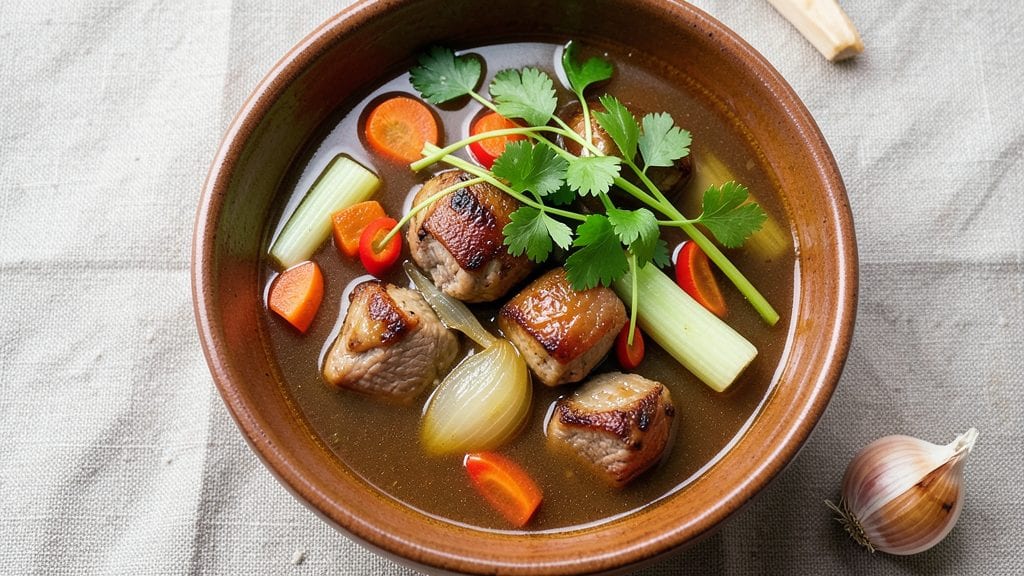
This rabbit soup recipe delivers the deep, earthy comfort of French countryside cooking, where tender rabbit meat transforms into a rich, aromatic broth infused with carrots, celery, and aromatic herbs.
The secret lies in slow simmering—allowing the rabbit to develop a melt-in-your-mouth tenderness while the vegetables caramelize into sweet, savory depth. I first made this version during a cold winter when I wanted to recreate the rustic flavors of a French bistro, and it became an instant family favorite.
What sets this recipe apart is the balance between tradition and adaptability—whether you follow the classic method with white wine and thyme or add modern twists like a splash of cognac for complexity.
The rabbit is first browned to develop a rich crust, then simmered for hours until the meat falls apart effortlessly. The broth, reduced to a velvety consistency, carries layers of herbal notes that make every spoonful feel like a hug on a chilly evening.
By the time you serve this soup, you’ll have a steaming bowl of comfort food at its finest—golden broth dotted with tender rabbit, silky carrots, and aromatic herbs.
The texture is where this dish truly shines: crisp edges on the vegetables contrast with the melt-in-your-mouth rabbit, while the broth coats your spoon with every sip.
It’s the kind of meal that turns an ordinary dinner into a memorable experience, especially when paired with crusty bread to soak up every last drop.
Though traditionally made with rabbit, this recipe can easily be adapted for vegetarians by using a hearty mushroom and vegetable broth in place of the meat. The technique remains the same—slow simmering to build depth—so the result is just as satisfying, whether you’re honoring tradition or exploring a plant-based twist.
Let’s get cooking!
Ingredients for rabbit soup
Rabbit, carrots, celery, and herbs—simple ingredients for French countryside comfort.
| Ingredient | Amount | Notes |
|---|---|---|
| Rabbit Meat 🐇 | 2 lb | Bone-in, cut into 2-inch pieces |
| Carrots 🥕 | 1 ½ lb | Whole, peeled, cut into chunks |
| Celery Stalks 🧅 | 4 whole | Trimmed, cut into 1-inch pieces |
| Yellow Onion 🧅 | 1 whole | Peeled, quartered |
| Garlic Cloves 🧄 | 4 cloves | Peeled, smashed |
| Dry White Wine 🍷 | 1 cup | Sauvignon Blanc preferred |
| Fresh Thyme 🌿 | 2 tbsp | Leaves only, chopped |
| Fresh Parsley 🌿 | ¼ cup | Leaves only, chopped |
| Chicken Stock 💧 | 4 cups | Homemade or quality store-bought |
| Olive Oil 🫒 | ¼ cup | Extra-virgin for richness |
| Salt 🧂 | 1 ½ tsp | Kosher or sea salt |
| Black Peppercorns 🌶️ | ½ tsp | Freshly cracked |
| Bay Leaves 🌿 | 2 whole | Fresh preferred |
| Cognac or Brandy 🍷 | ¼ cup | Optional, for depth |
Rabbit is the star here, so look for bone-in pieces—they add depth to the broth. Most specialty butchers or Whole Foods carry it fresh or frozen. If you can't find rabbit, chicken thighs work in a pinch (use 2 lbs), though the flavor won't be identical. The carrots and celery should be firm and vibrant—no wilted or rubbery stalks. Fresh thyme and parsley make all the difference, but dried will work if that's what you've got (use half the amount). For the wine, Sauvignon Blanc is classic, but any dry white will do.
No white wine? Substitute extra chicken stock—just add 1 cup more. Fresh herbs wilt fast, so store them in damp paper towels in the fridge. The cognac is optional but adds a luxurious touch—skip it if you're avoiding alcohol. For the stock, homemade is ideal, but Kirkland Signature or Pacific Foods are great store-bought options. If your carrots are large, cut them into 1-inch chunks—they'll caramelize beautifully during the long simmer.
This soup tastes even better the next day—plan ahead. Store in an airtight container in the fridge for 4-5 days or freeze for 3 months. I like to portion it into individual containers so I can grab a bowl for lunch without reheating the whole pot. The broth reduces as it cools, so you might need to add a splash of water or stock when reheating. Serve with crusty bread to soak up every last drop.
Why You'll Love This Recipe
- Foolproof Simplicity: Honestly, I’ve made this soup on nights when I’m too tired to think—just brown the rabbit pieces in one pot, toss in chopped veggies, and let it simmer. No fancy techniques, no stress.
- Rich, Earthy Depth: That first bite? The rabbit’s tender meat soaks up the carrot and onion sweetness while the garlic cloves add a slow-building warmth. It’s the kind of flavor that lingers, not just in your mouth but in your memory.
- Leftovers That Shine: Between us, this soup actually tastes better the next day. I’ll make a big batch on Sunday, freeze half, and reheat it for a cozy weeknight—no one guesses it’s not fresh.
- Budget-Friendly Protein: Rabbit is lean, affordable, and packs serious flavor punch—way more satisfying than expensive cuts of meat. Plus, the carrots and celery stretch every ingredient into hearty portions. My wallet thanks me.
Step-by-step instructions for rabbit soup
This earthy rabbit soup transforms simple ingredients into a rich, comforting dish with herbal depth.
Sear the Rabbit Meat for Depth
Build the Aromatic Vegetable Base
Deglaze and Infuse with Liquids
Simmer and Infuse the Herbs
Finish with Fresh Herbs and Serve
Pro Tips For Making Rabbit Soup
- Brown the Rabbit First: Skip the slow simmer until everything’s in the pot—sear the rabbit pieces in batches over medium-high heat until they’re deeply golden. This isn’t just for flavor; it builds a crust that locks in moisture and keeps the meat from turning mushy later. (Yes, it takes longer upfront, but your soup won’t taste like boiled rabbit.)
- Trim the Celery Properly: Don’t just chop celery stalks into random bits—split them lengthwise and slice thinly, including the tougher core. The strings dissolve into the broth, adding subtle earthiness, while the bright green bits keep the soup from tasting like a vegetable graveyard. (I used to toss the cores—big mistake.)
- Control the Heat Early: Let the soup boil hard for the first 10 minutes to extract flavors, then drop to a simmer. Rabbit meat finishes faster than you think, and a rolling boil will turn it to rubber. After that, keep it at a gentle simmer—any higher, and your carrots will turn to mush before the meat’s done.
- Use Cold Water for Carrots: Add carrots and celery to cold water before bringing the soup to a boil. The sudden heat shock prevents them from leaching starch into the broth, which clouds the liquid and makes it taste thin. (Sounds weird, but it works—my grandmother swore by it, and she was right.)
Wine and beer pairings for rabbit soup
French White Wine
For this rabbit soup, a crisp Sauvignon Blanc or Chardonnay from the Loire Valley is ideal—think Vouvray or Muscadet. The bright acidity cuts through the richness of the rabbit while complementing the herbal notes.
I love Domaine Huet Vouvray for its mineral finish that echoes the earthy carrots. Serve slightly chilled to let the wine’s freshness contrast the warm soup. 🍷
Rich Red Wine
If you prefer red, a Pinot Noir from Burgundy or Oregon brings subtle fruitiness that pairs beautifully. Look for Domaine Drouhin Oregon Pinot Noir—its red berry notes harmonize with the thyme and rabbit.
The lighter body won’t overpower the soup’s delicate flavors. Avoid heavy Cabernets or Syrahs that could clash with the herbal profile.
Beer Pairings
A Belgian witbier like Hoegaarden or St. Bernardus Wit works wonderfully—the citrusy notes and effervescence cleanse your palate between spoonfuls. For a heartier option, try a German Helles Lager like Weihenstephaner Original. Avoid heavy stouts or IPAs, which would compete with the soup’s depth. 🍺
Cognac or Brandy
The recipe already includes cognac or brandy for depth, but if you want to enhance the pairing, sip a Cognac like Hennessy VS alongside. Its caramel and vanilla notes mirror the soup’s slow-cooked richness.
For a budget-friendly option, Courvoisier VSOP delivers similar complexity. The nutty undertones complement the rabbit’s gamey flavor.
Non-Alcoholic Options
For a non-alcoholic match, try sparkling apple cider like Martinelli’s—its crisp acidity and slight sweetness balance the soup’s earthiness. Alternatively, a ginger beer adds a zesty contrast. For a more sophisticated choice, non-alcoholic red wine like Freixenet 0.0% offers depth without alcohol’s bite. ✨
Nutrition facts
Frequently asked questions
Can I substitute chicken for rabbit in this recipe?
Yes, but expect a different flavor profile. Use 2 lbs chicken thighs instead of rabbit, and increase the simmering time to 60 minutes for tenderness. Chicken lacks rabbit's gamey depth, so boost flavor with an extra 0.5 cup cognac or 1 tbsp soy sauce for umami. The texture will be slightly less rich, but still delicious!
How do I make this rabbit soup vegetarian?
Replace the rabbit with 1.5 lbs mushrooms (shiitake or cremini) and 1 lb firm tofu or tempeh. Use 4 cups vegetable broth instead of chicken stock, and add 1 tbsp miso paste for depth. The simmering time reduces to 30 minutes—just enough to meld flavors without overcooking the vegetables. The herbal notes will shine even brighter!
Why does my rabbit soup taste bland after simmering?
Blandness usually means insufficient seasoning or underdeveloped flavors. First, ensure you deglazed the pan thoroughly after browning the meat—those browned bits are flavor gold! Second, taste as you go: add 1 extra bay leaf or 0.5 tsp smoked paprika for depth. Finally, reduce the broth by 25% on the stove top (uncovered) to concentrate flavors. Patience is key—simmer longer if needed!
Can I prepare this soup ahead of time?
This soup tastes even better the next day. Store in an airtight container in the fridge for 4-5 days or freeze for 3 months. Reheat gently on low heat, adding a splash of water or stock if the broth thickens too much. The flavors deepen overnight, making it perfect for meal prep or holiday gatherings!
What’s the best way to serve rabbit soup?
Serve in warm bowls with crusty bread or baguette slices for dipping. Garnish with extra chopped parsley and a drizzle of truffle oil (optional) for elegance. For a rustic touch, add a sprinkle of grated Parmesan or crumbled feta. Pair with a crisp white wine or sparkling cider—every spoonful deserves a perfect match!