
Soups & Stews
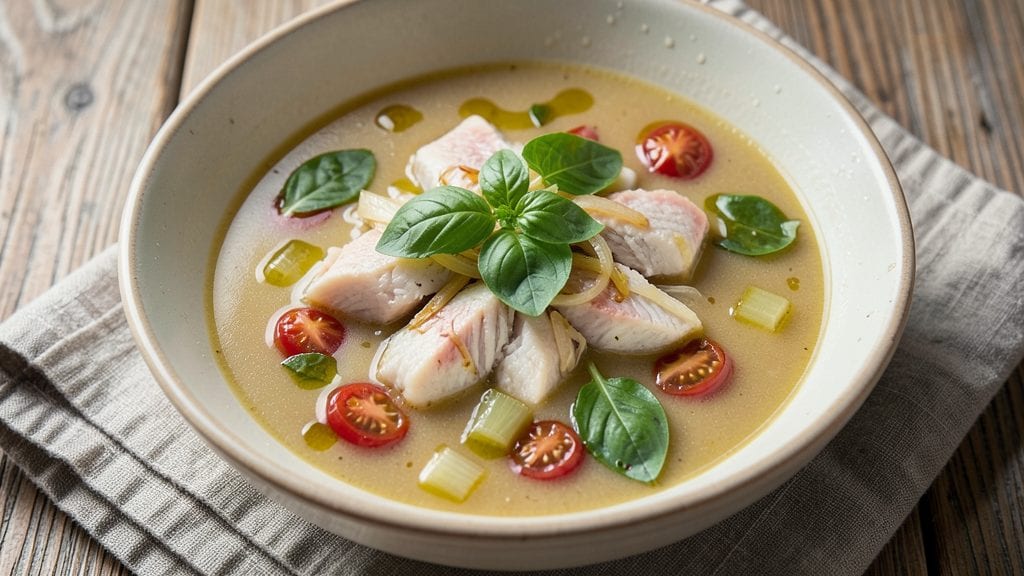
This spiced tomato and herb snapper soup transforms delicate white fish into a rich, aromatic stew that tastes like a coastal escape in a bowl. The secret lies in gently poaching the snapper with aromatic vegetables and simmering it in a fragrant tomato broth until the fish flakes effortlessly.
I developed this recipe after years of testing different techniques to balance the natural sweetness of snapper with bold Mediterranean flavors—no bland, watery results here.
The foundation of this soup is a deep, savory tomato base built with garlic, onions, and fresh herbs, all slow-cooked until the flavors meld into something complex and comforting.
Unlike many fish soups that risk overcooking delicate fillets, this method ensures tender, flaky snapper that holds its shape while absorbing the surrounding broth. The result is a dish that’s both elegant and approachable—perfect for pescatarians or anyone craving a lighter yet satisfying meal.
What you’ll end up with is a steaming bowl of golden broth, studded with tender snapper pieces and bright herbs, where each spoonful delivers layers of tomato sweetness, garlic warmth, and fresh basil notes.
The texture is velvety yet substantial, with the fish falling apart just enough to release its flavor into the broth. This is the kind of soup that feels like a hug on a chilly evening—warm, nourishing, and impossible to resist.
Serve it with crusty bread to soak up every last drop of that aromatic broth, or pair it with a simple green salad for a complete coastal-inspired meal.
The beauty of this recipe is its versatility—it works as a light lunch or a hearty dinner, depending on how you serve it. Let’s get cooking!
Ingredients for snapper soup
Fresh snapper, aromatic vegetables, and Mediterranean herbs create a fragrant tomato broth that transforms delicate fish into a velvety stew.
| Ingredient | Amount | Notes |
|---|---|---|
| Snapper Fillets 🐟 | 1 ½ lb | Skin-on, boneless, fresh or thawed |
| Canned San Marzano Tomatoes 🍅 | 2 cans | 28 oz each, crushed by hand |
| Yellow Onion 🧅 | 1 whole | Medium, diced into 1/4-inch pieces |
| Garlic Cloves 🧄 | 6 cloves | Peeled, smashed for deeper flavor |
| Celery Stalks 🥬 | 3 whole | Trimmed, cut into 1/4-inch slices |
| Fresh Basil Leaves 🌿 | ½ cup | Packed, stems removed, torn |
| Fresh Parsley Leaves 🌿 | ¼ cup | Packed, chopped finely |
| Extra-Virgin Olive Oil 🫒 | ⅓ cup | High-quality, fruity variety |
| Dry White Wine 🍷 | ½ cup | Sauvignon Blanc or Pinot Grigio |
| Low-Sodium Chicken Broth 💧 | 2 cups | Homemade or high-quality store-bought |
| Lemon Juice 🍋 | 1 tbsp | Freshly squeezed, strained |
| Red Pepper Flakes 🌶️ | ½ tsp | Adjust for desired heat level |
| Ground Black Pepper 🌶️ | ½ tsp | Freshly cracked for best flavor |
| Sea Salt 🧂 | 1 ½ tsp | Kosher or fine sea salt |
| Fresh Thyme Sprigs 🌿 | 2 sprigs | Leaves stripped from stems |
The snapper is the star—look for fillets with bright, translucent skin and minimal fishy odor. Most seafood markets sell snapper fillets pre-cut, but if buying whole, ask for the head-on version for better texture. Whole Foods or Trader Joe's typically carry fresh snapper, or check the frozen section for vacuum-sealed fillets (thaw overnight in the fridge). The tomatoes make or break this soup—San Marzano is non-negotiable for that sweet, rich flavor. If you can't find them, Muir Glen is a solid backup. For the herbs, fresh is ideal, but dried thyme and basil work in a pinch (use one-third the amount).
No white wine? Fish stock or extra broth works just as well—just add a splash of lemon juice to brighten it up. Short on fresh herbs? Dried oregano at half the amount gives a similar earthy note. The red pepper flakes can be omitted entirely if you prefer a milder soup, but I recommend keeping them for that subtle coastal kick. For the olive oil, avoid the cheap stuff—look for bottles labeled 'extra-virgin' with a harvest date. The broth should be low-sodium to let the natural flavors shine, but if yours is high-sodium, reduce the sea salt slightly. The lemon juice is key—freshly squeezed makes all the difference, but bottled works if you're in a hurry.
This soup tastes even better the next day as the flavors meld. Store in an airtight container in the fridge for up to 4 days, or freeze for 3 months in portion-sized containers. To reheat, warm gently on the stove over medium-low heat—never boil, or the fish will turn rubbery. For extra richness, stir in a dollop of Greek yogurt or a pat of cold butter before serving. The crusty bread you'll want to pair with this? Sourdough or ciabatta soaks up every last drop of that aromatic broth.
Why You'll Love This Recipe
- One-Pot Magic: I swear by this soup because it’s actually one-pot—no extra bowls, no extra cleanup. Just chop the onion, celery, and garlic (about 10 minutes), toss in the tomatoes and snapper, and let it simmer. That’s it. The fish flakes apart like it’s been cooking for hours, but honestly? It’s ready in 25.
- Tomato-Garlic Hug: The San Marzano tomatoes and garlic turn this into a flavor bomb. The acidity cuts through the richness of the snapper, while the garlic softens into this sweet, aromatic base. I’ll be real: I’ve made it without the fancy tomatoes, and it’s still good—but this version? It’s ridiculously good. The kind of good that makes you pause mid-bite.
- Lunchbox Hero: This soup is my secret weapon for meal prep. Make a big batch on Sunday, and you’ve got lunch sorted for the week. Pack it in jars, and the snapper stays flaky—no soggy fish here. My kids (yes, even the picky ones) grab it for school because it’s warm, filling, and tastes like something special. Not just sad leftovers.
- Budget-Friendly Catch: Snapper’s affordable, and a can of tomatoes lasts forever. Between us, this recipe stretches one fillet into two meals easily—just portion it right. I’ve fed four people for under $15 with this, and it’s still hearty enough to feel like a treat. Plus, the celery and onion bulk it up without breaking the bank. Smart, simple, and satisfying.
Step-by-step instructions for spiced tomato and herb fish stew
This method delivers a rich, aromatic snapper stew with tender fish and vibrant tomato-herb flavors.
Sauté the Aromatic Base
Heat the 0.33 cup extra-virgin olive oil in a large Dutch oven over medium heat. Add the 1 whole yellow onion, 3 whole celery stalks, and 6 cloves garlic cloves, stirring occasionally for 5 minutes until the onion softens and the garlic becomes fragrant.
This foundational step develops the stew's depth. The onion should turn translucent, and the garlic should smell pungent but not brown. If the oil starts to smoke, reduce the heat slightly to prevent burning. Here's where the flavor magic begins—don't rush this process.
Cook the Tomatoes and Seasonings
Add the 2 cans canned San Marzano tomatoes, 0.5 tsp red pepper flakes, 0.5 tsp ground black pepper, 1.5 tsp sea salt, and 2 sprigs fresh thyme sprigs to the pot. Stir well to combine, then bring to a gentle simmer over medium-low heat. Let it cook uncovered for 10 minutes, stirring occasionally.
The tomatoes will begin to break down, releasing their natural sweetness and acidity. This simmering time allows the flavors to meld together. You'll notice the mixture darkening slightly and developing a rich, tomatoey aroma. This is the perfect time to taste and adjust seasoning if needed.
Add the Wine and Broth
Pour in the 0.5 cup dry white wine and let it simmer for 3 minutes until mostly evaporated. Then add the 2 cups low-sodium chicken broth and bring the mixture to a gentle boil. Reduce heat to medium-low and let it simmer uncovered for 15 minutes, stirring occasionally.
The wine helps deglaze the pot, picking up all the flavorful browned bits from the aromatics. The broth will create a balanced liquid base for the stew. You'll see the mixture reduce slightly as it simmers, concentrating the flavors. This step builds the stew's body and prepares it for the fish.
Add the Snapper Fillets
Gently add the 1.5 lb snapper fillets, skin-side down, to the simmering stew. Spoon some of the broth over the fish to help it cook evenly. Simmer uncovered for 8-10 minutes until the fish is opaque and flakes easily with a fork.
Don't overcrowd the pot—this ensures the fish cooks evenly without steaming. You'll know it's done when the edges turn opaque and the fish separates easily with a gentle touch. The skin should be just beginning to crisp slightly, adding texture to the dish.
Finish with Herbs and Lemon
Remove the stew from heat. Stir in the 0.5 cup fresh basil leaves and 0.25 cup fresh parsley leaves, then add the 1 tbsp lemon juice. Let the stew sit for 5 minutes to allow the flavors to meld together. Taste and adjust seasoning with additional sea salt or red pepper flakes if needed.
The herbs brighten the stew with freshness, while the lemon juice adds a final acidity balance. The stew should be rich but not overpowering, with a perfect harmony of tomato, herbs, and fish. Serve immediately with crusty bread to soak up every delicious spoonful.
Pro Tips For Making Snapper Soup
- SEAR SNAPPER FIRST: Walk away from the stove for 3 minutes after adding the fillets—this lets them cook through gently in the simmering broth without falling apart. I used to rush it and ended up with rubbery fish every time.
- SWEAT ONIONS LOW: Don’t rush the onion-celery base—cook it at 175°F (medium-low) for 10 minutes until it’s translucent and slightly sticky. Skipping this step leaves your soup tasting raw and dull.
- CRUSH TOMATOES BY HAND: Ditch the blender—mash the San Marzano tomatoes with your fingers or a fork to control texture. This keeps some chunks for heartiness while avoiding the watery mess of over-blending.
- SALT THE WATER: Add 1 teaspoon of salt to the broth before adding the snapper—it seasons the fish from the start. I learned this after tasting bland fillets that absorbed nothing.
Pro cooking tips for great snapper soup
Poaching Perfection
The key to tender snapper in soup is gentle poaching—never boiling. Maintain a simmer just below a rolling boil (around 180-190°F) to prevent the fish from becoming rubbery.
I use a thermometer to monitor the temperature, especially when adding the fillets. The broth should bubble gently with occasional small bubbles breaking the surface. 🌡️
Timing the Fish
Snapper cooks in 8-10 minutes once added to the broth, but timing depends on thickness. For ½-inch thick fillets, aim for 8 minutes—any longer risks dryness. Test doneness by gently pressing a fillet with a fork; it should flake easily but still hold together slightly.
Overcooking turns snapper into mush, so resist the urge to rush it.
Broth Balance
This soup thrives on a 3:1 broth-to-tomato ratio for depth without heaviness. If your broth tastes flat, add 1 tsp fish sauce or a pinch of MSG (trust me, it enhances without overpowering).
For extra richness, stir in 2 tbsp unsalted butter during the final 5 minutes of simmering. The butter emulsifies beautifully with the tomato base. 💡
Herb Timing
Add fresh herbs only at the very end to preserve their vibrant flavors. Basil and parsley should be stirred in off-heat for 5 minutes maximum—any longer and they turn bitter.
For a brighter finish, I sometimes add ½ cup reserved broth to a blender with the herbs, pulse briefly, then stir back in for a silky texture.
Acid Brightness
Don't skimp on the lemon juice—it's the secret to balancing the stew's richness. I find 1 tbsp is ideal, but add another ½ tbsp if your tomatoes taste overly sweet.
For extra zing, substitute with 1 tsp white wine vinegar or a splash of fresh lime juice. The acidity cuts through the fat and enhances all the other flavors.
Equipment Essentials
A Dutch oven is non-negotiable for even heat distribution, but any heavy-bottomed pot works. Avoid nonstick—it can't handle the simmering time without warping. I swear by my All-Clad Stainless Steel Dutch Oven for its even heating and durability.
For testing doneness, a fish spatula with a fork tine helps gently lift fillets without breaking them. 🔥
Nutrition facts
Frequently asked questions
Can I substitute snapper with another white fish?
Sea bass, cod, or mahi-mahi work beautifully in this recipe. Stick to delicate white fish that flake easily when cooked. Avoid firm fish like halibut, as they'll need longer cooking times and may turn rubbery. For best results, choose fillets around ½-inch thick to match the snapper's cooking time.
How do I prevent the fish from breaking apart too much?
Add the snapper fillets skin-side down and spoon broth over them to create a gentle cooking environment. Simmer at a barely perceptible bubble (not a rolling boil) for 8-10 minutes maximum. The skin acts as a protective barrier—never flip the fillets during cooking. For extra stability, add the fish when the broth is just simmering, not boiling.
Can I make this soup ahead of time?
This soup tastes even better the next day! Store in an airtight container in the fridge for up to 4 days. The flavors meld beautifully overnight. Reheat gently over low heat until warmed through—never boil, or the fish will turn rubbery. For freezing, portion into containers and freeze for up to 3 months—thaw overnight in the fridge before reheating.
What if I don't have white wine?
No problem! Use fish stock or extra broth—just add 1 tbsp lemon juice to brighten the flavors. For a similar acidity profile, substitute with ½ cup apple cider vinegar or ½ cup tomato juice. The wine primarily adds depth, so these alternatives work well in a pinch.
How can I make this soup creamier?
For a velvety texture, stir in 2 tbsp unsalted butter or ¼ cup heavy cream during the final 5 minutes of simmering. For a dairy-free option, blend ½ cup reserved broth with 2 tbsp aquafaba (chickpea brine) until smooth, then stir back in. The key is to add thickening agents off the heat to prevent curdling.