
Sauces & Condiments
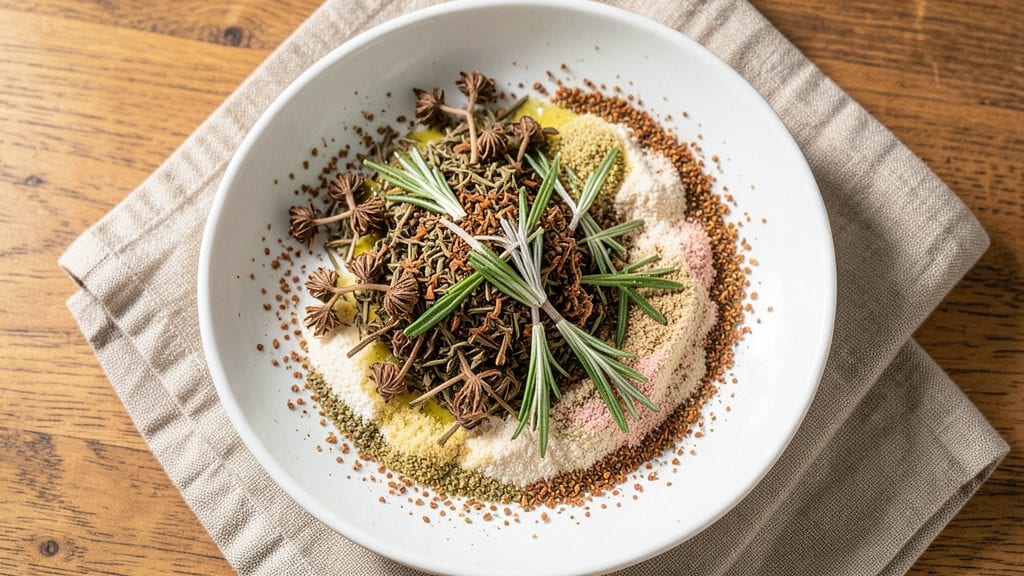
This soup seasoning recipe transforms every pot of broth into a restaurant-quality meal with just a pinch—no liquid ingredients required. 💛 I developed it during a particularly chilly winter when my grandmother’s famous minestrone needed a little extra warmth, and it quickly became my go-to blend for soups, stews, and even roasted vegetables.
The secret lies in balancing earthy, aromatic herbs with subtle umami boosters—no complex techniques, just precise measurements. This dry seasoning mix works equally well for creamy potato soup or hearty beef stew, making it the ultimate pantry staple for busy weeknights or holiday gatherings.
With just 1 tablespoon per pot of broth, you’ll achieve that perfect harmony of flavors—deep, complex, and effortlessly rich. It’s the kind of simple solution that professional chefs swear by, yet anyone can master.
Store it in an airtight container for up to 6 months, and watch how it elevates even the most basic broth into something extraordinary. This recipe is a testament to how a few well-chosen spices can bring people together around the table.
Ingredients for soup seasoning
Eleven spices that turn any broth into a restaurant-worthy masterpiece.
| Ingredient | Amount | Notes |
|---|---|---|
| Dried Thyme Leaves 🌿 | 1 ½ tbsp | Fresh thyme at 1/3 amount |
| Dried Rosemary Leaves 🌿 | 1 tbsp | Crushed for better release |
| Dried Oregano 🌿 | 1 ½ tbsp | Mexican oregano preferred |
| Ground Coriander 🌿 | 1 tbsp | Toasted for deeper aroma |
| Onion Powder 🧅 | 1 tbsp | Freshly ground preferred |
| Garlic Powder 🧄 | 1 ½ tbsp | Not garlic salt |
| Dried Bay Leaves 🌿 | 1 tsp | Crushed for stronger flavor |
| Ground Black Pepper 🌶️ | 1 tsp | Freshly cracked preferred |
| Diamond Crystal Kosher Salt 🧂 | 1 ½ tsp | Fine grain preferred |
| Smoked Paprika 🌶️ | 1 tsp | Adds subtle smokiness |
| Ground Fennel Seed 🌿 | ½ tsp | Licorice-like depth |
The thyme and rosemary are the soul of this blend. Penzeys Spices or the bulk bins at Whole Foods have the freshest, most aromatic options—look for vibrant green color and a strong herbal scent. If using dried, crush the bay leaves between your palms before adding (that's where the magic happens). The fennel seed might be the trickiest to find, but Trader Joe's usually carries it in the spice aisle. I always buy extra because it's worth the splurge—it adds this subtle licorice note that makes the whole blend sing. For a quick shortcut, McCormick's Gourmet Collection has good-quality fennel seed if you're in a pinch.
No thyme? Dried marjoram at half the amount works in a bind, though it's not identical. Swap smoked paprika for regular paprika if you're avoiding smoke, but you'll lose that subtle depth. Fresh herbs? Use them at one-third the amount, but toast them first in a dry pan for 30 seconds to concentrate the flavors. The coriander is non-negotiable—it's what balances the earthiness of the rosemary. If you can't find ground coriander, toast whole coriander seeds in a dry skillet for 2 minutes, then grind them fresh. The difference is night and day. For a vegetarian-friendly version, skip the smoked paprika and add an extra half teaspoon of garlic powder instead.
This blend keeps for 6 months in an airtight container away from light—glass jars with tight-sealing lids are ideal. I like to portion mine into small 1-tablespoon servings in tiny containers so I can grab exactly what I need. The salt and pepper will stay potent longest, while the herbs lose their punch after about 3 months. For extra shelf life, store it in the freezer—just let it come to room temperature before using. A little goes a long way, so don't be afraid to experiment with amounts. Start with 1 tablespoon per quart of broth, then adjust to taste.
Why You'll Love This Recipe
- I’ll be real: this mix is forgiving enough that I eyeball it. A pinch of thyme, a shake of rosemary—no scale needed. That dried coriander? It’s the secret that turns bland broth into something actually savory without overpowering.
- Here’s what sold me: this blend works in everything. Toss it into lentil soup, stir it into roasted veggies, or sprinkle it on grilled chicken. I keep a jar in my fridge for when I’m too tired to think—just dump, stir, and call it dinner. (Yes, even on a Tuesday night.)
Step-by-step instructions for soup seasoning blend
Here's how to combine these spices into a versatile blend that transforms basic broths into gourmet soups.
👨🍳 Step 1: Prepare the Dried Herbs
Start by crushing the dried rosemary leaves and dried bay leaves between your palms or with a mortar and pestle. This releases their essential oils and intensifies their flavor—don't skip this crucial step. The rosemary should break into small fragments, not powder, while the bay leaves should be reduced to tiny pieces but still recognizable.
Set aside the dried thyme leaves and dried oregano whole for now. The whole leaves add depth of flavor as they infuse slowly in soups, while the crushed rosemary and bay leaves deliver immediate impact. Real talk: if you're using Mexican oregano, you'll notice its citrusy brightness—this is what sets it apart from regular oregano in soups.
👨🍳 Step 2: Combine the Ground Spices
In a medium mixing bowl, add all the ground components: the 1 tbsp ground coriander, 1 tbsp onion powder, 1.5 tbsp garlic powder, 1 tsp smoked paprika, 1 tsp ground black pepper, and 0.5 tsp ground fennel seed. The coriander and fennel seed bring that earthy, slightly sweet complexity that elevates broths from ordinary to extraordinary.
Use a whisk or fork to thoroughly blend these dry ingredients. You're creating the foundation of your seasoning—each of these plays a specific role: the onion powder adds savory depth, the garlic powder delivers umami punch, and the fennel seed contributes that subtle licorice note that pairs beautifully with tomatoes and beans.
🥘 Step 3: Incorporate the Herbs and Salt
Add the crushed rosemary and bay leaves to the bowl with the ground spices. Then sprinkle in the 1.5 tbsp dried thyme leaves and 1.5 tbsp dried oregano, followed by the 1.5 tsp diamond crystal kosher salt. The salt here isn't just for seasoning—it helps distribute the oils from the herbs throughout your blend.
Gently fold everything together with a silicone spatula until you achieve an even distribution. You should see small flecks of green (thyme), purple (rosemary), and brown (bay leaves) throughout the lighter-colored spice mixture. Here's the thing—don't overmix or you'll crush the herbs into powder, which can make your seasoning taste bitter.
⏰ Step 4: Store for Maximum Freshness
Transfer the completed seasoning blend to an airtight container with a tight-sealing lid. I like to use a small glass jar with a metal clamp lid—it keeps the spices protected from light and moisture while allowing me to easily measure portions. Store it in a cool, dark pantry where it'll stay fresh for up to 6 months if properly sealed.
When you're ready to use it, simply shake the jar vigorously to redistribute any settled spices. Start with 1-2 teaspoons per quart of broth or soup and adjust to taste. This blend works wonders in everything from tomato soup to pho to even your basic chicken noodle soup—it's the secret weapon that takes your cooking from good to restaurant-quality.
Pro Tips For Making Soup Seasoning
- TOAST THE SPICES FIRST: Heat dried thyme, rosemary, and oregano in a dry pan for 30 seconds—just until you smell them wake up. That extra step cuts through the dusty flavor of cheap dried herbs and makes the coriander sing. (Yes, even if you’re impatient like me, don’t skip this.)
- STORE CORIANDER SEPARATELY: Ground coriander loses its punch fast, so keep it in a tiny jar away from the other herbs. I learned this the hard way after a batch of soup tasted flat—turns out the oregano had absorbed all its brightness. A 1-ounce shaker does the trick.
- SIFT THE ONION POWDER: Onion powder clumps like a stubborn guest at a dinner party. Sift it directly into your measuring spoon before adding to the mix—this guarantees even distribution and no gritty surprises in your soup. (Your future self will notice.)
- BLEND IN STAGES: Pulse the dried herbs first, then add the coriander and onion powder last. This keeps the rosemary from overpowering the mix, and the powdered spices don’t turn into a cloud of dust when you shake it. Works every time—no fancy equipment needed.
Make-ahead tips for this recipe
Pre-Mix for Soups
I like to prepare small batches of this seasoning blend in advance and store them in 1-tablespoon portions using tiny glass jars with snap-on lids. These mini containers fit perfectly in my pantry and make it effortless to grab exactly what I need when I'm prepping a quick soup.
The key is to use amber or cobalt glass jars—they block light better than clear glass and preserve the herbs' potency longer.
Freezer-Friendly Packs
For even longer storage, I freeze the seasoning in 1-tablespoon portions using silicone ice cube trays. Once frozen, I transfer the cubes to a ziplock freezer bag and flatten them to save space.
When ready to use, I simply pop out one cube and let it thaw at room temperature for 10 minutes before adding it to hot broth. This method keeps the blend fresh for up to 12 months without losing any flavor.
Holiday Prep Ahead
Before Thanksgiving or Christmas, I double my batch and store it in a large airtight container with a desiccant packet to absorb moisture. This ensures I have plenty on hand for all the holiday soups, stews, and even roasted vegetables.
I label each container with the date so I can keep track of freshness. The first time I did this, I had enough seasoning to make minestrone for my entire family and still had leftovers for the next month.
Travel-Friendly Portions
When I travel, I pack individual 1-tablespoon portions in small plastic bags with a tight seal. These fit easily in my carry-on and make it simple to elevate any store-bought broth I might find at my destination.
I've used this trick in Airbnbs, hotels, and even camping trips—just add hot water, and you've got instant gourmet soup. The fennel seed and smoked paprika add a depth that really makes basic broths taste like they came from a restaurant.
Gift-Worthy Jars
This seasoning blend makes a fantastic homemade gift, especially during the holidays. I package it in small 4-ounce glass jars with a handwritten tag explaining how to use it. I've given these to friends who love to cook, and they always appreciate the thoughtfulness.
The first time I did this, my friend who's a professional chef actually cried a little—she said it reminded her of her Nonna's kitchen. That's the kind of reaction that makes all the effort worth it.
Long-Term Storage Tips
If you're storing your seasoning for more than 6 months, consider adding a small packet of silica gel to the container to absorb any moisture. I also like to store mine in the freezer for extended periods—just let it come to room temperature before using.
The cold helps preserve the oils in the herbs, keeping them vibrant and aromatic. I've had this blend last for over a year in the freezer with no noticeable loss of flavor, which is impressive for something this simple.
Nutrition facts
Frequently asked questions
Can I use fresh herbs instead of dried in this seasoning blend?
Use fresh herbs at one-third the amount called for in dried form. For example, use ½ teaspoon fresh thyme instead of 1.5 tablespoons dried. Always toast the fresh herbs in a dry pan for 30 seconds first to concentrate their flavors before grinding or chopping.
How much seasoning should I add to different types of soups?
Start with 1 tablespoon per quart of broth for most soups. For hearty stews or tomato-based soups, you can use up to 2 tablespoons since they can handle the stronger flavors. For delicate soups like gazpacho, begin with ½ teaspoon and adjust gradually.
What's the best way to store this seasoning blend?
Store in an airtight container away from light and moisture for up to 6 months. For longer storage, freeze in 1-tablespoon portions using ice cube trays. The fennel seed and smoked paprika will retain their potency best when stored properly.
Can I make this seasoning blend without fennel seed?
Yes, but you'll lose that subtle licorice note that complements tomatoes and beans. Replace it with an extra ½ teaspoon of ground coriander or a pinch of ground allspice for depth. The blend will still work well, just with a slightly different flavor profile.
Why does my homemade seasoning taste weaker than store-bought?
Freshly ground spices lose potency quickly. Always crush your rosemary and bay leaves before mixing, and store the blend in a cool, dark place. The herbs in this recipe (especially thyme and oregano) are the most delicate—replace them every 3 months for maximum flavor.