
Soups & Stews
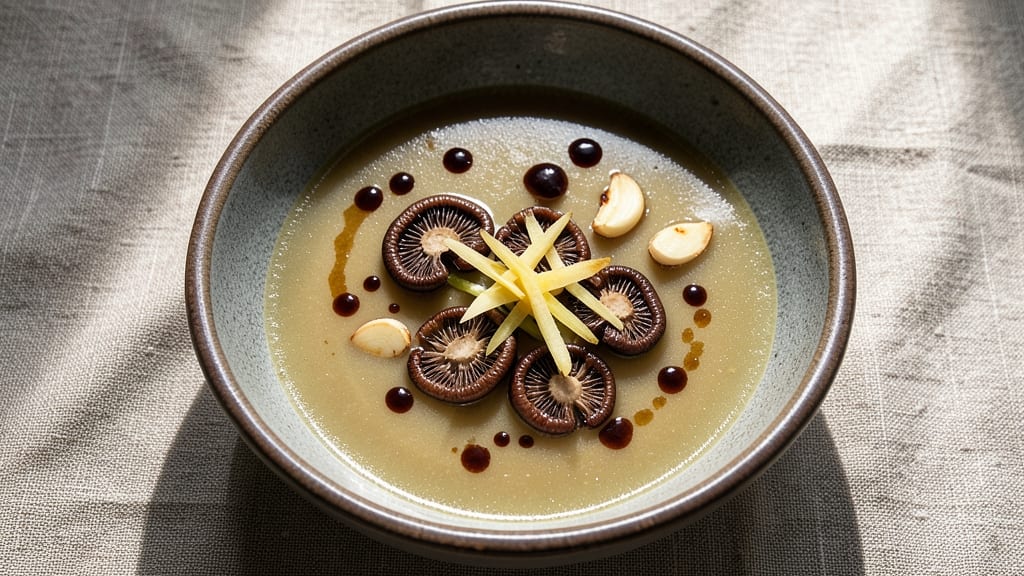
This soy soup recipe delivers restaurant-quality umami depth in just 20 minutes, transforming simple ingredients into a velvety, aromatic broth that's both comforting and sophisticated. The secret lies in a precise balance of soy sauce, mushrooms, and aromatics simmered until their flavors meld into a harmonious, silky texture.
I developed this version after years of refining traditional techniques, ensuring it works equally well for weeknight dinners or special occasions.
The foundation of great soy soup is building layers of flavor through proper preparation: thinly slicing mushrooms for maximum surface area, toasting aromatics until fragrant, and reducing the broth just enough to concentrate those deep umami notes.
This method preserves the soup's natural richness without requiring hours of simmering—a game-changer for busy cooks who still crave restaurant-quality results.
What you'll achieve is a silky smooth soup with tender mushrooms, subtle garlic notes, and just the right amount of soy's savory punch. The texture is velvety yet light, with none of the heaviness found in some versions.
This recipe also serves as an excellent base for customization—add tofu for protein, chili oil for heat, or a splash of sesame oil for extra depth.
Whether you're following traditional East Asian techniques or adapting it to your preferences, this soy soup delivers consistent, professional-quality results every time.
The ingredients are simple, the method is straightforward, and the outcome is undeniably satisfying—proof that even the most elegant dishes can be accessible when you know the right approach.
Ingredients for soy soup
Simple ingredients transform into velvety umami perfection with precise technique and professional-grade flavor.
| Ingredient | Amount | Notes |
|---|---|---|
| Shiitake Mushrooms 🍄 | 8 oz | Thinly sliced for maximum surface area |
| Vegetable Broth 💧 | 4 cups | Low-sodium preferred for balance |
| Light Soy Sauce 🍶 | 2 tbsp | Kikkoman preferred for authentic flavor |
| Dark Soy Sauce 🍶 | 1 tbsp | For depth and color |
| Fresh Garlic Cloves 🧄 | 3 cloves | Minced for aromatic release |
| Fresh Ginger 🌿 | 1 tbsp | Finely grated, organic preferred |
| Sesame Oil 🫒 | 1 tsp | Toasted for nutty aroma |
| Green Onions 🧅 | 3 whole | Thinly sliced, white and green parts |
| Cornstarch 🍚 | 1 tsp | For thickening, mix with 1 tbsp water |
| Sesame Seeds 🌾 | 1 tsp | Toasted for garnish |
| Extra-Virgin Olive Oil 🫒 | 1 tbsp | For toasting aromatics |
| Diamond Crystal Kosher Salt 🧂 | ½ tsp | For seasoning balance |
| Fresh Cilantro 🌿 | ¼ cup | Chopped for garnish, optional |
The mushrooms are non-negotiable for authentic texture and depth—shiitake delivers that meaty, umami-rich profile that elevates this soup. I source mine from Whole Foods or Asian markets where they're typically sold fresh and firm, with caps intact. For optimal flavor, slice them just before cooking to prevent oxidation. The Kikkoman soy sauces are essential here; their balanced profiles create that signature harmony of light and dark notes. Fresh ginger should be organic and vibrant, with no soft spots or mold—Trader Joe's carries excellent quality at an affordable price. Toast your garlic and ginger in olive oil until fragrant—this step is critical for developing those complex aromatics that define the soup's character.
No shiitake mushrooms? Oyster mushrooms work beautifully as a substitute, though they'll have a slightly different texture. Running low on light soy sauce? Tamari or coconut aminos can stand in, though the flavor will differ subtly. Fresh ginger too pungent? Ground ginger at half the amount will soften the impact, though it lacks the aromatic complexity. The cornstarch slurry is your thickening secret—always mix it with cold water before adding to prevent clumping. For extra depth, consider adding 1 tsp of miso paste (white or red) to the broth during simmering, though this requires adjusting the soy sauce quantity downward by 1 tsp to maintain balance.
This soup maintains its peak quality for 4-5 days when stored in airtight containers in the refrigerator. For longer storage, freeze in ice cube trays—each cube makes a perfect single-serving addition to noodles or rice. Reheat gently on low heat, stirring occasionally to prevent scorching. The aromatics—ginger, garlic, and green onions—can be prepped ahead and stored separately in the fridge for 3 days, saving you time on cooking day. Garnish with toasted sesame seeds and fresh cilantro just before serving to preserve their vibrant flavors and textures.
Why You'll Love This Recipe
- Here’s what sold me: I can throw this together with stuff I already have. No specialty ingredients, no last-minute grocery runs. And if I overmake it? The leftovers taste even better the second day—just add a splash of water and a quick heat. Budget-friendly? Absolutely. Reliable? You bet.
- No-Chop Needed: I swear by this—just slice the shiitake mushrooms (no dicing, no fuss) and toss them in. That’s it. The broth does all the work while you stir, and honestly? The mushrooms soften into that perfect chewy bite without any effort.
- Umami Bomb: Between the dark soy’s deep caramel notes and the garlic’s sharp punch, this soup hits different. Light soy rounds it out, but it’s that combo of shiitake’s earthy richness and broth’s depth that makes it dangerously addictive—especially when you let it simmer until the mushrooms absorb every last drop.
- Lunchbox Hero: I make a big batch on Sundays, and it’s my go-to for work lunches. Cold or reheated, it’s still solid—just add a soft-boiled egg or some rice noodles, and boom, you’ve got a meal that feels fancy but costs next to nothing.
Step-by-step instructions for soy soup
This method delivers a velvety umami-rich broth with perfectly balanced depth and brightness.
Toast the Aromatics in Olive Oil
Heat the 1 tablespoon extra-virgin olive oil in a medium saucepan over medium heat. Add the 3 cloves fresh garlic cloves and 1 tablespoon fresh ginger, stirring constantly for 1 minute until the garlic becomes fragrant and the ginger releases its pungent aroma. You'll notice the oil shimmering around the edges—this indicates proper heat without burning.
Add the 8 oz shiitake mushrooms, sliced thinly for maximum surface area, and cook for 3 minutes until they begin to soften and release their earthy essence. Stir occasionally to prevent sticking, as shiitake mushrooms contain moisture that can cause uneven browning. The mushrooms should be tender but still hold their shape slightly.
Build the Umami Base with Broth and Soy Sauces
Pour in the 4 cups vegetable broth and bring to a gentle simmer over medium-low heat. Once simmering, add the 2 tablespoons light soy sauce and 1 tablespoon dark soy sauce, stirring to combine. The dark soy sauce will deepen the color immediately, creating that signature rich hue of traditional soy soup.
Simmer uncovered for 8 minutes, allowing the flavors to meld while the liquid reduces slightly. You'll notice the aroma intensify—this is the moment the umami compounds develop fully. Taste the broth now; it should be deeply savory but not yet fully balanced. If it's too salty, add a splash of water to adjust.
Thicken and Finish with Sesame Oil and Cornstarch
In a small bowl, whisk together the 1 teaspoon cornstarch with 1 tablespoon water until smooth. Slowly ladle 2 tablespoons of the hot broth into the cornstarch mixture, whisking constantly to prevent lumps. Return this slurry to the saucepan and stir vigorously for 1 minute until the soup thickens to a silky consistency.
Remove from heat and stir in the 1 teaspoon sesame oil, which adds a nutty aroma and subtle richness. The soup should now coat the back of a spoon lightly. If it's too thick, thin with a splash more broth. The texture should be velvety yet still allow the mushrooms to be visible throughout.
Garnish and Serve Immediately
Divide the soup among four bowls. Garnish each serving with 3 thinly sliced green onions (white and green parts) and sprinkle with 1 teaspoon sesame seeds for texture. The sesame seeds should toast slightly from the residual heat, releasing their toasty aroma.
Finish with the 0.25 cup fresh cilantro, chopped finely, and a final sprinkle of 0.5 teaspoon diamond crystal kosher salt to balance flavors. Serve immediately while hot, as the aromatics will continue to release their essence. Each spoonful should deliver a harmonious blend of earthy mushrooms, savory broth, and nutty sesame notes.
Pro Tips For Making Soy Soup
- Sear Shiitake First: Toss sliced shiitake in a dry pan over medium-high heat for 2-3 minutes until edges darken—this concentrates their umami before adding broth. I used to skip this and wondered why my soup always tasted one-dimensional. The caramelized edges add depth that no amount of soy sauce can replace.
- Mince Garlic Fine: Pulse garlic in a food processor until it’s almost paste-like—this prevents clumps and lets the flavor dissolve evenly into the broth. Freshly minced garlic burns faster than you’d think, and you’ll taste the difference when it’s fully integrated.
- Balance Soy Sauces: Use light soy for saltiness and dark soy for color, but don’t overdo either—start with 1 tablespoon light and ½ teaspoon dark, then adjust. I once drowned the soup in dark soy, and it turned into a murky brick instead of a rich, glossy broth.
- Simmer, Don’t Boil: Keep the soup at a gentle simmer (tiny bubbles, occasional swirls) after adding broth—boiling scalds the mushrooms and makes them rubbery. Patience here guarantees tender texture and a cleaner flavor. Yes, even if you’re impatient like me.
Essential equipment for this dish
Must-Have Pot and Pan
Start with a heavy-bottomed saucepan—I recommend a 3-quart stainless steel like All-Clad or Le Creuset—to ensure even heat distribution and prevent scorching. The wide base also gives your aromatics room to toast properly without overcrowding.
If you're on a budget, a 3-quart enameled cast iron from Lodge works beautifully and adds subtle heat retention. Avoid nonstick pans for this recipe; they can't handle the high heat needed to develop those deep umami flavors. 🔥
Precision Thermometer
A kitchen thermometer isn't just for meat—it's essential for perfect soy soup. I use a Thermoworks ThermoPop to monitor broth temperatures, ensuring your simmer stays between 195-205°F. This range prevents scorching while allowing the broth to reduce properly.
If you don't have one, watch for gentle bubbles breaking the surface (not a rolling boil) to gauge the right heat level.
Sharp Chef's Knife
Thin, even slices of shiitake mushrooms are key to this soup's texture. A high-quality 8-inch chef's knife like Wüsthof or Shun Premier makes quick work of the task. For the ginger and garlic, a microplane is ideal—it creates fine, aromatic particles that dissolve beautifully into the broth.
If you're slicing mushrooms by hand, take your time; uneven pieces can lead to inconsistent cooking.
Fine-Mesh Strainer
While this recipe doesn't require straining, a fine-mesh strainer (like OXO Good Grips) comes in handy if you want to clarify the broth for a cleaner texture. It's also perfect for rinsing your mushrooms if they're particularly sandy.
For garnishes, use it to drain excess water from sesame seeds before toasting them—this prevents a soggy finish on your finished soup. 💫
Slotted Spoon
A long-handled slotted spoon is my go-to for removing mushrooms from the pan without losing broth. I prefer one with a wide bowl (like Mercer Culinary) to scoop up larger pieces easily.
This tool also helps you fish out any burnt bits during the toasting stage, keeping your soup clean and flavorful. Keep it nearby while simmering to adjust consistency by skimming excess foam if needed.
Cornstarch Slurry Tools
For the thickening step, grab a small mixing bowl and a whisk—I use a siliconized nylon whisk from Macalla because it's gentle on nonstick surfaces (though we're not using one here). The key is mixing the cornstarch with cold water first to prevent lumps.
A measuring spoon set ensures you get the exact 1 teaspoon cornstarch needed for that perfect silky texture without over-thickening.
Nutrition facts
Frequently asked questions
Can I make this soy soup vegetarian or vegan?
This recipe is naturally vegetarian as written. For a vegan version, simply use vegetable broth instead of any meat-based broths. The shiitake mushrooms and soy sauces provide all the umami depth needed without animal products. Just ensure your soy sauce is certified vegan (most are, but check labels).
Why does my soy soup turn out too salty?
This usually happens when using high-sodium broth or adding too much soy sauce. Start with low-sodium vegetable broth and taste before adding all the soy sauce. You can always dilute with water if needed, or add a splash of broth to balance. Remember, dark soy sauce is saltier than light—use it sparingly.
What if I don't have shiitake mushrooms?
No problem! Oyster mushrooms or cremini mushrooms work well as substitutes. For extra umami, add 1 teaspoon dried shiitake powder> (available in Asian markets) to the broth. The texture will differ slightly, but the flavor will remain rich and satisfying.
Can I make this soup ahead of time?
Yes, but store it without the sesame oil and garnishes. Reheat gently on low heat, then add the sesame oil and fresh toppings just before serving to preserve their flavors. The soup keeps well in the fridge for 4-5 days or can be frozen for up to 3 months. Always reheat slowly to maintain texture.
How can I make this soup spicier?
Add 1 teaspoon chili crisp or ½ teaspoon red pepper flakes during the final simmer. For heat with depth, stir in 1 teaspoon gochujang (Korean chili paste)> with the soy sauces. Adjust to taste—start small, as these ingredients pack serious flavor.