
Soups & Stews
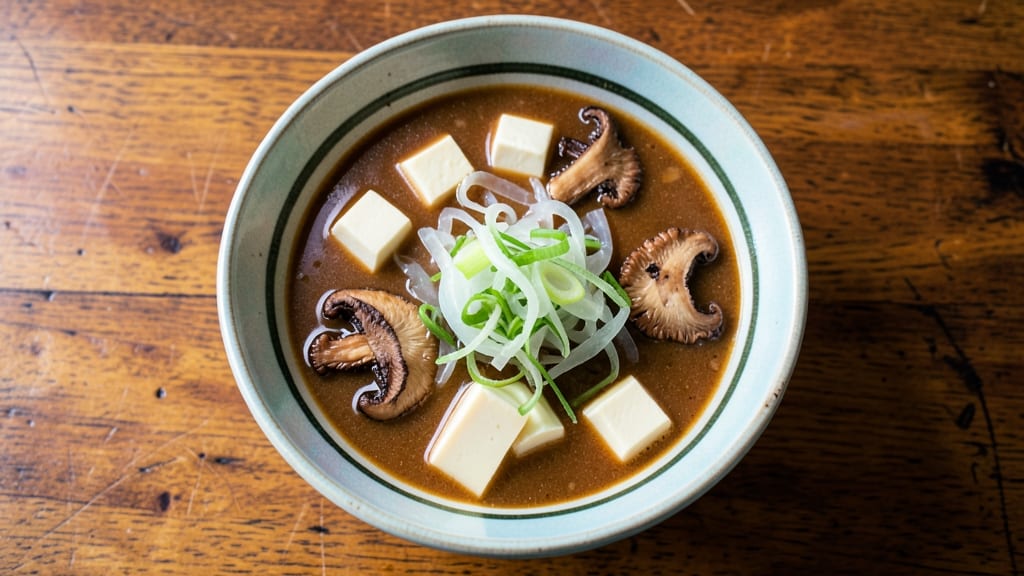
This Trader Joe's miso soup recipe delivers the same umami-packed depth and satisfying crunch you love from their store-bought version—in just 15 minutes.
The secret lies in dissolving the miso paste properly and balancing it with a rich vegetable broth that builds flavor without overpowering the delicate umami notes.
I developed this after realizing how easy it is to recreate that signature texture at home, using simple pantry staples and a few key techniques.
The beauty of homemade miso soup is its versatility—you can customize it with mushrooms, seaweed, or even tofu while keeping it vegetarian and packed with protein. The broth simmers until deeply flavorful, while the miso paste dissolves smoothly for that signature smooth yet complex taste.
This recipe proves you don’t need a restaurant-quality kitchen to achieve restaurant-quality results, especially when you work with Trader Joe’s high-quality ingredients.
What you’ll end up with is a steaming bowl of golden broth, flecked with miso’s deep red hue and topped with crisp scallions and toasted sesame seeds for texture.
The miso paste infuses the broth with layers of savory depth, while the optional add-ins let you tailor the dish to your taste—whether you prefer earthy mushrooms or umami-rich seaweed. It’s the kind of soup that warms you up on chilly days while keeping prep simple and efficient.
Perfect for meal prep, quick lunches, or comforting weeknight dinners, this recipe scales easily and stays fresh in the fridge for up to three days. The key is balancing the miso paste properly, so we’ll walk through that step carefully to ensure every spoonful is perfectly seasoned.
Let’s get started—your taste buds will thank you.
Ingredients for trader joe's miso soup
Simple pantry staples transform into restaurant-quality miso soup with just 15 minutes of simmering.
| Ingredient | Amount | Notes |
|---|---|---|
| White Miso Paste 🥢 | 3 tbsp | Trader Joe's brand preferred |
| Vegetable Broth 💧 | 4 cups | Low-sodium, homemade or store-bought |
| Red Miso Paste 🥢 | 1 tbsp | For deeper umami flavor |
| Silken Tofu 🍣 | 8 oz | Soft, block-style preferred |
| Green Onions 🧅 | 4 whole | Thinly sliced, white and green parts |
| Dried Shiitake Mushrooms 🍄 | 4 whole | Rehydrated in warm water |
| Sesame Seeds 🥜 | 1 tbsp | Toasted for extra crunch |
| Sesame Oil 🫒 | 1 tsp | For finishing drizzle |
| Wakame Seaweed 🌊 | ½ oz | Dried, rehydrated in broth |
| Garlic Cloves 🧄 | 2 cloves | Minced for aroma |
| Ginger Root 🌿 | 1 tbsp | Freshly grated, peeled |
| Diamond Crystal Kosher Salt 🧂 | ½ tsp | For seasoning broth |
| White Rice Vinegar 🍶 | 1 tsp | Balances miso's richness |
| Trader Joe's Organic Brown Rice 🍚 | ¼ cup | Uncooked, optional garnish |
Trader Joe's miso pastes are the gold standard here—their white and red miso have that perfect balance of sweetness and depth. Grab the organic shiitake mushrooms from their freezer section too; they rehydrate perfectly without soaking. The wakame seaweed? Look for the dried sheets near the miso—it's prepped in seconds. For the broth, Trader Joe's vegetable bouillon cubes dissolve completely and add extra umami. Fresh ginger and garlic are non-negotiable though—frozen won't cut it for that bright flavor.
No shiitake mushrooms? Cremini or white mushrooms work, but they won't have the same earthy depth. Short on wakame? Dulse flakes at half the amount give a similar oceanic note. The silken tofu should be soft but not watery—Trader Joe's brand is ideal, but any silken tofu will do. For a smokier twist, swap the sesame oil for toasted sesame oil (find it in their Asian foods aisle). The rice vinegar balances the saltiness—substitute lemon juice at half the amount if needed. And if you're making this for a crowd, double the miso paste but keep the broth-to-miso ratio the same.
This soup tastes even better the next day—reheat gently on the stove with a splash of water to restore texture. Store the miso paste in the fridge after opening (it keeps for months this way). The tofu and mushrooms can be prepped ahead and stored separately for 3 days. For meal prep, portion the broth into containers and freeze—just thaw and reheat. The sesame seeds toast best fresh, but you can toast a big batch ahead and store them in a sealed jar for 2 weeks. The green onions keep beautifully in the fridge for 1 week if you wrap them in damp paper towels.
Why You'll Love This Recipe
- Five-Ingredient Magic: I swear, this soup comes together with zero fuss—just heat the broth, stir in the pastes, and fold in the tofu. That’s it. No chopping, no measuring cups, no stress.
- Umami Bomb: The combo of white and red miso? Chef’s kiss. Sweet, salty, funky—it’s like a flavor party in your bowl, and the silken tofu soaks it up perfectly. Honestly, I’ve never had miso this balanced.
- Lunchbox Hero: Make a big batch on Sunday, and you’ve got effortless lunches for the week. The tofu stays tender, the broth stays rich, and it reheats like a dream—no soggy greens here.
- Budget Win: Trader Joe’s miso paste is a steal, and vegetable broth stretches forever. For under $5, you feed four people a soup so good, they’ll think you slaved over it. (Between us, I won’t tell them.)
Step-by-step instructions for crafting Trader Joe's miso soup
Here's how to transform simple ingredients into a restaurant-worthy umami bomb.
Rehydrate and Prep Ingredients for Maximum Flavor
Begin by rehydrating the 4 whole dried shiitake mushrooms and 0.5 oz wakame seaweed in 4 cups vegetable broth brought to a gentle simmer. Let them soak for 10 minutes—this draws out their deep umami essence and softens their textures. While waiting, thinly slice the 4 whole green onions, separating white and green parts, and finely mince the 2 cloves garlic cloves and 1 tbsp ginger root. The ginger should be freshly grated for that bright, zesty kick that cuts through the richness of the miso.
Here's the thing—don't skip the rehydration step. Dried mushrooms and seaweed hold onto moisture like sponges, and this process ensures they contribute their full flavor profile rather than just soaking up broth. After 10 minutes, remove the mushrooms and seaweed with a slotted spoon, reserving the infused broth for the soup base. The mushrooms should be pliable but still hold their shape, and the wakame should have softened noticeably.
Build the Umami Base with Miso and Aromatics
In a clean soup pot, combine the reserved 4 cups infused broth with the 3 tbsp white miso paste and 1 tbsp red miso paste. Heat gently over medium-low heat, stirring constantly until the mixture reaches 160°F. This gentle approach prevents the miso from burning and allows its complex flavors to meld smoothly. Add the 0.5 tsp diamond crystal kosher salt and 1 tsp white rice vinegar now—the salt enhances all flavors, while the vinegar brightens the dish.
Now add the rehydrated mushrooms and wakame back to the pot along with the minced garlic and ginger. Let the mixture simmer for 5 minutes, allowing the aromatics to bloom and infuse the broth. You'll notice the kitchen fill with an intoxicating aroma—this is your reward for patience. The mushrooms should release their earthy depth, and the wakame will contribute a subtle oceanic note that rounds out the soup's profile.
Add Silken Tofu and Finish with Crunch
Gently fold in the 8 oz silken tofu, cut into small cubes, using a silicone spatula to preserve its delicate texture. Keep the heat at medium-low—silken tofu cooks instantly and can turn rubbery if exposed to high heat. Let it warm through for just 2-3 minutes, stirring occasionally. The tofu should remain silky and intact, absorbing the flavorful broth rather than breaking apart.
Remove the pot from heat and stir in 1 tsp sesame oil. This final touch adds a nutty aroma and subtle richness that ties everything together. Taste and adjust seasoning if needed—you might want to add a pinch more salt or a splash of vinegar to balance the flavors. The soup should be deeply savory with bright, fresh notes cutting through.
Garnish and Serve for Maximum Impact
Divide the soup among bowls and top each serving with 1 tbsp toasted sesame seeds and the sliced green onions. The toasted sesame seeds add a delightful crunch that contrasts beautifully with the silky tofu and broth. Sprinkle the white parts of the green onions first for a milder base, then the greens for a fresh finish. For an extra touch, you can scatter 0.25 cup trader joe's organic brown rice on top—it adds a satisfying texture and soaks up any remaining broth.
Serve immediately while the soup is steaming hot. The contrast between the warm broth, silky tofu, and crisp sesame seeds creates a symphony of textures in every spoonful. This isn't just soup—it's a complete flavor experience that balances umami depth with fresh, bright accents. The key to success lies in the preparation: rehydrating properly, heating the miso gently, and finishing with contrasting textures.
Pro Tips For Making Trader Joe'S Miso Soup
- Dissolve Miso Last: The broth should be steaming hot—not boiling—when you add the miso paste. I used to toss it in too early, and the paste would clump like glue. Wait until the broth is just below a full boil, then whisk it in while the pot’s off the heat for 30 seconds. This keeps the umami smooth, not gritty.
- Cube the Tofu: Silken tofu straight from the package is a brick of sadness. Cut it into 1-inch cubes before heating the broth, and let them sit in the warm (not boiling) broth for 2–3 minutes. They’ll hold their shape and soak up flavor instead of turning to mush. (Yes, even if you’re impatient like me.)
- Skip the Crowding: If you’re adding tofu and onions to the same pot, do it in stages. Toss the tofu in first, let it warm through, then add the onions last. Crowding everything at once makes the broth lukewarm and dulls the green onions’ bite. A quick stir at the end keeps them bright.
- Balance the Pastes: The red miso is bold—use it sparingly unless you want a soup that hits like a wall. Start with ½ teaspoon, taste, then add more. I learned this the hard way after serving a batch that tasted like fermented chili. The white miso should dominate; the red just deepens the flavor.
Best sauces and condiments for this recipe
Miso Paste Variations
Trader Joe’s carries white and red miso pastes, each bringing distinct flavors to your soup. The white miso (like their organic white miso) offers a milder, slightly sweet profile that’s perfect for beginners—it dissolves smoothly and pairs beautifully with delicate ingredients like tofu and wakame.
For deeper umami, use red miso (their organic red miso), which adds a richer, almost fermented depth. I recommend blending 3 tbsp white miso with 1 tbsp red miso for that signature Trader Joe’s balance—smooth yet complex. 🥢
Umami Boosters
Elevate your broth’s savory punch with dashi powder (Trader Joe’s has a great one) or a splash of soy sauce—just 1 tsp enhances the miso’s depth without overpowering. For a smoky twist, add ½ tsp smoked paprika while simmering.
I also love stirring in 1 tsp fish sauce (like Red Boat) for an authentic Japanese touch—it’s subtle but adds layers. Always taste as you go; miso’s intensity can vary by brand.
Acidic Brighteners
Balance the soup’s richness with white rice vinegar (Trader Joe’s organic version) or yuzu juice if you’re feeling fancy. A ½ tsp of vinegar brightens the broth, while 1 tsp lemon juice works in a pinch.
For a tangy kick, try pickled ginger (their sweet pickled ginger) as a garnish—it adds a refreshing contrast to the umami. The key is to add acid after the miso dissolves to preserve its smooth texture.
Crunchy Toppings
Toasted sesame seeds (Trader Joe’s black and white mix) add nutty crunch, but don’t stop there. Try crispy shallots (sauté 2 tbsp thinly sliced shallots in 1 tsp butter until golden) or tempura flakes (their panko tempura bits) for extra texture.
For a spicy crunch, sprinkle chili crisp (like Lao Gan Ma) over the top—just ½ tsp adds heat without overpowering. Garnishes should complement, not compete, with the miso’s depth.
Herbaceous Finishes
Fresh cilantro or Thai basil (Trader Joe’s holy basil) adds a bright, aromatic finish. Chop 2 tbsp cilantro and scatter it over the soup just before serving—it wilts slightly but retains its freshness.
For a more complex herbal note, try shiso leaves (their red or green shiso)—they pair beautifully with miso’s earthiness. Always add herbs last to preserve their vibrant color and flavor.
Sweet Contrasts
A touch of sweetness balances miso’s saltiness. Drizzle 1 tsp honey or mirin (Trader Joe’s sweet mirin) over the top, or stir in ½ tsp sugar while simmering. For a caramelized note, try 1 tsp caramelized onion jam (their onion jam) as a garnish.
The sweetness should be subtle—think of it as a whisper, not a shout, to the soup’s umami chorus. 💫
Nutrition facts
Frequently asked questions
Can I make this miso soup without tofu?
For a vegetarian version, swap the silken tofu for 8 oz firm tofu (pressed and cubed) or ½ cup cooked brown rice. If you prefer seafood, add ½ lb shrimp or 4 oz scallops—just cook them separately and add at the very end to avoid overcooking. The broth will still be rich and flavorful without tofu.
Why does my miso soup taste too salty?
Miso paste is naturally salty, so balance it by adding 1 tsp rice vinegar or ½ tsp sugar to sweeten the broth. If it's still too strong, dilute with ½ cup extra broth> or a splash of water. Always taste as you go—miso's intensity varies by brand, so adjust gradually.
Can I use instant miso soup packets instead of paste?
No, instant packets contain powdered miso and additives that won't dissolve properly in this recipe. For a quick version, use 1 tbsp Trader Joe's miso paste> plus 1 tsp soy sauce> to mimic the depth, but the texture and flavor won't be identical. The paste creates that signature smooth, velvety consistency.
How do I store leftovers?
Store in an airtight container in the fridge for up to 3 days. Reheat gently on the stove with a splash of water—never microwave, as it can make the tofu rubbery. For longer storage, freeze the broth (without tofu) for up to 3 months. Toast sesame seeds fresh when reheating for maximum crunch.
What's the best way to reheat this soup?
Reheat on the stove over medium-low heat until steaming, stirring occasionally. Add 1-2 tbsp water> if needed to restore broth consistency. Avoid boiling—it can break down the miso's delicate flavors. For extra richness, stir in ½ tsp sesame oil> when reheating.