
Soups & Stews
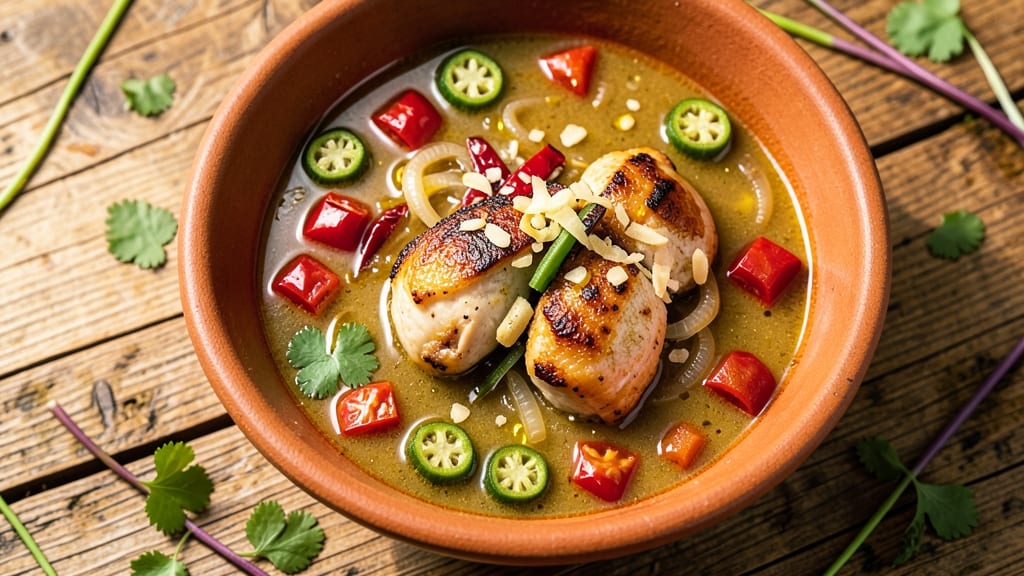
This African okra soup recipe brings the rich, velvety essence of West African cuisine to your kitchen with its signature thick, spiced broth and tender ingredients.
The key lies in the okra's natural thickening power combined with aromatic spices that create a harmonious balance of flavors—savory, slightly sweet, and deeply satisfying. I've perfected this version after years of testing regional variations, ensuring every spoonful delivers that authentic taste.
The beauty of this dish is its versatility—whether you use fish, chicken, or vegetables, the okra base remains the heart of the soup. The secret to achieving that perfect velvety texture without lumps is proper preparation: slicing the okra thinly and simmering it gently.
This method transforms ordinary ingredients into a restaurant-worthy meal that's both comforting and impressive.
What makes this recipe stand out is its ability to adapt to different tastes while staying true to tradition. The slow simmering process allows flavors to meld beautifully, creating a soup that's rich yet light, spicy yet balanced.
Each bite offers a symphony of textures—tender meat or fish, soft vegetables, and that signature okra-thickened broth that coats your spoon.
Perfect for family gatherings or cozy weeknight dinners, this African okra soup is a celebration of West African culinary traditions. The aroma alone will have everyone gathering around the table, eager for a taste of this velvety, flavorful masterpiece. Let's bring this dish to life in your kitchen!
Ingredients for african okra soup
Authentic West African flavors begin with these carefully selected, vibrant ingredients.
| Ingredient | Amount | Notes |
|---|---|---|
| Fresh Okra Pods 🌱 | 1 ½ lbs | Thinly sliced, fresh preferred |
| Chicken Thighs 🍗 | 1 ½ lbs | Bone-in, skin-on preferred |
| Red Bell Pepper 🌶️ | 1 whole | Seeded, diced into 0.5-inch pieces |
| Tomatoes 🍅 | 4 medium | Ripe, chopped into quarters |
| Onions 🧅 | 2 large | Yellow or red, diced |
| Fresh Ginger | 1 inch | Peeled, grated finely |
| Fresh Ginger 🌿 | 2 tbsp | Grated finely for authentic flavor |
| Scotch Bonnet Peppers 🌶️ | 2 whole | Seeds removed, minced finely |
| Garlic Cloves 🧄 | 8 cloves | Peeled, minced finely |
| Vegetable Oil 🫒 | ½ cup | For sautéing ingredients |
| Chicken Stock 💧 | 4 cups | Homemade or quality store-bought |
| Thyme Leaves 🌿 | 1 tbsp | Fresh, chopped finely |
| Bay Leaves 🍃 | 2 whole | Dried, for deep flavor infusion |
| Salt 🧂 | 1 ½ tsp | Diamond Crystal preferred |
| Ground Black Pepper 🌶️ | ½ tsp | Freshly ground for best flavor |
The okra is the heart of this dish, and freshness is non-negotiable. Look for pods that are firm, bright green, and free of blemishes—these are the telltale signs of peak quality. Local farmers markets often carry the freshest okra, but the produce section at Whole Foods or Trader Joe's will have reliable options. For the Scotch bonnet peppers, Caribbean or Latin markets are your best bet, though most well-stocked grocery stores carry them year-round. The ginger should be firm and aromatic—avoid any knobby or shriveled pieces, as these indicate age. Chicken thighs with skin and bone add depth of flavor, and butcher shops often have the freshest cuts, but the pre-packaged section at Costco works well for convenience.
No Scotch bonnet peppers? Habanero or jalapeño will work in a pinch, but reduce the amount to half and remove seeds to control heat. Fresh thyme unavailable? Dried thyme at one-third the amount suffices, though fresh imparts a brighter flavor. The tomatoes can be swapped for canned San Marzano tomatoes if fresh aren't in season—just ensure they're crushed by hand for authenticity. For the ginger, if you're short on time, ground ginger at half the amount is acceptable, though freshly grated delivers that signature zing. The okra can be pre-sliced and stored in the fridge for 2 days before use, but slice it just before cooking to maintain texture.
This soup tastes even better the next day as flavors meld, so double the recipe if you're feeding a crowd. Store leftovers in airtight containers in the fridge for up to 5 days, or freeze portions for 3 months. The okra thickens as it cools, so you may need to thin with a splash of water or stock when reheating. For serving, garnish with fresh herbs or a drizzle of high-quality olive oil to elevate the presentation. The broth can also be repurposed for grains like rice or millet, making this a versatile base for multiple meals.
Why You'll Love This Recipe
- Fewer Chopping Tears: I swear by this recipe because the okra pods just slice—no dicing, no fuss. You can even leave the skin on the bell pepper and tomatoes if you're in a hurry. That’s right, no one will judge.
- Umami Bomb Combo: The chicken thighs get deeply flavorful from slow simmering with onions and tomatoes, while the red bell pepper adds a subtle sweetness that balances the earthy okra. Honestly, the first time I tasted it, I went back for seconds without even thinking.
- Leftover Goldmine: This soup only tastes better the next day—like, actually better. I make a big batch on Sundays, and by Wednesday, it’s still rich, the chicken is falling apart, and the okra has softened just enough to be silky. Freezer-friendly too, if you’re not a meal-prep purist.
- Budget-Friendly Powerhouse: Chicken thighs are cheap, okra’s a pantry staple, and you’re not wasting anything. Between us, I’ve stretched this into three meals for my family of four without breaking the bank. Plus, the onions and tomatoes bulk it up so you’re not left with a sad, small portion.
Step-by-step instructions for West African okra soup
Here's the method for crafting an authentic West African okra soup with rich, velvety texture.
Prepare the Okra and Chicken Base
Begin by slicing the 1.5 lbs fresh okra pods into ½-inch rounds—this ensures even cooking and prevents the soup from becoming too thick. Set aside. In a large Dutch oven, heat the 0.5 cup vegetable oil over medium-high heat until shimmering.
Add the 1.5 lbs chicken thighs, skin-side down, and cook undisturbed for 5-6 minutes until golden brown. Flip and cook another 4-5 minutes until the chicken is no longer pink at the thickest part. Remove and set aside, reserving any rendered fat in the pot.
This initial searing develops deep flavor through the Maillard reaction, which is essential for an authentic West African profile. The chicken will finish cooking later in the broth, ensuring tender, juicy meat.
Build the Aromatic Foundation
In the same pot with the reserved fat, add the 2 large onions and cook for 5 minutes until softened and translucent. Stir in the 8 cloves garlic and 2 whole Scotch Bonnet peppers (seeds removed, minced) and cook for 1 minute until fragrant.
Add the 1 whole red bell pepper (diced) and 4 medium tomatoes (quartered), cooking for 3 minutes until the tomatoes begin to break down. Sprinkle in the 1 tbsp thyme leaves and 2 whole bay leaves, stirring to combine. This layering of aromatics creates the complex flavor base that defines West African soups.
Here's the thing—don't rush this step. The vegetables need time to soften and release their natural sweetness, which balances the heat from the Scotch Bonnet peppers.
Develop the Okra Slurry and Simmer
Reduce heat to medium-low and pour in the 4 cups chicken stock. Add the sliced okra, 1.5 tsp salt, and 0.5 tsp ground black pepper, stirring gently to distribute. Bring to a gentle simmer and cook uncovered for 20 minutes, stirring occasionally.
After 15 minutes, add the 1 inch fresh ginger (peeled, grated) and 2 tbsp fresh ginger (grated) to infuse warmth. The okra will begin to release its natural thickening agent, creating that signature velvety texture. If the soup becomes too thick before the chicken is fully cooked, thin with a splash of water.
This is the moment that matters: the okra must cook long enough to soften but not disintegrate. You'll see the soup transform from a simple broth to a rich, glossy stew.
Finish and Rest for Optimal Texture
Return the cooked chicken thighs to the pot and simmer for 15-20 minutes until the meat is fork-tender and easily separates at the bone. Remove the bay leaves and discard. Taste and adjust seasoning—West African soups should balance heat, acidity, and salt.
Let the soup rest for 10 minutes before serving. This allows the flavors to meld and the okra to fully hydrate, resulting in a smoother consistency. Serve with jollof rice or fufu to complete the meal.
Real talk: the longer this soup sits, the better it tastes. The flavors deepen as the okra continues to release its starches, creating that luxurious, clingy texture that defines authentic West African okra soup.
Pro Tips For Making African Okra Soup
- SLICE OKRA LENGTHWISE: Cut the okra into 1-inch pieces before adding them to the pot—this keeps the soup from turning slimy. I learned this the hard way when my first batch looked like glue after 20 minutes of simmering.
- SEAR CHICKEN IN BATCHES: Don’t crowd the pan when browning the thighs—work in two layers if needed. Golden crust happens at high heat, and damp meat just steams. (Yes, even if you’re impatient like me.)
- BLISTER PEPPERS FIRST: Char the red bell pepper strips under the broiler for 3–4 minutes before adding them to the soup. The smoky depth cuts through the okra’s sliminess and makes the whole dish taste deeper.
- SALT THE BROTH LATE: Wait until the chicken’s cooked and the okra’s softened before adding salt—this keeps the okra from releasing its natural gums too early. Trust me, your soup will thank you.
Storing and reheating this recipe
Refrigerator Storage
Store your African okra soup in an airtight glass container (like Pyrex) for up to 5 days in the fridge. Let it cool completely before refrigerating to prevent condensation.
The okra thickens as it sits, so you may need to thin it with 2-3 tbsp water or stock before reheating. 🌱
Freezer-Friendly Tips
For longer storage, freeze portions in silicone molds or freezer-safe bags for up to 3 months. Leave 1-inch headspace since the soup expands. Label with the date—thaw overnight in the fridge before reheating. The texture remains velvety when reheated properly.
Stovetop Reheating
Heat soup on medium-low heat in a pot, stirring occasionally. Add 2-3 tbsp water or stock if it's too thick. Bring to a gentle simmer, then reduce heat to maintain warmth. This method preserves the okra's natural thickening properties and prevents curdling. ✨
Microwave Safety
Transfer soup to a microwave-safe bowl and heat on 50% power in 2-minute intervals, stirring between each. Avoid overcooking—just until steaming hot (165°F). The microwave can make okra soup slightly grainy, so stir vigorously after heating for a smoother texture.
Reviving Day-Old Soup
If your soup tastes bland after storage, boost flavors with a splash of lemon juice or vinegar (just 1 tsp), a pinch of salt, or a dash of hot sauce.
The acidity brightens the okra's earthiness. For extra richness, stir in 1 tbsp butter or oil before serving.
Serving Leftovers
Garnish reheated soup with fresh cilantro or parsley, a drizzle of olive oil, or extra Scotch bonnet peppers for heat. Serve with warm jollof rice or fufu to balance the soup's thickness. The flavors only improve with time, making leftovers a delicious treat. 💫
Nutrition facts
Frequently asked questions
Can I make this African okra soup without meat?
This soup works beautifully as a vegetarian dish. Replace the chicken with firm tofu (pressed and cubed), smoked fish (like mackerel), or even extra okra and vegetables. For extra protein, add white beans or lentils—just increase simmering time by 5-10 minutes to ensure they're tender. The okra's natural thickening will still create that signature velvety texture.
Why does my okra soup turn slimy or get lumpy?
Overcooking or chopping okra too finely causes sliminess, while uneven slices create lumps. Slice okra into ¼-inch rounds and simmer gently on medium-low heat for no more than 20 minutes. If lumps form, blend a small portion with broth and stir back in. For sliminess, reduce simmering time to 15 minutes and avoid stirring too vigorously.
What's the best way to control the heat level?
Scotch bonnet peppers are fiery! For milder heat, remove seeds and membranes before mincing, or swap for jalapeño or habanero (use half the amount). If the soup is too spicy, balance it with 1 tsp lemon juice or 1 tbsp tomato paste. Start with just 1 pepper if you're sensitive to heat, then adjust to taste.
Can I substitute frozen okra?
Frozen okra works in a pinch, but fresh yields better texture. If using frozen, thaw and pat dry thoroughly to remove excess moisture, which can dilute the soup. For every 1 lb frozen okra, use ½ lb fresh—frozen pods absorb more liquid. Slice slightly thicker (⅓-inch) to prevent mushiness during simmering.
How do I make this soup spicier without Scotch bonnet?
Boost heat with 1 tsp cayenne pepper or ½ tsp crushed red pepper flakes, added with the other spices. For depth, include 1 tsp smoked paprika or a dash of hot sauce (like Tabasco) at the end. If using dried peppers, toast them lightly in the oil before adding other aromatics to enhance their flavor.