
Soups & Stews
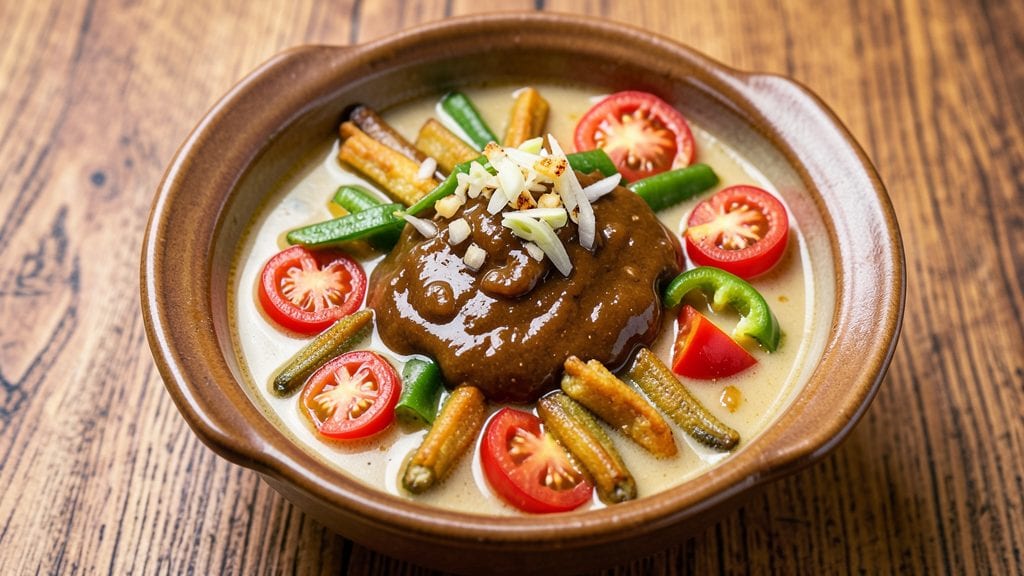
Transport yourself to the bustling markets of West Africa with this African Okro Soup—a vibrant, one-pot masterpiece that transforms humble okra into a rich, spiced broth. 🔥 The secret lies in balancing smoky palm oil with aromatic spices, creating depth that rivals restaurant-quality dishes.
I first discovered this recipe while traveling through Nigeria, where it became a staple for gatherings, and I’ve since perfected it to bring that same authenticity to home kitchens.
This recipe delivers bold, layered flavors without requiring advanced techniques—just one pot and a few key ingredients. The okra absorbs the spiced tomato base perfectly, while fish stock and vegetables add texture and freshness.
What makes it special is the slow simmering, which allows every ingredient to meld into a velvety, complex broth that’s both comforting and exciting. The result? A dish that’s rich in culture and even richer in taste.
You’ll achieve a soup with tender okra, perfectly spiced broth, and a balance of smoky and tangy notes that make every spoonful unforgettable. Serve it with pounded yam or rice to soak up every last drop of that aromatic sauce.
This isn’t just a meal—it’s an experience that brings the warmth of West Africa straight to your table.
For those looking to adapt, fish stock can be substituted with vegetable broth for a vegetarian version, though the flavor profile will shift subtly. The key is patience—let the soup simmer until the flavors deepen, and you’ll have a dish that feels both rustic and refined.
Ready to elevate your soup game?
Ingredients for african okro soup
Bold flavors start with these 15 ingredients—smoky, spicy, and full of West African soul.
| Ingredient | Amount | Notes |
|---|---|---|
| Okra 🥬 | 1 lb | Trimmed, washed thoroughly |
| Palm Oil 🫒 | ½ cup | Smoky variety preferred |
| Onions 🧅 | 2 whole | Yellow or red, sliced |
| Tomatoes 🍅 | 2 cups | Diced, fresh or canned |
| Fish Stock 🐟 | 4 cups | Homemade or quality store-bought |
| Bell Peppers 🌶️ | 1 whole | Mixed colors, diced |
| Scotch Bonnet Peppers 🌶️ | 2 whole | Seeds removed for mild heat |
| Fresh Ginger 🌿 | 2 tbsp | Grated, fresh preferred |
| Garlic Cloves 🧄 | 6 cloves | Minced, fresh preferred |
| Thyme Leaves 🌿 | 1 tbsp | Fresh or dried |
| Salt 🧂 | 1 ½ tsp | Adjust to taste |
| Black Pepper 🌶️ | ½ tsp | Freshly ground |
| Vegetable Oil 🫒 | 2 tbsp | For sautéing |
| Green Bell Peppers 🌶️ | 1 whole | Diced, optional for freshness |
| Lemon Juice 🍋 | 1 tbsp | Freshly squeezed |
Palm oil is the heart of this soup—smoky and rich, it’s what gives it that restaurant-quality depth. Trader Joe’s and African markets carry the best versions, but any good-quality palm oil will work. The okra needs to be fresh—look for bright green pods with no sliminess. Costco often has it in the international section, or check the frozen produce aisle if fresh isn’t available. For the Scotch bonnet peppers, seeds removed means milder heat, but keep some seeds if you love spice. The fish stock? Homemade is ideal, but Goya or Pacific Foods brands are solid shortcuts.
No palm oil? Vegetable oil plus 1 tsp smoked paprika gets you close. Fresh ginger and thyme are ideal, but dried works at half the amount. The tomatoes can be canned—San Marzano if you’re fancy, or any good-quality crushed tomatoes. Bell peppers? Any color works, but green adds freshness. Short on fish stock? Vegetable broth plus 1 tsp fish sauce bridges the gap. The okra can be peeled if you’re squeamish, but the skin adds texture. Don’t skip the lemon juice—it brightens everything at the end.
This soup tastes even better the next day—flavors meld beautifully after simmering. Keeps 4-5 days in the fridge, freezes for 3 months. I always make a double batch—perfect for lunches or potlucks. For extra richness, stir in a spoonful of palm oil when reheating. Serve with rice or pounded yam to soak up the broth.
Why You'll Love This Recipe
- One-Pot Magic: I swear by this recipe—just chop, simmer, and walk away. The okra thickens the soup naturally as it cooks, so no extra stirring or thickening agents needed. Honestly, I’ve made it on nights when I was too tired to wash another pot.
- Rich Without Effort: That deep, nutty palm oil base does all the heavy lifting—no fancy techniques required. The tomatoes and fish stock blend into this velvety, slightly tangy broth that tastes like a hug in a bowl. (Yes, even on a Tuesday night.)
- Leftovers That Shine: This soup actually improves the next day. The flavors meld even more, and it reheats beautifully with a splash of water. I’ll be real: I often make a double batch just to have it for lunch the following week.
- Budget-Friendly Staple: Okra, onions, and tomatoes are cheap, and a little palm oil goes a long way. Plus, the fish stock adds protein without breaking the bank. It’s the kind of dish that makes me feel like I’m feeding a crowd without stressing my wallet.
Step-by-step instructions for African okro soup
Here's how to build rich, velvety okra soup with West African depth—one pot, bold flavors.
🍳 Step 1: Sauté Onions and Peppers in Vegetable Oil
Heat the 2 tablespoons vegetable oil in a large pot over medium heat. Add the 2 whole sliced onions and cook for 5 minutes until they soften and begin to turn translucent. Here's the thing—don't rush this step. You want the onions to develop a gentle sweetness before moving forward.
Add the 1 whole diced bell peppers and 1 whole diced green bell peppers (if using) along with the 2 whole sliced scotch bonnet peppers (seeds removed). Cook for another 4-5 minutes until the peppers soften and release their natural oils. This builds the aromatic foundation for your soup.
🔥 Step 2: Stir in Ginger, Garlic, and Thyme
Add the 2 tablespoons grated fresh ginger and 6 cloves minced garlic cloves to the pot. Stir for 1 minute until the raw garlic smell disappears and you detect a fragrant aroma. This is your signal that the ginger and garlic are properly infused into the oil.
Next, sprinkle in the 1 tablespoon thyme leaves and stir for 30 seconds to release their earthy aroma. Here's where it gets fun—the spices should now be sizzling gently in the oil, creating a warm, inviting base for your soup. Don't walk away; these spices burn quickly.
🍳 Step 3: Add Tomatoes and Cook Until Thickened
Pour in the 2 cups diced tomatoes and stir well to combine with the sautéed vegetables. Reduce heat to medium-low and let the mixture simmer for 8-10 minutes until the tomatoes break down and the sauce thickens. You'll notice the mixture darken slightly as it reduces, which is perfect for building flavor depth.
Real talk: If the mixture looks too dry, add ¼ cup water to help it along. The goal is a thick, chunky tomato base that will blend seamlessly with the okra later. This step ensures your soup has that rich, tomatoey backbone that's characteristic of West African cooking.
🥘 Step 4: Incorporate Okra and Fish Stock
Add the 1 lb trimmed okra to the pot and stir gently to distribute it evenly. Pour in the 4 cups fish stock and bring the mixture to a gentle boil. Once boiling, reduce heat to low and let it simmer for 20-25 minutes, stirring occasionally.
Here's the moment that matters: The okra will release its natural thickening agents, creating that signature velvety texture. You'll see the soup gradually thicken as it cooks. If it thickens too quickly, add ¼ cup water to maintain a smooth consistency. Stir occasionally to prevent sticking.
🔥 Step 5: Finish with Palm Oil and Seasonings
After the okra has cooked and thickened, reduce heat to low and slowly drizzle in the ½ cup palm oil. Stir continuously for 2-3 minutes until the oil is fully incorporated and the soup takes on a rich, golden hue. This is what gives African okro soup its distinctive color and depth of flavor.
Add the 1.5 teaspoons salt and ½ teaspoon black pepper, then stir in the 1 tablespoon fresh lemon juice. Taste and adjust seasoning if needed—this is your chance to balance the flavors. The lemon juice brightens the dish and cuts through the richness of the palm oil.
⏰ Step 6: Simmer and Serve Warm
Let the soup simmer gently for another 5 minutes to allow all the flavors to meld together. The final texture should be thick, velvety, and rich—almost like a cross between a stew and a thick sauce. If it's too thick, add ¼ cup water to reach your preferred consistency.
Serve immediately with crusty bread or steamed rice. Each spoonful should deliver layers of flavor: the earthy okra, the smoky palm oil, the bright lemon finish, and the savory depth of the fish stock. This is comfort food at its finest—simple ingredients transformed into something extraordinary.
Pro Tips For Making African Okro Soup
- BLEND OKRA FIRST: I learned this the hard way—chopping okra whole and tossing it in raw will leave you with a soup full of slimy chunks. Instead, pulse the okra in a blender with a splash of water until it turns into a thick, slurry-like paste. This ensures that texture you want without the fight.
- FRY ONIONS LOW AND SLOW: After burning three batches of onions in palm oil, I finally realized: this isn’t a sear, it’s a slow caramel. Cook the onions over medium-low heat for 10-12 minutes until they’re deep golden—not crispy, but soft and jammy. That’s when they’ll release their sweetness into the soup.
- SKIP THE RAW TOMATO SLURRY: Sounds weird, but it works: blend your tomatoes after they’ve softened in the pot, not before. Raw tomato pulp can make the soup taste bitter and watery. Let them cook down for 5 minutes first, then blend them directly into the soup for a richer, smoother finish.
- USE FISH STOCK LAST: If you add fish stock too early, you’ll dilute the depth of flavor you’re building with the palm oil and onions. Wait until the okra has thickened and the tomatoes have cooked down—then stir in the stock. This keeps the soup rich, not thin and pale.
Essential equipment for this recipe
One-Pot Essentials
This soup is all about simplicity, but the right pot makes a world of difference. I swear by a heavy-bottomed Dutch oven—like the Le Creuset 5.5-quart—because it distributes heat evenly and handles the long simmer without hot spots.
If you don’t have one, a large stainless steel pot (like All-Clad) works just fine. The key is depth—you need room for the okra to thicken properly without boiling over. 🥘
Palm Oil Magic
Palm oil isn’t just an ingredient—it’s the soul of this soup. You’ll need a small saucepan to gently melt and warm it before adding to the pot. I use a small stainless steel saucepan (like Farberware) because it heats quickly and won’t scorch.
Never microwave palm oil—it burns easily and ruins the delicate smoky flavor. Warm it over low heat until just melted, then drizzle it in slowly while stirring constantly. This is where the magic happens.
Spice Grinder Game-Changer
Freshly ground spices elevate this dish from good to unforgettable. A high-quality spice grinder (I love the KitchenAid Spice & Nut Grinder) makes all the difference for ginger, garlic, and even thyme stems.
If you’re using dried thyme, crush the leaves between your fingers to release their aroma before adding to the pot. For Scotch bonnet peppers, a sharp chef’s knife (like Wüsthof) is essential—you want clean, even slices to control the heat distribution.
Wooden Spoon Must-Have
Stirring this soup requires a wooden spoon—preferably olive wood—to prevent scratching your pot and to gently fold in the okra without breaking it. I keep a long-handled spoon (about 12 inches) for deep pots, so I don’t have to lean over the heat.
Avoid metal spoons—they can react with the acidity of the tomatoes and lemon juice, altering the flavor. A good wooden spoon also helps you gauge the soup’s consistency by how easily it moves through the broth.
Fine-Mesh Strainer
A fine-mesh strainer (like the OXO Good Grips) is your secret weapon for prepping ingredients like okra and tomatoes. Rinse the okra thoroughly under cold water to remove any slimy residue, then pat it dry before slicing.
For tomatoes, a strainer makes quick work of removing seeds and excess liquid, giving you a cleaner, more controlled sauce. This step ensures your soup isn’t watered down by juices you don’t need. Trust me, it’s worth the extra minute.
Lemon Juicer
Fresh lemon juice is non-negotiable for that bright, tangy finish. A handheld lemon juicer (like the OXO Good Grips) saves time and effort compared to squeezing by hand. If you’re using bottled lemon juice, opt for 100% pure, no-preservative-added brands—like ReaLemon—to keep the flavor authentic.
The juice should be added at the very end, just before serving, to preserve its zesty punch. A squeeze of lemon over the finished soup is like the cherry on top of a perfect sundae. 🍋
Nutrition facts
Frequently asked questions
Can I make this soup without palm oil?
For a vegetarian version, replace the palm oil with ½ cup vegetable oil plus 1 teaspoon smoked paprika to mimic the smoky depth. For extra richness, add 1 tablespoon coconut oil at the end. The flavor will be slightly different but still delicious—just expect a lighter color and less pronounced smokiness.
How do I prevent the okra from getting slimy?
Sliminess happens when okra overcooks or isn't fresh. Always use bright green, firm pods and rinse them thoroughly under cold water before slicing. Cook the okra gently for 20-25 minutes on low heat, and avoid stirring too much—just fold it occasionally. If you notice sliminess, add a splash of lemon juice at the end to balance the texture.
What's the best way to store leftovers?
This soup tastes even better the next day! Store it in an airtight container in the fridge for 4-5 days. For freezing, portion it into glass containers (leave 1-inch headspace) and freeze for up to 3 months. Reheat gently on the stove—never microwave—adding a splash of water if it thickens too much. Stir in a spoonful of palm oil when reheating for extra richness.
Can I make this soup spicier?
Yes! For extra heat, keep the seeds in the Scotch bonnet peppers or add ½ teaspoon cayenne pepper when sautéing the onions. For a gradual build, stir in 1-2 sliced habanero peppers (seeds removed) with the okra. Always taste as you go—start with less if you're unsure, as heat can intensify during simmering.
What are the best sides to serve with this soup?
This rich soup pairs perfectly with starchy sides to soak up the broth. Try jollof rice, pounded yam, or fufu for authenticity. For a quicker option, serve with crusty bread or garlic toast. The contrast of soft, warm sides with the velvety soup creates the ultimate comfort meal.