
Soups & Stews
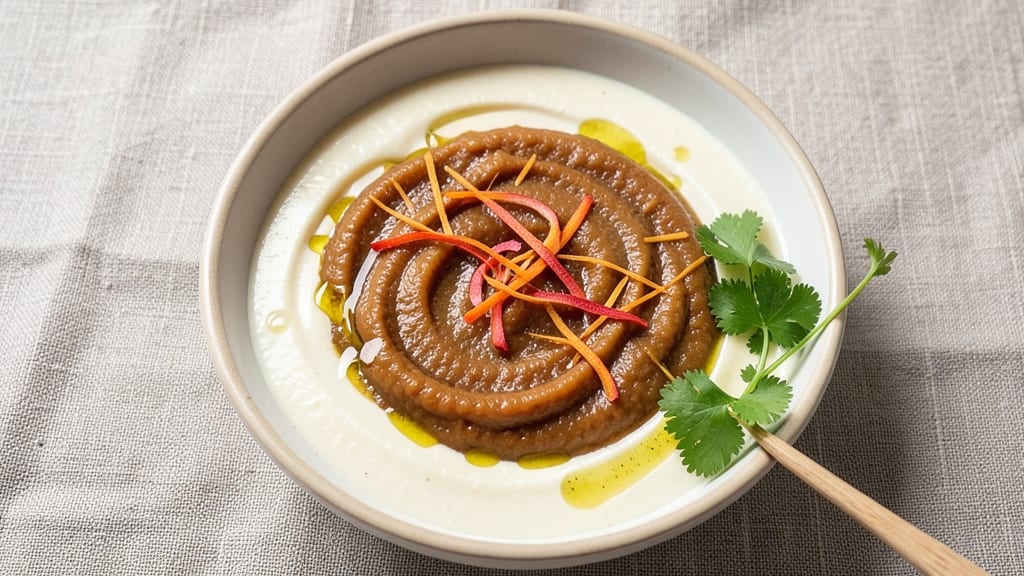
This AIP butternut squash soup delivers rich, velvety texture without dairy—just coconut milk and slow-cooked squash for a naturally creamy base. 💛 The secret lies in roasting the squash first to deepen its natural sweetness, then blending it with aromatic ginger and turmeric for warmth.
I developed this recipe after realizing how much I missed comforting soups while following AIP principles, and it became an instant staple in my meal rotation.
The beauty of this recipe is its simplicity: just five core ingredients transform into a hearty soup that feels indulgent yet stays completely compliant. Coconut milk provides the creaminess while keeping it plant-based, and the slow simmering process ensures every bite is tender and flavorful.
What makes it special is how the roasted squash caramelizes slightly, adding depth that store-bought versions can't match.
By the time you're done, you'll have a soup so smooth and satisfying it rivals traditional dairy-based versions—golden in color, fragrant with ginger and turmeric, and perfectly balanced between sweet and savory.
The texture is velvety without being heavy, making it ideal for chilly days when you crave warmth without compromise.
Serve it as-is for a clean bowl of comfort, or garnish with fresh cilantro (if tolerated) and a drizzle of compliant olive oil for extra richness. This recipe proves AIP eating can still deliver restaurant-quality meals at home. Let's make it—your taste buds will thank you.
Ingredients for aip butternut squash soup
Five simple ingredients create this velvety AIP soup without dairy—just coconut milk and roasted squash.
| Ingredient | Amount | Notes |
|---|---|---|
| Butternut Squash 🎃 | 2 lb | Cubed, skin removed |
| Full-Fat Coconut Milk 🥥 | 13 ½ oz | Canned, full-fat preferred |
| Extra-Virgin Olive Oil 🫒 | ½ cup | For roasting squash |
| Fresh Ginger Root 🌿 | 2 tbsp | Grated, peeled |
| Turmeric Powder 🌶️ | 1 tsp | Freshly ground preferred |
| Sea Salt 🧂 | 1 tsp | Diamond Crystal preferred |
| Fresh Cilantro 🌿 | ¼ cup | Chopped, optional garnish |
| Aromatic Onion 🧅 | 1 whole | Diced, yellow or red |
| Garlic Cloves 🧄 | 3 cloves | Peeled, minced |
| Vegetable Broth 💧 | 2 cups | Homemade or compliant brand |
| Coconut Aminos 🥄 | 1 tbsp | For umami depth |
| Cinnamon Stick 🌿 | 1 whole | Removed after simmering |
The butternut squash is the star here—look for firm, heavy squash with no soft spots. Trader Joe's and Whole Foods carry excellent organic varieties, but any good grocery store will have decent options. The key is roasting it first to caramelize the natural sugars, which gives that deep, sweet flavor that makes this soup so special. I always buy a couple pounds at once and freeze half—it keeps perfectly for 3 months in the freezer. For the coconut milk, full-fat canned versions work best for creaminess, and brands like Thai Kitchen or Goya are widely available.
No fresh ginger? Powdered works at half the amount, though it won't have the same zing. The turmeric is non-negotiable for that golden color and anti-inflammatory boost—Penzeys has the best quality if you want to splurge. For the broth, Pacific Foods makes a great compliant version if you can't make your own. Substituting coconut aminos for soy sauce is a must on AIP, and it adds that perfect umami kick. The cinnamon stick is optional but adds warmth—just remove it before blending. If you're sensitive to cilantro, skip it entirely; the soup is delicious without it.
This soup tastes even better the next day as flavors meld. Store leftovers in airtight containers for up to 5 days in the fridge, or freeze for 3 months for quick meals. I like to double the batch and freeze half—perfect for lazy days. The roasted squash can be prepped ahead and stored in the fridge for 3 days before cooking. For extra richness, stir in a spoonful of compliant coconut cream before serving. It reheats beautifully, so plan to have some on hand for those chilly evenings.
Why You'll Love This Recipe
- Minimal Chopping Required: The butternut squash only needs peeling and dicing—no seeds, no fuss. I swear by roasting it whole first (yes, just poke holes and bake), then scooping out the flesh. That’s it. Your knife stays clean, and your kitchen stays quiet.
- Golden Creamy Magic: Full-fat coconut milk and turmeric transform this into something velvety yet bright—no heavy cream needed. The ginger adds a little kick, but the warmth of the squash balances it perfectly. It’s the kind of soup that feels indulgent without being heavy.
- Weeknight Meal Prep: This reheats beautifully for days, so I make a big batch on Sundays. The coconut milk keeps it rich, and the ginger-turmeric combo means it never tastes stale. Perfect for lazy mornings or when you just don’t want to cook.
- Budget-Friendly Comfort: Butternut squash is cheaper than most winter veggies, and coconut milk stretches far. I’ll be real—this soup costs me half what store-bought versions do, and it’s way better. Plus, turmeric and ginger are pantry staples that add flavor without breaking the bank.
Step-by-step instructions for AIP butternut squash soup
Here's how to create a velvety coconut-based soup that's rich, satisfying, and completely compliant with elimination diets.
🔥 Step 1: Roast the Butternut Squash Until Caramelized
Preheat your oven to 400°F and line a large baking sheet with parchment paper. Toss the 2 lb cubed butternut squash with 0.5 cup extra-virgin olive oil and 1 tsp sea salt. Spread in a single layer, leaving space between cubes for even browning.
Roast for 30-35 minutes until the edges are deep golden brown and the squash yields slightly when pressed with a fork. The caramelization here builds natural sweetness that forms the soup's foundation. Real talk: don't skip this step—raw squash makes watery soup, and we're going for creamy perfection.
🍳 Step 2: Sauté Aromatics for Maximum Flavor Depth
While the squash roasts, heat 1 tablespoon olive oil in a large pot over medium heat. Add the 1 whole diced aromatic onion and cook for 5 minutes until softened and translucent. Add the 3 minced garlic cloves and 2 tbsp grated fresh ginger root, cooking for another 1-2 minutes until fragrant.
This is where the magic happens—the ginger and garlic should smell vibrant, not burnt. If they start to darken too quickly, reduce heat to medium-low. Here's the thing—these aromatics form the flavor backbone of your soup, so don't rush this step. Stir in 1 tsp turmeric powder and cook for 30 seconds to toast the spices and deepen their earthy notes.
🥘 Step 3: Build the Creamy Coconut Base
Add the roasted squash to the pot along with 2 cups vegetable broth and 1 tbsp coconut aminos. Bring to a gentle simmer over medium heat for 10 minutes, stirring occasionally. The liquid should reduce slightly, concentrating the flavors.
Using an immersion blender (or carefully transferring to a countertop blender), purée until completely smooth. Here's where you'll see the transformation—what was once chunky becomes silky. Add the 13.5 oz full-fat coconut milk and the 1 whole cinnamon stick, then simmer for another 5-7 minutes until heated through. The coconut milk should blend seamlessly, creating that luxurious, dairy-free creaminess we're after.
⏰ Step 4: Season and Garnish for Perfect Finish
Remove the cinnamon stick and adjust seasoning with additional sea salt if needed. The soup should be rich but not overly salty—taste as you go. For the final touch, stir in the 0.25 cup chopped fresh cilantro. This adds bright contrast to the creamy base and freshens the flavor profile.
Ladle into bowls and serve immediately while still warm. The soup should coat the back of a spoon with a velvety texture, not be watery. Each spoonful delivers sweet roasted squash, aromatic depth from the ginger and garlic, and that satisfying coconut creaminess that makes this AIP version truly indulgent.
Pro Tips For Making Aip Butternut Squash Soup
- ROAST THE SQUASH FIRST: I learned this the hard way—raw butternut squash turns your soup into a gummy mess. Roast the peeled, cubed squash at 400°F (200°C) for 25-30 minutes until fork-tender before blending. The caramelized edges add depth, and the texture stays silky smooth.
- PEEL GINGER LIKE A PRO: Skip the wasteful spoon method—use a peeler to shave off just the thin purple skin, leaving the pungent white underneath. For this soup, you only need about 1 teaspoon of finely grated ginger (yes, even though it smells strong, it mellows out).
- LOW AND SLOW WITH COCONUT: After blending, simmer the soup on low heat—full-fat coconut milk burns faster than you’d think. Keep it at a gentle bubble for 10-15 minutes to let the flavors meld, or you’ll end up with a split milk disaster.
- SALT THE COCONUT MILK: This isn’t just for flavor—salting the coconut milk (½ teaspoon per can) before adding it to the soup balances the sweetness of the squash and makes the turmeric pop. Trust me, your taste buds will notice the difference.
Dietary considerations for aip butternut squash soup
Coconut Milk Magic
The secret to this soup’s creamy texture lies in full-fat coconut milk—it’s the perfect AIP-friendly dairy substitute. I always use 13.5 oz canned coconut milk (brands like Thai Kitchen or Goya work best) because it blends seamlessly without separating.
The fat content creates that luxurious mouthfeel while keeping the soup plant-based. For extra richness, I sometimes stir in 1-2 tbsp coconut cream at the end—it’s a game-changer for depth. 🥥
AIP-Friendly Flavor Boosters
Ginger and turmeric are non-negotiable for both flavor and anti-inflammatory benefits. Fresh ginger (not powdered) adds zing, while turmeric gives that golden hue and earthy warmth. I like to toast the spices lightly in olive oil before adding them—this deepens their flavor profiles.
For umami, coconut aminos replace soy sauce perfectly, and the cinnamon stick (removed before blending) adds subtle warmth. These ingredients make the soup taste complex without violating AIP rules.
Roasting vs. Raw Squash
Roasting the squash is the key to avoiding a watery soup. When you roast 2 lb cubed butternut squash at 400°F for 30-35 minutes, it caramelizes and develops natural sweetness that raw squash lacks. This step also softens the squash enough to blend smoothly.
Pro tip: If you’re short on time, you can steam the squash first (about 15 minutes) before blending, but roasting gives the best flavor. The difference is noticeable—trust me, your taste buds will thank you. 🎃
Blending Like a Pro
An immersion blender is ideal for this recipe because it keeps everything in one pot, but a countertop blender works too—just be careful with hot liquids. For the smoothest texture, blend in two batches if needed.
I always start with just the roasted squash, broth, and coconut aminos before adding the coconut milk. This prevents the blend from becoming too thin. The result should be velvety, not gritty, with no visible chunks.
If it’s too thick, add a splash of warm broth to reach your desired consistency.
Storage and Reheating
This soup tastes even better the next day as flavors meld. Store leftovers in airtight containers in the fridge for up to 5 days or freeze for 3 months. When reheating, I prefer the stovetop method—simmer gently over medium-low heat for 5-7 minutes, stirring occasionally.
Avoid microwaving if possible, as it can make the coconut milk separate. If the soup thickens upon reheating, stir in 1-2 tbsp warm water or broth to restore creaminess. Leftovers keep perfectly for meal prep, making this a go-to for busy weeks. ❄️
Garnish with Confidence
Fresh cilantro is my go-to garnish, but only if you tolerate it—skip it if you’re sensitive. For extra richness, drizzle with compliant olive oil or a sprinkle of toasted pumpkin seeds (if allowed on your AIP phase).
A pinch of sea salt or a dash of coconut aminos at the table can also elevate the flavor. The goal is to enhance the soup’s natural sweetness and creaminess without overpowering it. Presentation matters, but the real star is the velvety texture and balanced flavors. 💫
Nutrition facts
Frequently asked questions
Can I substitute sweet potato for butternut squash in this AIP soup?
Yes, you can use sweet potato, but the flavor and texture will differ slightly. Sweet potatoes have a denser, earthier taste and may require 5-7 extra minutes of roasting to soften properly. For a closer match, reduce the coconut milk by 1/4 cup since sweet potatoes release more moisture when cooked. The soup will still be delicious but with a slightly different sweetness profile.
Why does my soup look watery after blending?
Watery soup usually means the squash wasn't cooked enough before blending or too much liquid was added. Always roast the squash until tender (30-35 minutes at 400°F) and let it cool slightly before blending. If the soup is too thin, simmer uncovered for 5-10 minutes to reduce the liquid. For extra creaminess, stir in 1-2 tbsp coconut cream at the end.
Is this soup safe during pregnancy or for infants?
This recipe is generally safe for pregnancy when fully cooked and properly stored, but check with your healthcare provider first. For infants, wait until 6+ months and ensure the squash is well-cooked and blended smooth. Avoid adding coconut aminos for babies under 1 year due to sodium content. Always serve warm, not hot, and introduce new foods one at a time.
Can I make this soup in an Instant Pot?
Sauté the aromatics as directed, then add all ingredients except coconut milk. Seal the lid and cook on high pressure for 8 minutes, followed by a 5-minute natural release. Once pressure releases, carefully open and stir in the coconut milk. The texture will be slightly different but still creamy. For best results, use an immersion blender directly in the pot after releasing pressure.
How do I make this soup spicier for AIP compliance?
For heat without nightshades, add 1/4 tsp ground mustard or 1/2 tsp fresh horseradish (if tolerated) during blending. For a smoky kick, incorporate 1/2 tsp smoked paprika (check for AIP compliance) with the turmeric. Start with small amounts—these spices pack serious flavor. Always taste before serving to adjust to your preferred heat level.