
Soups & Stews
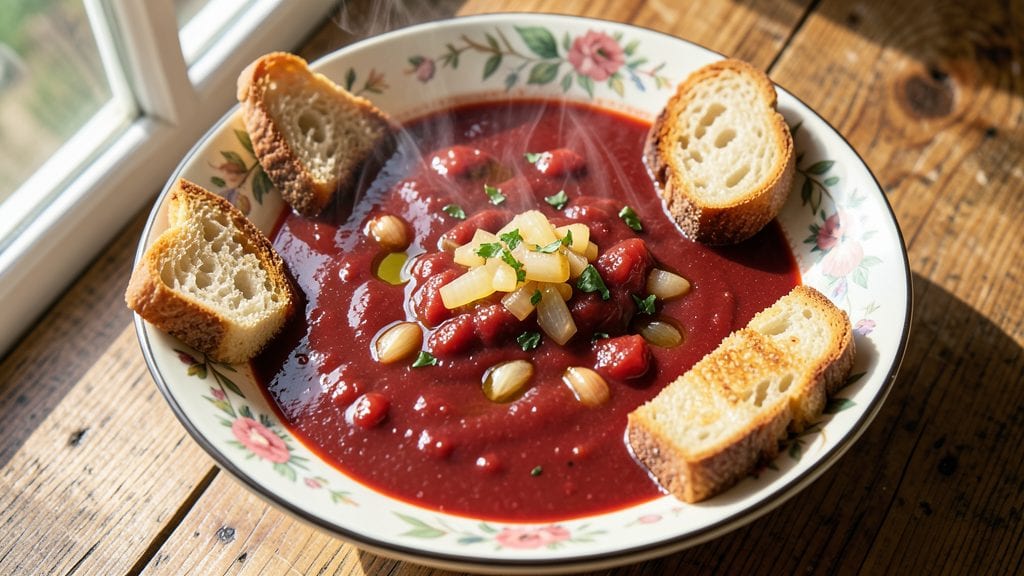
This Amish tomato soup recipe brings the comforting warmth of Pennsylvania farm kitchens into your home, where slow-simmered tomatoes blend with homestyle bread for a creamy, hearty texture that defines traditional Amish cooking.
The secret lies in the bread-based thickening—a technique passed down through generations—that creates that signature velvety consistency without relying on heavy cream.
I first tasted this version at an Amish community gathering, where the soup was served steaming hot in cast-iron bowls, and it became my benchmark for any tomato soup I make today.
The beauty of this recipe is its simplicity combined with depth of flavor. You'll start with fresh tomatoes (or high-quality canned if fresh aren't available), simmered for hours until their natural sweetness concentrates into a rich broth.
The bread—traditionally a day-old crust or sourdough—absorbs the liquid and dissolves into the soup, creating that signature thick, almost custard-like texture that sets this version apart from lighter tomato soups. The process requires patience, but the result is a soup so satisfying it becomes the centerpiece of any meal.
What makes this soup truly special is how it transforms ordinary ingredients into something extraordinary. The slow simmer develops complex flavors—caramelized edges on the tomatoes, nutty undertones from the bread, and a subtle sweetness that balances the acidity.
Each spoonful delivers that comforting, homestyle richness that feels like a warm hug on a chilly day. This isn't just soup; it's a taste of tradition, a recipe that connects you to the generations of Amish cooks who perfected it in their own kitchens.
Perfect for pairing with crusty cornbread or grilled cheese sandwiches, this soup is equally at home as a light lunch or a hearty dinner. The best part? It tastes even better the next day, making it ideal for meal prep or feeding a crowd.
Ready to bring a taste of Amish homestyle cooking into your kitchen? Here's how to make it—step by step.
Ingredients for amish tomato soup
Fresh tomatoes, crusty bread, and slow-simmered patience create this Amish-style tomato soup's signature velvety richness.
| Ingredient | Amount | Notes |
|---|---|---|
| Fresh Tomatoes 🍅 | 4 lbs | Vine-ripened, halved for simmering |
| Day-Old Sourdough Bread 🍞 | 1 ½ cups | Crust removed, torn into chunks |
| Yellow Onion 🧅 | 1 whole | Medium, diced for base |
| Garlic Cloves 🧄 | 4 cloves | Peeled, smashed for aroma |
| Extra-Virgin Olive Oil 🫒 | ¼ cup | High-quality, fruity variety |
| Vegetable Broth 💧 | 4 cups | Low-sodium, homemade preferred |
| Salt 🧂 | 1 ½ tsp | Diamond Crystal kosher |
| Black Pepper 🌶️ | ½ tsp | Freshly cracked, coarse grind |
| Sugar 🍬 | 1 tbsp | Granulated, balances acidity |
| Fresh Basil Leaves 🌿 | ¼ cup | Torn, for finishing |
| Heavy Cream 🥛 | ½ cup | Optional, for extra richness |
| Balsamic Vinegar 🍷 | 1 tbsp | For depth, aged variety |
The tomatoes are the heart of this soup—heirloom varieties bring the most complex flavor, but San Marzano canned tomatoes work beautifully when fresh aren't available. I always buy my fresh tomatoes from local farmers markets in late summer, but Whole Foods' pre-cut Roma tomatoes are a reliable grocery store alternative. For the bread, day-old sourdough crusts are traditional, but stale baguettes or Italian bread work just as well. The key is using bread that's completely dry—it'll dissolve seamlessly into the soup without leaving a gummy texture. If you can't find sourdough, Pepperidge Farm milk bread from the bakery section is my go-to store-bought shortcut.
No fresh basil? Dried basil at one-third the amount will work in a pinch, though it won't have that same bright finish. The balsamic vinegar might seem like an odd addition, but trust me—it adds a sophisticated depth that balances the tomatoes' natural sweetness. For the broth, low-sodium is crucial—you don't want to over-salt your soup later. If you're making a big batch, Trader Joe's low-sodium vegetable broth is my favorite store-bought option. The heavy cream is completely optional but adds that signature Amish richness—if you skip it, just stir in an extra tablespoon of olive oil at the end for body. And if you're using canned tomatoes, drain and rinse them to remove excess acidity before simmering.
This soup tastes even better the next day as the flavors meld together. Store it in the fridge for up to 5 days in an airtight container, or freeze portions for up to 3 months—it reheats beautifully. I always make a double batch because it disappears so quickly. For freezing, portion it into single-serving jars so you can just grab one when you need it. The bread chunks can be prepped ahead and stored in the freezer until you're ready to cook. Just don't skip the slow simmer—the 3-4 hour cooking time is what develops those deep, caramelized flavors that make this soup so special.
Why You'll Love This Recipe
- No-Waste Wonder: I swear by this trick—day-old sourdough that’s past its prime? Perfect. Tear it up, toast it lightly, and it turns into the creamiest, most satisfying thickener. No fancy blenders or store-bought roux needed.
- Garlic-Onion Punch: That slow-sautéed onion and garlic base? It’s the soul of this soup. Deep, caramelized sweetness with a sharp garlic kick—like a warm hug in a bowl. (Yes, even on a Tuesday night.)
- Crowd-Pleaser Flex: Bring this to a potluck or serve it at a picnic—it’s hearty enough for a main but light enough for company. The sourdough croutons add crunch, so everyone’s reaching for seconds.
- Budget-Friendly Leftovers: Tomatoes are cheap this time of year, and sourdough? You’ll have it anyway. Make a big batch, and it tastes even better the next day—reheats like a dream, and the flavors meld into something richer. My wallet and my taste buds thank me.
Step-by-step instructions for Amish tomato soup
Here's how to create that deeply comforting, slow-simmered tomato soup with a velvety texture and perfect balance of sweetness and acidity.
Sauté the Aromatic Base
Heat the 0.25 cup extra-virgin olive oil in a large Dutch oven over medium heat. Add the 1 whole yellow onion, sliced into small dice, and cook for 5-6 minutes until softened and translucent. The onion should release its sweetness without browning—this forms the flavor foundation.
Add the 4 cloves garlic cloves, smashed with the side of your knife to release their aroma without mincing. Cook for 30 seconds until fragrant but not colored. Here's the thing—don't let the garlic burn. It turns bitter quickly, and you want that sweet, mellow garlic flavor to shine through the tomatoes. Stir constantly during this final minute to prevent browning.
Build the Tomato Base
Add the 4 lbs fresh tomatoes, halved and cored, along with the 1 tbsp sugar and 1.5 tsp salt. Stir well to combine all ingredients. Bring the mixture to a gentle boil over medium-high heat, then immediately reduce to low heat. This is where the magic happens—you want a slow simmer that develops deep flavor without scorching.
Cover the Dutch oven and let the tomatoes cook for 20 minutes, stirring occasionally. You'll notice the tomatoes break down and release their juices, creating a thick, rich puree. The sugar helps balance the natural acidity of the tomatoes, while the salt enhances all flavors. Keep the heat low enough that the mixture barely bubbles—this prevents a skin from forming on top.
Incorporate the Bread and Broth
After the initial simmering, add the 1.5 cups day-old sourdough bread, torn into chunks. The bread will absorb some of the tomato liquid as it softens, creating a rustic texture. Stir in the 4 cups vegetable broth and 0.5 tsp black pepper, then bring the mixture back to a gentle simmer. Here's the moment that matters: let it cook uncovered for 30-40 minutes, stirring occasionally.
You're looking for the bread to completely break down and the soup to thicken naturally. The sourdough adds a subtle tang that complements the tomatoes beautifully. If the soup becomes too thick before the bread is fully incorporated, add a splash of water or broth to maintain the right consistency. The soup should coat the back of a spoon but still be smooth, not gluey.
Finish with Cream and Acid
Remove the soup from heat and stir in the 0.5 cup heavy cream (if using) and 1 tbsp balsamic vinegar. The cream adds luxurious richness while the balsamic vinegar introduces a sophisticated depth that elevates this from basic tomato soup to something truly special. Taste and adjust seasoning—you might need a pinch more salt or a splash more vinegar to balance the flavors.
For the final touch, stir in the 0.25 cup fresh basil leaves, torn by hand. The basil should be distributed evenly throughout the soup. Let the soup sit off the heat for 5 minutes to allow the flavors to meld completely. This resting period ensures the cream doesn't curdle and gives you time to prepare your serving bowls.
Serve Warm with Crusty Bread
Ladle the soup into bowls and serve immediately while warm. The texture should be velvety with just enough body to coat a spoon, and each bite should deliver layers of sweet tomato, tangy bread, and rich cream. Garnish with additional torn basil leaves if desired, though the flavor is already well-developed.
This soup tastes even better the next day as the flavors continue to meld, but it's best served fresh when the bread pieces are still tender. Pair with crusty sourdough bread or grilled cheese sandwiches for the ultimate comfort food experience. The contrast of the warm, creamy soup with crispy bread is pure perfection.
Pro Tips For Making Amish Tomato Soup
- CHAR THE ONIONS LOW: I learned this the hard way—high heat turns onions bitter and caramelizes too fast. Simmer them in olive oil over medium-low for 8–10 minutes until deep golden, not brown. This builds the soup’s sweet base without burning.
- TOAST THE BREAD FIRST: Skip the soggy bread by toasting day-old sourdough slices until crisp, then crumble. The extra crunch and toasted flavor make a real difference, especially if you’re serving it as a side. (Yes, even if you’re impatient like me.)
- PEEL TOMATOES HALFWAY: For easier peeling, blanch whole tomatoes in boiling water for 30 seconds, then ice bath. The skin slides off cleanly—no stubborn patches. Or, if you’re lazy, just score an "X" on the bottom and peel after cooking.
- SALT THE BREAD WATER: Dissolve the bread cubes in cold salted water (½ tsp salt per cup) instead of warm. It prevents a gluey texture and keeps the soup’s body smooth. Trust me, your spoon won’t stick together mid-sip.
Dietary considerations for this recipe
Gluten-Free Adaptation
The traditional bread base makes this soup naturally rich, but you can easily adapt it for gluten-free diets using gluten-free bread or certified GF sourdough. I recommend Canyon Bakehouse gluten-free bread—it dissolves beautifully without altering the texture.
For extra insurance, use gluten-free vegetable broth like Pacific Foods GF broth to avoid cross-contamination. The key is choosing a GF bread with a similar density to sourdough, so it breaks down properly during simmering. 🌾
Dairy-Free Version
Skip the heavy cream entirely and replace it with full-fat coconut milk (about ½ cup) for a dairy-free alternative that still adds richness. The coconut milk's natural sweetness complements the tomatoes beautifully.
For extra body, stir in 1 tablespoon cornstarch mixed with 2 tablespoons water at the end to thicken the soup slightly. I also recommend adding an extra ½ teaspoon salt to compensate for the reduced saltiness of coconut milk. 🥥
Low-Carb Options
For a lower-carb approach, replace the bread with almond flour or coconut flour (about ¼ cup) mixed with 2 tablespoons water to create a paste. Simmer this with the tomatoes for 15 minutes before adding the broth.
The result is a creamier texture without the bread's starch. Alternatively, use cauliflower rice (about 1 cup) as a thickening agent—it adds a subtle vegetable note that pairs surprisingly well with tomatoes. 🥬
Vegetarian-Friendly
This soup is already vegetarian, but you can enhance its protein content by adding white beans (about 1 cup cooked) during the final 15 minutes of simmering. The beans blend seamlessly into the soup while adding heartiness.
For extra umami, stir in 1 teaspoon nutritional yeast when finishing the soup—it gives a cheesy, savory depth without dairy. 🌱
Allergen Considerations
Always check ingredient labels for hidden allergens. The balsamic vinegar may contain wheat or soy in some brands—I recommend Annie's Organic balsamic vinegar, which is clearly labeled gluten-free and soy-free. For basil, ensure it's grown without pesticides if you're sensitive to chemical residues.
When using canned tomatoes, opt for Bertolli brand, which is BPA-free and often has clearer allergen information. 🚫
Kid-Friendly Adjustments
Make this soup more appealing to picky eaters by blending it until completely smooth—this removes any bread chunks that might be off-putting. Reduce the balsamic vinegar to ½ teaspoon and add ½ teaspoon cinnamon for a subtle sweetness kids often enjoy.
Serve with buttered noodles or toasted cheese crackers on the side for dipping. The mild flavors make it a great introduction to homemade tomato soup. 🧒
Nutrition facts
Frequently asked questions
Why does Amish tomato soup use bread instead of flour?
The bread creates that signature velvety texture while adding subtle tangy depth—traditional Amish cooks relied on this method before commercial thickeners existed. The bread's natural starch breaks down during simmering, creating a smoother consistency than flour would provide. Plus, it adds rustic character that store-bought thickeners can't match!
Can I make this soup without fresh tomatoes?
Use 2 (28 oz) cans San Marzano tomatoes instead, drained and rinsed to remove excess acidity. For deeper flavor, add 1 tbsp tomato paste when sautéing the onions. The canned version still develops rich, concentrated flavors—just simmer 10-15 minutes longer to compensate for less water content.
How do I prevent the soup from getting too thick?
Add ¼ cup vegetable broth at a time while simmering if it becomes too thick. The bread should dissolve completely before the soup reaches its final consistency. For extra insurance, stir in 1 tablespoon cornstarch mixed with 2 tablespoons water at the end—this gives you better control over thickness than adding liquid during cooking.
What's the best bread for this recipe?
Day-old sourdough or Italian bread works best, but stale baguettes or even Pepperidge Farm milk bread from the bakery section are great shortcuts. Avoid soft breads—they'll turn mushy. The key is using bread that's completely dry, so it dissolves smoothly without leaving a gummy texture.
Can I make this soup in a slow cooker?
Yes! Sauté the onions and garlic first, then transfer everything to the slow cooker. Cook on low for 6-7 hours or high for 3-4 hours, stirring occasionally. The slow cooker's gentle heat enhances the tomatoes' natural sweetness. Just add the cream and basil at the very end to prevent curdling.