
Soups & Stews
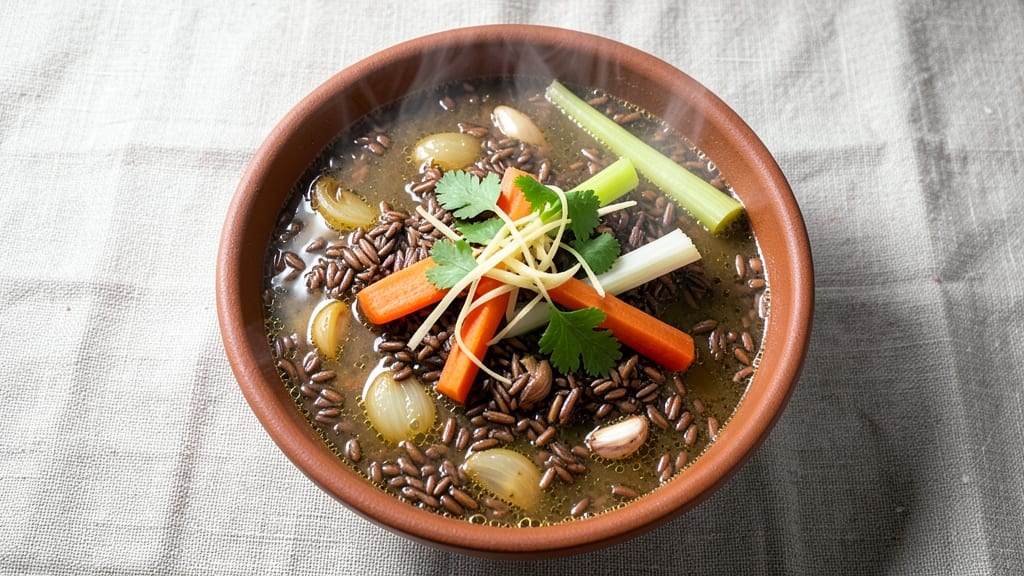
This Arabic freekeh soup recipe transforms smoky, nutty freekeh grains into a hearty vegetarian stew packed with toasted spice depth. The key lies in slow-cooked vegetable broth infused with cumin, allspice, and cinnamon—flavors that define Middle Eastern comfort food.
Unlike traditional versions, this vegetarian adaptation keeps the soulful essence while delivering rich, earthy satisfaction without meat.
The foundation begins with properly toasted freekeh grains, which develop their signature smoky flavor when roasted before cooking. I combine them with carrots, celery, and onions for natural sweetness, then build layers of warmth through slow simmering with garlic, ginger, and a blend of aromatic spices.
The result is a soup that's deeply flavorful yet balanced—never overpowering, always comforting.
What makes this dish special is how the freekeh absorbs the broth while maintaining its satisfying texture—neither mushy nor crunchy, but perfectly tender. The spices bloom gradually, creating complexity that rewards patience. Serve it with warm pita bread to soak up every last drop of that fragrant, nutty broth.
This recipe works equally well as a weeknight dinner or a showstopping vegetarian main course. The flavors develop even better the next day, making it ideal for meal prep. Garnish with fresh parsley, a squeeze of lemon, or a dollop of yogurt for brightness and creaminess.
Ingredients for arabic freekeh soup
Toasted freekeh and aromatic spices form the soul of this vegetarian stew, blending nutty depth with Middle Eastern warmth.
| Ingredient | Amount | Notes |
|---|---|---|
| Freekeh Grains 🌾 | 1 cup | Toasted for smoky depth |
| Yellow Onion 🧅 | 1 medium | Diced, for base flavor |
| Carrots 🥕 | 2 medium | Diced, for natural sweetness |
| Celery Stalks 🌿 | 2 whole | Diced, for aromatic depth |
| Garlic Cloves 🧄 | 4 cloves | Minced, for aromatic punch |
| Fresh Ginger 🌿 | 1 tbsp | Grated, for zesty warmth |
| Ground Cumin 🌶️ | 1 tbsp | Toasted for enhanced aroma |
| Ground Allspice 🌶️ | 1 tsp | For warm, earthy notes |
| Ground Cinnamon 🌶️ | ½ tsp | For subtle sweetness |
| Vegetable Broth 💧 | 4 cups | Low-sodium preferred |
| Canned Crushed Tomatoes 🍅 | 1 15 oz | San Marzano preferred |
| Extra-Virgin Olive Oil 🫒 | 2 tbsp | For roasting freekeh |
| Fresh Parsley 🌿 | ¼ cup | Chopped, for garnish |
| Lemon Juice 🍋 | 1 tbsp | Freshly squeezed |
| Plain Yogurt 🥛 | ¼ cup | For garnish, optional |
The freekeh demands attention—toast it in olive oil until nutty and fragrant before cooking. Most specialty stores carry it, but Middle Eastern markets often have the best quality. Look for grains that are uniformly toasted and free from debris. The spices—cumin, allspice, and cinnamon—should be freshly ground for optimal aroma, though pre-ground works in a pinch. For the tomatoes, San Marzano cans elevate the dish with their natural sweetness, but any quality crushed tomato will suffice.
No San Marzano tomatoes? High-quality canned tomatoes work well, just remove excess liquid. Fresh ginger can be substituted with dried ginger at half the amount, though fresh provides superior zing. The vegetable broth should be low-sodium to control seasoning—homemade or high-quality store-bought brands like Pacific Foods or Imagine are ideal. For extra richness, stir in a dash of tahini at the end. The yogurt garnish adds creaminess without dairy if using plant-based yogurt.
This soup tastes even better the next day as flavors meld. Store in an airtight container in the fridge for up to 5 days, or freeze for 3 months. Reheat gently on the stove, adding a splash of broth if needed. The freekeh thickens slightly when chilled, so a bit of water or broth helps restore its texture. Portion into meal prep containers for grab-and-go lunches—just add fresh parsley and lemon juice when ready to eat.
Why You'll Love This Recipe
- One-Pot Magic: I swear by this—no extra bowls, no fuss. Just toss the freekeh, onions, carrots, and celery into the pot, add broth, and let it simmer. The grains absorb everything while you handle the garlic and spices, which means less cleanup and more time to enjoy the process.
- Smoky Earthy Depth: Honestly, freekeh’s natural smokiness changes the game. That charred wheat flavor pairs perfectly with the sweetness of carrots and the sharp bite of garlic. It’s hearty but never heavy, like a warm hug in a bowl—especially when you finish with a sprinkle of cumin and lemon.
- Lunchbox Hero: Between us, this soup is the meal prep MVP. I make a big batch on Sundays, and it keeps beautifully for days. Pack it cold for lunches or reheat it for dinner—it’s just as good (if not better) the second time around, and the freekeh stays chewy and satisfying.
- Budget Booster: Carrots, celery, onions—these are the pantry staples you already own. Freekeh’s a bit pricier, but a bag lasts ages, and you stretch it into multiple meals. Plus, the flavor feels luxurious without breaking the bank. My wallet and my taste buds win.
Step-by-step instructions for Arabic freekeh soup
Transform toasted freekeh into a rich, aromatic soup with layered spice complexity.
Toast the Freekeh for Depth of Flavor
Heat the 2 tablespoons extra-virgin olive oil in a heavy-bottomed pot over medium-high heat. Add the 1 cup freekeh grains and toast them for 3-4 minutes, stirring constantly. You'll notice the grains darken slightly and release a nutty aroma—this is where the smoky depth begins. Remove the pot from heat immediately to prevent burning, then set aside the toasted freekeh.
This toasting step is critical. It enhances the freekeh's natural earthiness and prevents a raw, grainy texture in your finished soup. If you skip it, the soup will taste flat and underdeveloped. I recommend using a heavy pot to ensure even toasting without scorching.
Sauté Aromatics Until Fragrant
In the same pot, reduce heat to medium and add the 1 medium yellow onion, 2 medium carrots, and 2 whole celery stalks, all diced into ¼-inch pieces. Cook for 8-10 minutes, stirring occasionally, until the vegetables soften and the onion becomes translucent. Add the 4 cloves garlic cloves (minced) and 1 tablespoon fresh ginger (grated), cooking for an additional 1-2 minutes until fragrant.
This foundational step builds the soup's aromatic base. The vegetables should release their natural sweetness while the garlic and ginger infuse their signature warmth. If the vegetables begin to brown too quickly, reduce heat slightly to prevent burning—burnt aromatics will overpower the delicate freekeh flavor.
Build the Spice Base
Add the 1 tablespoon ground cumin, 1 teaspoon ground allspice, and ½ teaspoon ground cinnamon to the pot. Stir for 30 seconds to toast the spices and release their essential oils. Then pour in the 1 15 oz canned crushed tomatoes and cook for 2-3 minutes, stirring constantly, until the mixture thickens slightly and the raw tomato flavor mellows into a rich, umami base.
The spices should meld seamlessly with the vegetables, creating a warm, earthy foundation. If you notice the spices burning (they'll darken quickly), immediately reduce heat to low and stir continuously. This step is where the soup's signature Middle Eastern warmth develops—don't rush it.
Simmer with Broth and Freekeh
Pour in the 4 cups vegetable broth and add the toasted freekeh back to the pot. Bring to a gentle boil, then reduce heat to low and simmer uncovered for 30-35 minutes, stirring occasionally. The freekeh should absorb the liquid and become tender with a slight bite—it should be fork-tender but not mushy. If the soup reduces too much, add ½ cup water at a time to maintain the desired consistency.
This simmering time is crucial for developing the freekeh's texture. The grains should be tender enough to eat with a spoon but still hold their shape. If the soup seems too thick, adjust with additional broth. The freekeh's natural nuttiness will now dominate the flavor profile, balanced by the toasted spices and sweet vegetables.
Finish with Bright Acid and Garnish
Remove the pot from heat and stir in the 1 tablespoon lemon juice and ½ cup fresh parsley (chopped). Taste and adjust seasoning with salt if needed—the lemon juice brightens the dish and cuts through the richness of the freekeh and spices. For serving, dollop each bowl with ¼ cup plain yogurt and garnish with additional parsley.
The lemon juice adds a vital freshness that prevents the soup from becoming too heavy. The yogurt, when stirred into each serving, adds a cooling contrast to the warm, spiced freekeh. Serve immediately while the freekeh is still warm and the flavors are at their peak. This soup tastes even better the next day as the flavors continue to meld.
Pro Tips For Making Arabic Freekeh Soup
- TOAST THE FREEKEH: I learned this the hard way—skipping the toast ruins the texture. Lightly dry-toast the freekeh in a pot over medium-high heat for 2-3 minutes before adding liquid. It deepens the nutty flavor and prevents a mushy final result.
- CHOP ONIONS SMALL: Tiny dice, not slices. Arabic freekeh soup demands finely chopped onions (1/4-inch pieces) so they melt into the broth without leaving chunks. Use a sharp knife or food processor—this isn’t the time to be lazy.
- SAVOURY BASE FIRST: Cook the onion, carrot, and celery until deeply caramelized (10-12 minutes) before adding garlic. The slow development of these flavors is what makes the soup sing—rushing this step makes it taste flat.
- SALT THE WATER: Freekeh absorbs liquid like a sponge. Start with a well-seasoned broth (1 tsp salt per liter) to avoid blandness. Adjust later if needed, but don’t skip this—it’s the thing that matters most for depth.
Flavor customization for this dish
Spice Level Control
Adjust heat to your preference by modifying the spice blend. For a mild version, reduce allspice to ½ teaspoon and omit the cinnamon entirely. If you crave medium heat, keep the original spices but add ¼ teaspoon cayenne pepper during the simmer.
For bold spice lovers, double the allspice to 2 teaspoons and add ½ teaspoon smoked paprika for depth. Toast the spices longer (up to 1 minute) to intensify their aroma without adding more. 🌶️
Sweet-Tangy Balance
Enhance the dish's natural sweetness by adding ½ cup diced roasted red peppers with the vegetables or stirring in 1 tablespoon honey during the final simmer. For tanginess, increase lemon juice to 2 tablespoons or add 1 tablespoon apple cider vinegar at the end.
I love adding ½ cup cooked chickpeas for texture and a subtle sweetness that complements the freekeh's nuttiness. 🍯
Herb Variations
Swap parsley for cilantro or dill to change the herb profile completely. For a Mediterranean twist, add 1 tablespoon chopped fresh mint at the end. If you prefer earthy herbs, try thyme or rosemary during the simmer.
Fresh herbs should always be added at the very end to preserve their bright flavors—never cook them too long or they'll turn bitter. 🌿
Umami Boosters
Deepening the umami profile elevates this soup dramatically. Stir in 1 tablespoon soy sauce or 1 teaspoon miso paste during the final simmer for a savory depth. Add 2 tablespoons tahini at the end and whisk vigorously for a creamy, nutty richness.
For a meaty texture without meat, include ½ cup finely chopped mushrooms with the vegetables. These additions work especially well if you're serving the soup as a standalone vegetarian main course. 🍄
Texture Contrasts
Add ¼ cup toasted pine nuts or slivered almonds for crunch, or stir in ½ cup cooked lentils for heartiness. For a creamy element, fold in ¼ cup Greek yogurt at the end instead of serving it as a garnish.
If you want extra freshness, top with ¼ cup diced cucumber or ¼ cup shredded radish—both add a refreshing bite that cuts through the soup's richness. 🥜
Regional Twists
For a Lebanese-inspired version, add 1 teaspoon sumac and ½ teaspoon cardamom to the spice blend. A Moroccan adaptation calls for 1 teaspoon harissa paste and ½ teaspoon ground coriander. For a Turkish touch, stir in 1 teaspoon dried mint and serve with crusty lavash bread.
Each regional variation maintains the freekeh's nutty base while introducing distinct spice profiles that reflect local traditions. 🗺️
Nutrition facts
Frequently asked questions
What makes freekeh different from other grains like quinoa or bulgur?
Freekeh is unique because it's made from green wheat that's roasted over an open flame before dehusking, giving it a distinctive smoky, toasty flavor and chewy texture. Unlike quinoa (a seed) or bulgur (steamed and dried), freekeh's roasting process creates its signature depth. It's also higher in protein and fiber, making it a heartier grain for soups and stews.
Can I substitute freekeh with another grain if I can't find it?
While nothing perfectly replaces freekeh's smoky flavor, you can use a mix of bulgur wheat (½ cup) and toasted quinoa (½ cup) as a close substitute. For texture, add 1 tablespoon smoked paprika to mimic the roasted notes. However, the flavor won't be identical—freekeh's nutty, earthy profile is hard to replicate. Check Middle Eastern or specialty grocery stores first!
How do I know when the freekeh is fully cooked in the soup?
The freekeh should be fork-tender but still hold its shape—like al dente pasta. Press a grain with your fork: it should yield slightly but not fall apart. If it's still crunchy after 35 minutes, add ¼ cup water and simmer 10 more minutes. Overcooking turns it mushy, which ruins the dish's texture. The broth should coat the back of a spoon but not be watery.
Can I make this soup in an Instant Pot or pressure cooker?
Yes! After toasting the freekeh and sautéing the aromatics, add all ingredients except the lemon juice and parsley. Seal the lid and cook on high pressure for 12 minutes, then quick-release. The freekeh will absorb the liquid faster—adjust with ½ cup broth if needed. Finish with fresh herbs and lemon as directed. Pressure cooking cuts the simmer time to 15 minutes total!
Why does my freekeh soup taste bitter?
Bitterness usually comes from over-toasting the freekeh (burnt flavor) or overcooking the spices. Toast spices for only 30 seconds and remove the pot from heat immediately. For depth without bitterness, add 1 tablespoon honey or ½ cup diced roasted red peppers to balance flavors. Always use fresh spices—they lose potency over time.