
Soups & Stews
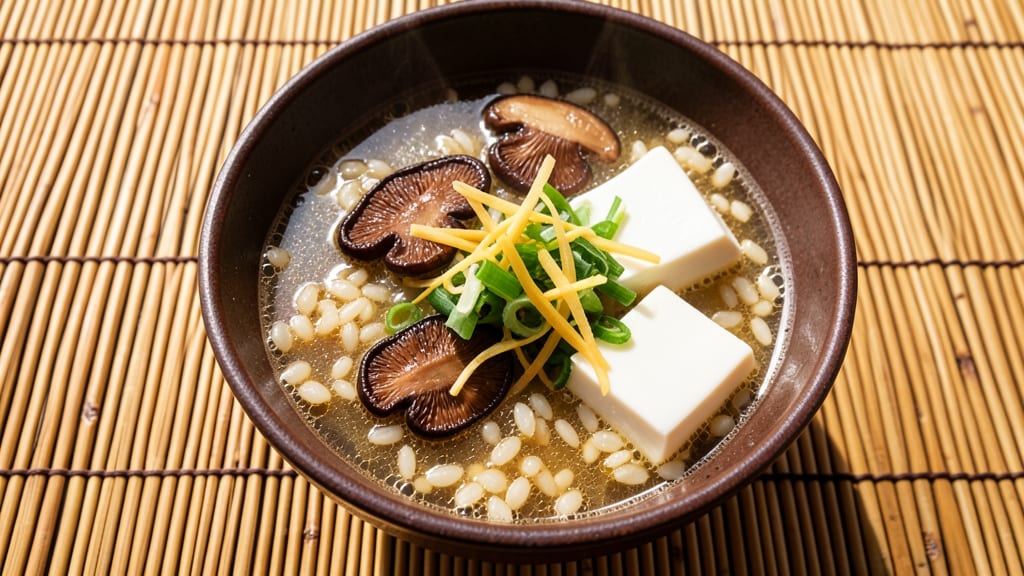
This Chinese amaranth soup delivers nutty earthiness and silky ginger zing in every spoonful, blending ancient grain traditions with modern vegetarian techniques. The secret lies in properly preparing amaranth—soaking it overnight to unlock its natural creaminess while maintaining that signature tofu-like texture Chinese cooks prize.
What makes this recipe special is balancing amaranth's earthy notes with bright ginger, umami mushrooms, and delicate scallions, creating a broth that's both comforting and sophisticated.
The beauty of this soup is its versatile foundation—you can build it with either a rich vegetable broth or silky tofu-based broth, both yielding that signature wok-hei aroma when finished.
The amaranth transforms from raw grain to tender, silky strands that absorb the broth's flavors while adding a satisfying chew. Each ingredient plays a precise role: mushrooms deepen umami, ginger adds warmth, and scallions bring freshness, all coming together in a harmonious texture that's both rustic and refined.
What you'll achieve is a soup that's deeply flavorful yet light, perfect for chilly days or as a nourishing vegetarian main. The amaranth creates a creamy yet textured base that stands up to bold flavors, while the ginger-infused broth delivers that silky zing that makes this dish unforgettable.
Serve it steaming hot in deep bowls, garnished with crisp scallions and toasted sesame seeds for that final touch of authenticity.
This recipe respects traditional Chinese techniques while making them accessible—no special equipment required beyond a pot and patience. The result is a soup that feels restaurant-quality at home, with layers of flavor that develop as it simmers.
Whether you're exploring vegetarian Chinese cuisine or simply craving something comforting, this amaranth soup delivers nutritious satisfaction with every spoonful.
Ingredients for amaranth soup recipe chinese
Ancient grain meets modern technique in this Chinese-inspired vegetarian masterpiece.
| Ingredient | Amount | Notes |
|---|---|---|
| Amaranth Grain 🌾 | ½ cup | Soaked overnight, drained |
| Shiitake Mushrooms 🍄 | 8 oz | Fresh or rehydrated dried |
| Fresh Ginger 🧄 | 2 tbsp | Minced, peeled root |
| Green Onions 🧅 | ¼ cup | Thinly sliced, white and green |
| Vegetable Broth 💧 | 4 cups | Low-sodium preferred |
| Silken Tofu 🧈 | 6 oz | For creamy texture option |
| Sesame Oil 🫒 | 1 tbsp | Toasted, for aroma |
| Toasted Sesame Seeds 🌰 | 1 tsp | For garnish |
| Garlic Cloves 🧄 | 3 cloves | Minced, aromatic base |
| Dried Shiitake Mushrooms 🍄 | ½ oz | Optional, for depth |
| Low-Sodium Soy Sauce 🥢 | 1 tbsp | For umami balance |
| White Miso Paste 🧈 | 1 tbsp | For fermented richness |
| Cornstarch 🌾 | 1 tsp | For broth thickening |
| Water 💧 | 2 tbsp | For cornstarch slurry |
The amaranth is the soul of this dish—soak it overnight to soften while preserving that prized tofu-like texture. Bob's Red Mill or Ancient Harvest brands yield the best results, with grains that maintain their integrity during cooking. For the mushrooms, fresh shiitake delivers the most umami, but dried rehydrated in hot water works beautifully too. The ginger should be vibrant and firm, with no soft spots—Whole Foods or Asian markets typically carry the freshest roots. Garlic cloves should be plump and unblemished, as they form the aromatic base of the broth.
No fresh shiitake? Dried shiitake mushrooms are a perfect substitute—they concentrate umami when rehydrated. Running low on silken tofu? Cashew cream (blend 1 cup soaked cashews with 1 cup water) mimics the silky texture beautifully. The miso paste can be swapped for white wine or coconut aminos if unavailable, though the fermented depth is ideal. For a vegetable broth shortcut, use Swanson or Pacific Foods low-sodium varieties, which balance flavor without excess salt. The sesame oil adds that signature wok-hei aroma—Kadoya or La Choy brands are reliable choices.
Amaranth keeps for 6 months in a sealed container, while fresh ginger lasts 2 weeks in the fridge. The broth mixture can be prepped 2 days ahead and stored in the refrigerator, with the amaranth added just before serving to maintain its texture. For a restaurant-quality finish, toast the sesame seeds in a dry pan until golden—30 seconds max—then sprinkle over each bowl. The soup reheats beautifully, with flavors deepening as it simmers further. Portion into containers for 3 days of meal prep, though the amaranth texture is best enjoyed fresh.
Why You'll Love This Recipe
- No Pre-Soaking Needed: I’ll admit, I was skeptical about amaranth—until I discovered you can just toast the grain first. Five minutes in a dry pan with a pinch of salt, and it’s ready. No waiting, no fuss, just a nutty, earthy base that builds flavor as the soup simmers.
- Umami Bomb Combo: Shiitake mushrooms and fresh ginger? That’s a flavor powerhouse right there. The mushrooms soak up the broth while staying tender, and the ginger adds this bright, warm kick that cuts through any richness. It’s the kind of taste that makes you pause mid-sip—damn, that’s good.
- Lunchbox Magic: Between us, this soup reheats like a dream. Pack it the night before, and by lunchtime, it’s just as rich and comforting as when it came out of the pot. Add a sprinkle of green onions on top, and suddenly you’ve got a meal that’s actually worth bringing to work.
- Budget-Friendly Protein: Amaranth is a pantry superstar—it’s cheap, shelf-stable, and packs a protein punch. Pair it with shiitakes (which last forever if you store them right) and vegetable broth, and you’ve got a hearty, filling soup that won’t break the bank. Honestly, it’s the kind of recipe that makes grocery day less stressful.
Step-by-step instructions for amaranth soup with Chinese-inspired flavors
This method transforms simple ingredients into a velvety, nutty soup with layers of umami and ginger's bright zing.
Prepare the Amaranth and Aromatics
In a medium saucepan, combine the soaked and drained 0.5 cup amaranth grain with the 4 cups vegetable broth. Bring to a gentle simmer over medium heat and cook for 15 minutes, stirring occasionally to prevent sticking. The amaranth should be tender but still slightly al dente—it will continue cooking as the soup finishes.
In a separate small bowl, whisk together the 1 tbsp white miso paste with 2 tbsp water until completely dissolved. This creates a smooth paste that will blend seamlessly into the broth. Set aside for now—you'll add it later to preserve its delicate flavor.
Build the Umami Base with Shiitake and Ginger
While the amaranth simmers, heat 1 tbsp sesame oil in a large skillet over medium heat. Add the 8 oz shiitake mushrooms (sliced) and 3 cloves garlic cloves (minced), cooking for 5-6 minutes until the mushrooms release their moisture and begin to brown. This caramelization deepens their earthy flavor.
Stir in the 2 tbsp fresh ginger (minced) and 0.5 oz dried shiitake mushrooms (crumbled) if using. Cook for another 2 minutes until the ginger becomes fragrant and slightly fragrant—this is when it releases its signature zing. Remove from heat and set aside.
Thicken the Broth and Incorporate Silken Tofu
Return the simmering amaranth mixture to medium heat. Stir in the cooked shiitake and ginger mixture, then add the 1 tbsp low-sodium soy sauce and the miso-water mixture. Simmer for 5 minutes to allow the flavors to meld.
In a small bowl, whisk together the 1 tsp cornstarch with 2 tbsp water to create a smooth slurry. Slowly pour this into the soup while stirring constantly. The soup will begin to thicken immediately—simmer for another 3-4 minutes until it reaches a velvety consistency, coating the back of a spoon. Remove from heat and gently fold in the 6 oz silken tofu (crumbled), which will add a delicate creaminess.
Finish with Garnishes and Serving
Taste the soup and adjust seasoning if needed—you may want to add a pinch more soy sauce for saltiness or a splash of broth for acidity. Ladle the soup into bowls and garnish with 0.25 cup green onions (thinly sliced) and 1 tsp toasted sesame seeds. The sesame seeds add a nutty crunch that contrasts beautifully with the silky broth.
Serve immediately while hot, as the amaranth continues to absorb liquid and the flavors deepen with each passing minute. This soup is best enjoyed fresh, with the contrast of warm, nutty amaranth against the bright ginger and umami-rich mushrooms creating a harmonious balance.
Pro Tips For Making Amaranth Soup Recipe Chinese
- SOAK AMARANTH 30 MINUTES: I learned this the hard way—skipping the soak means your amaranth will turn into a gluey mess instead of tender, separate grains. Use twice the water by volume (e.g., 1 cup amaranth to 2 cups water), let it sit while you prep the mushrooms, then rinse before cooking. That 30-minute wait guarantees texture that actually holds up in soup.
- SLICE SHIITAKES THIN: Thick shiitake slices stay chewy no matter how long you simmer. Cut them paper-thin (1-2mm) against the grain, and they’ll melt into the broth in 5 minutes instead of 20. Pro move: Pat them dry first—they’ll brown faster and release their umami punch sooner.
- SAUTÉ GINGER UNTIL FRAGRANT: Raw ginger just sits there like a wall in the soup. Toast your slices in the dry pot for 30 seconds until the edges crisp and the kitchen smells like a spice market. Then add oil—this step unlocks the ginger’s heat and aroma without bitterness. (Yes, even if you’re impatient like me.)
- RESERVE BROTH FOR FINISHING: The first batch of vegetable broth you simmer the mushrooms in gets cloudy and loses depth. Strain the mushrooms, then set aside 1 cup of that strained broth to add at the very end. It’ll brighten the soup’s color and balance the earthy amaranth without thinning it out. (Your future self will notice the difference.)
Best sauces and condiments for these flavors
Ginger-Soy Sauce
This sauce is the soul of your amaranth soup—it balances the earthy amaranth with bright ginger and umami depth. Start by whisking together 1 tbsp low-sodium soy sauce, 1 tbsp white miso paste, and 2 tbsp water in a small bowl.
For extra zing, add 1 tbsp minced fresh ginger and let it steep for 5 minutes before incorporating into the soup. The miso adds fermented richness while the ginger brightens the broth. 🧄
Toasted Sesame Oil
Use 1 tbsp toasted sesame oil to sauté your mushrooms and garlic—this adds that signature wok-hei aroma that elevates the dish. Heat the oil in a skillet over medium heat until fragrant (about 30 seconds), then add your mushrooms and garlic.
The oil should smell nutty and warm, not burnt. Brands like Kadoya or La Choy work perfectly. 🫒
Miso-Ginger Slurry
For a silky finish, blend 1 tbsp white miso paste with 2 tbsp water into a smooth slurry. Stir this into the simmering soup just before adding the cornstarch slurry—it dissolves seamlessly, adding depth without overpowering.
If you don’t have miso, substitute with 1 tbsp coconut aminos for a milder umami kick. ✨
Cornstarch Slurry
Thicken the soup with a 1 tsp cornstarch slurry made by whisking it with 2 tbsp water. Stir this into the simmering broth and cook for 3-4 minutes until it reaches a velvety consistency.
This step ensures the soup coats the back of a spoon without becoming gluey. For a gluten-free option, use arrowroot powder instead. 💫
Sesame Seed Garnish
Toast 1 tsp sesame seeds in a dry pan over low heat for 30 seconds until golden and fragrant. Sprinkle them over the finished soup for a nutty crunch that contrasts beautifully with the silky broth.
Store-bought toasted seeds work too, but fresh toasted seeds add an extra layer of flavor. 🌰
Green Onion Finish
Thinly slice 0.25 cup green onions (white and green parts) and scatter them over the soup just before serving. The white parts add a mild onion flavor, while the green tops bring freshness. For extra brightness, add a squeeze of 1 tsp lime juice right before eating. 🧅
Nutrition facts
Frequently asked questions
Why does amaranth need to be soaked overnight?
Soaking amaranth overnight is essential to soften the hard outer shell while preserving its tofu-like texture—a key characteristic in Chinese cuisine. This process unlocks its natural creaminess and prevents the grains from becoming mushy during cooking. The overnight soak also helps the amaranth absorb flavors more effectively, creating that signature velvety mouthfeel in your soup.
Can I substitute silken tofu with another ingredient?
Yes! For a dairy-free option, blend 1 cup soaked cashews with 1 cup water for cashew cream, which mimics the silky texture beautifully. If you prefer a heartier base, add 0.5 cup cooked chickpeas or 1 cup blended butternut squash for natural sweetness and body. The key is maintaining that creamy contrast to the nutty amaranth.
How do I fix soup that's too thick or too thin?
For soup that's too thick, stir in 2 tbsp warm broth one spoonful at a time until reaching your desired consistency. If it's too thin, whisk 1 tsp cornstarch with 2 tbsp water and simmer for 2-3 minutes while stirring constantly. For a more natural fix, blend 0.5 cup cooked amaranth with 1 cup broth and stir back in—this adds body without altering flavor.
What's the secret to getting that authentic Chinese 'wok-hei' aroma?
That signature smoky aroma comes from toasted sesame oil and proper cooking technique. Heat the oil until fragrant (about 30 seconds over medium heat) before adding mushrooms and garlic—this releases aromatic compounds. Also, use a wok or deep skillet for better heat circulation, and finish with a quick sear of the mushrooms to develop their natural sweetness.
Can I make this soup ahead of time?
Yes, but with one key adjustment: Prepare the broth mixture (without amaranth) up to 2 days ahead and refrigerate. Add the amaranth just before serving to maintain its perfect texture. Reheat gently over low heat, stirring occasionally, and adjust seasoning as needed. The flavors actually deepen overnight, making it even more comforting when reheated!