
Soups & Stews
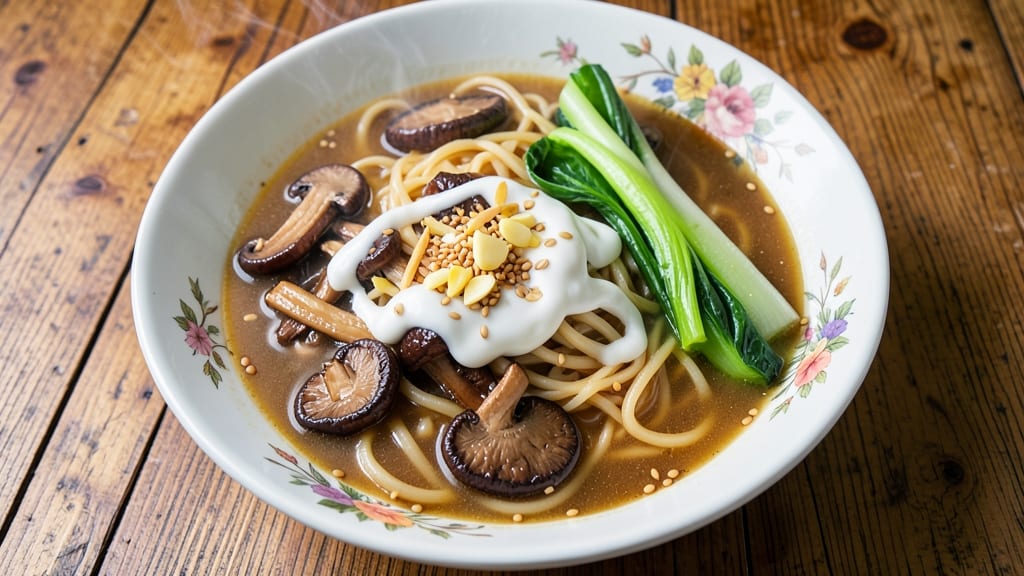
This Asian vegetarian noodle soup recipe delivers restaurant-quality umami depth without a single drop of meat. The secret lies in a rich mushroom broth infused with aromatic spices and slow-simmered for maximum flavor extraction—transforming simple ingredients into something deeply satisfying.
Whether you're craving a light lunch or a comforting dinner, this recipe balances hearty textures with bright, fresh elements for a bowl that's both nourishing and exciting.
The foundation is a deeply flavorful broth built from shiitake and cremini mushrooms, ginger, garlic, and a touch of miso paste for that signature umami kick. We'll cook it low and slow to develop complex layers of flavor while keeping the technique approachable for home cooks.
The noodles—chewy rice or delicate egg-free options—absorb the aromatic broth beautifully, creating the perfect vehicle for all the vibrant toppings.
What makes this recipe truly special is how it comes together: tender tofu cubes, crisp vegetables, fresh herbs, and a drizzle of chili oil for heat and color. Every component plays a role—from the earthy mushrooms to the bright lime wedge—creating a harmonious balance that feels both traditional and fresh.
The result is a bowl that's comforting yet sophisticated, perfect for any occasion.
Best of all, this recipe adapts effortlessly to dietary needs—using vegetable broth, plant-based proteins, and customizable spice levels. Let's get started on a bowl that will become your new go-to for quick, satisfying meals.
Ingredients for asian noodle soup recipe vegetarian
Restaurant-quality umami magic starts with these vibrant, aromatic ingredients—each playing a role in crafting a deeply satisfying vegetarian noodle bowl.
| Ingredient | Amount | Notes |
|---|---|---|
| Dried Shiitake Mushrooms 🍄 | 4 whole | Rehydrated in hot water |
| Fresh Cremini Mushrooms 🍄 | 8 oz | Sliced into thin strips |
| Fresh Ginger Root 🌿 | 1 tbsp | Finely grated, aromatic |
| Garlic Cloves 🧄 | 4 cloves | Minced for depth of flavor |
| White Miso Paste 🍶 | 2 tbsp | For umami richness |
| Vegetable Broth 💧 | 4 cups | Low-sodium preferred |
| Rice Noodles 🍜 | 8 oz | Egg-free, chewy variety |
| Extra-Firm Tofu 🧀 | 1 lb | Cubed, pressed for crispiness |
| Red Bell Pepper 🌶️ | 1 whole | Thinly sliced, crisp texture |
| Green Onions 🧅 | 3 whole | Thinly sliced, fresh garnish |
| Fresh Cilantro 🌿 | ¼ cup | Chopped, bright finish |
| Lime Wedges 🍋 | 2 whole | Freshly squeezed for acidity |
| Sesame Oil 🫒 | 1 tbsp | Toasted, aromatic finish |
| Chili Oil 🌶️ | 1 tbsp | For heat and color |
| Diamond Crystal Kosher Salt 🧂 | 1 tsp | Adjusts seasoning |
The mushrooms are the heart of this dish—shiitake for earthy depth and cremini for meaty texture. Grab the dried shiitake from Asian markets or the bulk section at Whole Foods; they pack more flavor than fresh. For cremini, look for plump, firm specimens—they should snap when bent. The miso paste? White miso from Marukome adds that signature umami without overpowering. Fresh ginger and garlic are non-negotiable here—organic from the farmers market has the most punch, but store-bought works in a pinch if it's labeled 'freshly grated'.
No fresh ginger? Powdered works at half the amount, but it lacks that bright zing. Swap cremini mushrooms for oyster mushrooms if you prefer—same chewy texture, different flavor profile. The tofu can be firm or extra-firm; pressing it for 20 minutes with a towel removes excess water for perfect crispiness. Trader Joe's sells pre-pressed tofu, which is a game-changer. For the noodles, rice noodles are ideal, but udon or soba work too—just adjust cooking time. The chili oil? Homemade with Sichuan peppercorns is ideal, but store-bought from La Choy is a solid shortcut.
Store the dried shiitake in a cool, dark place for up to 6 months—they'll rehydrate perfectly. Fresh mushrooms keep 5 days in the fridge, while ginger and garlic last 2 weeks if stored properly. The miso paste? Seal it tightly after opening and it'll last 1 year in the pantry. Prep the tofu and veggies ahead—they'll keep 3 days in the fridge, making this a perfect meal-prep dish. Freeze the broth in ice cube trays for quick future soups!
Why You'll Love This Recipe
- Pantry Magic: I swear by this recipe when my fridge is bare—just dried shiitake, a block of ginger, and miso paste turn into something restaurant-worthy. No last-minute grocery runs needed.
- Umami Bomb: That white miso paste? It’s the secret weapon—deep, salty, and savory without overpowering. Pair it with the earthy shiitake and crispy cremini mushrooms, and you’ve got a flavor punch that lingers.
- Lunchbox Hero: Between us, this soup reheats beautifully. Pack it in thermoses for work or school—still tastes fresh hours later. My son even brings it to soccer practice. (Yes, even on a Tuesday.)
- Budget Win: Dried shiitake stretch my grocery budget further than fresh, and cremini mushrooms are cheaper than they look. A single batch feeds four for under $10—leftovers? I’ll take them.
Step-by-step instructions for umami-packed vegetarian noodle soup
This vibrant, umami-rich noodle soup delivers restaurant-quality depth with simple techniques you'll master in minutes.
Rehydrate and Build the Mushroom Broth Foundation
Begin by rehydrating the 4 whole dried shiitake mushrooms in 4 cups hot vegetable broth for 15 minutes. This step unlocks their concentrated umami essence that forms the soul of your broth. While they soak, slice the 8 oz fresh cremini mushrooms into thin strips - they'll add meaty texture as they cook.
In a large pot over medium heat, add the rehydrated shiitake mushrooms (discard stems), cremini strips, 1 tbsp finely grated fresh ginger root, and 4 minced garlic cloves. Sauté for 5 minutes until mushrooms release their juices and develop golden edges. Here's where the magic happens - you're building flavor layers that will infuse your entire soup.
Develop Depth with Miso and Simmer the Broth
Stir in the 2 tbsp white miso paste and let it bloom for 1 minute - this transforms your broth from good to extraordinary. Add the reserved mushroom-soaking liquid and bring to a gentle simmer. The miso dissolves completely, creating a velvety umami base that will carry your entire dish.
Simmer uncovered for 15 minutes to allow flavors to meld. Skim off any foam that rises to the surface - this ensures a clean, silky broth. The aroma should be complex and inviting, with notes of earthy mushrooms, ginger's warmth, and garlic's sharpness. This is your flavor foundation, so don't rush this step.
Prepare and Press the Tofu
While the broth simmers, prepare the 1 lb extra-firm tofu for maximum crispiness. Drain the tofu and wrap it in a clean kitchen towel. Place a heavy object on top (like a cast-iron skillet) for 15 minutes to press out excess moisture. Cut the pressed tofu into 1-inch cubes - they'll develop a satisfying crunch when cooked properly.
In a separate skillet over medium-high heat, add 1 tbsp sesame oil and 1 tbsp chili oil. When shimmering hot, add the tofu cubes in a single layer. Cook undisturbed for 3-4 minutes until golden brown on all sides. Remove and set aside - these crispy tofu cubes will add essential texture contrast to your soup.
Assemble and Finish the Soup
Return the pot of simmering broth to heat and add 1 tsp diamond crystal kosher salt, adjusting to taste. Bring to a gentle boil, then add the 8 oz rice noodles and 1 whole thinly sliced red bell pepper. Cook for 2-3 minutes until noodles are tender but still have a slight bite. The noodles should float to the surface - this indicates perfect doneness.
Divide the soup among bowls and top each serving with crispy tofu cubes, 3 thinly sliced green onions, and 0.25 cup chopped fresh cilantro. Finish with freshly squeezed 2 lime wedges and an extra drizzle of chili oil. The bright acidity of lime cuts through the richness, while the chili oil adds just the right amount of heat and visual drama.
Serve with Confidence and Customize
Let each person squeeze lime juice to taste over their bowl - this personal touch ensures perfect balance. The crispy tofu adds satisfying texture contrast to the silky broth, while the fresh herbs provide a vibrant finish. This soup delivers restaurant-quality umami depth without any meat, proving that vegetarian dishes can be just as flavorful.
For extra richness, stir in an additional 1 tbsp sesame oil to each bowl before serving. The combination of toasted sesame aroma with the umami broth creates a truly memorable dining experience. Each spoonful should deliver layers of flavor - earthy mushrooms, savory miso, fresh herbs, and the perfect balance of heat and acidity.
Pro Tips For Making Asian Noodle Soup Recipe Vegetarian
- SOAK SHIITAKES LONG: Dried shiitakes need at least 20 minutes in hot water to plump properly—don’t cut corners here. The longer they soak, the deeper their umami flavor, and trust me, you’ll taste the difference when they’re tender and juicy.
- MINCE GINGER FINE: Use a sharp knife and chop that ginger into tiny, almost paste-like pieces—no big chunks. It melts into the broth instead of sitting as a textured afterthought, giving your soup that smooth, bright kick without any surprises.
- STIR MISO LAST: Add the white miso paste when the broth is simmering, not boiling—heat kills its delicate flavor. A quick stir and immediate removal from heat locks in that rich, salty depth. Overcooking it turns it bitter, and nobody wants that.
- TOAST GARLIC SLIGHTLY: Sauté those garlic cloves in oil for 30 seconds until just golden—they’ll add a nutty aroma that plain raw garlic can’t match. Skip this, and your soup tastes flat; do it right, and it’s the thing that makes people ask for seconds.
Storing and reheating this asian noodle soup recipe vegetarian
Broth Storage Secrets
The mushroom broth is where all the magic lives, so store it properly to preserve those deep flavors. Let it cool completely before transferring to an airtight glass container—I love Pyrex with snap-on lids—and refrigerate for up to 5 days.
For longer storage, freeze in quart-sized freezer bags with 1-inch headspace to prevent ice crystals. Thaw overnight in the fridge before reheating. 💧
Noodle Prep Ahead
Cook your 8 oz rice noodles just until al dente (about 2 minutes less than package instructions), then rinse under cold water to stop cooking. Store them in an airtight container with a damp paper towel to keep them from drying out.
They’ll last 3 days in the fridge—perfect for quick assembly later. For freezer storage, spread them on a tray to freeze solid, then transfer to a bag for up to 2 months. ❄️
Tofu Make-Ahead Trick
The crispy tofu cubes are the star of this dish, so prep them in advance. Cook and store them in the fridge for 3 days in an airtight container—they’ll stay crispy if you reheat them in a 350°F oven for 5 minutes before adding to the soup.
For longer storage, freeze them for up to 1 month and reheat directly from frozen in the oven. Pro tip: Toss them with ½ tsp cornstarch before freezing to maintain that satisfying crunch. 💡
Reheating Like a Pro
For the full bowl, combine all components in a pot with ½ cup water or broth and heat over medium-low for 5-7 minutes. Stir occasionally to prevent sticking—this keeps the noodles from turning mushy. If using frozen broth, thaw it in the fridge overnight before reheating.
For microwave reheating, cover with a damp paper towel and heat in 1-minute intervals until steaming. Always taste and adjust seasoning—reheated soup often needs a pinch more salt or a squeeze of lime. 🔥
Garnish Freshness
Fresh herbs and lime are non-negotiable for that bright finish. Store cilantro and green onions in airtight containers wrapped in a damp paper towel in the fridge for 5 days. Lime wedges keep for 1 week in the fridge—squeeze them just before serving for maximum zing.
For chili oil, store it in a small jar in the fridge for up to 3 months (the heat mellows slightly over time, so use it within 2 months for maximum punch). 🌿
Freezer Meal Prep
Assemble the full soup (without lime) in freezer-safe containers, leaving 1-inch headspace. Freeze for up to 3 months. When ready to eat, thaw overnight in the fridge, then reheat gently on the stove. The textures will soften slightly, but the flavors remain rich.
For a quicker option, microwave individual portions covered for 3 minutes, then stir in fresh herbs and lime at serving. This is my go-to for busy weeknights! ⏰
Nutrition facts
Frequently asked questions
Can I make this vegetarian noodle soup gluten-free?
Replace the rice noodles with gluten-free tamari noodles or buckwheat noodles, both available at Asian markets or health food stores. For extra safety, check that your miso paste and vegetable broth are certified gluten-free—some brands contain wheat. The rest of the recipe remains the same, delivering that same rich umami flavor without gluten.
What if I don't have dried shiitake mushrooms?
No problem! Use 8 oz fresh shiitake mushrooms instead of dried—just slice them thinly and add them directly to the pot with the cremini mushrooms. For even more depth, try king oyster mushrooms (they have a meaty texture) or enoki mushrooms for a delicate crunch. The flavor will still be amazing, just with slightly different texture notes.
How can I make this soup spicier?
Boost the heat by adding 1 tsp chili flakes or ½ tsp gochugaru (Korean chili powder) to the broth while simmering. For extra kick, stir in 1 tbsp sambal oelek at the end or serve with extra chili oil on the side. If you love fresh heat, top with thinly sliced Thai chilies or Sichuan peppercorns for a tingling sensation.
Can I use instant miso paste instead of white miso?
Yes, but expect a slightly different flavor profile. Instant miso dissolves faster and has a milder taste, so you might want to add an extra ½ tsp for depth. For the best results, use white miso as called for—it provides that authentic umami richness that makes this soup truly special. If you're in a pinch, a mix of both works well too!
What's the best way to store leftovers?
Store leftovers in an airtight container in the fridge for up to 3 days. The broth and noodles keep best separately—reheat the broth alone first, then add noodles and toppings. For freezing, portion the broth into ice cube trays and freeze the tofu and veggies separately. When reheating, add a splash of water or broth to prevent drying out.