
Soups & Stews
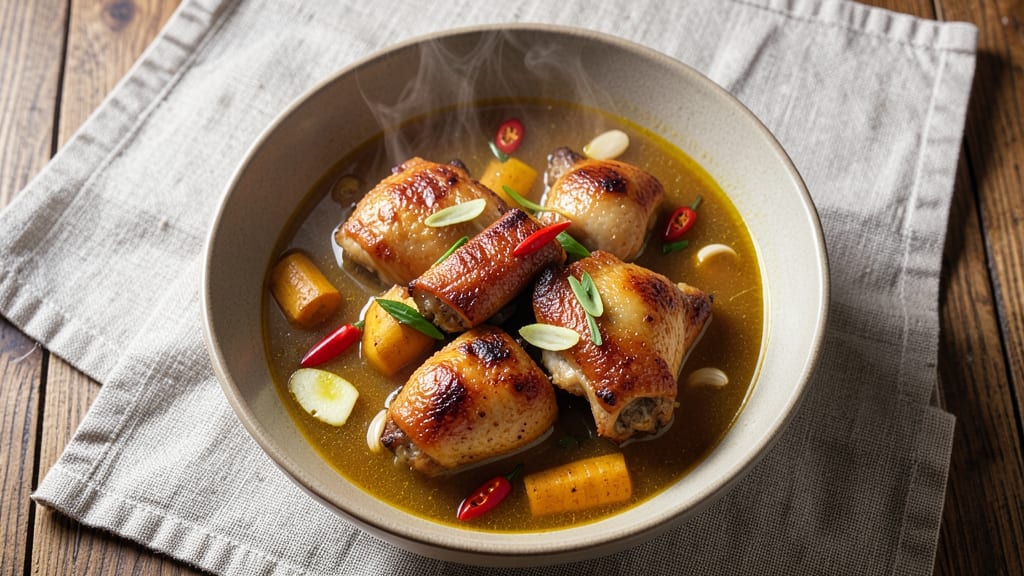
This Bangladeshi chicken soup recipe brings the aromatic heart of South Asia to your kitchen with its signature blend of turmeric, coconut milk, and mustard oil. The slow-simmered broth transforms tender chicken into melt-in-your-mouth pieces while spices like cumin, coriander, and green chilies create layers of warmth.
I first discovered this dish during a visit to Dhaka, where it was served steaming hot with a side of fluffy roti—the perfect balance of spice and comfort that stays with you long after the last spoonful.
The secret lies in the three-stage cooking process: first, the spices are toasted until fragrant, then simmered with ginger and garlic to build depth, and finally, the broth is enriched with coconut milk for a velvety finish.
Unlike many Western soups, this one relies on mustard oil for its signature smoky aroma, though a neutral oil works in a pinch. The addition of lentils or potatoes (if you prefer a heartier version) adds texture while keeping the dish authentically balanced.
What makes this recipe special is how it transports you to a bustling Bangladeshi kitchen—the sizzle of oil, the earthy scent of turmeric, and the gentle heat of green chilies. The broth is rich yet light, with just enough spice to linger without overwhelming.
It’s the kind of soup that warms you from the inside out, perfect for chilly evenings or as a healing meal when you need comfort. Serve it with a dollop of yogurt or a sprinkle of fresh cilantro for brightness.
While traditional versions vary by region, this recipe stays true to the classic Kacha Ghonto style, where raw spices are toasted for maximum flavor. The key is patience—letting the broth simmer low and slow until every ingredient melds into harmony.
Trust the process, and you’ll end up with a bowl of soup that tastes like home, no matter where you are. Ready to make it?
Ingredients for bangladeshi chicken soup
These aromatic ingredients transform simple chicken into a fragrant Bangladeshi masterpiece.
| Ingredient | Amount | Notes |
|---|---|---|
| Chicken Thighs 🍗 | 1 ½ lb | Bone-in, skin-on preferred |
| Mustard Oil 🫒 | ¼ cup | Or neutral oil if unavailable |
| Whole Turmeric Root 🌿 | 1 whole | Or 1 tbsp ground turmeric |
| Ginger Root 🧅 | 2 tbsp | Freshly grated, peeled |
| Garlic Cloves 🧄 | 6 cloves | Peeled, roughly chopped |
| Green Chilies 🌶️ | 2 whole | Fresh, stemmed and chopped |
| Ground Cumin 🌿 | 1 tbsp | Toasted for deeper flavor |
| Ground Coriander 🌿 | 1 tbsp | Freshly ground preferred |
| Coconut Milk 🥥 | 1 can | Full-fat, 13.5 oz can |
| Yellow Lentils 🌾 | ½ cup | Rinsed, or masoor dal |
| Fresh Cilantro 🌿 | ¼ cup | Chopped, for garnish |
| Plain Yogurt 🥛 | ¼ cup | Whole milk preferred |
| Salt 🧂 | 1 ½ tsp | Adjust to taste |
| Black Peppercorns 🌶️ | ½ tsp | Crushed, not ground |
| Lemon Juice 🍋 | 1 tbsp | Freshly squeezed |
Mustard oil is the soul of this soup—look for it in Indian markets or use a neutral oil if you're sensitive to its bold flavor. The turmeric root should be bright yellow inside, not dried out or shriveled. Whole spices like cumin and coriander toast beautifully in the oil, releasing their full aroma. For the ginger and garlic, fresh is non-negotiable—dried powders just won't give that same depth. Green chilies can vary in heat, so taste one first if you're unsure. I always grab extra cilantro—half goes in the soup, half gets tossed on top for brightness.
No mustard oil? Avocado or coconut oil works in a pinch, though it lacks that signature smoky aroma. Swap yellow lentils for red lentils or chickpeas if you prefer. Want more heat? Add 1/4 tsp cayenne pepper with the other spices. The coconut milk can be light or full-fat, but full-fat gives that luxurious finish. Fresh herbs are ideal, but dried cilantro at half the amount works if you're in a bind. If you can't find whole turmeric root, use 1 tbsp ground turmeric—just know it's less potent.
This soup tastes even better the next day as flavors meld. Store in an airtight container in the fridge for up to 4 days, or freeze for 3 months. I like to portion it into containers with a dollop of yogurt on top—ready for grab-and-go lunches. The broth reduces slightly when reheated, so add a splash of water if it gets too thick. For extra richness, stir in 1 tbsp coconut milk when reheating.
Why You'll Love This Recipe
- No Chopping Chaos: I swear by this—just rough-chop the ginger and garlic, no peeling required. The whole turmeric root? Toss it in unpeeled, then crack it open later. That mustard oil hits the pan in seconds, and suddenly you’ve got depth without effort.
- First Bite Magic: That crispy thigh skin gives way to tender meat, all swimming in a broth so rich it’s like a hug in a bowl. Honestly, the mustard oil’s sharp kick and ginger’s warmth make every spoonful ridiculously good—no fancy techniques, just flavor.
- Leftovers That Win: This soup tastes even better the next day, especially when reheated with a splash of water. I make a double batch on Sundays, freeze half, and still crave it weeks later. (Yes, even on a Tuesday night.)
- Pantry-Friendly Power: Chicken thighs stay cheap, and the spices? You likely already have them. Mustard oil’s the star, but a tiny bottle lasts forever. Between us, this is my go-to when I’m broke or lazy—both work.
Step-by-step instructions for Bangladeshi chicken soup
Let's create this aromatic, comforting soup with layers of flavor from mustard oil and coconut milk.
Prepare the Chicken and Aromatics
Start by rinsing the 1.5 lb chicken thighs under cold water and patting them thoroughly dry with paper towels. This step is crucial—wet chicken steams instead of searing. In a large pot, heat the 0.25 cup mustard oil over medium heat until it shimmers but doesn't smoke. Add the chicken thighs skin-side down and cook for 8-10 minutes until the skin turns golden brown and crispy.
While the chicken browns, peel and grate the 2 tbsp ginger root and mince the 6 cloves garlic and 2 whole green chilies. Once the chicken is golden on one side, flip it and cook for another 5 minutes. Remove the chicken from the pot and set it aside. In the same pot, add the grated ginger, minced garlic, and chopped green chilies. Sauté for 1-2 minutes until the raw aroma disappears and the mixture becomes fragrant. This aromatic base is the soul of your soup.
Build the Spiced Broth
To the pot with the aromatics, add the 1 whole turmeric root (scrubbed clean), 1 tbsp ground cumin, 1 tbsp ground coriander, 1.5 tsp salt, and 0.5 tsp crushed black peppercorns. Stir continuously for 30 seconds to toast the spices and release their oils. This step deepens their flavor and prevents a raw, bitter taste in your soup.
Pour in 6 cups of water (enough to cover the chicken) and bring the mixture to a boil. Once boiling, return the chicken to the pot. Reduce the heat to low and let it simmer uncovered for 30 minutes. You'll notice the broth turning cloudy and developing a beautiful golden hue—this is the turmeric working its magic. Skim off any foam that rises to the surface to keep the broth clear.
Add Lentils and Simmer
After 30 minutes, add the 0.5 cup yellow lentils to the pot. These lentils will absorb the flavors and add a delightful creaminess to your soup. Stir gently to combine, then continue simmering for another 20-25 minutes until the lentils are tender but not mushy. The chicken should also be fully cooked—it should pull away from the bone easily when tested with a fork.
Here's the thing—don't rush this step. The lentils need time to soften properly, and the chicken needs to become fork-tender. If you notice the broth reducing too much, add ½ cup of hot water to maintain the right consistency. The soup should have a rich, velvety texture with visible lentils and chicken pieces.
Finish with Coconut Milk and Yogurt
Once the lentils are tender, stir in the 1 can coconut milk and the 0.25 cup plain yogurt. The coconut milk will add a luxurious creaminess, while the yogurt balances the richness with a touch of tang. Simmer the soup gently for another 5-7 minutes, stirring occasionally. You'll see the soup transform into a beautifully textured, golden broth with a silky finish.
Taste the soup and adjust the seasoning if needed. If it needs more salt, add it gradually—remember, the lentils and chicken already contribute to the overall flavor. The soup should be well-balanced, with the spices complementing the natural taste of the chicken and coconut milk. Remove the turmeric root before serving.
Serve with Fresh Garnishes
Ladle the hot soup into bowls and garnish each serving with 0.25 cup chopped fresh cilantro and a drizzle of 1 tbsp freshly squeezed lemon juice. The cilantro adds a bright, fresh contrast to the rich soup, while the lemon juice cuts through the richness and adds a zesty finish. Serve immediately while hot, as the flavors meld beautifully together when enjoyed fresh.
This soup is best enjoyed with warm, crusty bread or steamed rice to soak up every last drop of that fragrant broth. The combination of mustard oil, turmeric, and coconut milk creates a symphony of flavors that's both comforting and exciting—perfect for any occasion or cozy night in.
Pro Tips For Making Bangladeshi Chicken Soup
- Brown the Thighs First: Skip the direct boiling—sear the chicken thighs in mustard oil over medium-high heat until golden, about 4-5 minutes per side. I learned this the hard way: skipping this step means the soup stays bland and the skin won’t crisp properly later. The Maillard reaction here is non-negotiable for that deep, savory base.
- Grate, Don’t Mince: Use a box grater for the whole turmeric root and ginger—no need for a food processor. The coarse texture releases flavor better and avoids that pasty, over-processed taste. My grandmother swore by this, and she was right: it makes the soup taste fresher, not mushy.
- Simmer Low and Slow: After adding water, reduce heat to a bare simmer—just enough to see tiny bubbles, not a rolling boil. I used to rush this, and the chicken turned out rubbery. Let it cook for 30-40 minutes; patience here guarantees tender meat and a richer broth.
- Add Garlic Late: Crush the garlic cloves and toss them in only in the last 5 minutes of cooking. Raw garlic burns easily, and adding it early can make the soup bitter. Sounds weird, but it works: the flavor integrates without overpowering the dish.
Troubleshooting great bangladeshi chicken soup
Broth Too Thin?
If your soup ends up watery, don’t panic—simmer uncovered for an extra 10-15 minutes to reduce the liquid naturally. For quicker results, remove the chicken and lentils, then reduce the broth over medium-high heat until it thickens slightly.
I’ve found that adding 1 tbsp cornstarch or flour mixed with 2 tbsp cold water as a slurry works wonders—stir it in and simmer for 2-3 minutes until the broth reaches your desired consistency. 💫
Chicken Overcooked?
Bone-in chicken thighs can dry out if simmered too long. To prevent this, aim for 30 minutes max in the initial simmer before adding lentils.
If your chicken is tough, try this trick: Remove it from the pot, shred it slightly, then return it to the broth for the final 5-7 minutes of cooking. The residual heat will finish cooking it without overcooking.
I also recommend using thighs with skin—the fat renders and keeps the meat moist. 🍗
Lentils Too Hard?
If your lentils aren’t softening, they likely need more time or a boost of acidity. First, check the water level—add ½ cup hot water if the broth is too thick.
For extra help, stir in 1 tsp lemon juice or a pinch of baking soda (just ¼ tsp) to break down the starches. I’ve also had success soaking the lentils for 30 minutes before adding them to the pot—this cuts cooking time by about 10 minutes. 🌾
Mustard Oil Too Strong?
Mustard oil’s bold flavor can overpower if not balanced. If it tastes too sharp, reduce the heat and let the soup simmer uncovered for 5 extra minutes to mellow the oil. Stir in 2 tbsp plain yogurt or a splash of coconut milk to soften the intensity.
For a milder version, use neutral oil (like avocado or coconut oil) instead—just know it won’t have that signature smoky depth. 🫒
Broth Too Bitter?
Bitter broth usually means the spices weren’t toasted enough or the water was boiling too hard. Next time, toast the spices (cumin, coriander) for 30 seconds longer until they’re fragrant. If the bitterness is already there, balance it with 1 tbsp honey or sugar and a squeeze of lemon juice.
A dollop of yogurt on top also helps neutralize the bitterness while adding creaminess. 🍋
Spices Settling?
If spices sink to the bottom, stir vigorously while the soup simmers to distribute them evenly. For a smoother texture, blend the soup (without the chicken) for 10-15 seconds before returning the chicken to the pot.
I like to reserve ½ cup broth, blend it separately, then stir it back in for a velvety finish. Just don’t over-blend—you’ll want some texture from the lentils and chicken. 🌶️
Nutrition facts
Frequently asked questions
What makes this Bangladeshi chicken soup different from other spiced soups?
This soup stands out because of its mustard oil base and coconut milk finish, which create a unique balance of smoky depth and creamy richness. Unlike many spiced broths, it uses whole turmeric root (not powder) for a more aromatic flavor, and the three-stage cooking process (toasting spices, simmering aromatics, then adding coconut milk) builds layers of complexity that are distinctly Bangladeshi. The addition of yogurt at the end also sets it apart from heavier curry-based soups.
Can I make this soup without mustard oil?
While mustard oil gives the soup its signature flavor, you can substitute with avocado oil, coconut oil, or neutral oil. For a similar smoky aroma, try adding ½ tsp smoked paprika to the spices. Just note that the flavor profile will be milder—mustard oil's pungent kick is hard to replicate. The coconut milk will still provide creaminess, but the overall taste will be more balanced than bold.
How can I adjust the spice level for kids or sensitive eaters?
For milder heat, reduce the green chilies to 1 whole chili (or remove them entirely) and skip the cayenne if added. You can also strain out the seeds from the chilies before chopping. To further mellow the flavor, increase the yogurt to ¼ cup and add 1 tbsp lemon juice at the end—both help balance any lingering spice. The coconut milk naturally softens the heat, so don't worry about removing it entirely.
What's the best way to store leftovers?
Store leftovers in an airtight container in the fridge for up to 4 days, or freeze for 3 months. To reheat, warm gently on the stove over low heat—never microwave directly, as it can make the broth watery. If the soup thickens when reheated, stir in 1-2 tbsp water or coconut milk to restore the original consistency. The flavors actually improve after the first day as the spices meld further!
What sides pair best with this soup?
This soup is traditionally served with steamed basmati rice or fluffy roti to soak up the rich broth. For extra authenticity, try paratha (stuffed flatbread) or naan. A side of cucumber raita (yogurt with grated cucumber) balances the heat, while a simple green salad with lemon dressing adds freshness. For a complete meal, include pickled vegetables (achar) or a bowl of mango lassi to complement the savory flavors.