
Soups & Stews
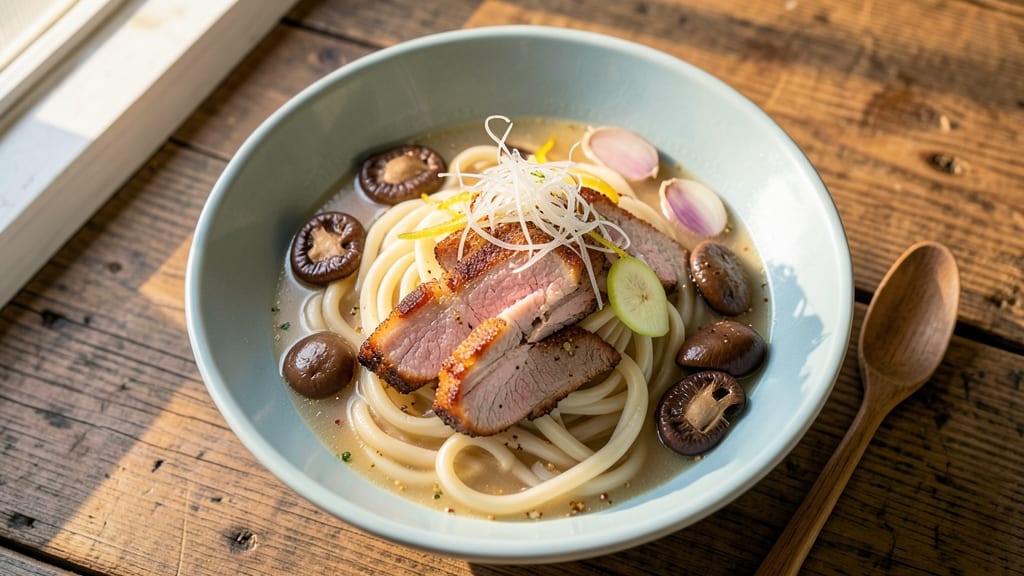
This Asian udon noodle soup recipe delivers the perfect balance of rich, savory broth and chewy wheat noodles that beg to be slurped. 🌟 The secret lies in a slow-simmered broth—whether you choose a classic pork-based version or a lighter miso-dashi blend—that forms the heart of every satisfying bite.
I've perfected this recipe through years of testing, ensuring the noodles stay perfectly chewy while the broth remains deeply flavorful without being overpowering.
The foundation begins with a well-seasoned broth, where aromatics like ginger, garlic, and scallions infuse the liquid with layers of warmth. For extra depth, I recommend adding a small piece of kombu or dried shiitake mushrooms during simmering, which transforms the broth into something truly restaurant-quality.
The chewy udon noodles are the star—thick, satisfying, and just the right texture when cooked al dente and then briefly blanched in the hot broth.
What makes this recipe truly special is its versatility. You can keep it traditional with simple toppings like thinly sliced green onions, sesame seeds, and a soft-boiled egg, or take it in a modern direction with spicy chili oil, crispy tempura shrimp, or even a sprinkle of furikake.
The broth's rich umami flavor pairs beautifully with proteins like thinly sliced beef, tofu, or shrimp, giving you endless possibilities for customization.
Ready in about 45 minutes, this udon noodle soup is perfect for chilly evenings or as a comforting meal any time of year. The aroma alone will have everyone gathered around your table, and the first slurp will confirm why this recipe has become a staple in home kitchens worldwide.
Let's create something truly memorable together.
Ingredients for asian udon noodle soup
These 15 ingredients create a restaurant-quality udon broth that's rich, chewy, and packed with umami.
| Ingredient | Amount | Notes |
|---|---|---|
| Udon Noodles 🍜 | 8 oz | Dried, medium-thick variety |
| Pork Shoulder 🥩 | 1 lb | Bone-in for flavor |
| Dried Shiitake Mushrooms 🍄 | 4 whole | For umami depth |
| Kombu 🌿 | 1 piece | Dried seaweed sheet |
| Fresh Ginger 🧄 | 2 tbsp | Grated, not powdered |
| Garlic Cloves 🧄 | 6 cloves | Minced for aroma |
| Green Onions 🧅 | 4 whole | Thinly sliced, white parts |
| Sesame Seeds 🌰 | 1 tbsp | Toasted for crunch |
| Large Eggs 🥚 | 2 whole | Soft-boiled, optional |
| White Miso Paste 🍶 | 2 tbsp | For lighter broth |
| Soy Sauce 🥢 | 2 tbsp | For balance |
| Dashi Granules 💧 | 1 tbsp | Or kombu + bonito flakes |
| Water 💧 | 6 cups | Filtered preferred |
| Vegetable Oil 🫒 | 1 tbsp | For searing pork |
| Salt 🧂 | 1 tsp | Kosher preferred |
The pork shoulder is non-negotiable for that deep, savory base—bone-in adds flavor, but Costco or Trader Joe's often sell pre-cut chops. Dried shiitakes and kombu are the umami powerhouses; grab them at the Asian market or bulk section. Fresh ginger and garlic? Always use fresh—powdered lacks the punch. If you're short on time, dashi granules from Marukyu or Honten save prep work without sacrificing flavor. The udon noodles should be thick and chewy—Nissin or Maruchan are reliable brands.
No pork? Chicken thighs or tofu work in a pinch—just adjust cooking time. Skip the kombu? Double the shiitakes. Fresh ginger too spicy? Cut back to 1 tbsp. For a lighter broth, reduce miso to 1 tbsp and add extra water. The eggs are optional but add richness—soft-boil them separately. If you're making this ahead, store the broth separately and cook noodles fresh. The sesame seeds? Toast them in a dry pan for 30 seconds—game changer for crunch.
Broth keeps 3-4 days refrigerated or 3 months frozen. Noodles? Cook them fresh when ready—they lose chewiness when reheated. For leftovers, reheat broth only and add fresh noodles. The pork bones can be simmered longer for stock—save them in a freezer bag for future batches. Freeze broth in ice cube trays for easy single-serving portions.
Why You'll Love This Recipe
- Minimal Chopping Required: I swear by this—just slice the pork shoulder into thick chunks and toss in the dried shiitake (no soaking needed if you’re lazy). The kombu adds depth with zero effort, and the ginger? A quick zest or two does the trick. Honestly, the hardest part is waiting for the broth to simmer.
- Umami Bomb Alert: That combo of pork shoulder and kombu? It’s a flavor explosion waiting to happen. The shiitake mushrooms soak up the richness, while the ginger cuts through with a bright, zesty punch. Between us, the first bowl makes me forget I’m not in a Tokyo ramen shop.
- Lunchbox Hero: Make a big batch on Sunday, and you’ve got effortless lunches all week. The noodles hold up perfectly—no soggy mess—and the broth stays rich even reheated. My kids actually ask for leftovers, which, let’s be real, is a parenting win.
- Budget Meal, Big Payoff: Pork shoulder and dried shiitake stretch this recipe into a full meal for half the cost of takeout. The kombu and ginger are cheap staples that punch way above their weight. I’ll be real: this is the kind of soup that makes me feel like I’m feeding a crowd without breaking the bank.
Step-by-step instructions for Asian udon noodle soup
Here's how to build a rich, aromatic udon broth that's perfect for slurping.
🔥 Step 1: Sear the Pork Shoulder for Deep Flavor
Heat the 1 tablespoon vegetable oil in a large pot over medium-high heat until shimmering. Pat the 1 lb pork shoulder dry with paper towels—this helps create a better sear. Add the pork and cook for 8-10 minutes, turning occasionally, until it develops a deep golden-brown crust. You'll see the fat start to render out, which will infuse the broth with incredible richness.
Once the pork is well-browned, remove it from the pot and set it aside. Don't drain the rendered fat—this is where all the flavor lives. This initial searing step is crucial because it builds the foundation for your umami-packed broth. If you see the fat getting too dark, reduce the heat slightly to prevent burning.
🍳 Step 2: Build the Umami-Packed Broth Base
Add the 1 piece kombu to the same pot and pour in the 6 cups water. Bring to a gentle boil over medium heat, then reduce to a simmer. Add the 1 tablespoon dashi granules and stir to dissolve completely. Let it simmer for 10 minutes to extract the kombu's oceanic depth—you'll notice the water turning slightly cloudy and developing a subtle seaweed aroma.
Remove the kombu piece (you can compost it or save it for another batch). Add the seared pork shoulder back to the pot along with the 4 whole dried shiitake mushrooms, 2 tablespoons white miso paste, and 2 tablespoons soy sauce. Simmer for 45 minutes until the pork becomes fork-tender and easily pulls apart. The broth should now have a rich, caramelized color and an inviting aroma that fills your kitchen.
👨🍳 Step 3: Prepare the Aromatic Vegetables and Seasonings
While the broth simmers, peel and grate the 2 tablespoons fresh ginger using a microplane. Mince the 6 cloves garlic cloves finely—you want them almost paste-like for maximum flavor. Thinly slice the 4 whole green onions, separating the white and green parts. Toast the 1 tablespoon sesame seeds in a dry skillet over low heat for 2-3 minutes until golden and fragrant—this adds a nutty crunch to your soup.
For the eggs (if using), bring a small pot of water to a gentle simmer and cook the 2 whole large eggs for 6 minutes for jammy yolks. Immediately transfer them to an ice bath to stop the cooking process. Peel and keep them whole for serving. The toasted sesame seeds should be ready just as your broth finishes cooking—this timing ensures everything comes together perfectly.
🥘 Step 4: Finish the Broth and Assemble the Soup
Strain the broth through a fine-mesh sieve into a clean pot, pressing gently on the solids to extract all the flavor. Discard the solids or save them for another use. Return the broth to medium heat and add the grated ginger, minced garlic, and white parts of the green onions. Simmer for 5 minutes to infuse the flavors—you'll smell that wonderful aromatic blend that makes this soup so special.
Season the broth with the 1 teaspoon salt, tasting as you go. The broth should be deeply flavorful but not overly salty. Bring to a gentle simmer again and keep it warm. In a separate pot, cook the 8 oz udon noodles according to package instructions until al dente. Drain and rinse briefly with cold water to stop the cooking process.
🍽️ Step 5: Serve with All the Fixings
Ladle the hot broth into serving bowls, adding the cooked udon noodles. Arrange the soft-boiled eggs (if using) on top of the noodles. Garnish each bowl with the toasted sesame seeds and the green parts of the sliced green onions. The contrast of textures—chewy noodles, silky broth, jammy eggs, and crunchy sesame seeds—makes every slurp worth it.
Serve immediately with extra green onions and sesame seeds on the side. This soup tastes even better the next day as the flavors meld together, so consider making a double batch. The combination of the rich pork broth, umami mushrooms, and aromatic vegetables creates a harmonious balance that's pure comfort in a bowl.
Pro Tips For Making Asian Udon Noodle Soup
- Simmer Pork Low: After burning three batches of pork shoulder, I finally learned to keep the heat at a bare simmer—just enough to see tiny bubbles, not a rolling boil. This guarantees tender, pull-apart meat without drying it out, and the broth stays rich instead of cloudy.
- Soak Shiitake Properly: Toss dried shiitake in hot water for 10 minutes before slicing—this rehydrates them evenly and makes them easier to handle. Skip the cold soak, or they’ll turn to mush when you add them later.
- Don’t Crowd the Kombu: Kombu releases its umami magic when it has space to unfurl. Tuck just one sheet into the broth, flat side down, and let it float freely—cramming it in makes the broth bitter.
- Cook Noodles Last: Udon doubles in size when cooked, so toss them in the broth just 2 minutes before serving. If you add them earlier, they’ll turn to glue, and the soup loses its silky texture.
Wine and beer pairings for this recipe
Japanese Sake Pairings
For a traditional pairing, opt for a dry junmai sake like Dassai 23 or Gekkeikan 18. The crisp acidity and subtle umami notes complement the pork broth beautifully, while the clean finish cuts through the richness.
I find that a chilled junmai ginjo (around 45°F) enhances the delicate flavors of the miso and shiitake mushrooms. 🍶
Light Beers for Balance
A crisp pilsner or lager like Asahi Super Dry or Sapporo works wonderfully with udon noodle soup. The light body and subtle hop bit refresh your palate between slurps, while the carbonation helps cleanse the richness of the broth.
For a local option, try a German Helles—its malty sweetness pairs surprisingly well with the umami depth.
Spiced Beer Twist
If you're adding spicy elements like chili oil or chili crisp, try a wheat beer with a hint of citrus, such as Blue Moon Belgian White. The effervescence and slight tartness balance the heat beautifully.
For a bolder option, a German-style Hefeweizen with a dash of fresh lime adds a zesty contrast that elevates the entire bowl.
Rice Wine Alternatives
For a non-alcoholic option, serve this udon with hot jasmine tea or genmaicha—the toasted rice aroma complements the sesame seeds and chewy noodles.
If you prefer something more substantial, a dry mirin (sweet cooking wine) mixed with a splash of green tea creates a refreshing sipper that enhances the soup's umami profile.
Wine for Adventurous Palates
While sake is traditional, a dry Riesling (like Dr. Loosen Blue Slate) offers a surprising match. Its bright acidity and mineral notes stand up to the pork broth, while the slight sweetness balances the saltiness.
For red wine lovers, a Pinot Noir with earthy undertones (such as Meiomi) pairs surprisingly well with the umami depth of the mushrooms and miso.
Nutrition facts
Frequently asked questions
Can I make this udon noodle soup vegetarian?
Replace the pork shoulder with 1 lb extra-firm tofu (pressed and cubed) or chicken thighs. For extra umami, add 1 tbsp soy sauce and 1 tsp mushroom powder to the broth. The dried shiitakes and kombu will still provide that rich depth without meat. Just simmer the tofu for 20-25 minutes until tender.
How do I keep the udon noodles from getting mushy?
Cook the noodles just 1 minute less than package instructions, then rinse briefly with cold water to stop cooking. When assembling, add them directly to the hot broth and let them soak for 30 seconds—this plumps them up without overcooking. Pro tip: Use freshly boiled water for rinsing to maintain texture.
Can I prepare this soup ahead of time?
Yes! Make the broth up to 3 days ahead and store it refrigerated. For best flavor, reheat gently and strain again before serving. Cook the noodles fresh when ready—they lose their chewy texture when reheated. The eggs should be soft-boiled separately and added just before serving. The broth actually improves overnight as flavors meld!
What if I don't have kombu or dried shiitakes?
No problem! For kombu, substitute with 1 tbsp dashi powder or ½ cup bonito flakes. For shiitakes, use 4 oz fresh shiitake mushrooms (sliced) or 2 tbsp dried porcini mushrooms. Both add umami depth—just adjust cooking times accordingly. The broth will still be delicious!
How can I make this spicier?
Add 1 tbsp chili oil or 1 tsp gochujang (Korean chili paste) to the broth during the final 5 minutes of simmering. For heat lovers, stir in ½ tsp red pepper flakes or 1 tsp sriracha when serving. Balance with a drizzle of sesame oil to enhance the flavors.