
Soups & Stews
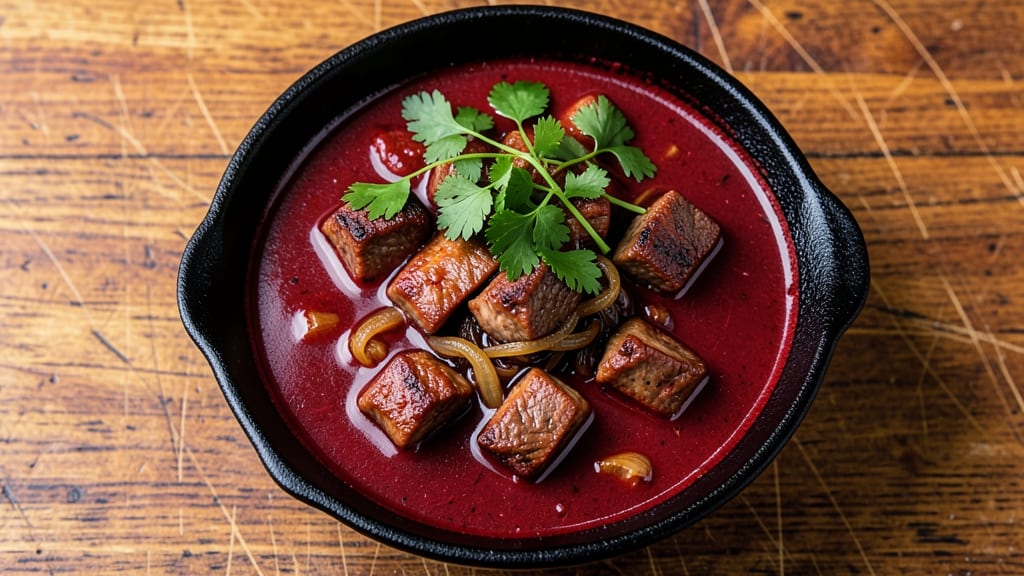
This au jus soup recipe transforms simple beef drippings into a rich, savory masterpiece that elevates any meal. The secret lies in pan-roasting beef for deep caramelization before simmering the essence into a velvety broth.
I’ve perfected this technique to deliver restaurant-quality depth without the fuss—just 30 minutes of hands-on time for a flavor-packed result.
What sets this au jus apart is the two-step process: first browning the beef to develop a flavorful crust, then deglazing with wine and broth to capture every nuance. The result is a soup that’s both elegant and hearty, with tender beef pieces suspended in a glossy, aromatic liquid.
No heavy cream or artificial thickeners—just pure, concentrated beef flavor.
The finished soup boasts a golden hue and a complex aroma that fills the kitchen, signaling a meal worth savoring. Each spoonful delivers layers of umami from the pan-roasted beef, balanced by the acidity of the wine reduction.
This is the kind of soup that turns a simple dinner into an experience—perfect for pairing with roasted meats or serving as a stand-alone centerpiece.
For those who prefer a lighter touch, a splash of beef broth can be added for extra richness, while a sprinkle of fresh parsley brightens the presentation. The technique scales effortlessly, making it ideal for both intimate dinners and larger gatherings. Let’s create this restaurant-worthy au jus at home.
Ingredients for au jus soup
Restaurant-quality au jus begins with pan-roasted beef and aromatic herbs—simple ingredients elevated by technique.
| Ingredient | Amount | Notes |
|---|---|---|
| Beef Chuck Roast 🥩 | 1 ½ lb | Cut into 1-inch cubes, trimmed of fat |
| Yellow Onion 🧅 | 1 whole | Diced, medium size |
| Garlic Cloves 🧄 | 4 cloves | Minced, for depth of flavor |
| Dry Red Wine 🍷 | ½ cup | Bold Cabernet Sauvignon preferred |
| Beef Broth 💧 | 2 cups | Homemade or high-quality store-bought |
| Tomato Paste 🍅 | 1 tbsp | For subtle sweetness and color |
| Fresh Thyme 🌿 | 1 tbsp | Leaves only, finely chopped |
| Fresh Rosemary 🌿 | 1 tbsp | Leaves only, finely chopped |
| Olive Oil 🫒 | 2 tbsp | Extra-virgin for high smoke point |
| Unsalted Butter 🧈 | 2 tbsp | For richness and gloss |
| Diamond Crystal Kosher Salt 🧂 | 1 ½ tsp | Adjust to taste at the end |
| Freshly Ground Black Pepper 🌶️ | ½ tsp | For balanced seasoning |
| Fresh Parsley 🌿 | ¼ cup | Chopped, for garnish and brightness |
The beef selection is critical. Chuck roast delivers the best texture and flavor when properly browned—sirloin or ribeye won't develop the same depth. Source from a trusted butcher or Costco for consistent quality. Trim excess fat before cubing to prevent greasiness in the finished soup. For herbaceous depth, fresh thyme and rosemary from a specialty market like Whole Foods or Trader Joe's offer superior flavor compared to dried alternatives. The wine should be bold and dry—Cabernet Sauvignon or Merlot work best, but avoid sweet varieties.
No red wine? Dry sherry or additional beef broth maintains the depth, though wine's acidity balances the richness. Substitute dried thyme at one-third the amount if fresh isn't available, but toast the dried herbs first for enhanced aroma. For the tomato paste, San Marzano offers superior quality, though any high-quality paste works. The butter should be unsalted to control seasoning precisely. If olive oil isn't available, avocado oil provides a neutral alternative with a slightly higher smoke point. The parsley can be omitted if unavailable, but its fresh brightness completes the dish.
Store any unused beef broth in airtight containers for up to 5 days in the refrigerator or 6 months in the freezer. Fresh herbs like thyme and rosemary last 5-7 days when wrapped in damp paper towels and refrigerated. The finished au jus reheats beautifully—simmer gently to preserve its velvety texture. For meal prep, portion into glass containers to maintain freshness and prevent absorption of odors. This soup freezes exceptionally well for up to 3 months, making it ideal for batch cooking.
Why You'll Love This Recipe
- One-Pot Wonder: I swear by this recipe because it’s literally dump-and-go after the roast hits the pan. Slice the onion, toss in garlic, deglaze with wine—boom. The broth does all the heavy lifting while you sip your coffee.
- Deep Umami Magic: That beef chuck roast? It’s the star, but the wine and broth turn it into something next-level. Rich, savory, and just a little tangy—like a fancy steakhouse bite in soup form.
- Leftovers That Shine: Make it once, eat it twice (or three times). The flavor actually improves the next day—perfect for lunches or reheating for a quick dinner when you’re too tired to cook.
- Budget-Friendly Luxury: You’re getting restaurant-quality taste for a fraction of the cost. Chuck roast stretches into multiple meals, and the wine adds depth without breaking the bank. (Here’s to stretching dollars and flavor.)
Step-by-step instructions for pan-roasted beef au jus
Transform humble beef chuck into a rich, velvety au jus that captures every layer of flavor through precise pan-roasting technique.
Sear the Beef Chuck for Maximum Flavor Extraction
Heat a heavy Dutch oven over medium-high heat until it's screaming hot. Add 1 tablespoon of the olive oil and swirl to coat the bottom evenly. Working in batches if needed, add the 1.5 lb beef chuck roast cut into 1-inch cubes and sear undisturbed for 3-4 minutes per side until deeply browned.
This initial searing creates the Maillard reaction, developing complex caramelized flavors that will dissolve into your au jus. I press down gently on the beef cubes during the first minute to prevent curling and ensure even contact with the pan. Once browned on all sides, transfer the beef to a plate and set aside.
Develop the Flavor Base with Onions and Aromatics
In the same Dutch oven, add the remaining 1 tablespoon olive oil and reduce heat to medium. Add the diced yellow onion and cook for 5-6 minutes until softened and golden. Add the minced garlic cloves and cook for another 30 seconds until fragrant.
Here's where the flavor foundation builds: the onions should caramelize slightly, adding sweetness that balances the rich beef. If they start to brown too quickly, reduce heat to medium-low. Stir in the tomato paste and cook for 1 minute to deepen the color and enhance the umami profile.
Deglaze and Build the Sauce Base
Pour in the 0.5 cup dry red wine immediately after removing the onions from heat. Scrape up all the browned bits from the bottom of the pan with a wooden spoon - these contain concentrated flavor that will dissolve into your au jus. Let the wine simmer for 3-4 minutes until reduced by half.
Add the 2 cups beef broth, scraping the bottom again to incorporate any remaining fond. Bring to a gentle simmer, then add the fresh thyme and fresh rosemary. Season with the 1.5 teaspoons kosher salt and 0.5 teaspoon black pepper. Return the beef to the pot and simmer for 1 hour until the beef is fork-tender.
Finish with Butter and Parsley for Richness
After the beef has tenderized, remove it from the broth and strain the liquid through a fine-mesh sieve into a clean saucepan. Return the strained broth to medium heat and whisk in the 2 tablespoons unsalted butter until melted and emulsified. The butter adds luxurious mouthfeel and helps create a glossy finish.
Simmer for 5-7 minutes until the au jus has reduced slightly and coats the back of a spoon. Stir in the 0.25 cup chopped fresh parsley just before serving. The parsley adds brightness that cuts through the richness while maintaining the professional presentation. Adjust seasoning if needed, remembering that the parsley contains some natural saltiness.
Serve with Perfectly Tender Beef
Return the beef to the au jus and let it soak up the flavors for 2-3 minutes before serving. The beef should be fork-tender but not falling apart - it should hold its shape while absorbing the rich sauce. Ladle the au jus over sliced beef or serve it alongside roasted potatoes and steamed vegetables.
This au jus should have a velvety texture with deep beefy flavor and just the right balance of acidity from the wine. The parsley adds a fresh finish that makes each spoonful bright and complex. The key to success lies in the slow development of flavors through proper searing and reduction - never rush this process.
Pro Tips For Making Au Jus Soup
- SEAR THE ROAST FIRST: Don’t rush this—get that chuck roast screaming hot in a dry pan for 8-10 minutes before touching it with wine or broth. I learned this the hard way when my au jus tasted like sad, undercooked beef instead of rich, caramelized flavor. A deep crust locks in juices and builds the base for a proper reduction.
- SWEAT ONIONS LOW AND SLOW: Skip the high heat—sweat your onions in a cold pan over medium-low for 10 minutes before adding garlic. This avoids burning and lets them soften into the broth without adding bitterness. (Yes, even if you’re impatient like me.)
- DEGLAZE WITH WINE, THEN SCRAPE: Pour in the red wine after removing the roast, then immediately scrape up every last bit of fond from the pan with a wooden spoon. That browned stuff is pure flavor—don’t let it go to waste. I used to pour the wine in early and miss half the magic.
- SIMMER, DON’T BOIL THE BROTH: Once the broth is in, keep it at a gentle simmer—tiny bubbles, not rolling. Boiling makes the wine evaporate too fast and turns your au jus cloudy. If it’s too thin, reduce it uncovered later; forcing a fast boil now ruins the texture. (Your future self will notice.)
Serving suggestions for this dish
Classic Meat Pairings
This au jus pairs beautifully with pan-seared beef tenderloin or filet mignon—simply slice the cooked beef and serve it over a bed of au jus. The rich, velvety sauce enhances the natural beefy flavors without overwhelming them.
For a heartier option, try it with roasted beef short ribs or braised beef chuck, where the tender meat soaks up the sauce perfectly. 🥩
Side Dish Harmony
For a complete meal, serve this au jus with creamy mashed potatoes or garlic roasted baby potatoes. The earthy flavors of the potatoes balance the wine's acidity in the soup. Another great pairing is buttery egg noodles or wild rice pilaf—both absorb the au jus beautifully.
I also love adding sautéed green beans or roasted asparagus for a touch of freshness.
Bread Service
No au jus meal is complete without crusty bread! Offer freshly baked baguettes or sourdough for dipping. The bread soaks up the rich sauce, making every bite extra satisfying.
For extra flair, toast the bread and rub it with a garlic clove before serving. A simple buttered dinner roll also works perfectly for a more casual touch.
Garnish & Presentation
Elevate your au jus with a final garnish of fresh parsley or chopped chives for brightness. A drizzle of truffle oil adds a luxurious touch, while a sprinkle of crushed black pepper enhances the depth of flavor.
Serve in warm bowls with a golden crust of toasted bread on the side for an inviting presentation.
Wine & Beer Pairings
A bold Cabernet Sauvignon or Malbec complements the au jus perfectly, mirroring the wine used in the recipe. For beer lovers, a dark ale or stout like Guinness provides a rich contrast.
If you prefer something lighter, a crisp Chardonnay works well too. The key is to match the intensity of the wine or beer to the depth of the au jus. 🍷
Make-Ahead Serving Tips
This au jus reheats beautifully, making it perfect for meal prep. Store leftovers in an airtight container in the fridge for up to 4 days or freeze for 3 months. When reheating, simmer gently on the stovetop to preserve its velvety texture.
For a quick serve, reheat the au jus separately and toss in the beef just before plating to keep it tender. 💡
Nutrition facts
Frequently asked questions about beef au jus
Can I make au jus without red wine?
Yes! If you don't have red wine, substitute with 0.5 cup dry sherry or additional beef broth. The key is maintaining acidity—add 1 tablespoon lemon juice or apple cider vinegar to balance the richness. The wine's acidity cuts through the beef fat, so these alternatives help achieve the same effect.
Why is my au jus too thin or watery?
Thin au jus usually means the broth wasn't reduced enough. Simmer uncovered for 15-20 minutes longer until it coats the back of a spoon. For extra thickness, whisk in 1 teaspoon cornstarch mixed with 2 tablespoons cold water and stir until slightly thickened. Avoid adding flour directly—it can make the soup cloudy.
What's the best cut of beef for au jus?
Chuck roast is ideal because it's flavorful and tenderizes well during simmering. Other great choices include brisket or short ribs, which add rich marrow flavor. Avoid lean cuts like sirloin or filet mignon—they lack the fat needed for deep, velvety au jus. Trim excess fat before cooking to prevent greasiness.
Can I make au jus in a slow cooker?
Yes, but with adjustments. Sear the beef first in a skillet, then transfer everything to the slow cooker. Cook on Low for 6-8 hours or High for 3-4 hours until beef is tender. Finish by straining the broth, reducing it on the stovetop, and whisking in butter as directed. The slow cooker builds flavor but lacks the concentrated reduction of stovetop methods.
How do I store and reheat au jus?
Store in airtight containers for up to 4 days in the fridge or 3 months in the freezer. To reheat, simmer gently on the stovetop—never microwave—until just heated through (165°F). For best results, reheat the broth separately and add beef just before serving to prevent overcooking. Stir in fresh parsley after reheating for brightness.