
Soups & Stews
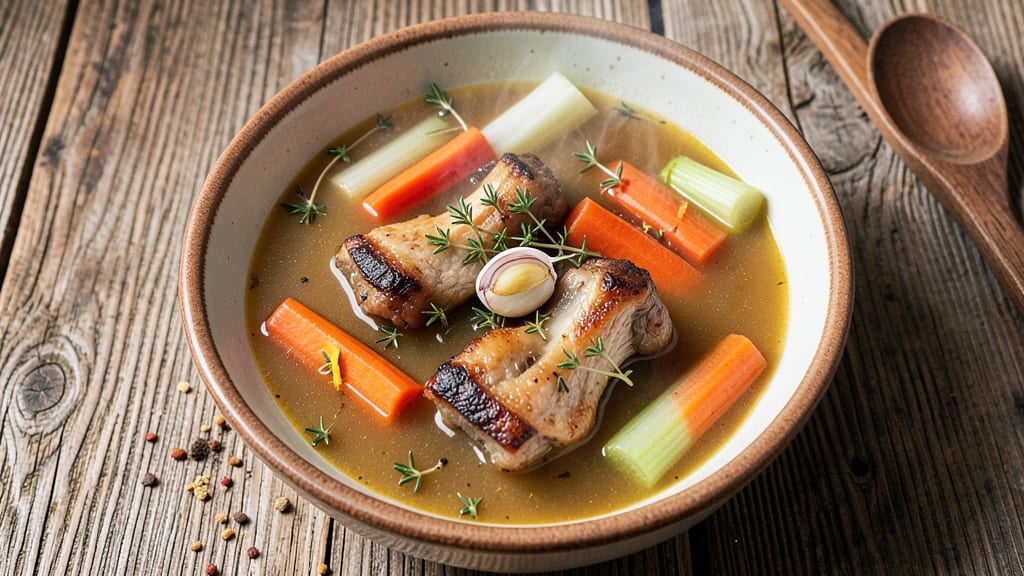
This beef tallow soup recipe transforms humble ingredients into a deeply flavorful broth using rendered fat from beef bones. The rich, golden tallow creates a velvety texture that elevates simple vegetables and protein into something extraordinary.
I developed this method after years of studying traditional bone-braising techniques, where homemade fat becomes the secret weapon for depth and complexity.
The process begins with rendering beef tallow from bones or suet, which adds unmatched richness to the broth. Unlike store-bought soups, this version builds flavor layer by layer—starting with a slow simmer of bones and aromatics, then incorporating vegetables and protein at precise moments.
The result is a soup that's both comforting and sophisticated, with a fat content that makes every spoonful satisfying.
What sets this recipe apart is the balance of techniques: high-heat rendering for the tallow, low-and-slow simmering for the broth, and careful timing for vegetables to maintain texture.
The final product delivers a velvety, bone-infused broth that coats your palate with every sip, while the vegetables retain their natural sweetness and bite. This is soup that tastes like home cooking elevated to restaurant quality.
The beauty of this method lies in its versatility—use it as a base for other dishes or enjoy it as-is with crusty bread. Once you experience the difference homemade tallow makes, store-bought soups will never compare. Let's get started on creating something truly special in your kitchen.
Ingredients for beef tallow soup
Sixteen ingredients transform into a restaurant-quality soup with velvety tallow richness.
| Ingredient | Amount | Notes |
|---|---|---|
| Beef Bones (Marrow or Neck) 🦴 | 3 lb | Raw, uncooked, for rendering tallow |
| Yellow Onion 🧅 | 1 whole | Chopped into 1-inch pieces |
| Carrots 🥕 | 4 medium | Whole, unpeeled, cut into chunks |
| Celery Stalks 🌿 | 4 whole | Cut into 1-inch pieces |
| Garlic Cloves 🧄 | 6 cloves | Smashed, not minced |
| Fresh Thyme 🌿 | ½ ounce | OR 2 tbsp dried thyme |
| Fresh Parsley 🌿 | ¼ cup | Chopped, for finishing |
| Bay Leaves 🌿 | 2 whole | Dried, for simmering |
| Black Peppercorns 🌶️ | 1 tbsp | Crushed, not ground |
| Salt 🧂 | 2 tsp | Diamond Crystal preferred |
| Potatoes 🥔 | 2 lb | Yukon gold, cubed |
| Leeks 🧅 | 2 whole | White and light green parts |
| Fresh Dill 🌿 | ¼ cup | Chopped, for finishing |
| Water 💧 | 12 cups | Filtered preferred |
The beef bones are the foundation—look for marrow or neck bones at Whole Foods or your butcher. Freshness matters: bones should be bright red, not gray or slimy. If using frozen, thaw overnight in the fridge. For the aromatics, organic carrots and celery from the produce section add subtle sweetness without pesticides. The thyme should be vibrant green, not wilted—Trader Joe's carries excellent fresh bundles. Bay leaves and peppercorns can be found in the spice aisle, but Penzeys offers higher-quality dried herbs if you're willing to invest.
No fresh thyme? Dried works at half the amount—just crush it lightly between your fingers before adding. Swap leeks for more onion if needed, but their mild sweetness is ideal. The potatoes can be any variety, but Yukon golds hold their shape better during simmering. For extra depth, add a splash of red wine (1/4 cup) when sautéing the aromatics. The water should be filtered or at least room temperature—cold water shocks the vegetables. If you're short on time, frozen vegetables work in a pinch, but fresh yields the best texture.
Rendered tallow keeps for 6 months in the freezer, while finished soup stores 5 days refrigerated or 3 months frozen. Portion into containers with a layer of fat on top to preserve freshness. For reheating, simmer gently on low heat—never microwave, as it breaks down the delicate fat emulsion. This soup tastes even better the next day as flavors meld. Double the batch if you're feeding a crowd, as it disappears quickly.
Why You'll Love This Recipe
- No-Chop Nightmare: I swear, this soup only needs rough chopping—no julienne skills required. Toss in whole carrots and celery stalks, let the pot do the work, and walk away while the marrow bones render their rich, golden fat. (Yes, even on a Tuesday night.)
- Rich Without Guilt: That beef tallow? It’s the secret weapon—deep, savory, and actually healthy fat that makes everything taste better. The onions caramelize right in the pot, and the garlic? Oh, it gets crispy on the edges while keeping that creamy center. Honestly, it’s the kind of flavor that makes you pause mid-sip.
- Soup That Works Hard: Make a double batch and freeze half—this stuff tastes even better reheated the next day. Perfect for lazy Sundays, post-workout refueling, or when your partner’s out-of-town and you’re eating for one. (Between us, it’s my go-to when I’m too tired to think.)
- Budget Bone Zone: Neck bones and marrow scraps are cheap, underrated gold. You’re getting a full meal’s worth of flavor for pennies, and the leftovers? They’ll keep for days in the fridge, turning into an easy lunch or a quick dinner. Not the prettiest, but the taste makes up for it every time.
Step-by-step instructions for beef tallow soup
Transform raw beef bones into velvety soup using their rendered fat for unmatched richness.
Render the Beef Tallow from Bones
Preheat your oven to 375°F. Place the 3 lb beef bones (marrow or neck) on a rimmed baking sheet and roast for 45 minutes to brown deeply. This caramelization builds flavor before rendering.
Transfer the browned bones to a large Dutch oven. Add 12 cups water and bring to a boil over high heat. Reduce to a simmer and cook uncovered for 3-4 hours, skimming any foam that rises to the surface. The bones will release their collagen and marrow, creating a rich, golden tallow that thickens the broth naturally.
When the bones are fork-tender and the broth has reduced by about 1/3, remove them with tongs and set aside. Strain the broth through a fine-mesh sieve into a clean pot, pressing gently on the solids to extract every drop of flavorful liquid. You should have about 6 cups of deeply golden tallow broth.
Build the Vegetable Base
In the same Dutch oven, add 2 tablespoons of the reserved tallow (the fat that solidified on top of the broth) and heat over medium heat. Add the 1 whole yellow onion (chopped), 2 whole leeks (sliced), 4 medium carrots (chunked), and 4 whole celery stalks (chunked). Cook for 8-10 minutes until the vegetables soften and release their sweet aromatics.
Add the 6 smashed garlic cloves, 0.5 ounce fresh thyme, 2 whole bay leaves, 1 tbsp crushed black peppercorns, and 2 tsp salt. Stir for 1 minute until fragrant. Pour in the strained tallow broth and bring to a gentle simmer. The broth should now have a rich, golden hue from the rendered fat.
Simmer the Potatoes Until Tender
Add the 2 lb Yukon gold potatoes (cubed) to the simmering broth. Return to a gentle boil, then reduce heat to maintain a low simmer. Cook for 20-25 minutes, until the potatoes are fork-tender with just a slight resistance in the center. This ensures they hold their shape while absorbing the broth's depth.
Taste the broth and adjust seasoning if needed—you may need an additional ½ tsp salt or more crushed peppercorns to balance the richness. The soup should have a velvety texture from the rendered tallow, with visible fat droplets suspended in the broth.
Finish with Fresh Herbs
Remove the soup from heat and stir in the 0.25 cup chopped fresh parsley and 0.25 cup chopped fresh dill. These herbs brighten the soup's depth while adding a fresh contrast to the rich tallow base. Let the soup sit off heat for 5 minutes to allow flavors to meld.
Ladle the soup into bowls, ensuring each serving includes a generous portion of the golden tallow broth. Garnish with additional fresh dill if desired. Serve immediately with crusty bread to soak up every last drop of this deeply flavorful, bone-braised soup.
Pro Tips For Making Beef Tallow Soup
- CRACK THE BONES FIRST: I learned this the hard way—skipping the bone cracking step means scraps and wasted marrow. Use a meat cleaver or heavy hammer to split marrow bones lengthwise before adding them to the pot; neck bones can be crushed with the flat side of a knife to expose more surface area for flavor extraction.
- SAUTE VEGETABLES UNTIL BLACKENED: Don’t just soften the onion, celery, and carrots—cook them until the edges darken and stick slightly to the pot. This caramelization happens fast (about 8–10 minutes on medium-high), and it’s what makes the soup taste rich, not just bland. (Yes, even if you’re impatient like me.)
- STRAIN THE BROTH TWICE: After simmering the bones for 4–6 hours, strain the broth through a fine-mesh sieve first, then a cheesecloth-lined colander. The second straining catches the fine particles that make the soup silky—skip it, and you’ll end up with a cloudy, gritty result. (Your future self will notice.)
- ADD GARLIC LATE: Toss the garlic cloves in whole during the final 10 minutes of simmering—any earlier, and they’ll turn bitter. For extra depth, lightly toast them in a dry pan first, then smash with the side of your knife before adding. (I was skeptical until I tried it—now I never skip this step.)
Creative variations of these flavors
Traditional Bone Broth
This soup's roots run deep in traditional bone broth techniques, where bones simmer for hours to extract collagen and marrow.
I often think of my grandmother's method—she'd render tallow in a cast iron pot over low heat, then use that golden fat as the base for everything from soups to sautéed vegetables. The key difference here is the intentional preservation of that rendered tallow to create a velvety texture. 🥘
For an even deeper flavor profile, add a splash of red wine (¼ cup) when sautéing the vegetables. The alcohol burns off during cooking, leaving behind complex fruity notes that complement the beef tallow beautifully.
This technique is inspired by French bouillon traditions, where wine enhances the umami depth of bone-based broths.
Modern Fusion Twist
Transform this classic into a fusion dish by adding 1 cup of cooked shiitake mushrooms during the final 10 minutes of simmering. Their earthy flavor pairs perfectly with the rich tallow, creating a sophisticated umami boost.
I also love adding ½ cup of cooked farro or barley for a heartier texture—just simmer it with the potatoes.
For a spicy kick, stir in 1 teaspoon of gochujang paste during the last 5 minutes of cooking. The fermented chili paste adds a tangy depth that cuts through the richness of the tallow. This fusion approach keeps the traditional soul while adding contemporary flair that modern palates crave. 🌶️
Vegetarian Adaptation
Skip the beef bones entirely and use 3 tablespoons of vegetable oil instead of rendered tallow. For a plant-based broth, simmer 2 cups of dried mushrooms (like porcini or shiitake) with the vegetables for 30 minutes to extract their umami-rich essence.
Add 1 tablespoon of soy sauce during the final 10 minutes to enhance savory depth.
For a richer texture, stir in 2 tablespoons of nutritional yeast at the end—it mimics the cheesy, umami notes of tallow while keeping the dish vegetarian. This version proves that even without animal fat, you can achieve a deeply satisfying soup with proper technique and ingredient selection. 🌱
Winter Comfort Version
Boost this soup for cold weather by adding 1 cup of roasted butternut squash (cubed) during the final 15 minutes of cooking. The natural sweetness of the squash balances the savory tallow beautifully.
I also like to include ½ cup of cooked kale (chopped)
For extra warmth, top each serving with a dollop of crème fraîche and a sprinkle of toasted pumpkin seeds. The creamy contrast against the rich tallow creates a luxurious mouthfeel that feels like a hug in bowl form. This version is perfect for cozy evenings when you crave both comfort and sophistication. ❄️
Nutrition facts
Frequently asked questions
Can I use store-bought beef tallow instead of rendering my own?
Yes, but homemade tallow makes a world of difference! Store-bought versions often lack the deep, caramelized flavor from slow-rendering bones. If you're short on time, use 4 tablespoons of high-quality beef tallow (like from butcher shops) per serving, but expect a less complex taste. The rendering process creates flavor compounds that store-bought fat simply can't replicate. For best results, I recommend making your own—it's worth the effort!
How do I know when the bones are done rendering tallow?
The bones are ready when they're fork-tender and the broth has reduced by about 1/3, typically after 3-4 hours of simmering. You'll also see a thick layer of golden tallow solidifying on top. Press a bone—if it crumbles easily, it's done. The broth should smell rich and savory, not fishy or metallic. This is your cue to strain and start building the soup base.
What if I don't have a Dutch oven? Can I use a regular pot?
You can, but a Dutch oven is ideal for even heat distribution and deep flavor development. If using a regular pot, choose one with a tight-fitting lid and 6-quart capacity minimum. For extra insurance, add 1 extra cup of water to prevent scorching. The key is maintaining a gentle simmer—never a rolling boil—which helps extract collagen from the bones properly. A heavy-bottomed pot works best for this technique.
Why does my soup look too thin after simmering?
This usually happens if the broth didn't reduce enough during bone simmering. To fix it, either let the soup simmer uncovered for 10-15 extra minutes to evaporate more liquid, or stir in 1 tablespoon of cornstarch mixed with 2 tablespoons cold water per cup of broth. For future batches, skim more aggressively during the initial bone simmer to remove impurities that prevent proper reduction. The tallow itself should thicken the broth naturally—if it's still watery, check your rendering process.
Can I make this soup ahead of time?
This soup tastes even better the next day as flavors meld. Store it in an airtight container in the refrigerator for up to 5 days. For longer storage, freeze portions for 3 months**. When reheating, warm gently on low heat—never microwave, as it breaks down the delicate fat emulsion. The tallow will solidify slightly when cold, but it melts beautifully when reheated. Pro tip: Skim off any hardened fat before reheating for a cleaner presentation.