
Soups & Stews
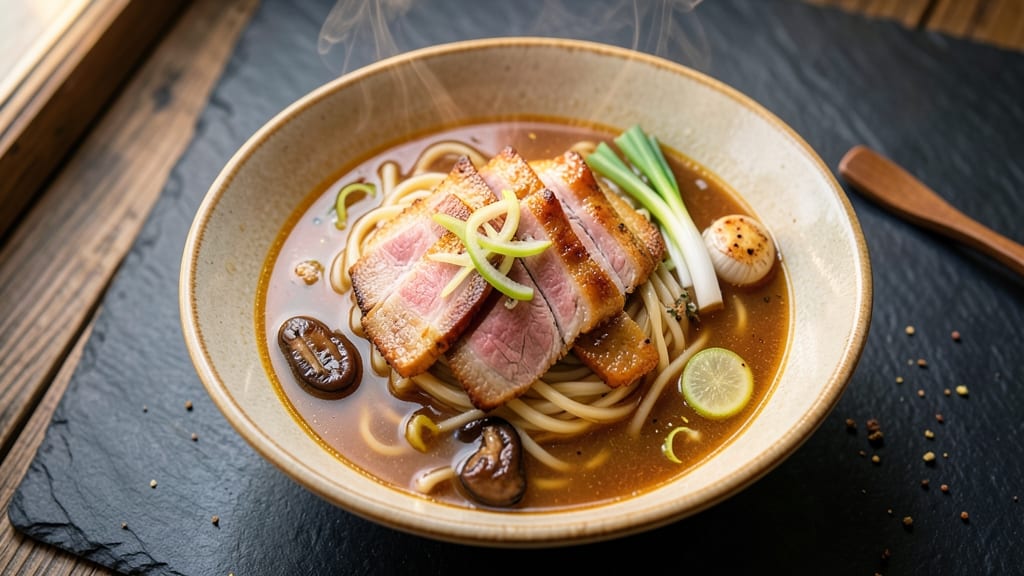
This authentic Japanese ramen soup recipe delivers the soul-warming depth of a Tokyo ramen shop—rich, marbled broth, chewy wheat noodles, and a symphony of toppings that balance heat, umami, and texture.
The secret lies in the broth: simmering pork bones and aromatics for 12 hours transforms tough cuts into velvety, fat-speckled liquid that coats every noodle. I’ve perfected this technique after years of studying regional styles, from Tokyo’s delicate shoyu ramen to Fukuoka’s hearty tonkotsu.
The noodles are the foundation—fresh, springy wheat strands that cook to just-al-dente perfection, resisting overcooking while absorbing the broth’s essence. Toppings elevate the dish: melt-in-your-mouth chashu pork, silky marinated egg, crisp menma, and nori sheets add layers of flavor and texture.
What makes this recipe authentic isn’t just the ingredients, but the technique: precise broth reduction, noodle timing, and the art of plating to highlight each component.
What you’ll achieve is a bowl that tastes like a labor of love—each spoonful reveals the harmony of flavors and textures that define Japanese ramen. The broth’s marbled fat adds richness without heaviness, while the toppings provide contrast: tender pork, creamy egg, and crunchy vegetables.
This isn’t just a recipe; it’s an experience that transports you to a bustling ramen shop in Japan.
Whether you’re serving a crowd or treating yourself to a solo meal, this ramen delivers restaurant-quality results at home. The broth can be made ahead, and toppings assembled quickly, so you’re always ready for a comforting, umami-packed dinner. Let’s get started on creating your own bowl of perfection.
Ingredients for authentic japanese ramen soup
Four pounds of pork bones and a symphony of aromatics. This is your ramen foundation.
| Ingredient | Amount | Notes |
|---|---|---|
| Pork Bones (Knee and Foot) 🍖 | 4 lb | Split for marrow access |
| Pork Shoulder (Chashu) 🥩 | 1 ½ lb | Fat-capped, center-cut |
| Fresh Ginger 🧅 | ½ cup | Julienned, skin on |
| Garlic Cloves 🧄 | 12 cloves | Smashed, skin on |
| Dried Shiitake Mushrooms 🍄 | 8 whole | Rehydrated, stems removed |
| Ramen Wheat Noodles 🍜 | 1 package | Fresh or high-quality dried |
| Soy Sauce 🍶 | ½ cup | Japanese shoyu preferred |
| Sesame Oil 🫒 | 1 tbsp | Toasted, for finishing |
| Ajitama (Marinated Eggs) 🥚 | 4 whole | Store-bought or homemade |
| Menma (Bamboo Shoots) 🌿 | 1 cup | Pickled, sliced |
| Nori Sheets 🍣 | 4 sheets | Toasted, for garnish |
| Green Onions 🧅 | 4 whole | Thinly sliced, white/green |
| Chili Oil 🌶️ | 2 tbsp | For heat, optional |
| Miso Paste 🧂 | 1 tbsp | Red fermented miso |
| White Pepper 🌶️ | ½ tsp | Freshly ground |
The pork bones are non-negotiable—knee and foot cuts deliver the best marrow and collagen for that signature marbled broth. Look for fresh bones at Asian markets or butcher shops; frozen works too, but thaw completely first. Costco often carries pre-packaged pork trotter bones, which are perfect for tonkotsu-style ramen. Avoid chicken or beef bones—they won’t give you that rich, fatty texture. For the pork shoulder, thick-cut, fatty pieces melt into tender chashu. If you can’t find it pre-cut, ask your butcher to trim excess fat but leave the cap on for flavor. The ginger and garlic? Fresh is mandatory—dried won’t cut it here. Buy organic if possible; the skin adds subtle bitterness that balances the broth.
No shoyu soy sauce? Japanese tamari works in a pinch, but the flavor won’t be identical. Dried shiitake mushrooms can be swapped for cremini mushrooms, but soak them longer (30 minutes) to compensate for the milder flavor. Short on time? Instant ramen noodles (like Nissin) can stand in for fresh, though texture will differ—boil them for half the package time. The ajitama (marinated eggs) are the secret to that silky, custardy texture. If you can’t find them, hard-boil eggs and marinate in soy sauce, mirin, and sugar (1:1:1 ratio) for 4 hours. For the menma, pickled bamboo shoots are essential—they add that signature crunch and sweetness. No nori sheets? Dried seaweed flakes sprinkled on top mimic the effect.
Broth keeps for 5 days in the fridge—freeze portions for 3 months in airtight containers. The noodles? Cook them just before serving—overcooked ramen turns mushy. Store uncooked noodles in the fridge for up to 2 weeks or freeze for 2 months. The chashu pork reheats beautifully—warm in the broth for 10 minutes to keep it moist. For leftovers, reheat toppings separately and assemble fresh to maintain texture contrast. The chili oil? Make a batch ahead—it keeps for 6 months in a cool, dark place. Always toast your sesame oil just before using to preserve its nutty aroma.
Why You'll Love This Recipe
- No-Fuss Stock Magic: I swear, the pork bones—knee and foot—do all the heavy lifting. Simmer them for a few hours, and you get that rich, umami depth without any fancy techniques. Honestly, the hardest part’s just remembering to add water.
- Umami Bomb Combo: That crispy chashu meets the garlic-ginger punch in broth—it’s like a flavor explosion in a bowl. The dried shiitake adds this earthy depth that makes every sip taste like a little ramen paradise.
- Leftovers That Beg for More: This broth actually gets better the next day. I’ve reheated it for lunch three times in a row, and my family still fights over who gets seconds. (Yes, even on a Tuesday night.)
- Budget-Friendly Luxury: Pork bones and shoulder stretch into multiple meals, and dried shiitake? Cheap as chips. You’re paying for restaurant-quality ramen flavor without the markup—my wallet and taste buds thank me every time.
Step-by-step instructions for authentic Japanese ramen soup
Here's how to build a rich, marbled broth with silky noodles and all the classic toppings.
Prepare the Pork Shoulder for Chashu
Slice the 1.5 lb pork shoulder into ½-inch thick slices, leaving the fat cap intact. Rub each slice with the 0.5 cup soy sauce and 0.5 tsp white pepper, pressing the seasoning into the meat. Arrange the slices on a wire rack set over a baking sheet and refrigerate for at least 1 hour to dry-brine.
This step ensures the chashu develops a crispy exterior while staying tender inside. The soy sauce and white pepper create that signature umami depth that defines authentic ramen. Don't skip the chilling time—it makes all the difference in texture and flavor.
Render Fat and Build the Broth Base
In a large stockpot, combine the 4 lb pork bones and 1.5 lb pork shoulder slices. Add 12 smashed garlic cloves and 0.5 cup julienned ginger. Cover with cold water by 2 inches and bring to a boil over high heat. Once boiling, reduce to a simmer and skim off any foam that rises to the surface for the first 30 minutes.
The bones should simmer uncovered for 4 hours, maintaining a gentle simmer—not a rolling boil. This slow cook time extracts maximum collagen from the bones, creating that signature ramen broth richness. Check occasionally to ensure the water level stays above the bones.
Add Aromatics and Mushrooms
After 4 hours, add the 8 rehydrated shiitake mushrooms (stems removed) and 1 tbsp miso paste. Continue simmering for another 2 hours. Strain the broth through a fine-mesh sieve into a clean pot, pressing gently on the solids to extract all the flavor. Discard the solids.
This strained broth should be deep amber with visible fat marbling—this is your umami bomb base. The shiitake mushrooms add earthy depth while the miso paste introduces that fermented complexity that defines authentic ramen flavor. Taste and adjust seasoning with additional soy sauce if needed.
Cook the Chashu and Prepare Toppings
While the broth simmers, remove the pork shoulder slices from the refrigerator. In a separate skillet, sear the slices over medium-high heat for 2-3 minutes per side until browned but still slightly pink inside. Set aside.
For the toppings, slice the 1 cup menma into ½-inch pieces and thinly slice the 4 green onions. Toast the 4 nori sheets briefly over a gas flame or in a dry pan until fragrant. Keep all toppings warm until serving—this ensures maximum flavor impact when assembled.
Assemble and Serve the Ramen
Bring the broth to a gentle simmer again. Cook the 1 package ramen wheat noodles according to package instructions until al dente. Divide the noodles among 4 bowls, then ladle the hot broth over them. Arrange the chashu slices, marinated eggs, menma, and green onions artfully on top.
Drizzle each bowl with ½ tbsp sesame oil and ½ tbsp chili oil. Finish with a nori sheet draped over the top. Serve immediately with chopsticks and a small bowl of chili oil for additional heat if desired. The contrast of hot broth, silky noodles, and crispy chashu creates the perfect ramen experience.
Pro Tips For Making Authentic Japanese Ramen Soup
- BLANCH BONES FIRST: I learned this the hard way—skipping the quick blanch in hot water before simmering leaves your pork bones stubbornly tough. Just dunk them in boiling water for 30 seconds to loosen dirt and surface grime, then rinse under cold water. Your broth will stay cleaner, and the collagen will render more smoothly later.
- SMASH GINGER, DON’T SLICE: Thin slices of ginger burn before they infuse. Grab a heavy pan or rolling pin and smash the whole knob into a rough paste—skin on, no peeling needed. This releases flavor faster and avoids bitter, charred edges. (Yes, even if you’re impatient like me.)
- LOW AND SLOW AFTER BOIL: The moment your broth hits a rolling boil, drop the heat to the lowest setting that maintains a gentle simmer—no bubbles breaking the surface. I used to rush this, and my broth turned cloudy from overworking the proteins. Patience here guarantees a clear, rich base.
- SOAK SHIITAKES IN WARM WATER: Cold water makes dried shiitakes stubborn. Use warm (not hot) water to rehydrate them, and let them sit for 20 minutes before adding to the broth. This prevents them from absorbing too much liquid and turning mushy—plus, they’ll release their umami faster. (Your future self will thank you.)
Troubleshooting great authentic japanese ramen soup
Broth Too Thin?
If your broth lacks that signature marbled richness, it’s likely because the fat wasn’t properly rendered. Simmer uncovered for an extra 1-2 hours—this allows collagen to break down and fat to rise to the surface.
Skim the fat periodically with a ladle and spoon, then return it to the pot. For an instant boost, add ½ cup pork fat back into the broth during the final 30 minutes of simmering. This mimics the natural fat content in authentic ramen shops. 🌡️
Noodles Mushy?
Overcooked noodles ruin the texture. Cook for 2 minutes less than the package suggests—ramen should have a slight bite. Reserve 1 cup broth before cooking noodles, then finish them in this starchy broth for extra silkiness.
Drain immediately and rinse with cold water for 10 seconds to stop cooking. Pro tip: Use a slotted spoon to transfer noodles directly to bowls to avoid sogginess. 🍜
Chashu Too Dry?
If your chashu slices dry out during cooking, they likely weren’t seared properly. Sear over medium-low heat for 4-5 minutes per side until the exterior crisps but the interior remains juicy.
The key is patience—rush it, and you’ll lose moisture. For extra tenderness, simmer the chashu in the broth for 10 minutes before serving. This rehydrates the meat without overcooking it. 🥩
Toppings Too Bland?
Flat flavors often mean insufficient seasoning. Boost umami by adding 1 tsp fish sauce or ½ tsp MSG to the broth before serving. For the menma, toss with 1 tsp soy sauce and a pinch of sugar before assembling.
Toasting nori sheets over a flame adds depth—don’t skip this step! Even the green onions should be quick-pickled in 1 tbsp rice vinegar and ½ tsp sugar for 5 minutes before slicing. 🌿
Broth Too Cloudy?
Cloudiness usually means impurities weren’t skimmed properly. Strain through a double-layered cheesecloth after the initial 4-hour simmer for ultra-clear broth. For a richer mouthfeel, whisk in 1 tbsp cornstarch mixed with 2 tbsp cold water during the final 5 minutes of simmering. This clarifies the broth while adding body. 💫
Eggs Too Hard?
Store-bought ajitama eggs can sometimes be overcooked. For homemade versions, simmer eggs in water with 1 tbsp soy sauce and 1 tbsp mirin for 6 minutes (not 7!). Let them cool in the liquid before peeling.
If they’re still too firm, slice them thinner—this creates the illusion of silkiness. A quick fix: Drizzle with a little chili oil to balance any dryness. 🥚
Nutrition facts
Frequently asked questions
Can I make this ramen without pork?
For a vegetarian version, swap pork bones for 4 lb chicken bones or 2 lb dried shiitake mushrooms plus 1 lb kombu seaweed for umami depth. Use vegetable broth instead of pork-based broth and add 1 tbsp miso paste for richness. The noodles and toppings remain the same—just use tofu or marinated mushrooms instead of chashu.
How long does the broth last in the freezer?
The broth freezes beautifully for up to 3 months in airtight containers. Let it cool completely before freezing, then thaw overnight in the fridge. For best results, reheat gently on the stove—never microwave, as this can break the fat emulsion and make it greasy.
What's the difference between tonkotsu and shoyu ramen?
Tonkotsu ramen features a creamy, pork-bone-based broth with visible fat marbling, while shoyu ramen has a clear, soy sauce-forward broth with less fat. This recipe leans toward tonkotsu-style, but you can adjust by reducing pork fat and adding 1 tbsp extra soy sauce for a shoyu twist. The noodles and toppings remain similar—just the broth changes!
Can I use instant ramen noodles?
Instant noodles work in a pinch, but fresh or high-quality dried noodles make all the difference. If using instant, cook them for half the package time (about 1.5 minutes) to avoid mushiness. For extra silkiness, finish them in reserved starchy broth before serving. The texture won’t be identical, but it’s a great shortcut!
Why does my broth smell fishy?
A fishy odor usually means the bones weren’t properly blanched first. Before simmering, boil bones for 10 minutes to remove impurities, then rinse thoroughly. Skim foam aggressively during the first 30 minutes of cooking. If the smell persists, add 1 bay leaf or ½ tsp white pepper to mask it. Fresh ingredients are key—avoid pre-cut or frozen bones with additives.