
Soups & Stews
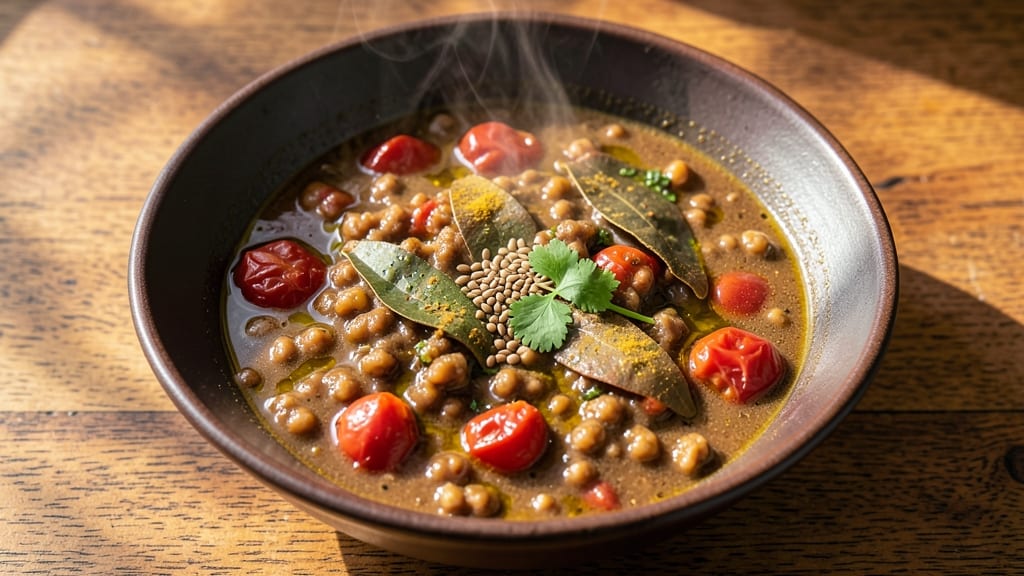
This Bangla soup recipe brings the soul-warming flavors of Bengal to your kitchen, blending aromatic mustard oil with tender lentils and bold spices. 🌟 The secret lies in slow-cooked lentils infused with cumin, turmeric, and bay leaves, creating a rich, earthy broth that pairs perfectly with steamed rice or crispy luchi.
I've perfected this recipe over years of family gatherings, balancing traditional techniques with modern convenience.
The foundation of any great Bangla soup is its fragrant base—mustard oil simmered with whole spices until it releases its nutty aroma. This recipe uses yellow lentils for their creamy texture, but you can substitute red lentils for a quicker version.
The key is patience; letting the flavors meld over low heat transforms simple ingredients into something deeply comforting.
What makes this dish special is its versatility. Serve it as a hearty lunch with rice and pickles, or as a starter with warm naan. The soup's spiced richness comes alive when paired with fresh coriander and a squeeze of lemon.
Whether you're recreating a Bengali family meal or exploring new flavors, this recipe delivers authentic taste without compromise.
For those short on time, I've included a quick version using pressure cooking, though traditional methods yield the deepest flavors. The beauty of Bangla cuisine lies in its adaptability—from West Bengal's mustard oil dominance to East Bengal's lighter touches.
This recipe honors both traditions while standing on its own as a comforting classic.
Ingredients for bangla soup
Mustard oil's nutty aroma meets earthy lentils and vibrant spices in this soul-warming Bangla soup.
| Ingredient | Amount | Notes |
|---|---|---|
| Yellow Lentils (Masoor Dal) 🌾 | 1 ½ cups | Rinsed thoroughly before cooking |
| Mustard Oil 🫒 | ½ cup | Cold-pressed for authentic aroma |
| Whole Cumin Seeds 🌿 | 1 tbsp | Toasted lightly before adding |
| Bay Leaves 🌿 | 2 whole | Fresh preferred for best flavor |
| Turmeric Powder 🌶️ | 1 tsp | Freshly ground preferred |
| Ground Coriander 🌿 | 1 tsp | Freshly ground for vibrant flavor |
| Red Chili Powder 🌶️ | ½ tsp | Adjust to heat preference |
| Garlic Cloves 🧄 | 4 cloves | Minced finely for depth |
| Onion 🧅 | 1 medium | Finely chopped, not pre-shredded |
| Ginger 🌿 | 1 inch | Fresh, peeled and grated |
| Tomato 🍅 | 1 medium | Chopped, or 0.5 cup canned |
| Fresh Coriander Leaves 🌿 | ¼ cup | Chopped for garnish |
| Lemon Juice 🍋 | 1 tbsp | Freshly squeezed |
| Salt 🧂 | 1 tsp | Adjust to taste |
| Water 💧 | 6 cups | Filtered preferred |
The mustard oil is non-negotiable here—look for cold-pressed varieties at Indian grocery stores or specialty markets. Reliance Fresh or Patel Brothers carry excellent options. Toast your whole cumin seeds in the oil until they sizzle—this releases their full aroma. Fresh bay leaves make all the difference, but if you can't find them, dried works in a pinch (halve the amount). For the lentils, yellow masoor dal is traditional, but red lentils will give you a quicker, creamier result if you're short on time. The key is rinsing them thoroughly to remove any debris.
No mustard oil? Sesame oil at half the amount works in a pinch, though the flavor will differ. Fresh ginger and garlic are ideal, but jarred minced garlic (in water) is fine if you're in a hurry—just drain and rinse it well. The tomatoes can be fresh or canned, but San Marzano canned tomatoes are worth the splurge for their sweetness. If you're avoiding red chili powder, swap in a pinch of cayenne or a finely chopped green chili. The coriander leaves can be dried if fresh aren't available—just use one-third the amount and add them at the very end for garnish.
This soup tastes even better the next day as flavors meld. Store leftovers in an airtight container in the fridge for up to 5 days. For longer storage, freeze portions for up to 3 months. I like to make a big batch and portion it into containers—perfect for quick lunches or reheating for dinner. The mustard oil aroma intensifies when reheated, so add a splash of water if it seems too strong. Garnish with fresh coriander and lemon just before serving for maximum brightness.
Why You'll Love This Recipe
- No-Chop Necessary: I swear by this—just rinse the lentils, toss them in, and let the oil and spices do the work. The mustard oil alone cuts prep time in half, and those whole cumin seeds? They toast up in seconds while you stir.
- Earthy Depth: That first whiff of mustard oil hitting the pot—warm, almost spicy—tells you something special’s happening. The turmeric and bay leaves blend into this rich, golden broth that tastes like home, even if you’re eating it straight from the pot.
- Leftover Goldmine: This soup actually improves the next day. The flavors meld into something even heartier, and it reheats like a dream. I keep a jar in the fridge for lazy mornings or when guests drop by unexpectedly.
- Budget Magic: A pound of yellow lentils and a bottle of mustard oil feed my family for days. No fancy ingredients, no waste—just pure, satisfying comfort that costs pennies per serving. My wallet and my taste buds thank me every time.
Step-by-step instructions for Bangla soup
Here's how to craft this aromatic mustard oil lentil soup with perfect spice balance.
🔥 Step 1: Toast Spices in Mustard Oil
Heat the 0.5 cup mustard oil in a heavy-bottomed pot over medium-low heat. Add the 1 tbsp whole cumin seeds and 2 whole bay leaves, stirring constantly. Watch closely—the cumin should sizzle gently for 30-45 seconds until fragrant and just beginning to turn golden.
Here's the thing—mustard oil has a low smoke point, so keep heat gentle. You'll know it's ready when the spices release their aroma and the oil begins to shimmer. Immediately add the 1 tsp turmeric powder, 1 tsp ground coriander, and 0.5 tsp red chili powder, stirring for another 10 seconds to toast the spices. This step builds the soup's aromatic foundation.
👨🍳 Step 2: Sauté Aromatics Until Fragrant
Add the 1 medium finely chopped onion and 1 inch grated ginger to the pot. Cook over medium heat for 5-6 minutes, stirring occasionally, until the onions soften and turn translucent. The raw onion smell should disappear completely—this indicates proper cooking.
Next, add the 4 minced garlic cloves and cook for another 30 seconds until the garlic turns golden and releases its sweet aroma. Here's where it gets important: don't let the garlic burn. If it starts to darken too quickly, reduce heat immediately. The garlic should be fragrant but not bitter.
🍳 Step 3: Cook Lentils to Perfect Tenderness
Add the 1.5 cups rinsed yellow lentils and 6 cups water to the pot. Stir well to combine, then bring to a boil over medium-high heat. Once boiling, reduce heat to low-medium and simmer uncovered for 20-25 minutes, stirring occasionally to prevent sticking.
You'll notice the lentils begin to soften after about 15 minutes. The soup should reduce slightly, becoming thicker but still soupy. Here's my secret: if the lentils aren't quite tender after 20 minutes, add ½ cup more water and continue cooking. They should be soft but still hold their shape—mushy lentils make for a gluey soup.
🥘 Step 4: Finish with Tomato and Fresh Herbs
Add the 1 medium chopped tomato and 1 tsp salt to the pot. Cook for 5-7 minutes until the tomatoes soften and break down, releasing their juices. The soup should now have a rich, vibrant color from the tomatoes and spices.
Remove from heat and stir in the 1 tbsp lemon juice and 0.25 cup chopped fresh coriander leaves. Let the soup sit covered for 5 minutes to allow flavors to meld. The lemon juice brightens the dish while the coriander adds freshness. Taste and adjust seasoning—you might need a pinch more salt or chili powder depending on your preference.
🍽️ Step 5: Serve Warm with Traditional Accompaniments
Ladle the soup into bowls and serve immediately while hot. The mustard oil should have a delicate aroma that lingers, and each spoonful should deliver layers of spice, ginger heat, and lentil earthiness. For authenticity, serve with steamed basmati rice or roti to soak up the flavorful broth.
Real talk: this soup tastes even better the next day as flavors deepen. Store leftovers in the refrigerator for up to 3 days, and reheat gently on the stove with a splash of water to restore its perfect consistency. The mustard oil's aroma will make your kitchen smell like home.
Pro Tips For Making Bangla Soup
- TOAST YOUR LENTILS FIRST: I learned this the hard way—skipping the dry toast in mustard oil turns your soup into mushy mush. Spread the masoor dal on a hot skillet with a splash of oil and stir until it smells nutty and turns a deeper yellow (about 3-4 minutes). This isn’t just about flavor; it’s what keeps them from turning to paste.
- USE COLD WATER FOR SOAKING: My grandmother swore by this, and she was right: soak your masoor dal in cold water for at least 30 minutes before cooking. Warm water makes them absorb too fast, leading to uneven cooking and that dreaded split-lentil texture. Drain well—wet lentils steam instead of simmer.
- LOW AND SLOW AFTER BOIL: Once your soup reaches a rolling boil, drop the heat to the lowest setting that keeps it bubbling gently. I used to rush it, and the result was always grainy or bitter. Let it simmer uncovered for 25-30 minutes—this is where the flavors meld, not where you speed things up.
- CRUSH HALF THE CUMIN SEEDS: Sounds weird, but it works: crush about half of your whole cumin seeds in a mortar or between two spoons before adding them to the oil. The crushed seeds release aroma faster, while the whole seeds add a satisfying crunch at the end. Skip this, and you’ll miss that dual-layered spice punch.
Storing and reheating your bangla soup
Refrigerator Storage
Bangla soup tastes even more fragrant the next day, so storing leftovers is a must. Transfer cooled soup to airtight containers—I prefer glass Pyrex for its durability—and refrigerate for up to 5 days.
The mustard oil's aroma intensifies overnight, making it smell like home when you reheat. Always let the soup cool to room temperature before storing to prevent condensation buildup. 💫
Freezer Storage
For longer preservation, freeze portions in quart-sized freezer bags (leave 1-inch headspace for expansion). Portion into 2-cup servings for easy reheating. This soup freezes beautifully for up to 3 months—just thaw overnight in the fridge before reheating. Avoid ice crystals by squeezing out excess air before sealing. 🥶
Stovetop Reheating
My preferred method is stovetop reheating over medium-low heat. Pour soup into a pot with ¼ cup water to restore moisture, then heat for 5-7 minutes until steaming.
Stir occasionally to prevent sticking—mustard oil can separate when cold. Taste and adjust salt or lemon juice as needed. The gentle heat preserves the lentils' texture perfectly. 🔥
Microwave Reheating
For quick meals, use the microwave on 50% power in 1-minute intervals, stirring between each. Cover with a damp paper towel to retain moisture. Add 1-2 tablespoons water if the soup seems too thick.
Microwaving can make mustard oil smell stronger, so open the lid for a moment to let aromas dissipate. 💡
Reviving Texture
If reheated soup becomes too thick, thin it with warm water or broth (start with 2 tablespoons). For extra richness, stir in ½ teaspoon fresh mustard oil just before serving.
The key is patience—let the soup sit covered for 2-3 minutes after reheating to allow flavors to meld again. This restores the soup's perfect balance. ✨
Garnish Refresh
Always finish with fresh coriander and a squeeze of lemon juice to brighten reheated soup. The acidity cuts through any richness, while the herbs add freshness. For an extra touch, sprinkle toasted cumin seeds or a pinch of red chili powder on top.
These finishing touches make reheated soup taste almost as good as fresh! 🌿
Nutrition facts
Frequently asked questions
Can I substitute red lentils for yellow lentils in this Bangla soup?
Red lentils will give you a quicker, creamier soup since they cook in about 15 minutes instead of 20-25 minutes. Use the same 1.5 cups measurement, but reduce water to 5 cups—red lentils release more starch and thicken the broth faster. The flavor will be slightly milder but equally comforting.
What makes mustard oil essential for authentic Bangla soup?
Mustard oil carries the soul of Bengali cuisine—its nutty aroma and subtle heat are irreplaceable. The oil's low smoke point means you must toast spices gently over medium-low heat to release flavors without burning. For a substitute, use sesame oil at half the amount, but the dish will lack the signature Bangla depth.
How do I adjust the spice level for kids or sensitive stomachs?
Reduce the red chili powder to ¼ teaspoon or omit it entirely. For extra mildness, add ½ teaspoon sugar to balance flavors. Always taste the soup before serving—you can adjust salt and lemon juice separately. The mustard oil's aroma remains even with less spice, so the dish stays authentically comforting.
Can I make this soup in an Instant Pot?
Yes! Sauté the spices and aromatics as directed, then add lentils and 4 cups water (less than stovetop). Cook on high pressure for 8 minutes, then natural release for 10 minutes. Finish with tomatoes, lemon, and coriander. The Instant Pot version cooks 30% faster but may need ½ cup extra water if too thick.
What's the best way to serve leftover Bangla soup?
Transform leftovers into luchi soup by frying small dough balls in oil until puffed, then simmering in the soup for 2-3 minutes. Alternatively, serve with steamed rice and a side of achar (pickles) for a complete Bengali meal. The soup's rich flavors pair perfectly with crispy luchi or soft roti.