
Soups & Stews
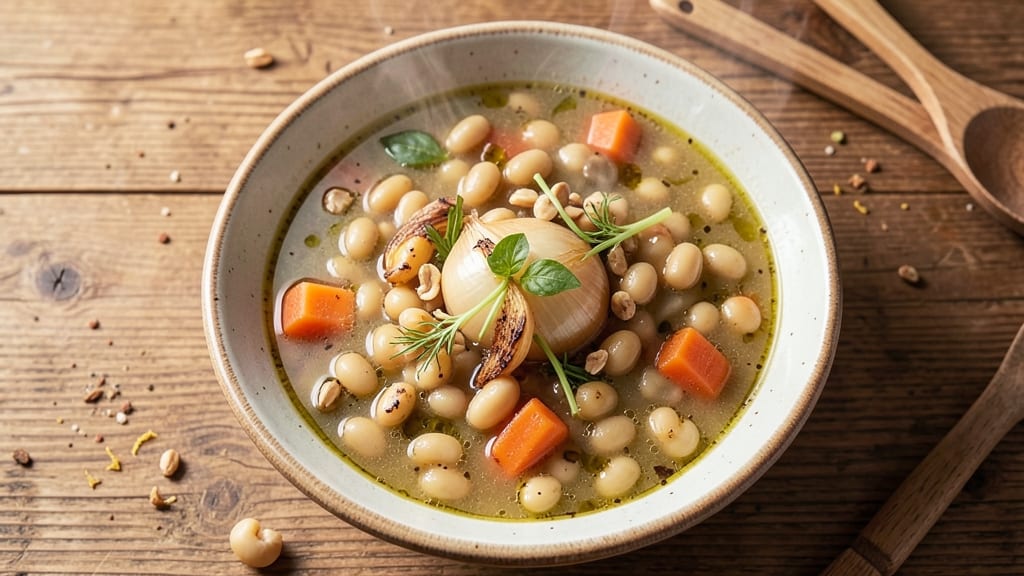
Biaggi's minestrone soup recipe delivers the soul-warming comfort of Italy's most beloved vegetable soup—packed with seasonal produce, slow-simmered flavors, and that perfect balance of hearty and light.
The key lies in layering vegetables strategically, starting with sturdy root veggies that form the flavor foundation while delicate greens finish just before serving. I've refined this version to stay true to traditional techniques while offering modern flexibility for dietary preferences.
What sets this recipe apart is the slow simmering process, which transforms simple ingredients into a rich, aromatic broth infused with garlic, herbs, and a touch of tomato. The secret weapon?
Using a mix of dried beans and fresh pasta—soaked overnight for maximum tenderness—while reserving pasta water to create that signature silky texture. This method ensures every spoonful delivers both substance and comfort, making it a perfect weeknight meal or cozy gathering centerpiece.
By the time it's done, you'll have a steaming pot of minestrone where each bite offers a symphony of textures: al dente pasta, creamy beans, crisp-tender carrots, and wilted greens all swimming in a savory broth.
The beauty of this recipe is its adaptability—swap in seasonal vegetables, add protein like mushrooms or white beans, or keep it vegetarian. It's the kind of dish that tastes even better the next day, making it ideal for meal prep.
Ready in about 1 hour (with prep time), this minestrone proves you don't need fancy ingredients to create restaurant-quality results. The slow cooking process allows flavors to meld beautifully, while the final addition of fresh basil and parmesan adds bright, finishing notes that elevate every spoonful. Let's get simmering!
Ingredients for biaggi's minestrone soup
Seasonal vegetables, slow-simmered beans, and al dente pasta create Italy's most comforting one-pot masterpiece.
| Ingredient | Amount | Notes |
|---|---|---|
| Dried Cannellini Beans 🌱 | 1 ½ cups | Soaked overnight, drained |
| Dried Borlotti Beans 🌱 | 1 cup | Soaked overnight, drained |
| Medium Carrots 🥕 | 4 whole | Cut into 1-inch chunks |
| Celery Stalks 🧅 | 3 whole | Chopped into 1-inch pieces |
| Medium Onion 🧅 | 1 whole | Diced, roughly 1 cup |
| Garlic Cloves 🧄 | 4 cloves | Minced, for depth of flavor |
| Extra-Virgin Olive Oil 🫒 | ½ cup | High-quality, fruity |
| Diced Tomatoes 🍅 | 2 cups | San Marzano preferred |
| Vegetable Broth 💧 | 4 cups | Homemade or quality store-bought |
| Fresh Kale 🌿 | 4 cups | Chopped, stems removed |
| Fresh Spinach 🌱 | 2 cups | Chopped, added late |
| Penne Pasta 🍝 | 12 oz | Fresh preferred, al dente |
| Fresh Basil Leaves 🌿 | ¼ cup | Chopped, for finishing |
| Grated Parmesan Cheese 🧀 | ½ cup | Freshly grated, for serving |
| Kosher Salt 🧂 | 1 ½ tsp | Diamond Crystal preferred |
| Freshly Ground Black Pepper 🌶️ | ½ tsp | For seasoning |
The beans are the heart of this soup—cannellini and borlotti deliver that signature creamy texture. Soak them overnight to ensure perfect tenderness; no need to peel, just drain and add. For the vegetables, farmers market finds elevate the dish—look for carrots with vibrant color and celery with crisp stalks. The onion and garlic form the aromatic base, so don't rush this step. I always grab San Marzano tomatoes when in season—their sweetness balances the earthy beans beautifully. Fresh pasta makes all the difference here, but dried works in a pinch if you're short on time.
No fresh basil? Dried oregano at one-third the amount works, though it lacks that bright finish. Substituting mushrooms for half the beans adds heartiness without compromising texture. The vegetable broth can be homemade (simmer celery, carrots, and onion for 30 minutes), or use Pacific Foods or Imagine brands for restaurant-quality results. For a quicker version, swap the dried beans for 1 can each of cannellini and borlotti, drained and rinsed. The kale and spinach should go in just before serving—they wilt beautifully while keeping their vibrant color.
This soup tastes even better the next day as flavors meld. Store in an airtight container for up to 5 days in the fridge, or freeze for 3 months. I always make a double batch—one pot for dinner, one for lunches. The pasta water is liquid gold; reserve 1 cup before draining to create that signature silky texture when reheating. For serving, garnish with fresh basil and a sprinkle of Parmigiano-Reggiano—it transforms an already delicious bowl into something extraordinary.
Why You'll Love This Recipe
- Two Beans, Big Payoff: That earthy borlotti and buttery cannellini combo? It’s a flavor dream team. The carrots and celery add just enough sweetness to balance the beans, but honestly, the real magic happens when the onion caramelizes—deep, rich, and impossible to resist.
- Lunch or Dinner Flex: This soup is my weeknight MVP—equally at home in a bowl at noon or as a hearty dinner with crusty bread. I’ll be real: I’ve even served it cold as a summer starter (yes, even on a Tuesday night) when the veggies are extra crisp.
- Leftovers That Don’t Suck: Unlike most soups, this one improves overnight. The flavors deepen, the beans soften just right, and I’m always reaching for seconds. Plus, it’s my wallet’s best friend—dried beans and seasonal veggies stretch into five meals without breaking the bank.
Step-by-step instructions for biaggi's minestrone soup
This method delivers a rich, vegetable-forward minestrone with perfectly al dente pasta and tender beans.
Sauté the Vegetable Base
Heat the 0.5 cup extra-virgin olive oil in a large Dutch oven over medium heat. Add the diced onion and cook for 5 minutes until softened and translucent. Add the chopped celery and 1-inch carrot chunks, cooking for another 5 minutes until the vegetables begin to soften and release their aromas.
This foundational step develops the soup's depth of flavor. The vegetables should be tender but not browned—you're building a flavor base, not frying. If the oil starts to smoke, reduce the heat slightly. I like to press down gently on the vegetables with a wooden spoon to ensure even cooking.
Add Tomatoes and Garlic
Stir in the diced tomatoes and minced garlic cloves, cooking for 3-4 minutes until the garlic becomes fragrant. Season with 1 teaspoon kosher salt and 0.25 teaspoon freshly ground black pepper. The tomatoes should break down slightly, releasing their juices and creating a thicker base.
This is where the soup's character begins to develop. The garlic should mellow rather than burn—watch it closely as it can go from fragrant to bitter in seconds. If the mixture smells too sharp, it's time to add the broth in the next step to mellow the flavors.
Simmer the Beans and Broth
Pour in the 4 cups vegetable broth and bring to a gentle boil. Add the 1.5 cups drained cannellini beans and 1 cup drained borlotti beans, reducing heat to low and simmering for 20 minutes. The beans should soften but remain intact—this ensures they hold their shape while contributing creaminess to the broth.
I stir occasionally to prevent the beans from sticking to the bottom. If the soup looks too thin at this stage, it will thicken as the vegetables cook down. The beans should be tender but still hold their shape—if they're falling apart, they've been overcooked.
Incorporate Pasta and Leafy Greens
Add the 12 oz penne pasta and the remaining 3 carrot chunks, stirring gently. Bring to a boil, then reduce heat to medium-low and simmer for 12-14 minutes, or until the pasta is al dente. Stir in the 4 cups chopped kale and cook for 2 minutes until just wilted.
The pasta should have a slight bite—it will finish cooking in the residual heat. I like to taste-test a piece of pasta to ensure it's al dente. If the soup seems too thick, add ½ cup hot broth to loosen it. The kale should soften but retain some texture.
Finish and Serve
Remove from heat and stir in the 2 cups chopped spinach until just wilted. Ladle into bowls and top each serving with 0.25 cup chopped fresh basil and 0.5 cup grated parmesan cheese. Adjust seasoning with additional kosher salt and black pepper if needed.
The final touch of basil and parmesan elevates the dish, adding brightness and richness. Serve immediately while the pasta is hot and the flavors are vibrant. This soup tastes even better the next day as the flavors meld further, but the pasta holds its texture best when served fresh.
Pro Tips For Making Biaggi'S Minestrone Soup
- SOAK BEANS OVERNIGHT: Dried beans are the soul of this soup, but skipping the soak leaves them tough and gummy. Toss them in cold water (no salt yet) for 12+ hours—yes, even the Borlotti. I learned this the hard way when my first attempt turned the beans into rubber. Cover them with at least 3 inches of water and swap it twice if you’re short on time.
- SWEAT, DON’T BURN: The onion, celery, and carrots need patience—low heat and 10 minutes of sweating, not browning. After burning three batches, I finally figured out: keep the heat at a simmer, add a splash of water if it gets sticky, and resist the urge to stir constantly. You’re building flavor, not caramel.
- SKIP THE CROWDED POT: Biaggi’s recipe calls for both Cannellini and Borlotti, but cramming them all in at once turns the pot into a science experiment. Cook the Cannellini first (they’re faster), then add the Borlotti when they’re nearly done. Crowding them together guarantees a mushy, uneven texture—no one wants that in a minestrone.
- SAVOR THE STOCK: Store-bought broth is fine, but homemade stock—even just a quick version—elevates this soup. Simmer onion peels, celery ends, and a bay leaf in water for 20 minutes, then strain. It’s not fancy, but it adds depth the canned stuff can’t match. I was skeptical until I tried it—now I won’t go back.
Serving suggestions for this recipe
Bread Pairings
Crusty ciabatta or focaccia is my go-to for dipping—those airy holes soak up the broth beautifully. For a lighter option, toasted baguette slices work perfectly, especially with a smear of garlic-infused olive oil before serving. The open texture of these breads prevents them from turning mushy when submerged. 🥖
Cheese Accompaniments
Serve with a wedge of aged pecorino or Parmigiano-Reggiano on the side for guests to sprinkle on their own bowls. I also love adding grilled halloumi cubes—it adds a rich, salty contrast that pairs wonderfully with the earthy beans. For a vegetarian twist, include marinated artichoke hearts as a garnish.
Wine Recommendations
A crisp Italian white wine like Vermentino from Sardinia cuts through the soup's richness with its citrus notes. For red wine lovers, a light Chianti or Pinot Noir from Tuscany complements the tomato and herb flavors beautifully. Avoid heavy, oaky wines that could overpower the delicate vegetable broth. 🍷
Garnish Ideas
Freshly cracked black pepper adds a bright finish, while a drizzle of high-quality extra-virgin olive oil enhances the natural flavors. I also like adding toasted pine nuts or pumpkin seeds for crunch and visual appeal. For a pop of color, scatter edible flowers like nasturtiums on top before serving.
Side Salad Pairing
A simple arugula salad with lemon vinaigrette balances the hearty soup perfectly. Toss 4 cups baby arugula with 2 tbsp olive oil, 1 tbsp lemon juice, and a pinch of sea salt. The peppery bite cleanses the palate between spoonfuls of minestrone. 🥗
Dessert Pairings
Finish the meal with a light dessert like panna cotta with berry compote or lemon granita. The sweetness contrasts beautifully with the savory soup, leaving a refreshing finish. For a classic Italian touch, serve tiramisu or affogato with a shot of espresso. 🍮
Nutrition facts
Frequently asked questions
Can I make this minestrone without soaking the beans overnight?
Yes, but it will take longer and may not be as tender. Use 2 cans of cannellini and borlotti beans (drained and rinsed) instead of dried. Add them during the 20-minute simmering stage with the broth. For dried beans, a 4-hour quick-soak (boil for 2 minutes, then let sit covered) works in a pinch, but overnight is ideal for maximum flavor and texture.
How do I adjust this recipe for a vegan version?
Replace the vegetable broth with a high-quality vegan version and use nutritional yeast instead of parmesan. For protein, add 1 cup cooked lentils or mushrooms (like cremini or portobello) sautéed with garlic. Skip the pasta or use gluten-free chickpea pasta for a heartier vegan option. The flavor remains rich and satisfying!
Why does my minestrone taste bland after reheating?
Minestrone often tastes better the next day, but blandness usually means insufficient seasoning or overcooking. Always taste and adjust salt/pepper before serving. For reheating, add 1-2 tablespoons of lemon juice or vinegar to brighten flavors. Avoid over-simmering—beans and pasta should never be mushy. If needed, stir in a pinch of dried oregano or thyme to deepen the herbal notes.
Can I substitute other vegetables in this recipe?
Swap in seasonal vegetables like zucchini, butternut squash, or fennel for carrots, or add cabbage or Brussels sprouts for extra heartiness. For leafy greens, try chard, beet greens, or Swiss chard instead of kale/spinach. Just ensure the vegetables hold up during the long simmer—delicate greens should always go in last. The key is balancing textures and flavors!
How do I prevent the pasta from getting mushy?
Cook the pasta 1-2 minutes less than package instructions suggest, then finish cooking in the soup's residual heat. Use fresh pasta if possible—it holds up better than dried. Stir the soup gently while pasta cooks to prevent sticking. If the soup seems too thick, add ½ cup hot broth or pasta water to loosen it. Always taste-test a piece of pasta before serving!