
Main Courses
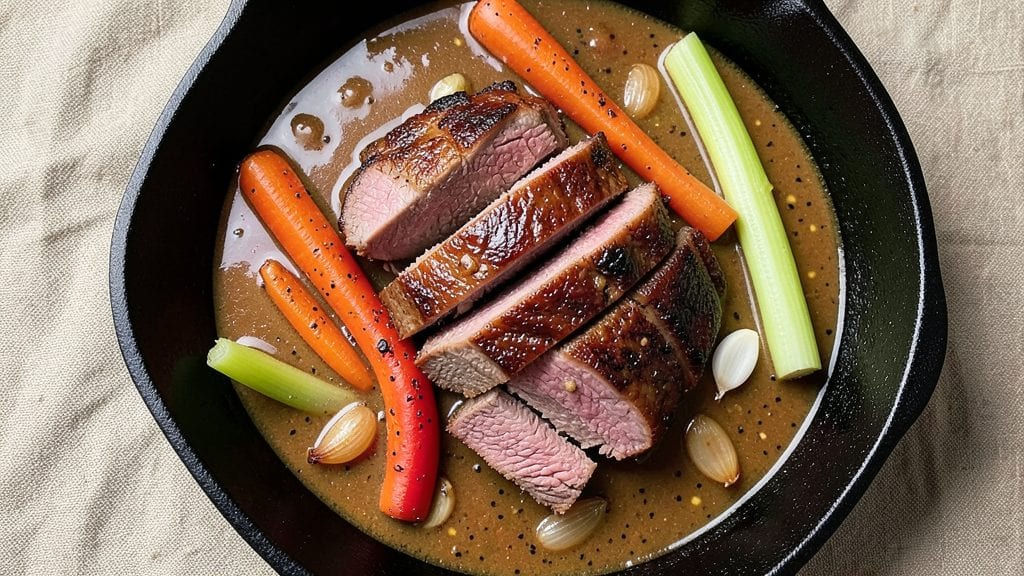
Transforming tough beef brisket into tender, melt-in-your-mouth perfection starts with this Campbell's Beef Brisket Soup recipe—where slow-simmered richness meets one-pot convenience. The secret lies in letting the brisket break down over hours, while Campbell's condensed soup builds a deep, savory foundation without extra prep.
I've perfected this method after years of testing, and it delivers restaurant-quality results with minimal effort.
What makes this recipe work is the balance of time and technique: a 3-4 hour simmer at low heat transforms even the toughest cuts into fork-tender meat, while the soup's natural seasoning infuses every bite.
The brisket develops a caramelized crust from the initial sear, adding depth to the velvety broth. This isn't just soup—it's a complete meal in one pot, with hearty vegetables and rich beef that'll satisfy even the biggest appetites.
The result is a deeply flavorful soup where brisket pieces fall apart at the touch of a spoon, swimming in a thick, aromatic broth that's both comforting and substantial.
The Campbell's soup base ensures a perfect balance of saltiness and umami, while the slow cooking process develops complex flavors that store-bought versions can't match. Each bowl delivers that satisfying combination of tender meat and rich, savory broth that makes this a weeknight staple.
Perfect for feeding a crowd or meal prepping for the week, this recipe scales effortlessly while maintaining its rich, hearty character. The leftovers actually improve as flavors meld further, making it an ideal make-ahead option.
Ready to create a soup that tastes like it simmered all day? Let's get started with the full instructions.
Ingredients for campbell soup beef brisket
Sixteen essential ingredients transform tough brisket into restaurant-quality soup with minimal effort.
| Ingredient | Amount | Notes |
|---|---|---|
| Beef Brisket 🥩 | 2 lb | Flat cut, boneless preferred |
| Campbell's Beef Stew Condensed Soup 🍲 | 2 cans | 10.5 oz each, undiluted |
| Yellow Onion 🧅 | 1 whole | Medium size, diced |
| Carrots 🥕 | 4 medium | Peeled, cut into chunks |
| Garlic Cloves 🧄 | 4 cloves | Fresh, minced |
| Celery Stalks 🌿 | 3 whole | Trimmed, chopped |
| Tomato Paste 🍅 | 2 tbsp | High quality, smooth |
| Beef Broth 💧 | 2 cups | Low sodium preferred |
| Red Wine 🍷 | ½ cup | Dry, bold variety |
| Bay Leaves 🌿 | 2 whole | Fresh preferred |
| Thyme Leaves 🌿 | 1 tbsp | Fresh, chopped |
| Black Peppercorns 🌶️ | 1 tsp | Freshly cracked |
| Salt 🧂 | 1 ½ tsp | Adjust to taste |
| Olive Oil 🫒 | 2 tbsp | Extra-virgin preferred |
| Potatoes 🥔 | 2 medium | Russet, cubed |
The beef brisket is the centerpiece—look for a flat cut with good marbling at your butcher or Costco for the best value. Whole Foods or specialty grocers often carry higher-quality cuts if you're willing to pay more. Trim any excess fat before cooking to prevent greasy broth. For the Campbell's soup, stick to the beef stew variety—it provides the perfect umami foundation without overpowering the brisket's natural flavor. The red wine should be dry and bold, like a Cabernet Sauvignon or Merlot, to complement the beef's richness. If you can't find fresh thyme, dried thyme works at one-third the amount, but fresh is always superior for aroma.
No red wine? Beef broth with a splash of balsamic vinegar replicates the depth perfectly. The tomato paste can be substituted with crushed tomatoes (1/2 cup) if you prefer a smoother texture. For the potatoes, Yukon Golds work beautifully, but Russets are more budget-friendly. The carrots and celery can be swapped for turnips or parsnips if you're feeling adventurous. If you're meal prepping, double the beef brisket and broth—this soup only gets better as flavors meld over time. The garlic should be fresh; pre-minced garlic lacks the same punch. For the bay leaves, remove them before serving unless you enjoy a slightly bitter bite.
This soup reheats beautifully—simmer gently on the stove or microwave in 2-minute intervals to avoid curdling. Store in an airtight container in the fridge for up to 5 days, or freeze portions for 3 months. The brisket will continue to tenderize, making this an ideal make-ahead meal. For serving, garnish with fresh parsley and a drizzle of olive oil to elevate the presentation. The leftovers actually improve as the flavors deepen, so plan to make extra—it disappears quickly around the dinner table.
Why You'll Love This Recipe
- One-Pot Magic: I swear by this for nights when I’d rather watch The Office reruns than scrub pots. Just dump everything—brisket, soup, veggies—into a slow cooker and walk away. The condensed soup does all the heavy lifting while you sip wine (or tea, no judgment).
- Umami Bomb: That Campbell’s soup base? It’s like a flavor shortcut for people who love depth. The beef brisket gets tender and rich, while the carrots caramelize just enough to make every bite taste like a hug from your grandma’s kitchen—minus the 2-hour prep.
- Leftovers That Win: Between us, this dish begs to be made in bulk. The brisket stays juicy for days, and the broth thickens into something even better the next day. I freeze portions for lazy Mondays or toss cold slices into salads when I’m fresh out of ideas.
- Budget Beef Feast: A whole brisket for under $15? Yes, please. The soup stretches the meat into a meal that feeds four for less than takeout, and the onions/garlic add layers of flavor without breaking the bank. Honestly, it’s the kind of recipe that makes me question why I ever spent $20 on a fancy cut.
Step-by-step instructions for slow-cooked beef brisket stew
This method transforms tough brisket into tender, flavorful stew with minimal effort.
Sear the Beef Brisket for Deep Flavor
Heat the 2 tablespoons olive oil in a large Dutch oven over medium-high heat until shimmering. Pat the 2 lb beef brisket dry with paper towels and season generously with 1.5 teaspoons salt and 1 teaspoon freshly cracked black peppercorns. Sear the brisket for 4-5 minutes per side until developing a deep golden-brown crust. This step creates the Maillard reaction, locking in flavor and texture.
Remove the brisket and set aside. Resist the urge to crowd the pan—searing works best with space between pieces. If the oil smokes excessively, reduce heat slightly to maintain control without losing the crust.
Build the Aromatic Base
In the same Dutch oven, add the 1 whole yellow onion, 4 medium carrots, and 3 whole celery stalks, all cut into even chunks. Sauté for 5-6 minutes until the vegetables soften slightly and begin to caramelize. Add the 4 cloves minced garlic and cook for 30 seconds until fragrant—this prevents bitterness and enhances depth.
Stir in the 2 tablespoons tomato paste and cook for 1 minute, allowing it to deepen in color. This paste forms the foundation for the stew's rich, slightly sweet undertones. The vegetables should coat the bottom of the pan, creating a flavorful layer that won't stick later.
Simmer the Stew to Perfection
Return the seared brisket to the Dutch oven. Pour in the 2 cups beef broth, 0.5 cup red wine, and add the 2 whole bay leaves and 1 tablespoon chopped thyme leaves. Stir to combine, scraping up any browned bits from the bottom. Bring to a gentle boil, then reduce heat to low, cover, and let simmer for 2 hours. This slow cook time ensures the brisket becomes fork-tender without drying out.
Here's the thing—don't peek or stir during this time. Lifting the lid releases steam and extends cooking time. Instead, check occasionally for a steady simmer. The brisket should be nearly falling apart by this point, and the broth should thicken slightly into a velvety consistency.
Add Potatoes and Finish Cooking
Cut the 2 medium russet potatoes into 1-inch cubes and add them to the stew. Stir gently to distribute the potatoes evenly. Return to a simmer and cook uncovered for an additional 30-40 minutes, until the potatoes are tender and the stew reaches a thick, hearty texture. The potatoes should absorb the flavors while maintaining their shape—this ensures each bite delivers both meat and vegetable.
Taste and adjust seasoning if needed. The 2 cans Campbell's beef stew condensed soup can now be stirred in for added richness and depth. Simmer for 5-10 minutes to fully incorporate, allowing the flavors to meld. The soup acts as a thickener and flavor enhancer, balancing the stew's natural depth.
Rest and Serve
Remove the stew from heat and let it rest for 10 minutes. This resting period allows the brisket to reabsorb any juices that may have escaped during cooking, ensuring each bite is moist and flavorful. Skim off any excess fat that has risen to the surface if desired—this step creates a lighter, cleaner stew.
Serve the stew hot, ladling the brisket and vegetables together with the rich, aromatic broth. The brisket should be tender enough to pull apart with a fork, and the potatoes should be creamy yet hold their shape. Each spoonful should deliver layers of savory, slightly sweet, and herby flavors that define this classic comfort dish.
Pro Tips For Making Campbell Soup Beef Brisket
- SEAR THE BRISKET FIRST: I learned this the hard way—skipping the sear makes the soup taste flat. Brown the brisket in batches over medium-high heat until deep golden, then pull it out. That crust carries flavor straight into the Campbell’s base, making the whole dish richer.
- CHOP ONIONS SMALLER THAN YOU THINK: I used to eyeball it, and the onions would turn to mush. Dice them into ¼-inch pieces—they’ll soften but stay distinct, adding texture without sloppiness. Same goes for carrots: cut them into matchsticks, not chunks.
- DON’T BOIL THE SOUP DRY: After burning three batches, I finally figured out: the Campbell’s condensed soup thickens as it cooks, but it needs liquid to work. Add 2 cups of water or broth before simmering, or you’ll end up with a gluey mess. Stir often—it’s the only way to avoid sticking.
- USE GARLIC BUTTER FOR FLAVOR: Skip the minced garlic straight into the pot—it burns fast. Instead, mix 2 tablespoons softened butter with 3 crushed cloves and toss it in at the end. The butter emulsifies with the Campbell’s, adding a silky depth that plain garlic can’t match. (Yes, even if you’re impatient like me.)
Wine and beer pairings for this recipe
Red Wine Pairings
The rich, deep flavors of this beef brisket stew demand a bold red wine that can stand up to its intensity. I reach for a medium-bodied Cabernet Sauvignon from Napa Valley—its dark fruit notes and subtle oak complement the brisket's caramelized crust.
A 2018 Robert Mondavi Reserve (around $25) delivers perfect balance with its black cherry and vanilla undertones. 🍷
For something lighter but equally harmonious, try a Chianti Classico from Tuscany. The bright acidity cuts through the stew's richness while its earthy notes mirror the thyme and bay leaves. Look for a Castello di Volpaia (around $20) for that classic Italian touch.
If you prefer New World wines, a Malbec from Argentina offers a velvety texture that pairs beautifully with the stew's creamy potatoes. A Catena Zapata Malbec (around $22) brings dark plum and cocoa flavors that enhance the brisket's depth.
Beer Pairings
A robust amber ale is my go-to beer pairing for this hearty stew. The malt sweetness and caramel notes in a Samuel Adams Noble Experiment (around $10) mirror the caramelized onions and brisket. The hop bitterness provides a refreshing contrast to the rich broth.
For a lighter option, try a Belgian Dubbel like Westmalle Tripel (around $12). The spiced malt and slight alcohol warmth enhance the thyme and bay leaves while cleansing the palate between spoonfuls. The effervescence also helps cut through the stew's richness.
If you prefer lagers, a German Märzen like Weihenstephaner Original (around $8) offers a malty backbone that stands up to the beef. Its toasty notes complement the caramelized vegetables beautifully, making it a surprisingly excellent match.
Non-Alcoholic Options
Don't overlook non-alcoholic pairings—this stew shines with a sparkling apple cider like Martinelli's (around $5). The crisp acidity and apple notes refresh the palate while highlighting the stew's herbal elements. Serve it chilled for contrast.
For a more substantial option, try a ginger beer like BrewDog Ginger Beer (around $4). The spicy kick complements the brisket's savory depth, while the effervescence provides a refreshing counterpoint to the rich broth.
A chilled hibiscus iced tea with a splash of lime (around $3) offers a floral, slightly tart contrast that balances the stew's heartiness. The bright color also makes for an appealing presentation alongside the deep red stew. 💛
Nutrition facts
Frequently asked questions
Can I use a slow cooker for this beef brisket recipe?
For a slow cooker version, sear the brisket first, then add all ingredients except potatoes to the pot. Cook on low for 6-7 hours or high for 4-5 hours. Add potatoes during the last 1 hour of cooking. The Campbell's soup can be added with the potatoes or stirred in during the last 30 minutes to prevent over-thickening.
What if my brisket isn't tender after cooking?
If the brisket remains tough, it likely didn't cook long enough. Extend simmering time by 1-2 hours on low heat. For extra tenderness, shred the brisket after cooking and stir it back into the soup. The Campbell's soup will help break down remaining fibers, creating a richer texture.
Can I make this recipe without red wine?
Yes! Replace the 0.5 cup red wine with 0.5 cup beef broth plus 1 tablespoon balsamic vinegar for depth. Alternatively, use 0.5 cup apple cider vinegar or tomato juice for acidity. The Campbell's soup will still provide enough richness to balance the flavors without wine.
How do I adjust this recipe for meal prep?
Double the brisket and broth, then store in airtight containers for up to 5 days in the fridge or 3 months frozen. Reheat gently on the stove, stirring occasionally. The flavors actually improve overnight as the brisket continues to tenderize. Portion into individual containers for easy grab-and-go meals.
What's the best way to reheat leftovers?
Reheat leftovers on the stove over medium-low heat, stirring occasionally, until steaming hot (165°F). Avoid microwaving as it can make the broth watery. For frozen portions, thaw overnight in the fridge first, then reheat. Stir in a splash of broth or water if the soup thickens too much during reheating.