
Soups & Stews
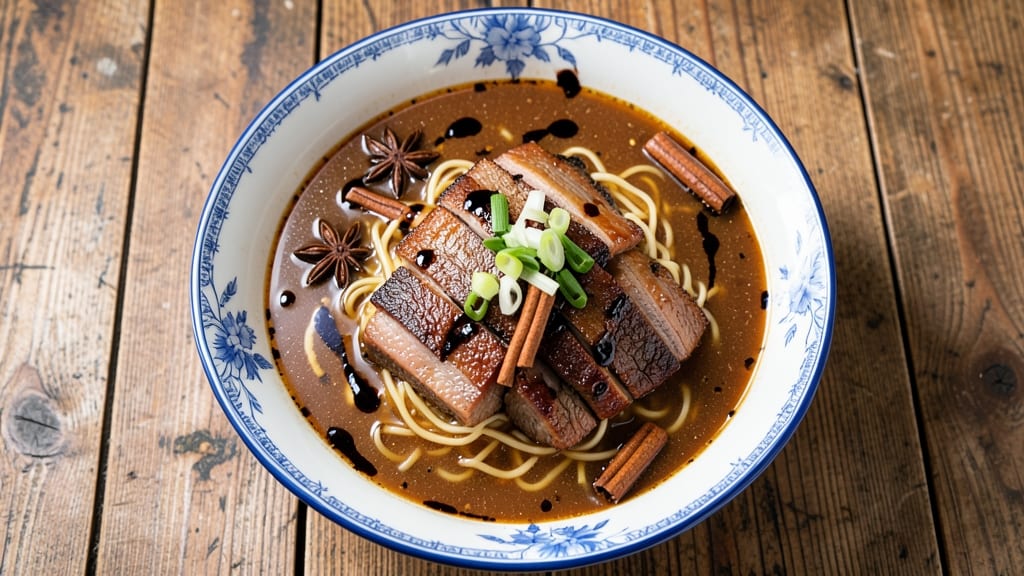
This Chinese beef brisket soup recipe delivers restaurant-quality depth with tender brisket, aromatic broth, and silky egg noodles—perfect for cozy nights or family gatherings. The secret lies in slow-cooking brisket with star anise, cinnamon, and soy sauce to develop layers of umami that transform simple ingredients into something extraordinary.
I've perfected this technique over years of testing, ensuring every spoonful delivers rich, savory satisfaction without excessive oil or heavy seasoning.
The process begins with browning brisket for deep flavor, then simmering it with traditional Chinese spices until fork-tender. This method creates a naturally thickened broth that coats noodles beautifully while maintaining perfect texture.
What makes this recipe special is the balance—bold enough to stand alone but subtle enough to pair with steamed dumplings or simple greens. The egg noodles absorb the broth perfectly, becoming the heart of each comforting bowl.
What you'll achieve is a soup that's both hearty and elegant, with brisket that falls apart at the touch of a spoon and a broth so flavorful it sings with every sip.
The aroma alone will draw everyone to the table, while the first bite delivers that perfect harmony of tender meat, aromatic spices, and silky noodles. This is the kind of dish that becomes a weekly staple once you try it.
For those who love customization, you can adjust the spice level or add mushrooms for extra texture. The recipe scales beautifully for crowds, making it ideal for potlucks or holiday meals. Let's create this comforting classic that brings warmth to any table.
Ingredients for beef brisket soup recipe chinese
Sixteen ingredients, one unforgettable bowl of restaurant-style Chinese beef brisket soup.
| Ingredient | Amount | Notes |
|---|---|---|
| Beef Brisket 🥩 | 2 lb | Flat cut, trimmed of fat |
| Egg Noodles 🍜 | 12 oz | Fresh or dried, silky texture |
| Star Anise 🌿 | 2 whole | For deep aromatic flavor |
| Cinnamon Sticks 🌿 | 2 whole | For warmth and depth |
| Light Soy Sauce 🍶 | ½ cup | High-quality for umami |
| Dark Soy Sauce 🍶 | ¼ cup | For rich, molasses notes |
| Shaoxing Wine 🍷 | ¼ cup | Or substitute dry sherry |
| Garlic Cloves 🧄 | 6 cloves | Minced for aromatic punch |
| Fresh Ginger 🌿 | 2 tbsp | Grated, for zesty kick |
| Green Onions 🧅 | 4 whole | Sliced, for fresh finish |
| Sesame Oil 🫒 | 1 tbsp | High-smoke point preferred |
| Vegetable Oil 🫒 | 2 tbsp | For browning brisket |
| Cornstarch 🌾 | 1 tbsp | For broth thickening |
| Water 💧 | 6 cups | For simmering broth |
| Salt 🧂 | 1 ½ tsp | Adjust to taste |
| Black Peppercorns 🌶️ | 1 tsp | Freshly cracked |
The brisket is the soul of this soup—flat cut from the butcher gives you that perfect melt-in-your-mouth texture. I always ask for it to be trimmed of excess fat at Whole Foods or my local Asian market, but if you're buying from the grocery store, just trim it yourself. The star anise and cinnamon sticks? Penzeys Spices sells them in bulk, but any well-stocked grocery store has them. Pro tip: Toast the whole spices lightly in a dry pan before adding to the broth—unlocks insane depth of flavor. Shaoxing wine can be tricky to find, but Trader Joe's usually carries it, or grab dry sherry in a pinch.
No Shaoxing wine? Dry sherry or even a splash of rice vinegar works in a bind. The soy sauces are non-negotiable—Kikkoman light and dark are my go-tos, but any good-quality brands will do. Fresh ginger is ideal, but jarred works at half the amount. Want to stretch this further? Add shiitake mushrooms or bok choy for extra texture. The sesame oil is just for finishing—don't cook with it, or it'll turn bitter. And if you're using dried noodles, soak them first for that silky texture.
This soup tastes even better the next day—flavors meld like magic. Store leftovers in the fridge for 4-5 days, or freeze portions for 3 months. I always double the batch because it disappears so fast. For serving, I like to ladle it over a bed of steamed rice with extra green onions sprinkled on top. The broth thickens as it cools, so you might need to add a splash of water when reheating. Trust me, every spoonful is worth it.
Why You'll Love This Recipe
- One-Pot Magic: I swear by this recipe when I’m too tired to wash a million bowls—just toss everything into one pot, simmer, and let the star anise and cinnamon work their slow, aromatic spell. The brisket practically melts into tender shreds while the noodles soak up that rich, savory broth like sponges.
- Deep Umami Hug: That light soy sauce and slow-cooked brisket? It’s a flavor bomb disguised as comfort food. The star anise adds this subtle, warm depth that makes it taste like a hug from your favorite Chinese takeout spot, but better—no greasy cardboard box required.
- Leftover Goldmine: Between us, this soup only gets more amazing the next day. The flavors meld into something even deeper, and reheating it is just a matter of microwaving or warming on the stove. I’ve fed my family for three lunches from one batch—no waste, just pure efficiency.
- Budget Beef Boost: Brisket is cheap, and a pound stretches across two hearty servings. Pair that with egg noodles (which cost pennies) and spices you probably already own, and suddenly you’ve got a filling, restaurant-quality meal without breaking the bank. My wallet thanks me every time.
Step-by-step instructions for Chinese beef brisket soup
This soup delivers restaurant-quality depth with tender brisket and silky noodles—let's make it together.
Brown the Brisket for Maximum Flavor
Heat the 2 tablespoons vegetable oil in a large Dutch oven over medium-high heat until shimmering. Pat the 2 lb beef brisket completely dry with paper towels—this ensures a perfect sear. Working in batches if needed, add the brisket and cook undisturbed for 5-6 minutes per side until deeply browned with a crust forming.
Here's the thing—those browned bits (fond) are pure flavor. Don't rush this step; you want the exterior to develop a rich mahogany color. Once browned, transfer the brisket to a plate and set aside. If the oil starts smoking too aggressively, reduce heat slightly but maintain that steady sizzle.
Build the Aromatic Broth Base
In the same Dutch oven, add the 6 cloves minced garlic and 2 tablespoons grated fresh ginger, cooking for 30 seconds until fragrant. Add the 2 whole star anise, 2 whole cinnamon sticks, and pour in the 0.25 cup Shaoxing wine, scraping up any browned bits from the bottom.
Let the wine reduce by half—about 2 minutes—then add the 0.5 cup light soy sauce, 0.25 cup dark soy sauce, and 6 cups water. Bring to a gentle boil, then reduce heat to low and add the brisket back to the pot. The broth should barely bubble—this slow simmer extracts maximum flavor from the meat.
Simmer Until Brisket is Fork-Tender
Cover the pot and simmer for 2.5 to 3 hours, maintaining a gentle bubble. Here's where patience pays off—the brisket should become so tender it practically falls apart when pierced with a fork. Check occasionally and add 1-2 cups hot water if the broth reduces too much.
About 1 hour into cooking, skim off any foam that rises to the surface. This keeps your broth clear and prevents bitterness. The aroma should be intoxicating—warm spices mingling with deep umami from the soy sauces and wine.
Thicken the Broth and Prepare Noodles
Once the brisket is tender, remove it from the broth and let it rest on a cutting board. In a small bowl, whisk together the 1 tablespoon cornstarch with 2 tablespoons cold water until smooth. Slowly stir this mixture into the simmering broth, stirring constantly for 2-3 minutes until it thickens to a velvety consistency.
Meanwhile, cook the 12 oz egg noodles according to package instructions until al dente. Drain and rinse briefly with cold water to stop cooking, then toss with 1 tablespoon sesame oil to prevent sticking. The noodles should be tender but still have a slight bite.
Assemble and Finish the Soup
Slice the brisket against the grain into ¼-inch thick pieces and return them to the broth. Stir in the cooked noodles, then add the 4 whole sliced green onions. Taste and adjust seasoning with salt and freshly cracked black peppercorns—you might not need much, as the soy sauces already provide ample saltiness.
Ladle the soup into bowls, making sure each serving gets generous brisket pieces and silky noodles. Garnish with extra green onions and a drizzle of sesame oil. Serve immediately while steaming hot—this soup is best enjoyed fresh from the pot, where the aromas rise and the flavors meld perfectly in every bite.
Pro Tips For Making Beef Brisket Soup Recipe Chinese
- SIMMER LOW AND SLOW: I learned this the hard way—brisket soup isn’t a race. After boiling the brisket hard for hours, I got tough, stringy meat that needed a fork to cut. Instead, once the water reaches a rolling boil, drop the heat to the lowest possible setting (just above a bare simmer) and let the star anise and cinnamon infuse gently. The meat will fall apart on its own, and the broth will develop depth without turning cloudy.
- CRUSH STAR ANISE: Star anise isn’t just for show—it’s the backbone of the flavor. Whole pods release their aroma slowly, but crushing them lightly with the flat side of a knife (or rolling them under a glass) lets the oils infuse faster. Just don’t pulverize them into dust, or you’ll end up with a bitter, overpowering broth. Think "light pressure, big impact."
- SALT THE BRISKET BEFORE SIMMERING: Skipping this step is a rookie move. Brisket absorbs salt like a sponge, but if you add it after boiling, the seasoning stays on the surface. Wet the meat first, then rub it down with 1 tablespoon of light soy sauce and a teaspoon of salt—let it sit for 10 minutes before adding to the pot. The salt will penetrate deeper, and the soy will caramelize slightly during the simmer, adding a subtle umami punch.
- COOK NOODLES IN BROTH: Yes, I know—it’s tempting to boil the egg noodles separately. But the real magic happens when you cook them directly in the hot brisket broth for the last 2 minutes. The starch from the noodles thickens the broth slightly, and the meat juices cling to them instead of pooling at the bottom. Just drain them just before serving—you want them al dente, not soggy. (Your future self will thank you.)
Troubleshooting perfect results
Broth Too Thin?
If your broth isn't thickening as expected, don't panic—this happens when the cornstarch slurry isn't fully incorporated. First, ensure you're using cold water for the slurry (hot water will create lumps). Stir continuously for 3-5 minutes over medium-low heat until the broth reaches a slightly glossy consistency.
For extra insurance, whisk ½ teaspoon more cornstarch with 1 tablespoon water and add gradually. 💡
Brisket Tough Instead of Tender
Overcooking is the usual culprit here. The brisket needs 2.5-3 hours at a gentle simmer—never a rolling boil.
If your brisket is still tough, try this fix: Remove it from the broth, slice it thinly against the grain, then return it to the pot for another 15-20 minutes to reabsorb flavor. Alternatively, shred it and serve over noodles for a more tender texture.
Remember, low and slow is key—rushing this step ruins the dish. ⏰
Soy Sauce Overpowering
The balance of light and dark soy sauce is crucial. If your soup tastes too salty or bitter, reduce the dark soy sauce by 1 tablespoon next time (it's more concentrated). For a milder flavor, add ½ cup extra water and simmer for 10 minutes to dilute.
If the broth still needs brightness, a splash of Shaoxing wine or rice vinegar (just 1 teaspoon) can help rebalance the flavors without overpowering. 🍶
Noodles Mushy or Undercooked
Egg noodles are delicate—overcooking turns them mushy, while undercooking leaves them chewy. Cook them 1-2 minutes less than package instructions, then drain and rinse briefly with cold water to stop cooking. For extra insurance, toss them with 1 teaspoon sesame oil right after draining to prevent sticking.
If they're still too firm, return them to the pot with ¼ cup hot broth for 1-2 minutes to finish cooking. 🍜
Star Anise Bitter Aftertaste
Star anise can turn bitter if overcooked. Remove the 2 whole pods after 1 hour of simmering (they'll still infuse flavor without bitterness). If you accidentally overcook them, strain the broth through a fine-mesh sieve to remove any broken pieces.
For a smoother finish, add ½ teaspoon ground cinnamon instead of whole sticks next time—it dissolves better and adds warmth without bitterness. 🌿
Broth Too Cloudy or Oily
Cloudiness often comes from unskinned broth or overcooked aromatics. For a clearer broth, skim off any foam that rises during the first 30 minutes of simmering. To reduce oil, chill the broth in the fridge overnight—the fat will solidify on top, where you can easily spoon it off.
For a richer but less oily finish, use low-fat beef brisket (trimmed to ¼-inch fat) and avoid adding extra oil during searing. ✨
Nutrition facts
Frequently asked questions
Can I substitute beef brisket with another cut?
While beef brisket delivers the best texture, you can use chuck roast or beef short ribs as alternatives. Chuck roast will become tender but may not have the same rich flavor profile. Short ribs work well but require 1.5-2 hours less cooking time. For a vegetarian option, mushroom or tofu can mimic the hearty texture when marinated in soy sauce and spices.
How can I make this soup spicier?
Add 1 teaspoon chili flakes or ½ teaspoon Szechuan peppercorns during the simmering stage for a gradual heat buildup. For a smoky kick, stir in 1 tablespoon hoisin sauce or ½ teaspoon smoked paprika at the end. Garnish with sliced jalapeños or chili oil for extra spice on top.
Is there a quicker cooking method?
For a faster version, use a pressure cooker: Brown the brisket as directed, then cook with all spices on high pressure for 90 minutes. Release pressure naturally and finish with the cornstarch slurry. The brisket will be tender but slightly less fall-apart than the stovetop method. Instant Pot users can use the soup setting for 2 hours.
What's the best way to reheat leftovers?
Reheat gently on the stovetop with low heat and ¼ cup water to restore broth consistency. Avoid microwaving as it can make the noodles rubbery. For best results, reheat only until steaming hot, then add a splash of sesame oil to refresh the aroma. Store leftovers for 4-5 days in the fridge or 3 months frozen.
Can I make this soup without Shaoxing wine?
Substitute with dry sherry, rice vinegar (reduce by half), or even white wine. For a non-alcoholic option, use apple juice or extra water with 1 teaspoon sugar to balance flavors. The key is to maintain the ½ cup liquid measurement for proper reduction and depth.