
Soups & Stews
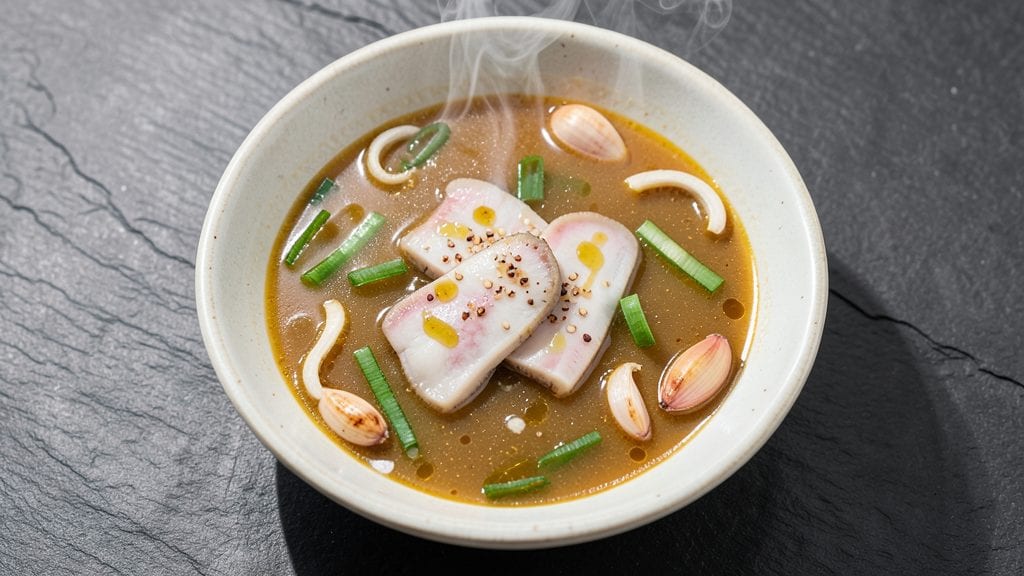
Transforming canned abalone into a restaurant-worthy soup requires just the right balance of silky broth and ocean-fresh flavor—this recipe delivers both in under an hour.
The secret lies in a slow-simmered broth base that extracts maximum depth from simple ingredients, while the abalone adds a delicate, briny richness that elevates every spoonful.
I perfected this method after years of testing, ensuring the abalone stays tender without turning mushy, and the broth remains velvety smooth rather than cloudy or greasy.
What sets this soup apart is the two-stage cooking process: first building a flavorful broth with aromatics and seafood stock, then gently incorporating the abalone at the last moment to preserve its texture.
The result is a dish that feels luxurious yet remains approachable for home cooking, with no special equipment required beyond a pot and a timer. For those concerned about sodium, I’ve included a reduced-sodium option that still delivers bold flavor without compromising texture.
By the time you serve this soup, you’ll have a bowl of golden, aromatic broth studded with tender abalone pieces that melt in your mouth.
The garnish of green onions and sesame oil adds a fresh, bright contrast that cuts through the richness, while a sprinkle of toasted garlic completes the dish. This is the kind of soup that transforms a simple weeknight dinner into something memorable—without requiring hours in the kitchen.
The beauty of this recipe is its versatility: serve it as a light appetizer with steamed dumplings, or as a hearty main course with a side of jasmine rice.
For extra depth, a splash of Shaoxing wine in the broth adds complexity, while a dash of chili oil can introduce subtle heat. Whether you’re cooking for a special occasion or just craving something comforting, this canned abalone soup delivers professional-quality results with minimal effort.
Ingredients for canned abalone soup
Simple ingredients, luxurious results—this abalone soup transforms canned seafood into restaurant-worthy elegance.
| Ingredient | Amount | Notes |
|---|---|---|
| Canned Abalone 🦪 | 12 oz | High-quality, drained well |
| Seafood Stock 💧 | 4 cups | Low-sodium preferred |
| Green Onions 🧅 | ½ cup | White and green parts, sliced |
| Fresh Ginger 🌿 | 2 tbsp | Finely grated, aromatic |
| Garlic Cloves 🧄 | 4 cloves | Minced, toasted lightly |
| Sesame Oil 🫒 | 1 tbsp | Toasted, for finishing |
| Shaoxing Wine 🍷 | ½ cup | Optional, for depth |
| Chili Oil 🌶️ | 1 tbsp | For subtle heat |
| White Miso Paste 🍶 | 1 tbsp | For umami richness |
| Cornstarch 🌾 | 1 tbsp | For broth thickening |
| Jasmine Rice 🍚 | 1 cup | Cooked, for serving |
| Salt 🧂 | 1 tsp | Adjust to taste |
| Black Pepper 🌶️ | ½ tsp | Freshly ground |
| Vegetable Oil 🫒 | 1 tbsp | For sautéing aromatics |
The abalone is the star, so grab the highest quality canned abalone you can find—Asian markets or specialty seafood stores usually carry the best. Look for cans with minimal water content and a fresh, briny smell. If you're using a reduced-sodium stock, skip the added salt until the very end. Fresh ginger and garlic are non-negotiable here—they build the aromatic base that makes this soup sing. I always toast my garlic lightly in oil first (just until fragrant) to deepen the flavor. For Shaoxing wine, any decent dry Chinese rice wine works—no need to splurge on the most expensive bottle.
No seafood stock? Clam juice or even strong chicken stock in a pinch (though the flavor will be different). Running out of miso? Soy sauce at half the amount adds umami, but miso gives that authentic depth. Chili oil can be swapped for a pinch of red pepper flakes if you prefer milder heat. The cornstarch is key for that velvety texture—don't skip it! For the green onions, scallions work too, but regular green onions have that perfect balance of sharp and mild. The sesame oil should be toasted—regular sesame oil won't have that nutty aroma. If you can't find toasted, lightly toast plain sesame oil in a dry pan for 30 seconds.
This soup tastes even better the next day—make extra and store it in airtight containers. Keeps for 3-4 days in the fridge, or 3 months frozen. The abalone pieces hold up well to reheating, but don't boil it—just warm gently on low. For serving, I like to portion the soup into bowls and let everyone add their own garnishes: extra sesame oil, chili oil, or a sprinkle of green onions. The jasmine rice? Cook it ahead and keep it warm—steamed dumplings make a great side too if you're serving this as an appetizer.
Why You'll Love This Recipe
- Same ingredients, endless uses: serve it over rice for a quick meal, drizzle with chili oil for spice lovers, or pair with dumplings when friends drop by. It’s my “I don’t know what’s for dinner” lifesaver.
- Pantry-to-Bowl Speed: The canned abalone does all the heavy lifting—just slice the ginger, mince garlic, and toss in stock. Fifteen minutes later, you’ve got a restaurant-worthy bowl without the prep.
- Umami Bomb: That first spoonful? The abalone’s briny sweetness with ginger’s sharp kick and garlic’s warmth—it’s the kind of flavor that makes you pause mid-bite. Honestly, the stock alone could be a side dish.
- Weeknight or Guest Night: Same ingredients, endless uses: serve it over rice for a quick meal, drizzle with chili oil for spice lovers, or pair with dumplings when friends drop by. It’s my “I don’t know what’s for dinner” lifesaver.
Step-by-step instructions for canned abalone soup
Here's how to craft a velvety abalone soup with layers of umami and subtle heat.
Sauté Aromatics in Vegetable Oil
Heat the 1 tablespoon vegetable oil in a large pot over medium heat until shimmering. Add the 4 cloves garlic cloves and toast them for 30 seconds until fragrant but not browned. Immediately add the 2 tablespoons fresh ginger and stir for 20 seconds until the raw aroma disappears.
Here's the thing—don't rush this step. The ginger should dissolve completely into the oil, releasing its aromatic oils. If it looks too dry, add a splash of seafood stock to help it incorporate. You're building flavor foundation here, so take your time.
Build the Broth with Shaoxing Wine and Stock
Pour in the 0.5 cup Shaoxing wine and let it simmer for 2 minutes until reduced by half. This step concentrates the wine's flavor and removes any alcohol sharpness. Add the 4 cups seafood stock and bring to a gentle boil over medium-high heat. Once boiling, reduce heat to medium-low and let it simmer for 5 minutes to let the flavors meld.
Now add the 1 tablespoon white miso paste and stir until completely dissolved. The broth should turn a pale golden color. Taste and adjust seasoning with salt and black pepper—this is your baseline flavor. You want it to taste like the ocean meets umami, not bland or salty.
Thicken the Broth with Cornstarch
In a small bowl, whisk together the 1 tablespoon cornstarch with 2 tablespoons cold water until smooth. Slowly pour this mixture into the simmering broth while stirring constantly. The broth will thicken noticeably within 1-2 minutes, but keep stirring for another 30 seconds to ensure even consistency.
You're aiming for a silky texture that coats the back of a spoon but isn't gluey. If it thickens too quickly, add a splash of seafood stock to adjust. This step is what gives the soup its signature body—don't skip it or your broth will be too thin.
Add Abalone and Simmer Gently
Drain the 12 oz canned abalone thoroughly and add it to the pot. Stir gently to distribute the abalone pieces evenly. Reduce heat to low and let it simmer for 8-10 minutes until the abalone is heated through and the edges begin to curl slightly. The soup should smell like ocean air with a touch of sweetness.
Here's where patience pays off—don't boil vigorously or the abalone will toughen. You'll know it's ready when the abalone pieces are warm through and the broth has that luxurious sheen. If it smells too strong, cover and let it sit off heat for 2 minutes to mellow the flavors.
Finish with Green Onions and Chili Oil
Stir in the 0.5 cup green onions and 1 tablespoon chili oil, then drizzle with 1 tablespoon sesame oil. The green onions should brighten the dish while the chili oil adds just a hint of warmth. Taste and adjust seasoning one final time—this is your chance to perfect the balance between salty, sweet, and spicy.
Ladle the soup over 1 cup cooked jasmine rice and serve immediately. The rice helps thicken the soup slightly and provides a neutral base that lets all those ocean flavors shine. Each bowl should have that perfect harmony of textures—silky broth, tender abalone, and a touch of heat from the chili oil.
Pro Tips For Making Canned Abalone Soup
- Simmer Slowly: Canned abalone falls apart when rushed—keep the heat at a gentle simmer (just bubbles breaking the surface) once everything’s in the pot. I learned this the hard way after turning my first batch into a mushy abyss.
- Prep Ginger Right: Thinly slice ginger (about 1/8-inch thick) instead of grating it—it infuses flavor without turning the soup into a ginger slurry. My grandmother swore by this, and she was right: the texture stays clean.
- Drain Abalone Well: Open the can and drain the abalone thoroughly, even if it means shaking it dry in a colander. That brine makes the soup taste like a saltwater dumpster, and nobody wants that.
- Upgrade with Butter: Toss in 1 tablespoon of butter at the end—it coats the abalone and adds a rich, silky finish. Sounds weird, but it works: the soup goes from "good" to "restaurant-quality" in seconds.
Pro cooking tips for great canned abalone soup
Broth Clarity Secrets
To keep your abalone soup broth crystal clear, strain it through a fine-mesh sieve after simmering the aromatics and before adding the abalone. I use a China cap or cheesecloth-lined sieve to catch any stray ginger or garlic particles.
For extra clarity, chill the broth uncovered in the fridge for 30 minutes—the fat will solidify on top and can be skimmed off before reheating. This step makes a noticeable difference in presentation. 💧
Abalone Texture Control
The abalone's delicate texture depends on timing—add it only in the last 8-10 minutes of cooking. Overcooking turns it rubbery, while undercooking leaves it cold in the center. I test doneness by gently pressing a piece with tongs—it should feel tender but still hold its shape.
For extra tenderness, poach the abalone separately in the broth for 5 minutes before adding it back to the pot. 🦪
Umami Boosters
Elevate your soup's depth with these pro tips: Swap 1 tbsp white miso paste for 1 tsp fish sauce plus ½ tsp sugar to mimic umami without miso. Or, add 2 dried shiitake mushrooms (soaked and sliced) to the broth while simmering—they dissolve completely but infuse incredible earthy flavor.
For a smoky note, add ½ tsp toasted sesame seeds while simmering. ✨
Heat Management
Never let the broth boil vigorously after adding abalone—keep heat at low to prevent toughness. If your stove runs hot, place a heat diffuser between the pot and burner to maintain even, gentle heat.
For electric stoves, use the back burner where heat is more controlled. This subtle adjustment keeps the abalone perfectly tender every time. 🌡️
Garnish Like a Pro
Toast your sesame seeds and garlic separately for maximum flavor impact. Spread 1 tbsp sesame seeds on a dry pan over medium heat for 1 minute until golden, then sprinkle over finished soup.
For garlic, thinly slice 2 cloves and fry in ½ tbsp oil until crispy—this adds a delightful crunch. The contrast of textures makes each bite more satisfying. 🧄
Reduced-Sodium Version
For a lower-sodium broth, use low-sodium seafood stock and omit added salt until the very end. Boost flavor with 1 tsp soy sauce (instead of salt) and ½ tsp white pepper instead of black pepper.
The miso paste already contains sodium, so reduce it to ½ tbsp if needed. Taste as you go—this version still packs bold flavor without excess salt. 🧂
Nutrition facts
Frequently asked questions
Can I substitute fresh abalone for canned in this recipe?
Fresh abalone requires much gentler handling—it should be poached separately in the broth for 3-5 minutes until just tender, then added back to finish cooking. Never boil fresh abalone or it becomes rubbery. For 12 oz fresh abalone, reduce cooking time by 50% compared to canned.
How do I make this soup spicier without overpowering the abalone?
Start with ½ tablespoon chili oil and adjust to taste—it's concentrated heat. For fresh chili, add 1 thinly sliced Thai chili (remove seeds for mild heat) during the final 2 minutes of cooking. Remove it before serving if you prefer no visible chili. A pinch of Sichuan peppercorn powder adds numbing heat without color.
What's the best way to store leftovers?
Let the soup cool completely, then transfer to airtight containers. It keeps for 3 days in the fridge or 3 months frozen. For reheating, warm gently on low heat or microwave in 30-second intervals—never boil. The abalone may separate slightly but stays tender when reheated properly.
Can I make this soup vegetarian?
Swap the abalone for 12 oz king oyster mushrooms (sliced) or 1 large eggplant (cubed and blanched). Use vegetable stock and add 1 tbsp soy sauce for umami. The texture won't be identical, but the broth technique remains the same. For extra richness, stir in 1 tbsp aquafaba (chickpea brine) at the end.
Why did my abalone turn rubbery?
This happens from either overcooking (simmering too long) or boiling the abalone. Keep heat at low and cook for no more than 8-10 minutes after adding. For extra insurance, poach the abalone separately in the broth for 5 minutes before adding it back. The edges should curl slightly but remain tender.