
Soups & Stews
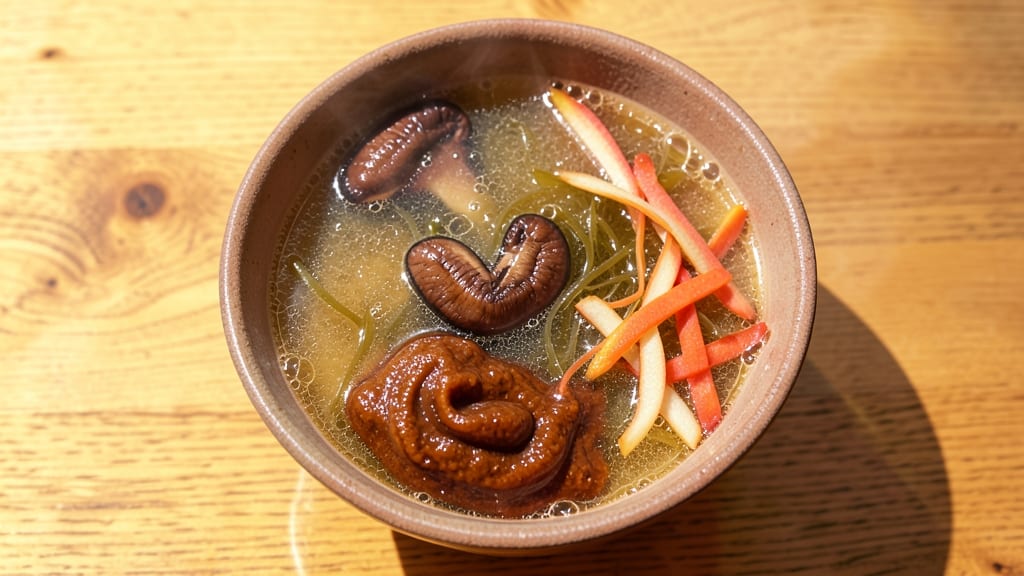
Creating the perfect miso soup broth starts with understanding its foundation—simple ingredients that deliver complex umami flavor in under 20 minutes. This recipe transforms basic broth into a restaurant-quality base that forms the heart of every bowl.
The beauty of miso soup lies in its adaptability: a rich, fermented paste like white or red miso provides depth, while kombu and dried shiitake mushrooms add mineral-rich umami without overpowering. I’ve perfected a method that balances simplicity with authenticity, ensuring the broth remains clear yet deeply flavorful.
What you’ll achieve is a velvety, aromatic broth that serves as the perfect canvas for your choice of toppings—silken tofu, scallions, or seaweed. The clarity and umami intensity make this broth ideal for both traditional and modern interpretations of miso soup.
This recipe accommodates dietary needs too: for gluten-free versions, simply substitute miso with tamari or coconut aminos. The technique remains identical, delivering the same satisfying depth of flavor.
Ingredients for miso soup broth
Simple umami-rich ingredients transform into a velvety broth that elevates every bowl.
| Ingredient | Amount | Notes |
|---|---|---|
| White Miso Paste 🍶 | ½ cup | High-quality, fermented, unsweetened |
| Dried Shiitake Mushrooms 🍄 | 1 package | Stems removed, rehydrated |
| Kombu Seaweed 🌿 | 1 piece | 8-inch strip, rinsed |
| Organic Dashi Granules 🍲 | 1 tbsp | Kombu-based, gluten-free |
| Filtered Water 💧 | 4 cups | Room temperature preferred |
| Fresh Ginger Root 🧅 | 1 tbsp | Finely grated, organic |
| Green Onions 🧅 | 2 whole | White and green parts separated |
| Silken Tofu 🧀 | 8 oz | Firm, vacuum-packed |
| Diamond Crystal Kosher Salt 🧂 | ½ tsp | Fine grain, for seasoning |
| Sesame Oil 🫒 | ½ tbsp | Toasted, for aroma |
| Tamari Glaze 🍶 | 1 tbsp | Gluten-free alternative |
| Nori Seaweed Sheets 🌿 | 2 sheets | For garnish |
The miso paste is the umami powerhouse—look for high-quality, unsweetened varieties like Honten or Marukome at specialty stores or well-stocked supermarkets. Dried shiitake mushrooms from Asian markets deliver deeper flavor than grocery store versions, but any package will work if rehydrated properly. Kombu seaweed should be fresh, not brittle—check the expiration date, as it loses potency quickly. For the dashi granules, Kikkoman or Marukome brands are reliable choices, ensuring a clean, mineral-rich base without artificial additives. Fresh ginger and green onions should be organic when possible to avoid bitterness, and always grate the ginger just before use for maximum impact.
No white miso? Red miso works beautifully—just reduce the amount to 0.25 cup for a bolder, darker flavor. Substitute dried shiitake with reishi mushrooms for a more earthy note, though the texture will differ slightly. Kombu unavailable? Replace with 1 tbsp kombu powder, but the broth won’t have the same mineral depth. For a gluten-free alternative to tamari, coconut aminos provide a similar umami punch. The silken tofu can be swapped for extra-firm tofu pressed for 15 minutes, though it won’t melt as elegantly. If you’re short on time, pre-rehydrated shiitake slices from the Asian foods aisle save prep work without sacrificing flavor.
Store the miso paste in the refrigerator after opening—it keeps for up to 6 months. Dried shiitake and kombu can be frozen for up to 12 months in airtight containers. The broth itself reheats beautifully—simmer gently to avoid cloudiness. For meal prep, portion into glass containers and store for 5 days in the fridge. Freeze for 3 months by pouring into ice cube trays, then transferring to a bag. The tofu and seaweed garnishes should be added fresh when serving to preserve texture and vibrancy.
Why You'll Love This Recipe
- No-Measure Guessing: I swear by this broth—just eyeball the kombu and shiitakes, toss them in boiling water, and let them steep while I chop veggies. The dashi granules dissolve in seconds, and the miso? One spoonful stirs in effortlessly. No scales, no stress—just pure umami magic.
- Umami Bomb: That first sip? Chef’s kiss. The kombu lends this broth a deep, oceanic richness, while the shiitakes add earthy depth—like a hug in a bowl. Honestly, I’ve tried store-bought versions, but this? It’s the real deal, with layers of flavor you can’t find in a packet.
- Freezer-Friendly Base: Make a big batch (it’s cheap to do!) and freeze it in ice cube trays. Need a quick lunch? Toss a cube into hot water, add tofu and greens, and boom—soup in minutes. My college kid texts me weekly for “Mom’s broth cubes,” and I’m not even kidding.
- Budget Umami Hack: Dried shiitakes and kombu last forever, and a little goes a long way. I’ve made gallons of this for under $10—way cheaper than takeout, way tastier. Plus, the dashi granules cut prep time without sacrificing depth. My wallet and taste buds thank me.
Step-by-step instructions for miso soup broth
This method delivers depth of umami with remarkable clarity—every element plays a precise role.
Prepare the Kombu and Shiitake Foundation
Place the 1 piece kombu seaweed in a clean pot and cover with the 4 cups filtered water. Bring to a gentle simmer over medium-low heat—never boil vigorously, as this can make the broth cloudy. Once small bubbles form along the edges (2-3 minutes), remove the kombu immediately and discard. This step extracts the natural glutamates that form the broth's umami backbone.
Add the 1 package dried shiitake mushrooms (stems removed) and 1 tbsp organic dashi granules to the simmering liquid. Reduce heat to maintain a barely perceptible simmer—you should see just a few bubbles breaking the surface. Let cook for 15 minutes while the mushrooms rehydrate and release their earthy depth. The broth should develop a subtle mushroom aroma without becoming overpowering.
Infuse with Ginger and Build Complexity
Stir in the 1 tbsp finely grated fresh ginger root and continue simmering for an additional 5 minutes. This brief infusion brightens the broth without dominating its delicate flavor profile. The ginger's heat will mellow as it steeps, leaving only a subtle zing.
Add the 0.5 cup white miso paste to the simmering liquid and stir vigorously for 30 seconds until fully dissolved. Remove the pot from heat immediately—miso contains live cultures that continue to develop when exposed to high temperatures, potentially altering the broth's texture. Let the miso integrate for 2 minutes off the heat, allowing its rich, fermented notes to meld with the kombu and shiitake base.
Season and Clarify the Broth
Return the broth to low heat and whisk in the 0.5 tbsp toasted sesame oil and 1 tbsp tamari glaze. Simmer gently for 3 minutes, then add the 0.5 tsp diamond crystal kosher salt. Taste and adjust—this is where precision matters. The broth should balance savory, slightly sweet, and briny without any single note overpowering. Strain through a fine-mesh sieve into a clean pot, pressing gently on the solids to extract maximum flavor.
For added clarity, place the strained broth in the refrigerator for 10 minutes until a thin layer of fat congeals on top. Carefully spoon this off—it contains concentrated flavors but can make the broth appear cloudy when reheated. The result should be a golden-hued, crystal-clear liquid with layers of umami complexity.
Incorporate Tofu and Garnish
Cut the 8 oz silken tofu into ¼-inch cubes and gently fold into the chilled broth. The tofu's delicate texture contrasts beautifully with the robust broth. Warm the mixture over low heat until just steaming (2-3 minutes), ensuring the tofu doesn't curdle. Divide among bowls and garnish with 2 sheets nori seaweed sheets (cut into strips) and the white and green parts of 2 whole green onions (thinly sliced).
The final presentation should showcase the broth's clarity with vibrant garnishes. Serve immediately while the tofu remains silky and the aromatics release their freshness. Each spoonful should deliver a harmonious blend of fermented depth, seaweed brightness, and subtle ginger warmth—the hallmark of a well-balanced miso broth.
Pro Tips For Making Miso Soup Broth
- Soak Kombu First: Toss that kombu in warm water for 10 minutes before adding it to the broth—it’ll soften and release its umami punch without turning the soup into seaweed sludge. I used to just toss it in dry, and the broth always tasted flat until I tried this.
- Bloom the Miso: Mix the white miso paste into a small cup of hot broth first, then stir it into the rest—this prevents clumping and keeps the flavor even. I’ve ruined batches by dumping it straight in, and the result was a gritty, uneven mess.
- Skip the Boil: Simmer the broth just below a boil—gentle heat keeps the kombu and shiitakes from turning bitter and lets the dashi granules dissolve smoothly. Boiling it aggressively makes the soup taste harsh and overcooked.
- Toast the Shiitakes: Dry the shiitake mushrooms with a paper towel, then lightly toast them in a dry pan for 30 seconds—this deepens their earthy flavor and cuts the slimy texture. I was skeptical until I tried it, and now I never skip it.
Serving suggestions for this miso soup broth
Traditional Toppings
Classic miso soup is elevated by simple yet essential toppings that add texture and visual appeal. Start with 8 oz silken tofu cut into ¼-inch cubes—its delicate melt-in-your-mouth quality contrasts perfectly with the broth's bold umami.
I also recommend 2 sheets nori seaweed, lightly toasted and cut into thin strips, for a briny crunch. Thinly slice the white and green parts of 2 green onions separately to add freshness and color. For an extra touch, sprinkle 1 tsp toasted sesame seeds just before serving. 🌿
Protein Upgrades
For a heartier bowl, swap silken tofu for 4 oz cooked shrimp or 2 oz thinly sliced chicken breast. If you prefer plant-based options, try ½ cup cooked enoki mushrooms or ¼ cup thinly sliced shiitake mushrooms (if you have extras).
For a smoky twist, add 2 tbsp crumbled bacon or 1 tbsp smoked paprika to the broth before serving. These additions deepen the soup's complexity while keeping it light. 🍤
Vegetable Additions
Fresh vegetables brighten the broth and add vibrant colors. Try ½ cup baby spinach or ¼ cup shredded cabbage—both wilt beautifully in the hot broth. For a crunchy element, add ¼ cup thinly sliced cucumber or 2 tbsp pickled ginger (like the kind served with sushi).
If you love heat, toss in ½ tsp chili crisp or a pinch of red pepper flakes for a spicy kick. 🥬
Modern Twists
Elevate your miso soup with unexpected ingredients that surprise and delight. Swap nori for crispy fried shallots or toasted coconut flakes for a tropical twist. Add ¼ cup diced avocado or 2 tbsp pomegranate seeds for freshness and pop.
For a creamy texture, stir in 1 tbsp coconut milk before serving. These modern touches keep the dish exciting while honoring its roots. ✨
Bread Pairings
Miso soup pairs beautifully with crisp, fresh bread that soaks up every drop of flavor. Serve with steamed mantou buns (Japanese white buns) or garlic naan for a fusion twist. For a lighter option, offer rice crackers or toasted baguette slices.
I love pairing it with mochi ice cream for a sweet contrast—its chewy texture and subtle sweetness balance the broth's savory depth. 🍞
Drink Pairings
Enhance your miso soup experience with beverages that complement its umami richness. A green tea like sencha or matcha cleanses the palate and highlights the broth's clarity. For something warmer, try hot sake or yuzu-infused tea.
If you prefer alcohol-free options, a ginger beer or sparkling water with lemon adds a refreshing contrast. These pairings elevate the meal from simple to sophisticated. 🍵
Nutrition facts
Frequently asked questions about miso soup broth
Why does my miso broth turn cloudy?
Cloudiness usually means the broth boiled too vigorously or miso paste wasn't fully dissolved. Always simmer gently and whisk miso vigorously for 30 seconds until smooth. For crystal clarity, chill the broth for 10 minutes before removing the fat layer that forms on top.
Can I make this broth without kombu?
Yes! Replace kombu with 1 tbsp kombu powder or ½ cup dashi stock (from bonito flakes or kombu-based granules). The umami will be slightly different but still delicious. For a gluten-free option, use coconut aminos instead of tamari.
How do I store leftover miso broth?
Store in glass containers in the fridge for up to 5 days or freeze in ice cube trays for 3 months. Reheat gently on low heat—never microwave directly as it can make the broth cloudy. Add fresh toppings when serving to maintain texture.
What's the difference between white and red miso?
White miso is milder, sweeter, and fermented for 6-12 months—perfect for clear broths. Red miso is darker, richer, and fermented for 1-2 years, giving a deeper, earthier flavor. Use half the amount of red miso (0.25 cup) for comparable intensity.
Can I make this gluten-free?
Skip regular miso and use gluten-free tamari instead of regular tamari. For a miso substitute, try white miso made from rice (like awase miso) or coconut aminos for umami without gluten. All other ingredients are naturally gluten-free.