
Soups & Stews
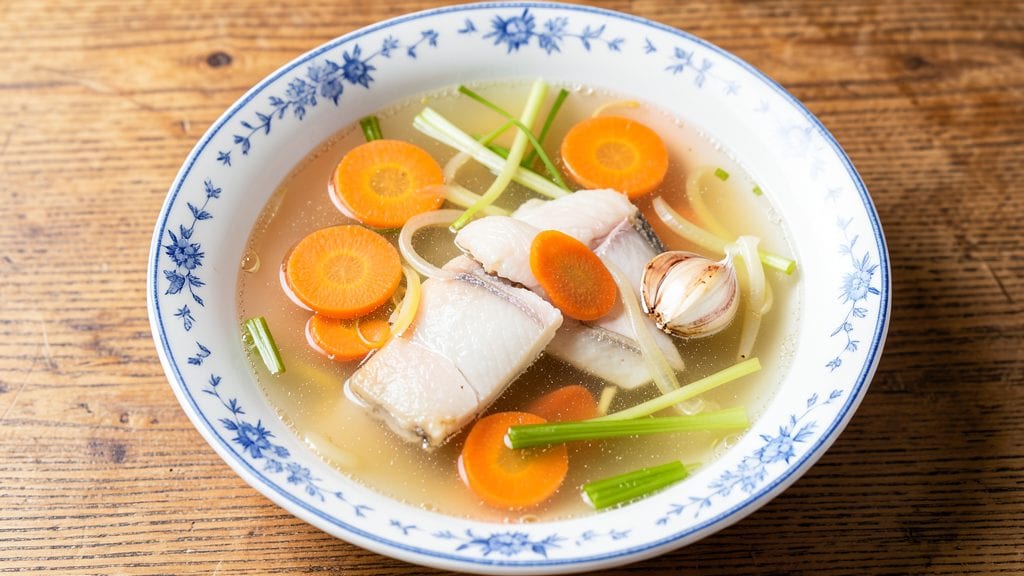
Creating a clear broth fish soup that’s light yet packed with flavor starts with the right technique—one that transforms simple ingredients into something elegant and nourishing. This recipe delivers a delicate, aromatic broth that highlights the natural sweetness of fish while keeping the dish airy and refreshing.
I’ve perfected it through trial and error, ensuring the broth stays crystal clear without sacrificing depth of flavor.
The secret lies in clarifying the broth using traditional methods like mirepoix and fish heads or bones, which render down to create a silky, translucent liquid. We’ll balance it with fresh herbs like cilantro and Thai basil, along with a touch of citrus to brighten the dish.
The result is a soup that feels luxurious yet effortless, perfect for a light lunch or a quick weeknight dinner.
What you’ll achieve is a bowl of soup where every spoonful reveals tender fish, crisp vegetables, and a broth so clear it looks almost too good to eat. The fish stays moist and flaky, while the vegetables add texture and color.
This is the kind of dish that feels like a gentle embrace—light on the palate but rich in comfort.
Whether you’re following an Asian-inspired approach or adding a modern twist with fusion ingredients, this recipe adapts easily. Serve it with steamed rice or crusty bread to soak up every last drop of that precious broth. Let’s get started with a method that turns simple ingredients into something extraordinary.
Ingredients for clear broth fish soup
Transform simple ingredients into a crystal-clear, aromatic fish soup with this elegant yet effortless recipe.
| Ingredient | Amount | Notes |
|---|---|---|
| Fish Heads or Bones 🐟 | 1 lb | Cleaned and rinsed thoroughly |
| White Fish Fillets 🐟 | 1 ½ lb | Cod, haddock, or tilapia preferred |
| Yellow Onion 🧅 | 1 whole | Sliced into 1-inch pieces |
| Carrots 🥕 | 2 whole | Medium size, peeled and sliced |
| Celery Stalks 🌿 | 3 whole | Cut into 2-inch pieces |
| Garlic Cloves 🧄 | 6 cloves | Peeled and lightly crushed |
| Fresh Ginger 🌿 | 1 inch | Peeled and sliced thinly |
| Fresh Cilantro 🌿 | ¼ cup | Stems removed, chopped |
| Thai Basil Leaves 🌿 | ¼ cup | Fresh if possible |
| Lime Juice 🍋 | 2 tbsp | Freshly squeezed |
| Fish Sauce 🍶 | 1 tbsp | Red Boat preferred |
| Soy Sauce 🍶 | 1 tbsp | Low-sodium preferred |
| Water 💧 | 6 cups | Filtered preferred |
| Salt 🧂 | 1 tsp | Kosher or sea salt |
| White Peppercorns 🌶️ | ½ tsp | Freshly cracked |
The fish heads or bones are essential for that authentic, crystal-clear broth. Look for fresh, clean fish parts at your local seafood market or Asian grocery store—Whole Foods or H Mart often carry them pre-cleaned. If using bones, opt for small fish bones like from mackerel or sardines for maximum flavor extraction. The white fish fillets should be firm and translucent—cod or haddock hold up best during cooking. For the ginger, young, plump pieces work best, as they’re less fibrous and more aromatic. Fresh Thai basil elevates the dish, but if unavailable, regular basil works in a pinch—just double the amount.
No fish heads or bones? Substitute with 1 lb shrimp shells or 2 cups fish stock, though the broth won’t be as clear. Swap the Thai basil for regular basil or mint if needed—just reduce the amount by half. The fish sauce and soy sauce can be replaced with 1 tbsp each of oyster sauce and coconut aminos for a slightly different but still delicious profile. For the vegetables, baby carrots or pre-cut celery save time without sacrificing flavor. The lime juice is critical—use freshly squeezed for the brightest flavor, but bottled works in a bind.
This soup tastes even better the next day as the flavors meld. Store in an airtight container in the fridge for up to 3 days. The broth will thicken slightly—simply reheat with a splash of water to restore its silky texture. For longer storage, freeze the broth separately from the fish and vegetables—it keeps for up to 3 months. Reheat gently on the stove over low heat to preserve clarity. Serve with steamed rice to soak up every last drop of that precious, flavorful broth.
Why You'll Love This Recipe
- Zero-Waste Magic: I swear by this trick—using fish heads and bones turns scraps into liquid gold. That rich, umami-packed broth? It’s like alchemy, and honestly, it makes me feel like I’m doing something smart with my grocery budget.
- Flavor Bomb: The combo of carrot, celery, and onion sweating in the pot before the broth even starts simmering—it’s the secret. That deep, savory base with the delicate fish fillets? It’s the kind of soup that makes you pause mid-sip and think, “Wait, this is ridiculously good.”
- Weeknight Workhorse: Between us, this is my go-to when I’m starving but don’t want to slave over dinner. Toss in whatever veggies I have lingering in the fridge, and boom—something hearty’s on the table in under an hour. (Yes, even on a Tuesday night.)
- Budget-Friendly Luxury: Fish heads are cheap, and they pack a punch. I can stretch this recipe to feed four for less than $15, and the leftovers? Even better the next day. It’s the kind of meal that makes frugality feel indulgent.
Step-by-step instructions for clear broth fish soup
This method delivers a crystal-clear, aromatic broth with delicate fish flavors—no cloudiness, no shortcuts.
Prepare the Fish Base for Maximum Flavor
Begin by thoroughly cleaning the 1 lb fish heads or bones under cold running water, removing any remaining flesh or membrane. Rinse them until the water runs clear—this ensures your broth stays transparent. Place the cleaned fish bones in a large stockpot and add the 6 cups water. Bring to a boil over high heat for 5 minutes to blanch, then drain and rinse again under cold water to remove any impurities.
Return the blanched fish bones to the pot and add the 1 whole yellow onion (sliced), 2 whole carrots (peeled and sliced), 3 whole celery stalks (cut into 2-inch pieces), 6 cloves garlic cloves (lightly crushed), and 1 inch fresh ginger (sliced thinly). This aromatic trio forms the flavor foundation of your broth. The vegetables should be submerged but not overcrowded—this prevents bitterness and ensures clarity.
Simmer the Broth Low and Slow
Bring the broth to a gentle simmer over medium-low heat, uncovered. The liquid should bubble softly around the edges but not vigorously—this prevents cloudiness. Skim off any foam or impurities that rise to the surface during the first 20 minutes of cooking. Use a fine-mesh skimmer or ladle to remove them completely; these impurities will otherwise create cloudiness in your final broth.
Simmer the broth for 45 minutes, maintaining a steady temperature. The broth should reduce slightly but remain clear. If it boils vigorously at any point, reduce the heat immediately—boiling causes proteins to break down and release cloudiness. The fish bones will release their collagen, creating a rich, flavorful base without overpowering the delicate fish taste.
Strain and Season the Broth
Once the broth has simmered for 45 minutes, strain it through a fine-mesh sieve or cheesecloth-lined colander into a clean pot. Discard the solids—you want only the liquid. Return the strained broth to the pot and stir in the 1 tsp salt, 1 tbsp fish sauce, 1 tbsp soy sauce, and 0.5 tsp white peppercorns (freshly cracked). Taste and adjust seasoning if needed; the fish sauce and soy sauce should balance the broth's natural sweetness with umami depth.
Bring the broth back to a simmer over medium heat, then reduce to low heat. Add the 1.5 lb white fish fillets and cook for 5-7 minutes, just until the fish is opaque and flakes easily with a fork. Remove the fish from the broth and set aside—it will continue cooking slightly when added back later. The broth should now be crystal clear with a delicate, aromatic flavor.
Finish with Herbs and Lime
Return the broth to a gentle simmer and stir in the 0.25 cup fresh cilantro (stems removed) and 0.25 cup Thai basil leaves. Simmer for 2 minutes to infuse the herbs' bright, fresh flavors without overpowering the broth. Remove from heat and stir in the 2 tbsp lime juice. The acidity brightens the dish and balances the richness of the fish and broth.
Add the cooked fish fillets back into the broth and let them warm through for 1-2 minutes. Ladle the soup into bowls, ensuring each serving includes fish and a generous ladle of broth. The result should be a light yet deeply flavorful soup with a clear, golden broth that highlights the delicate taste of the fish.
Pro Tips For Making Clear Broth Fish Soup
- BLANCH VEGETABLES FIRST: Toss your carrots and celery stalks into boiling water for 2 minutes before adding them to the broth—this removes dirt, bitterness, and excess starch that clouds your soup. I used to skip this and ended up with a murky broth no matter how much I strained it.
- CRACK THE BONES: Smash fish heads or bones with the flat side of a knife before simmering—it exposes marrow and connective tissue, which melts into rich flavor instead of sitting as stubborn chunks. Sounds brutal, but it’s the only way to get that deep, silky broth.
- SKIP THE BOIL: Once the broth starts simmering, reduce to the gentlest bubble you can manage—no rolling boil, no splashing. Fish bones and heads release collagen best at 180°F (82°C), not when the pot’s doing the cha-cha. I learned this after a soup turned gluey instead of velvety.
- STRAIN TWICE: After simmering, line a fine-mesh strainer with cheesecloth or a coffee filter for a second pass—this catches the microscopic particles that make broth look cloudy. Lazy? Use a nut milk bag. Still better than nothing. (Your future self will notice the difference.)
Wine and beer pairings for this recipe
White Wine Pairings
The delicate, citrusy notes of a Sauvignon Blanc from New Zealand or Loire Valley are my go-to for this soup. The crisp acidity and hints of grapefruit and green apple cut through the fish’s richness while complementing the bright lime finish.
I’ve found that a 2022 Cloudy Bay or 2023 Oyster Bay—both widely available at Trader Joe’s—elevate the dish without overpowering it. Serve it slightly chilled (45-50°F) to enhance the broth’s clarity and the wine’s refreshing qualities. 🍷
Light Beer Options
For beer lovers, a crisp lager like Peroni or Heineken works beautifully—their subtle malt sweetness and effervescence cleanse the palate between spoonfuls. If you prefer something with a little more character, try a Belgian witbier like Hoegaarden or Stella Artois—their citrusy coriander notes mirror the lime in the soup.
Avoid heavy IPAs or stouts, as their bold flavors can clash with the dish’s delicate balance. 🍺
Rosé for a Summer Twist
A dry Provence rosé adds a sophisticated touch, especially in warmer months. The pale pink hue and notes of strawberry and almond harmonize with the fish and herbs, while its acidity keeps the soup feeling light.
I’ve had great success with Whispering Angel or Miraval—both are easy to find at Total Wine or specialty grocery stores. Serve it slightly cooler than room temperature (50-55°F) for the best experience. 🍹
Avoid These Mistakes
Never pair this soup with bold red wines like Cabernet Sauvignon or heavy beers—they’ll drown out the delicate fish and herb flavors. I once made this mistake with a Malbec and nearly ruined a dinner party!
Also, avoid sweet wines or beers, as their cloying sweetness contrasts poorly with the soup’s bright acidity. Stick to wines and beers with high acidity and subtle fruit notes to let the soup shine. ✨
Non-Alcoholic Pairings
For a refreshing non-alcoholic option, try sparkling water with a splash of lime—it mimics the wine’s acidity and keeps the palate clean. Alternatively, a ginger beer like Fever-Tree adds a spicy kick that complements the ginger in the soup.
For something more substantial, a cucumber-mint infused iced tea (steep 1 cup cucumber slices and 10 mint leaves in 4 cups hot tea, then chill) works beautifully. 🥤
Regional Adaptations
In Thai-inspired versions, pair the soup with a lightly sweet Thai Riesling—its tropical fruit notes enhance the fish sauce and basil. For Japanese adaptations, a dry sake or chilled junmai ginjo complements the umami depth.
I once served this soup at a fusion dinner and paired it with a Japanese sake—the result was so harmonious, guests kept asking for seconds! 🗺️
Nutrition facts
Frequently asked questions
Why does my fish broth turn cloudy?
Cloudiness happens when proteins break down during boiling. To prevent it, skim foam during the first 20 minutes of simmering and maintain a gentle medium-low heat—never a rolling boil. Also, use cold water for blanching fish bones and strain through cheesecloth for extra clarity.
Can I make this soup without fish heads?
Yes! Use 1 lb shrimp shells or substitute with 2 cups high-quality fish stock. For best results, clarify the stock by skimming foam and straining through cheesecloth. The broth won't be quite as clear, but it'll still taste delicious.
How do I store leftovers?
Store in an airtight container in the fridge for up to 3 days. The broth will thicken slightly—reheat with a splash of water to restore silkiness. For longer storage, freeze the broth separately for up to 3 months. Reheat gently on low heat to preserve clarity.
What's the best fish to use?
Firm, mild white fish works best: cod, haddock, or tilapia stay tender. Avoid flaky fish like snapper—it falls apart in the broth. For extra flavor, use 1 lb fish heads (cleaned thoroughly) to create the broth base.
Can I make this vegetarian?
This recipe relies on fish for its signature clarity and flavor, but you can adapt it with mushroom broth and tofu or king oyster mushrooms instead. Use kelp or kombu to enhance umami, and reduce simmering time to 30 minutes to prevent cloudiness.