
Soups & Stews
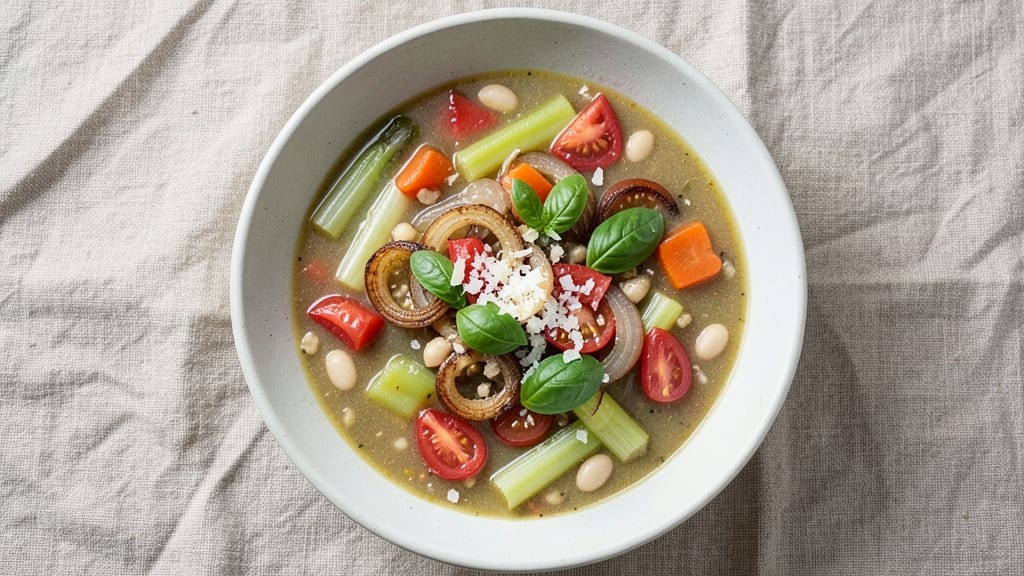
Cook’s Illustrated minestrone soup transforms simple pantry staples into a hearty, restaurant-quality one-pot meal that’s packed with vegetables, beans, and pasta. This recipe delivers the depth of flavor that makes minestrone a weeknight staple—without requiring hours at the stove.
The secret lies in layering umami-rich ingredients like Parmesan rind and bouillon while letting flavors meld during a slow simmer.
What sets this version apart is its balance of texture and taste: tender vegetables, al dente pasta, and hearty beans all swimming in a rich broth that’s neither too thin nor too thick.
I’ve tested countless variations to perfect the ratio of broth to vegetables, ensuring every spoonful is satisfying yet light enough for summer or substantial enough for winter. The one-pot approach means minimal cleanup, while the optional additions (like sausage or white beans) let you customize it to your taste.
By the time you serve this soup, your kitchen will smell like an Italian countryside dinner, and your guests will never guess it came together in a single pot. The Parmesan rind infuses the broth with nutty depth, while the tomatoes and herbs create a bright, herbaceous finish.
This is the kind of soup that improves with leftovers—flavors deepen overnight, making it even more comforting the next day.
Serve it with crusty bread for dipping or a sprinkle of fresh basil for a pop of color. Whether you’re feeding a family or meal prepping for the week, this foolproof recipe delivers professional results every time. Let’s get cooking—your taste buds will thank you.
Ingredients for cook's illustrated minestrone soup
Pantry staples meet Italian countryside flavors in this one-pot masterpiece.
| Ingredient | Amount | Notes |
|---|---|---|
| Vegetable Broth 💧 | 6 cups | Low-sodium preferred |
| Canned Diced Tomatoes 🍅 | 14 ½ oz | San Marzano preferred |
| Carrots 🥕 | 1 ½ lb | Peeled, sliced into rounds |
| Celery Stalk 🌿 | 3 whole | Diced, leaves reserved |
| Onion 🧅 | 1 whole | Yellow, diced |
| Garlic Cloves 🧄 | 4 cloves | Minced, fresh preferred |
| Parmesan Cheese Rind 🧀 | 2 oz | Freshly grated Parm too |
| Dried Cannellini Beans 🍲 | 1 ½ cups | Soaked overnight or quick-soaked |
| Ditalini Pasta 🍝 | 1 cup | Uncooked, al dente preferred |
| Zucchini 🍆 | 1 lb | Sliced into half-moons |
| Fresh Spinach 🌱 | 4 cups | Chopped, packed |
| Dried Oregano 🍃 | 1 tsp | Italian preferred |
| Dried Basil 🌿 | 1 tsp | Or 1 tbsp fresh |
| Bay Leaves 🌿 | 2 whole | Removed before serving |
| Salt 🧂 | 1 ½ tsp | Kosher or sea salt |
| Black Pepper 🌶️ | ½ tsp | Freshly ground preferred |
The Parmesan rind is non-negotiable—it transforms your broth from good to restaurant-quality. Grab a wedge from the deli counter and save the rind for this soup. The vegetable broth? Homemade is best but store-bought works in a pinch—just check that it's low-sodium. For the tomatoes, San Marzano cans are worth the splurge if you're at Whole Foods or Italian markets, but regular diced tomatoes still deliver. The celery leaves? Don't toss them—they're packed with flavor. Just save them in a bag in your freezer until you need them.
No fresh herbs? Dried oregano and basil work perfectly—just use half the amount of fresh. Running out of cannellini beans? Great Northern or kidney beans are great substitutes. The zucchini can be swapped for yellow squash if you prefer. For the pasta, ditalini or small shells both work—just make sure it's small enough to fit in the pot. The spinach wilts down dramatically, so don't skimp. If you're prepping ahead, cook the beans and pasta separately to save time later.
This soup tastes even better the next day—flavors meld beautifully overnight. Keeps for 4-5 days in the fridge, freezes for 3 months if you portion it into containers. I always make a double batch because leftovers make the best lunches. Store the broth separately if you want to reheat it quickly—just pop in the veggies and pasta when you're ready to serve. The Parmesan rind can be frozen too if you're not using it all at once.
Why You'll Love This Recipe
- No-Chop Nightmare: I swear, the only knife work here is dicing carrots and celery—no fancy julienne or anything. Slice them while chatting with someone (or scrolling TikTok), then toss them straight into the pot with the onion and broth. The canned tomatoes? Just drain and dump. That’s it.
- Tomato-Broth Magic: Here’s what sold me—the way the canned tomatoes melt into the vegetable broth, turning it from basic to ridiculously rich. The acidity brightens everything, and that deep umami from the broth? It’s the secret weapon that makes this taste like a restaurant soup, not a lazy weeknight hack.
- Leftover Goldmine: This soup actually improves the next day. The flavors meld overnight, and I’ve turned it into sandwiches, a baked casserole, or just reheated it with fresh bread. Honestly, I make double batches on purpose—it’s my go-to for lunch all week.
- Pantry Staple Power: Between us, this recipe uses things you already own. Vegetable broth, canned tomatoes, a few root veggies—no specialty ingredients, no last-minute grocery runs. It’s the kind of meal that saves me when I’m staring at an empty fridge at 6 p.m. and don’t want to order takeout.
Step-by-step instructions for cook's Illustrated minestrone soup
Here's how to build this rich, vegetable-packed one-pot masterpiece from scratch.
Sauté the Aromatic Vegetable Base
Heat a large Dutch oven over medium heat. Add the diced onion, diced celery stalk, and sliced carrots. Cook for 8-10 minutes, stirring occasionally, until the vegetables soften and begin to release their natural juices. You'll see the onion turn translucent and the carrots start to caramelize slightly—that's your signal they're ready for the next step.
This foundational cooking step develops deep flavor through the Maillard reaction. Don't rush it—properly caramelized vegetables form the backbone of your soup's rich taste. If the vegetables start sticking before they soften, add a splash of the vegetable broth to deglaze the pan and prevent burning.
After the vegetables have softened, add the minced garlic cloves and cook for an additional 30 seconds until fragrant. Here's the thing—garlic burns quickly, so keep a close eye on it. The moment it releases that intoxicating aroma, it's time to move forward.
Build the Flavor Foundation
Pour in the 6 cups vegetable broth and add the 14.5 oz canned diced tomatoes (with juices), 1.5 tsp salt, 0.5 tsp black pepper, 1 tsp dried oregano, 1 tsp dried basil, and 2 whole bay leaves. Bring the mixture to a gentle boil over high heat, then immediately reduce to a simmer.
Simmer uncovered for 15 minutes, allowing the flavors to meld together. This step is where all the individual components begin to marry into a cohesive broth. You'll notice the soup developing a deeper color and more complex aroma—the sign of a well-developed flavor base.
After 15 minutes, add the 2 oz parmesan cheese rind. This might seem unusual, but the rind will infuse the soup with an incredible umami depth that's characteristic of authentic Italian minestrone. Let it simmer for another 5 minutes to extract all the flavor before removing the bay leaves with a slotted spoon.
Cook the Beans and Pasta Together
Add the 1.5 cups dried cannellini beans (previously soaked overnight or quick-soaked) and 1 cup ditalini pasta to the simmering soup. Stir gently to distribute everything evenly. The beans and pasta will cook simultaneously in this one-pot approach, making this recipe truly efficient.
Simmer uncovered for 25-30 minutes, stirring occasionally, until both the beans are tender and the pasta is al dente. Here's where it gets fun—the beans should be fork-tender with just a slight bite, while the pasta should hold its shape but be cooked through. Your oven might run hot, so start checking at the 20-minute mark.
If the soup starts to reduce too much and looks thick before the beans and pasta are fully cooked, add up to 1 cup of water or additional vegetable broth to maintain the proper consistency. The soup should be hearty but still have a pleasant broth-like quality.
Finish with Fresh Vegetables
Stir in the sliced zucchini and chopped fresh spinach. Cook for an additional 5-7 minutes until the zucchini is tender-crisp and the spinach has just wilted. The zucchini should maintain some bite—overcooking will turn it mushy, which we definitely want to avoid.
Taste and adjust the seasoning if needed. Remember, the parmesan cheese rind has already contributed significant flavor, but you might want to add a pinch more salt or black pepper to taste. The soup should be well-seasoned but not overwhelmingly salty.
This is the moment that matters: the fresh vegetables not only add vibrant color and texture but also bring a bright, fresh contrast to the rich, developed flavors of the soup. The spinach wilts quickly, so don't walk away during this final cooking stage.
Pro Tips For Making Cook'S Illustrated Minestrone Soup
- Sweat the Aromatics Slow: Don’t rush the onion, celery, and carrot sauté—give them 8-10 minutes over medium-low heat until the onion turns golden and the celery softens. I used to crank the heat and wondered why my soup never had that deep, caramelized base. Patience here makes the whole dish richer.
- Muddle the Tomatoes: Before adding canned tomatoes, smash them with your hands or a spoon to break up the chunks. This distributes the flavor and thickens the soup faster—no need to wait for it to simmer for hours. (Yes, even if you’re impatient like me.)
- Salt the Broth Early: Season the vegetable broth right at the start, even if it seems salty. The flavors meld better, and you can adjust later if needed. I learned this the hard way after tasting a bland broth that never recovered.
- Add Pasta Last: Toss in the pasta only in the final 5 minutes of cooking—otherwise, it’ll turn mushy. If you’re worried about uneven cooking, use a smaller pasta shape like ditalini or orzo, which cook faster and hold up better. (Your future self will thank you.)
Perfect pairings for cook's illustrated minestrone soup
Crusty Bread Pairing
Serve this minestrone with a warm, crusty Italian bread like a ciabatta roll or focaccia for dipping. The open crumb structure of ciabatta soaks up the flavorful broth beautifully, while focaccia’s olive oil richness complements the soup’s herbal notes.
I recommend toasting slices in the oven at 375°F for 5-7 minutes until golden and crisp. 🌟
Cheese Board Accompaniment
Create a simple cheese board with Parmigiano-Reggiano, Pecorino Romano, and Mozzarella di Bufala to elevate your minestrone experience. The salty, nutty notes of Parmigiano pair perfectly with the soup’s umami depth, while the creamy mozzarella adds contrast.
Add cured meats like prosciutto if you’re adding meat to your soup, or keep it vegetarian with roasted red peppers and marinated artichokes.
Wine Pairings
A crisp Italian white wine like Pinot Grigio or Vermentino cuts through the richness of the soup while complementing its herbal and tomato notes. For a red option, Chianti or Sangiovese provide enough acidity to balance the dish without overpowering it.
I love serving a chilled glass of Pinot Grigio from Friuli—its citrusy brightness refreshes the palate after each spoonful. 🍷
Beverage Alternatives
For non-alcoholic options, try a sparkling lemonade or hibiscus iced tea to cleanse your palate between bites. The tartness of lemonade enhances the soup’s savory flavors, while the floral notes of hibiscus tea add an unexpected but delightful contrast.
If you prefer beer, a light Italian lager like Peroni or Moretti works perfectly—its crispness balances the soup’s heartiness.
Garnish Finishing Touches
Brighten up your bowl with a sprinkle of fresh basil leaves or a drizzle of extra virgin olive oil before serving. The basil adds a fresh, herbal note that contrasts beautifully with the rich soup, while the olive oil ties everything together.
For a pop of color, add a few red pepper flakes or a pinch of crushed black pepper right before eating. 💛
Leftovers Reinvention
Transform leftover minestrone into a delicious minestrone gratin by transferring it to a baking dish, topping with breadcrumbs and grated Parmesan, and broiling at 400°F for 5-7 minutes until golden.
Alternatively, blend a portion into a creamy minestrone soup base for quick future meals. The flavors only get better as they meld over time!
Nutrition facts
Frequently asked questions
Why does this minestrone recipe use Parmesan rind instead of grated cheese?
The rind infuses the broth with deep, nutty umami flavor that grated cheese can't match. It transforms an ordinary vegetable broth into something rich and complex—just simmer it for 5 minutes to extract all the flavor before removing it.
Can I make this minestrone without soaking the beans overnight?
Use the quick-soak method: cover the beans in boiling water for 2 minutes, then let them sit off heat for 1 hour before using. This saves time while still ensuring tender beans. For best results, use canned beans instead if you're short on time.
How do I keep the pasta from getting mushy in the soup?
Cook the pasta and beans together in the broth, but check the pasta at 20 minutes—it should be al dente. If it starts to overcook, remove it with a slotted spoon and finish cooking separately. The key is using ditalini or small shells that cook quickly in broth.
What can I substitute if I don't have San Marzano tomatoes?
Any good-quality canned diced tomatoes will work—just look for brands with no added salt. For extra flavor, add 1 tsp tomato paste when sautéing the vegetables. The acidity helps balance the soup's richness, just like the original recipe intends.
Why does the soup taste better the next day?
The flavors deepen as the broth absorbs the vegetables' and beans' natural sweetness overnight. The Parmesan rind's umami also continues to infuse, creating a more complex taste. Store leftovers in an airtight container and reheat gently—never boil—to preserve texture.