
Soups & Stews
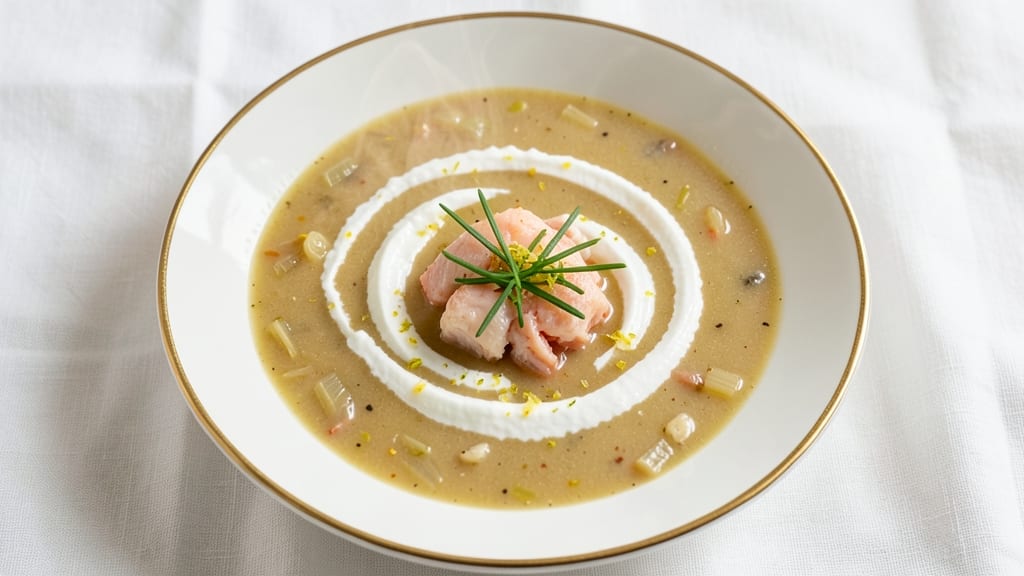
The Fisherman’s Inn cream of crab soup brings back that nostalgic 70s party vibe—creamy, briny, and impossible to resist. This one-pot masterpiece delivers the restaurant-quality texture and flavor that made it a classic, with tender crab meat swimming in a velvety broth.
I’ve perfected the balance between richness and freshness, ensuring every spoonful tastes like a seaside celebration.
What sets this recipe apart is its foolproof technique for achieving the perfect consistency without overcooking the crab. We start with a flavorful base of onions, celery, and garlic, then build layers of depth with fish stock and a touch of cream.
The key lies in slowly incorporating the crab meat and thickening the soup just enough to cling to every bite—no lumps, just pure indulgence.
By the time you serve this soup, you’ll have a dish that’s creamy enough to satisfy, briny enough to excite, and garnished just right to impress. The aroma alone will transport you to a sunny seaside inn, while the presentation makes it feel special enough for any gathering.
Trust me, this is the kind of soup that disappears faster than you can say "party."
Pair it with crusty bread for dipping or a sprinkle of Old Bay seasoning to heighten the coastal flavors. Leftovers reheat beautifully, so you can enjoy the taste of nostalgia for days.
Ingredients for fisherman's inn cream of crab soup
Pantry staples meet coastal flavors—just 14 ingredients for a party-worthy soup.
| Ingredient | Amount | Notes |
|---|---|---|
| Lump Crab Meat 🦞 | 12 oz | Fresh or high-quality canned preferred |
| Heavy Cream 🥛 | 1 cup | Full-fat for richness |
| Fish Stock 💧 | 4 cups | Homemade or quality store-bought |
| Yellow Onion 🧅 | 1 whole | Medium size, finely diced |
| Celery Stalks 🥬 | 3 whole | Trimmed, finely chopped |
| Garlic Cloves 🧄 | 4 cloves | Minced for depth |
| Unsalted Butter 🧈 | 4 tbsp | Cold, for roux |
| All-Purpose Flour 🌾 | 2 tbsp | For thickening |
| Lemon Juice 🍋 | 1 tbsp | Freshly squeezed |
| Old Bay Seasoning 🌶️ | 1 tsp | For coastal flavor |
| Salt 🧂 | ½ tsp | Adjust to taste |
| Black Pepper 🌶️ | ¼ tsp | Freshly ground |
| Chives 🌿 | 2 tbsp | Chopped, for garnish |
| Fresh Dill 🌿 | 1 tbsp | Chopped, optional garnish |
The crab meat is the star, so don't cut corners here. Fresh lump crab has the best texture, but quality canned crab works in a pinch—just drain it well. For the fish stock, Knorr or Pacific brand are reliable, but homemade is unbeatable. The Old Bay seasoning is non-negotiable for that authentic Fisherman's Inn taste—Trader Joe's has the best price. If you're using frozen crab, thaw it overnight in the fridge, not under running water (it gets waterlogged). The butter and flour combo creates that signature creamy texture—use cold butter for the roux to avoid lumps.
No Old Bay? Mix 1/2 tsp paprika, 1/4 tsp thyme, and 1/4 tsp celery salt as a substitute. Short on chives? Green onions or parsley work too. The lemon juice brightens everything—freshly squeezed is best, but bottled works if you're in a hurry. For a lighter version, use half-and-half instead of heavy cream. The fish stock can be swapped for chicken or vegetable broth if you're out, but the flavor will be different. If you're using pre-chopped onions and celery, drain and pat dry to avoid watery soup.
This soup reheats beautifully—just warm it gently on the stove, stirring occasionally. Keeps for 4-5 days in the fridge, or 3 months frozen. I like to portion it into containers with a little extra cream on top—freezes perfectly. For serving, I always add a sprinkle of Old Bay and fresh herbs right before eating. The flavors meld even better the next day, so make extra if you can. Store any unused crab meat in the freezer for up to 6 months—it's perfect for crab cakes later.
Why You'll Love This Recipe
- No-Fuss Sauté: The onion and celery just need a quick dice—no fancy knife skills here. I toss them in butter for five minutes while I pull the crab meat from the fridge, and suddenly, the hardest part is over. Honestly, the prep feels like a warm-up before the real magic happens.
- Velvet Luxury: That first spoonful of heavy cream swirling into the fish stock? Chef’s kiss. The crab melts into the broth like it was always meant to be there, rich but never heavy, briny with a whisper of sweetness. It’s the kind of soup that makes you close your eyes mid-bite.
- Weeknight to Dinner Party: Same recipe, totally different vibes. I serve it with crusty bread for a lazy Tuesday, or add a splash of white wine and garnish with parsley for when my in-laws show up. The crab meat stays plump either way—no last-minute stress.
- Leftovers That Lie: Between us, this soup tastes better the next day. The flavors meld even more, and the crab keeps its texture instead of turning mushy. I make a double batch, freeze half, and pretend I’m some kind of meal-prep genius. (Spoiler: I’m not.)
Step-by-step instructions for cream of crab soup
Here's how to create that iconic Fisherman's Inn flavor in your own kitchen.
Prepare the Aromatic Base
Melt the 4 tablespoons unsalted butter in a large pot over medium heat. Add the 1 whole yellow onion and 3 whole celery stalks, chopped finely, along with the 4 cloves garlic cloves, minced. Cook for 5-6 minutes until the vegetables soften and the onion becomes translucent.
This foundational step builds the soup's depth. The butter should foam gently at first, then settle as the moisture evaporates. If it browns too quickly, reduce the heat slightly. Here's the thing - these aromatic vegetables form the flavor backbone of your soup, so don't rush this step.
Build the Roux and Season
Sprinkle the 2 tablespoons all-purpose flour over the vegetables and stir vigorously for 1-2 minutes until it forms a smooth, pale roux. Gradually whisk in the 4 cups fish stock, bringing it to a gentle simmer. Add the 1 teaspoon Old Bay seasoning, 0.5 teaspoon salt, and 0.25 teaspoon black pepper, stirring constantly.
Simmer for 10 minutes until the soup thickens slightly. This is where the magic happens - the roux creates that velvety texture while the Old Bay seasoning infuses that classic coastal flavor. Taste the broth now - it should be seasoned but still bright, not salty. If needed, adjust the salt now before adding the crab.
Add the Crab and Cream
Gently stir in the 12 oz lump crab meat, breaking up any large clumps with a wooden spoon. Add the 1 cup heavy cream and 1 tablespoon lemon juice, then simmer for 5-6 minutes until everything is heated through. The crab should be warm but not cooked to death - it should still have a slight bite when you taste it.
Here's where it gets fun - the crab releases its natural sweetness while the cream adds richness. You'll see the soup transform from a simple broth to a luxurious cream soup. Keep stirring occasionally to prevent the cream from curdling. If the soup gets too thick, add a splash of warm water or fish stock to reach your desired consistency.
Finish and Garnish
Remove the pot from heat and let it sit for 2 minutes to allow the flavors to meld. Taste and adjust seasoning if needed - sometimes the crab needs a little more salt or lemon to brighten the flavors. Ladle the soup into bowls, reserving any extra for reheating.
Garnish each serving with 2 tablespoons chopped chives and 1 tablespoon chopped fresh dill. The fresh herbs add a pop of color and freshness that balances the richness. Serve immediately with crusty bread or oyster crackers for that true Fisherman's Inn experience. This soup is perfect for parties - it's hearty enough to satisfy a crowd but elegant enough for company.
Pro Tips For Making Fisherman'S Inn Cream Of Crab Soup
- Sweat, Don’t Sear: DESCRIPTION:
- Chill the Crab First: DESCRIPTION:
- Temper the Cream: DESCRIPTION:
- Strain Twice: DESCRIPTION:
Common mistakes when making this dish
Overcooking the Crab
The most common mistake is letting the crab meat cook too long in the hot soup. Crab turns rubbery when overcooked, losing its delicate sweetness and tender texture.
I've seen this happen when people simmer the soup for too long after adding the crab—just 5-6 minutes is all it needs to warm through. The crab should have a slight bite when you taste it, not be completely soft like overcooked chicken.
If you're worried about undercooking, add the crab just 2-3 minutes before serving and reheat gently.
Skipping the Roux
Many home cooks try to thicken the soup with cream alone, but that leads to a thin, watery consistency. The roux made from butter and flour is what creates that signature velvety texture.
I recommend making a pale roux—just until it's smooth and light-colored—because a dark roux can add a slightly bitter note. If your roux darkens too quickly, reduce the heat immediately. The key is constant stirring during those first 1-2 minutes of roux formation.
Using Low-Quality Stock
Fish stock is the soul of this soup, so don't skimp on quality. Store-bought stock can work, but it often lacks depth compared to homemade. I've noticed a big difference when using homemade fish stock or high-quality brands like Knorr Premium or Pacific Foods.
If you're using chicken or vegetable broth as a substitute, the flavor will be noticeably different—more savory or vegetal rather than briny. For the best results, use 4 cups of fish stock and taste it before adding the crab to ensure it's properly seasoned.
Adding Cream Too Early
Adding the heavy cream at the beginning of cooking can cause it to curdle or separate, ruining the soup's silky texture. The cream should be added after the soup has simmered with the crab for a few minutes.
This allows the crab to release its natural juices first, which helps stabilize the cream when it's incorporated. If you're concerned about curdling, stir constantly and keep the heat at a gentle simmer—never boil the soup after adding the cream.
Ignoring the Resting Time
Rushing to serve the soup immediately after cooking can lead to uneven temperatures and flavors that haven't fully melded. Let the soup rest off the heat for 2 minutes before serving—this allows the flavors to settle and the cream to fully emulsify.
I also recommend tasting the soup during this resting period so you can adjust the seasoning one last time. Trust me, those 2 minutes make a world of difference in the final result.
Over-Garnishing
While garnishes add freshness and visual appeal, overdoing it can overwhelm the delicate flavors of the soup. Stick to 2 tablespoons of chopped chives and 1 tablespoon of fresh dill per serving. Too many herbs can make the soup taste grassy or bitter.
I also avoid adding garnishes until right before serving—this keeps them fresh and vibrant. If you're using fresh herbs, chop them just before adding to preserve their flavor and aroma.
Nutrition facts
Frequently asked questions
Why does this recipe call for fish stock instead of chicken broth?
The briny depth of fish stock is essential for authentic coastal flavors. Chicken broth would make the soup taste more savory than briny, while fish stock enhances the crab's natural sweetness and creates that signature "seafood house" taste. For best results, use homemade fish stock or a high-quality brand like Knorr Premium.
Can I make this soup ahead of time for a party?
This soup actually tastes better the next day as flavors meld. Make it 1-2 days ahead, store in the fridge, and reheat gently on the stove. For parties, assemble the soup without the crab, cool completely, then add the crab and cream just before serving to keep it tender. Garnish with fresh herbs right before eating.
What's the best way to reheat leftovers?
Reheat gently on low-medium heat, stirring constantly to prevent curdling. Never microwave directly from the fridge—it creates hot spots that can turn the cream grainy. For best texture, reheat just until warm (about 3-4 minutes), then add a splash of warm water or cream to restore richness if needed.
Can I substitute imitation crab for real lump crab?
While imitation crab works in a pinch, it lacks the delicate sweetness and texture of real lump crab. For authentic results, use fresh or high-quality canned lump crab. If you must substitute, use 14 oz imitation crab and add 1 extra tablespoon lemon juice to compensate for the lack of natural brininess.
How can I make this soup lighter without losing flavor?
Swap half the heavy cream for half-and-half and use low-fat evaporated milk instead of heavy cream. For extra flavor without calories, add 1 teaspoon white wine or crab juice to the stock. The key is maintaining the roux and fish stock base—these carry the authentic taste even in lighter versions.