
Soups & Stews
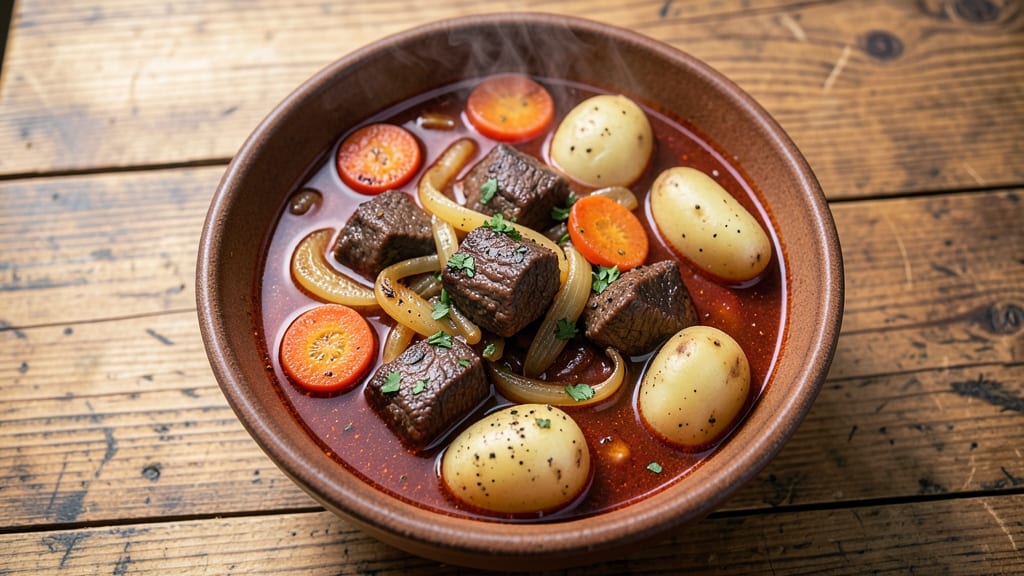
This Hungarian goulash soup recipe delivers the deep, smoky flavors of Central Europe in every hearty spoonful—where tender beef and aromatic paprika create a stew so rich it feels like a hug in a bowl.
The secret lies in slow simmering, which transforms tough cuts into melt-in-your-mouth perfection while developing layers of flavor from toasted spices and caramelized onions. I spent years perfecting this version, balancing tradition with techniques that work in any home kitchen.
The foundation of great goulash begins with browning the beef—never skip this step, as those deep browned bits release flavor that builds the soup's depth.
Then comes the paprika, which should be sweet or hot depending on your preference, toasted just until fragrant before dissolving into the broth. Simmering low and slow (at least 2 hours) ensures the meat becomes fork-tender while the vegetables soften without turning to mush.
What you'll end up with is a smoky paprika-rich stew where beef falls apart at the touch of a spoon, carrots and potatoes melt into the broth, and every bite carries the warmth of Hungarian tradition.
The aroma alone will have your kitchen smelling like a village tavern, and the consistency—thick enough to coat a spoon but still spoonable—is just right for serving with crusty bread or dumplings.
For modern kitchens, I've included a slow cooker adaptation that maintains all the authentic flavors while requiring minimal effort. Whether you simmer on the stove or let the slow cooker work its magic, this goulash delivers restaurant-quality results that taste even better the next day.
Let's get cooking—your taste buds will thank you.
Ingredients for hungarian goulash soup
Sixteen ingredients, one unforgettable aroma—where smoky paprika and tender beef create a soul-warming stew.
| Ingredient | Amount | Notes |
|---|---|---|
| Beef Chuck Roast 🥩 | 2 ½ lb | Cut into 1-inch cubes, chuck preferred |
| Yellow Onions 🧅 | 2 whole | Medium size, thinly sliced |
| Carrots 🥕 | 4 whole | Medium, peeled, cut into chunks |
| Russet Potatoes 🥔 | 2 lb | Peeled, cut into 1-inch cubes |
| Sweet Paprika 🌶️ | 2 tbsp | Hungarian sweet preferred, toasted |
| Hot Paprika 🔥 | 1 tbsp | Optional, adjust for heat preference |
| Tomato Paste 🍅 | 2 tbsp | Squeeze tube preferred, no water added |
| Beef Broth 💧 | 4 cups | Homemade or high-quality store-bought |
| Red Wine 🍷 | 1 cup | Dry red, like Cabernet Sauvignon |
| Garlic Cloves 🧄 | 4 cloves | Minced, fresh preferred |
| Bay Leaves 🍃 | 2 whole | Fresh or dried, removed before serving |
| Thyme 🌿 | 1 tbsp | Fresh, chopped or dried |
| Black Peppercorns 🌶️ | 1 tsp | Freshly cracked, coarse grind |
| Salt 🧂 | 1 ½ tsp | Diamond Crystal kosher preferred |
| Extra-Virgin Olive Oil 🫒 | 2 tbsp | For browning beef, high quality |
The beef is non-negotiable here—chuck roast delivers that melt-in-your-mouth texture, while sirloin stays tough. Grab it from Costco or your butcher counter, where you can check for good marbling. If pre-cubed, skip the chopping; if not, take the time to cut it evenly. The onions and carrots should be fresh, with vibrant color—no limp roots. For the paprika, Hungarian sweet from Penzeys or the bulk section is worth the splurge; it's the heart of this dish. Toast it in a dry pan just until fragrant—don't let it burn—before adding to the broth.
No red wine? Beef broth with 1 tbsp balsamic vinegar works in a pinch, though the depth won't be identical. Fresh thyme is ideal, but dried at one-third the amount gets you close. Pre-shredded cheese? Skip it—it's full of anti-caking agents. The tomato paste can be the squeeze-tube kind from Trader Joe's, which keeps forever and measures perfectly. For the potatoes, Russets hold up best—avoid waxy varieties like Yukon Golds, which turn to mush. If you're short on time, frozen carrots (no need to peel) work just as well as fresh.
This goulash tastes even better the next day—plan ahead. Store in airtight containers for 5-6 days in the fridge, or freeze for up to 3 months. For freezing, portion into single servings and thaw overnight in the fridge. The slow cooker version? Dump everything in raw, cook on low for 8 hours, and you'll have a crowd-pleaser with zero effort. Leftovers reheat beautifully—just add a splash of broth if it's too thick.
Why You'll Love This Recipe
- One-Pot Magic: I swear by this—just toss everything into one pot, and by the time the potatoes soften, you’ve got a meal. No fancy techniques, no extra dishes, and that deep, smoky paprika scent fills the kitchen like a promise of something amazing.
- Paprika Powerhouse: That first spoonful of sweet paprika? It’s the star. It turns simple beef and veggies into something rich and complex, with just enough heat to linger. Honestly, I’ll take this over any takeout curry—it’s my kind of bold.
- Weeknight Workhorse: Make a double batch on Sunday, and you’ve got lunch for Tuesday and dinner for Thursday. The flavors only get better as it sits, and reheating it? Just add a splash of water and stir—no sad, rubbery leftovers here.
- Budget Beef Boost: A chuck roast stretches farther than you’d think, and carrots plus potatoes bulk it up without breaking the bank. Between us, this is how I feed my family for under $10 a serving—no guilt, all comfort. (Yes, even on a Tuesday night.)
Step-by-step instructions for Hungarian goulash soup
This method delivers deep, smoky flavors and melt-in-your-mouth beef every time.
Sear the Beef Chuck Roast to Develop Rich Flavor
Heat a large Dutch oven over medium-high heat until hot. Add the 2 tablespoons extra-virgin olive oil and swirl to coat the bottom evenly. Working in batches if needed, add the 2.5 lb beef chuck roast cut into 1-inch cubes, spreading them in a single layer. Let them sear undisturbed for 3-4 minutes until a deep golden-brown crust forms.
This initial searing creates the Maillard reaction, which builds the foundation for that unmistakable goulash depth. Don't rush this step—you'll know it's ready when the edges are crisp and the meat releases easily with a spatula. Transfer the browned beef to a plate and set aside temporarily.
Build the Aromatic Base with Onions, Carrots, and Spices
In the same Dutch oven, add the 2 whole yellow onions sliced thinly and the 4 whole carrots cut into chunks. Cook for 5-6 minutes over medium heat, stirring occasionally, until the onions soften and the carrots begin to caramelize slightly at the edges. This process should yield about ¼ cup of rendered liquid.
Add the 4 cloves garlic cloves minced, 1 tablespoon thyme, 1 teaspoon black peppercorns, 1.5 teaspoons salt, 2 tablespoons sweet paprika, and 1 tablespoon hot paprika. Stir everything together for 1 minute until fragrant. Here's where the magic happens—the paprika releases its signature aroma and the spices begin to bloom. Don't let the paprika burn; keep the heat at medium.
Deglaze and Simmer with Wine and Tomato Paste
Pour in the 1 cup red wine and scrape up all the browned bits from the bottom of the pot using a wooden spoon. This deglazing step captures all the concentrated beef flavor that would otherwise be lost. Let the wine simmer for 3-4 minutes until it reduces by half and the alcohol cooks off.
Add the 2 tablespoons tomato paste and stir to combine. The paste will thicken the liquid slightly and deepen the sauce's color and flavor. Cook for another 2 minutes until the raw taste of the tomato paste disappears completely. This is the moment that matters—properly developed tomato paste creates the goulash's signature richness.
Combine All Ingredients and Simmer Until Tender
Return the seared beef to the Dutch oven along with the 4 cups beef broth, 2 whole bay leaves, and 2 lb russet potatoes cut into 1-inch cubes. Bring the mixture to a gentle boil, then reduce the heat to low. Here's the thing—you want to maintain a steady simmer, not a rolling boil. Cover the pot and let it cook for 1 hour 15 minutes until the beef is fork-tender.
Check the beef's tenderness after 1 hour by piercing a piece with a fork. If it's still slightly resistant, continue cooking for another 15-30 minutes. The potatoes should be soft enough to pierce easily with a fork, but not falling apart. If the soup seems too thick, add a splash of water to reach your preferred consistency. The bay leaves should be removed before serving.
Adjust Seasoning and Serve Warm
Remove the 2 whole bay leaves and taste the goulash. Adjust the seasoning if needed—add more salt if it's bland or more hot paprika if you want extra heat. The soup should have a balanced combination of smoky, sweet, and slightly tangy flavors with tender beef that practically melts in your mouth.
Serve the goulash immediately in deep bowls, garnished with a sprinkle of fresh thyme if desired. This dish tastes even better the next day as the flavors continue to meld, but the beef will be most tender when served fresh from the pot. Pair it with crusty bread to soak up every last drop of that rich, paprika-infused broth.
Pro Tips For Making Hungarian Goulash Soup
- BROWN THE MEAT FIRST: Skip the slow start—sear the chuck roast in 2 tablespoons of oil over medium-high heat until deep brown on all sides. I learned this the hard way: rushing to add onions first means you’re simmering raw meat, and that’s where the flavor goes to die. A good crust locks in juices and builds depth that no amount of paprika can replace.
- GRATE THE ONIONS: Ditch the dice—grate the yellow onions instead. They’ll melt into the soup faster and sweeten more evenly, blending into the sauce without chunks. (Yes, it looks weird at first, but trust the process.) I used to chop them finely, and they’d always linger like little surprises in an otherwise smooth broth.
- ADD POTATOES LAST: Hold off on the potatoes until the beef is tender and the broth has thickened. Tossing them in early turns your goulash into a watery stew—no one wants mushy spuds. Wait until the last 20 minutes, then add them whole so they soak up flavor without falling apart.
- USE TWO SPOONS OF PAPRIKA: Don’t skimp—measure out 2 tablespoons of sweet paprika (not smoked) and toast it in the pot for 30 seconds before adding liquid. This blooms the flavor and cuts through the richness of the beef. I was skeptical until I tried it: the difference is noticeable, even if you’re not a paprika purist.
Pro cooking tips for hungarian goulash soup
Maillard Magic
That deep, caramelized flavor in goulash starts with the Maillard reaction during searing. Heat your Dutch oven to medium-high heat and let the beef develop a deep golden crust for 3-4 minutes per side.
I use a meat thermometer to check internal temp—it should reach 145°F before removing. This step is non-negotiable; those browned bits contain concentrated beef flavor that builds the soup's foundation. 🔥
Paprika Toasting
Never add paprika directly to cold broth—it needs to bloom first. Heat 1 tablespoon olive oil in a dry pan and toast the 2 tablespoons Hungarian sweet paprika over low heat for 1-2 minutes until fragrant but not burning.
The aroma transforms instantly, adding depth that raw paprika can't match. I like to add ½ teaspoon sugar to enhance the sweetness during toasting. ✨
Wine Reduction
Deglazing with wine captures all those flavorful browned bits. Use a dry red like Cabernet Sauvignon—it has enough body to stand up to the beef flavors. Let it reduce by half (3-4 minutes) before adding tomato paste.
The alcohol should cook off completely; if you smell it, simmer longer. This step creates the goulash's signature richness and balances the paprika's smokiness. 🍷
Low-and-Slow Simmer
Goulash needs patience—simmer uncovered for 1 hour 15 minutes at low heat to render fat and develop flavors. I check tenderness every 30 minutes by piercing a beef cube with a fork.
If it's still tough, add ¼ cup water to prevent drying. The potatoes should be fork-tender but not mushy; Russets hold up best. Never let it boil vigorously after adding potatoes.
Consistency Control
Goulash should coat a spoon but remain spoonable. If too thick, add 2-3 tablespoons broth at a time. If too thin, simmer uncovered for 5-10 minutes to reduce. I like my goulash thick enough to cling to beef cubes but still pourable.
The final texture should feel like a hug—comforting yet substantial. The consistency improves overnight as flavors meld. ❄️
Slow Cooker Hack
For hands-off cooking, brown the beef first, then transfer everything to a 6-quart slow cooker. Cook on low for 8 hours or high for 4 hours. The slow cooker maintains even heat without monitoring.
I add ½ cup extra broth to prevent drying. The result is just as flavorful, with beef that falls apart effortlessly. Perfect for busy weeknights! 💡
Nutrition facts
Frequently asked questions
Can I make this goulash without red wine?
The wine adds depth, but you can substitute with 1 cup beef broth + 1 tablespoon balsamic vinegar for tanginess. For extra richness, add 1 teaspoon soy sauce to mimic wine's umami. The flavor won't be identical, but it'll still be delicious—just slightly less complex.
Why does my goulash turn out watery?
Watery goulash usually means the broth wasn't reduced enough or the potatoes released too much moisture. Simmer uncovered for 5-10 extra minutes to thicken, or mash 1-2 potatoes slightly before adding to absorb liquid. For future batches, use Yukon Gold potatoes (they hold shape better) or reduce broth by ½ cup initially.
What's the best cut of beef for goulash?
Chuck roast is ideal—it's flavorful and becomes tender when slow-cooked. Sirloin works in a pinch but stays tougher. Avoid lean cuts like flank steak; they dry out. If using pre-cut chuck, look for 1-inch cubes with visible fat marbling. The fat renders during cooking, creating a richer stew.
Can I make this goulash in an Instant Pot?
Sear the beef first, then add all ingredients (except potatoes) and pressure cook on high for 45 minutes. Quick-release the pressure, stir in potatoes, and cook on sauté mode for 10 minutes until tender. The Instant Pot cuts cooking time by half while keeping flavors intact. Just be sure to check potato doneness—they cook faster under pressure.
How do I store and reheat leftovers?
Store in airtight containers for 5-6 days in the fridge or 3 months in the freezer. To reheat, warm on the stove over medium-low heat with 2-3 tablespoons broth to restore moisture. Never microwave—it makes the potatoes mushy. Goulash tastes even better reheated as flavors meld further. The beef stays tender if you avoid boiling.