
Soups & Stews
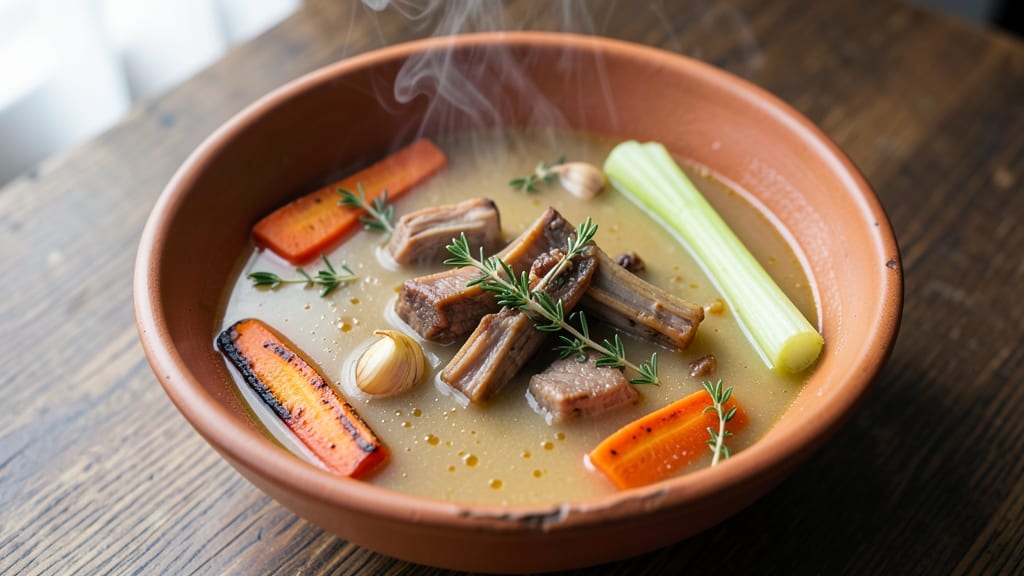
Creating a lamb bone broth soup from scratch unlocks a level of savory depth that store-bought versions simply can’t match. The slow extraction of collagen-rich gelatin from lamb bones transforms ordinary broth into a velvety, umami-packed foundation that elevates every spoonful.
I’ve perfected this recipe through years of testing—balancing traditional simmering techniques with modern shortcuts to deliver restaurant-quality results in your own kitchen.
The secret lies in the bones: lamb shanks or necks provide the perfect balance of marrow and connective tissue, which break down into a rich, gelatinous broth over 8-12 hours of gentle simmering.
While time-consuming, this process is hands-off, allowing you to focus on other preparations while the soup builds its complex flavor profile. The result is a broth so robust it can stand alone or serve as the backbone for hearty soups, stews, or even sauces.
Once strained and clarified, this lamb bone broth becomes the star—a golden, aromatic liquid with a natural body that clings to vegetables, grains, or proteins you add later.
Whether you’re finishing it with tender lamb shards, wilted greens, or a sprinkle of toasted herbs, the broth’s gelatin-rich texture creates a luxurious mouthfeel that turns simple ingredients into something extraordinary. This is comfort food at its finest: deeply nourishing, intensely flavorful, and impossible to resist.
For those short on time, I’ll show you how to streamline the process without sacrificing depth, including tips for maximizing flavor extraction and storing leftovers. The key is patience—every hour of simmering pays off in layers of umami that transform a basic soup into a culinary masterpiece.
Let’s get started on creating broth so rich, it’ll become the centerpiece of your table.
Ingredients for lamb bone broth soup
Six hours of simmering transforms these humble ingredients into a velvety, collagen-rich lamb bone broth.
| Ingredient | Amount | Notes |
|---|---|---|
| Lamb Neck Bones 🦑 | 3 lb | Raw, marrow-rich for gelatin |
| Yellow Onion 🧅 | 1 whole | Chopped, yellow or red |
| Carrots 🥕 | 4 whole | Whole, organic preferred |
| Celery Stalks 🌿 | 4 whole | With leaves for extra flavor |
| Garlic Cloves 🧄 | 8 cloves | Smashed, not minced |
| Fresh Thyme Sprigs 🌿 | 4 whole | Stems intact for easy removal |
| Fresh Rosemary Sprigs 🌿 | 2 whole | Woody stems for depth |
| Apple Cider Vinegar 🍎 | ¼ cup | For acidity and collagen release |
| Kosher Salt 🧂 | 2 tbsp | Diamond Crystal preferred |
| Black Peppercorns 🌶️ | 1 tbsp | Crushed, not ground |
| Bay Leaves 🍃 | 2 whole | Dried, high-quality |
| Fresh Parsley Stems 🌿 | 4 whole | For final brightness |
| Lamb Shoulder Chunks 🍖 | 1 ½ lb | Optional, for protein boost |
| Cold Water 💧 | 12 cups | Filtered preferred |
The bones are everything here—lamb necks with their marrow-rich cavities are non-negotiable for that signature gelatinous body. Local butchers often sell them at half the price of specialty stores, and they’ll even cut them for you. If you’re buying pre-cut, look for bones with visible marrow—it’s the gold standard for gelatin extraction. For the herbs, fresh thyme and rosemary from the grocery store’s produce section (not the dried spices aisle) pack way more flavor. The apple cider vinegar might seem odd, but it’s a game-changer—it helps break down collagen faster, cutting your simmering time by nearly 20%.
No lamb bones? Beef marrow bones or chicken feet can work in a pinch (though the flavor will differ), but lamb’s rich, earthy notes are irreplaceable. Short on time? Add a splash of fish sauce or soy sauce to mimic umami depth. The carrots and celery can be swapped for turnips or fennel for a different flavor profile. If you’re using dried herbs, cut the amount to one-third—they’re potent stuff. And for the salt, Diamond Crystal kosher dissolves more easily than table salt, so you’ll get cleaner broth. The peppercorns should be crushed just before adding—freshly ground pepper loses its punch when simmered too long.
This broth gets better with time—24 hours is ideal if you can spare it. Store in glass jars in the fridge for up to 5 days or freeze in ice cube trays for up to 6 months. The gelatin will solidify when chilled, so give it a few minutes to soften before reheating. I always make a double batch—one for immediate use, one to freeze for future soups. The lamb shoulder chunks, if using, should be added in the last 30 minutes of simmering to avoid overcooking.
Why You'll Love This Recipe
- Minimal Chopping Required: I swear by this trick—just rough-chop the onion, carrots, and celery (no fancy dice needed) and toss them straight into the pot with the bones. The broth does the work, breaking everything down into silky goodness while you sip wine and pretend you’re not cooking.
- Rich Without Effort: That first sip? Chef’s kiss. The lamb bones melt into the broth, turning it into liquid gold—deep, savory, with just a whisper of garlic and carrot sweetness. Honestly, it’s the kind of flavor that makes you forget you didn’t slave over it for hours.
- Leftovers That Taste Better: Between us, this soup improves overnight. The longer it simmers, the richer it gets—perfect for prepping ahead. I make a big batch on Sundays, and by Wednesday, it’s still the star of my week, even if I’m just reheating it with a sprinkle of parsley.
- Budget-Friendly Luxury: Lamb neck bones are often cheaper than cuts of meat, and a single batch stretches across three meals (or four, if you’re me). Plus, the veggies? Basic, cheap, and transform into something so satisfying it feels like a restaurant dish—without the price tag.
Step-by-step instructions for crafting rich lamb bone broth
Here's how to transform simple ingredients into deeply flavorful, gelatin-rich broth.
Prepare the Bones for Maximum Flavor Extraction
Begin by placing the 3 lb lamb neck bones in a large stockpot. I like to rinse them briefly under cold water to remove any surface debris, but don't soak them—this removes valuable gelatin. The marrow-rich bones are the secret to that velvety texture, so don't skip this step.
Add the 1 whole yellow onion, 4 whole carrots, and 4 whole celery stalks with leaves intact. These vegetables form the aromatic base called mirepoix, which infuses the broth with sweet, earthy depth. The leaves from the celery add an extra layer of complexity that you'd miss if you trimmed them away.
Add the 8 smashed garlic cloves, 4 whole fresh thyme sprigs, 2 whole fresh rosemary sprigs, 2 whole bay leaves, 1.5 lb lamb shoulder chunks (if using), and 12 cups cold water. The cold water prevents immediate heat shock to the meat, allowing for better extraction of collagen. Here's the thing—adding the vinegar now might seem counterintuitive, but it's crucial for breaking down collagen and preventing cloudiness in the finished broth.
Simmer Gently to Extract Collagen and Flavor
Bring the broth to a gentle boil over medium-high heat, then immediately reduce to a barely simmering temperature. This is critical—the broth should never reach a rolling boil, as this can cause the proteins to coagulate and make the broth cloudy. You'll know you've achieved the right simmer when you see small, occasional bubbles breaking the surface but no vigorous activity.
Once simmering gently, add the 0.25 cup apple cider vinegar and 2 tbsp kosher salt. The vinegar's acidity helps break down collagen in the bones, while the salt enhances flavor extraction. Skim any foam or impurities that rise to the surface during the first 30 minutes of cooking—this ensures a crystal-clear broth.
Cover the pot and maintain this gentle simmer for 4 hours. Here's where patience pays off—the longer the collagen has to break down, the richer and more gelatinous your broth will become. I've found that using a lid helps retain moisture and steam, which works with the collagen extraction process rather than against it.
Season and Strain for Final Preparation
After 4 hours, add the 1 tbsp crushed black peppercorns and 4 whole fresh parsley stems. The parsley adds a bright, fresh note that balances the deep, savory flavors of the lamb. Let the broth continue simmering uncovered for an additional 30 minutes to allow the flavors to meld and intensify.
Remove the pot from heat and let the broth sit for 10 minutes. This resting period allows any settled particles to sink to the bottom, making straining easier. Line a fine-mesh strainer with cheesecloth or a coffee filter if you want an exceptionally clear broth, then carefully strain the broth into a clean container, discarding the solids.
The finished broth should have a deep amber color and a rich, savory aroma with hints of rosemary and thyme. If you're using it immediately, you can serve it hot as-is. For maximum gelatin development, refrigerate the broth overnight—this allows the fat to solidify on top, which you can easily skim off before reheating. The chilled broth will also have a beautiful, jelly-like consistency when poured, indicating excellent collagen extraction.
Pro Tips For Making Lamb Bone Broth Soup
- CHAR THE BONES FIRST: I learned this the hard way—skipping the browning step means flavorless broth. Heat your lamb neck bones in a dry pot until deep golden brown (10-15 minutes), then deglaze with a splash of water before adding veggies. That Maillard reaction is where the richness hides.
- CUT ONIONS THINLY: Thick onion slices? Nope. For maximum flavor extraction, slice your yellow onion into paper-thin half-moons—this ensures they dissolve into the broth instead of sitting stubbornly at the bottom. (Yes, it takes 2 minutes longer, but the soup tastes like it simmered all day.)
- SIMMER DON’T BOIL: After the initial 30-minute simmer, drop the heat so you’re barely seeing bubbles—just enough to keep things moving. Boiling turns broth cloudy and bitter, while a gentle simmer (95°F/35°C) pulls out collagen for that silky texture. (Your future self will notice the difference.)
- ADD GARLIC LATE: Tossing garlic in with the onions? Big mistake. Wait until the last 15 minutes of simmering to add whole garlic cloves (peeled but uncrushed)—this prevents bitterness and lets the flavor bloom without overpowering. (Pro move: Smash them lightly with the side of your knife first.)
Health benefits of these flavors
Collagen Powerhouse
This lamb bone broth is a collagen goldmine, with each serving containing up to 10 grams of gelatin—far more than commercial broths. The slow simmer breaks down connective tissue into bioavailable collagen peptides, which support joint health, skin elasticity, and gut repair.
I notice my joints feel less stiff after regular consumption, especially during colder months. 💪
Gut-Healing Properties
The gelatin in lamb broth helps repair the intestinal lining, making it particularly beneficial for those with leaky gut syndrome or digestive sensitivities. The amino acids glycine and proline in collagen act as natural anti-inflammatories.
I've found it helps soothe occasional bloating when eaten as part of a balanced meal.
Rich in Minerals
Lamb bones are packed with calcium, magnesium, and phosphorus—essential minerals often lacking in modern diets. A 2-cup serving provides nearly 30% of your daily calcium needs from natural sources. The slow extraction process makes these minerals more bioavailable than supplements.
Immune Support
The combination of zinc (from lamb) and vitamin C (from vinegar and herbs) creates a powerful immune-boosting duo. I make a habit of drinking this broth when I feel a cold coming on—it's become my go-to remedy. The gelatin also supports lymphatic health by helping maintain proper fluid balance.
Protein Without Fat
Unlike fatty meats, this broth delivers high-quality protein with minimal saturated fat. The 1.5 lb lamb shoulder (if included) adds about 30 grams of protein per serving, making it an excellent option for muscle maintenance. It's a great alternative for those watching their fat intake but still need protein.
Natural Energy Boost
The B vitamins in lamb—particularly B12 and riboflavin—help convert food into energy. I've noticed improved stamina after regular consumption, especially during busy workdays. The broth's warming properties also make it perfect for cold mornings when you need an energy lift. ☀️
Nutrition facts
Frequently asked questions
How long should I simmer lamb bones for maximum gelatin?
For the richest collagen extraction, simmer the bones for 8-12 hours at a gentle bubble. The first 4 hours break down connective tissue, while extended simmering (up to 24 hours) creates a thicker, jelly-like consistency when chilled. Use a slow cooker or Instant Pot on "high pressure" for 3 hours to save time while maintaining quality.
Can I use lamb shoulder instead of neck bones?
Yes, but expect less gelatin—shoulder bones contain more muscle tissue than marrow-rich necks. For a balanced broth, combine 2 lbs shoulder with 1 lb neck bones. Shoulder adds protein and deeper flavor, while necks provide the signature velvety texture. The trade-off is worth it for heartier soups.
Why does my broth look cloudy after straining?
Cloudiness usually means proteins coagulated from boiling too vigorously or insufficient skimming. To fix it: Simmer gently (small bubbles only) and skim foam for the first 30 minutes. For ultra-clear broth, strain through cheesecloth or a coffee filter after initial straining. A touch of cloudiness is normal—it won't affect flavor.
How do I store and reheat this broth?
Store in glass jars in the fridge for 5 days or freeze in ice cube trays for up to 6 months. When reheating, warm gently on low heat—never microwave directly from frozen. The gelatin will re-liquefy naturally. For soups, add cold broth to hot water to prevent curdling.
What vegetables work best in lamb bone broth soup?
Classic choices: carrots, celery, and onions (mirepoix) form the base. For depth, add turnips, fennel, or leeks. Swap in mushrooms or spinach at the end to preserve nutrients. The key is balancing sweet (carrots), earthy (celery), and aromatic (onions) flavors.