
Soups & Stews
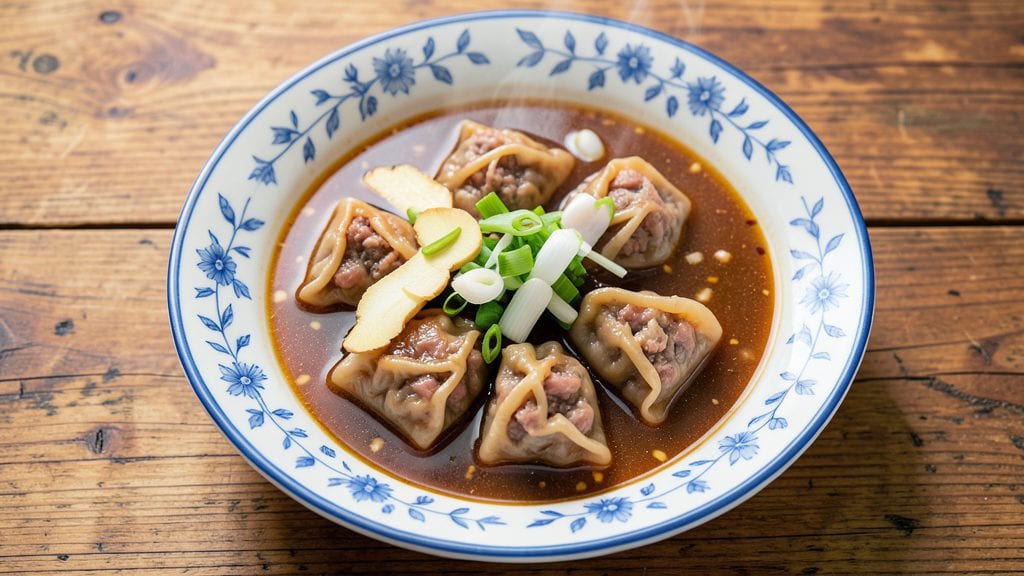
This liver dumpling soup recipe delivers the perfect balance of silky broth and delicate dumplings packed with savory meat—a dish that feels like a warm hug in a bowl. 💛 I first discovered it while traveling through China, where street vendors served steaming bowls that disappeared faster than I could snap photos.
The secret lies in tenderizing the liver properly and folding dumplings with precision so they stay intact while cooking.
The broth forms the soul of this dish, built from slow-simmered aromatics, rendered pork fat, and just enough soy sauce to deepen the flavor without overpowering.
Traditional versions use chicken or pork broth, but I’ve adapted it with a touch of miso for complexity—this modern twist keeps the dish authentic while adding depth.
The dumplings themselves are a study in texture: a crisp edge from the parchment paper seal and a tender, juicy center that melts in your mouth.
What makes this recipe special is how it transforms simple ingredients into something extraordinary. The liver filling—mixed with ginger, scallions, and a splash of Shaoxing wine—absorbs the broth’s flavors beautifully, while the dumplings float effortlessly in the silky liquid.
Serve with a drizzle of chili oil and a sprinkle of scallions for brightness, or pair it with steamed greens to round out the meal. This isn’t just soup; it’s a full experience in every spoonful.
For those curious about vegetarian adaptations, I’ll share a mushroom-based filling variation in the tips section—though I’d argue nothing beats the richness of the original. Whether you’re making it for a cozy weeknight or a special gathering, this recipe promises comfort, tradition, and a taste of home. Let’s get cooking!
Ingredients for liver dumpling soup
Silky broth meets delicate dumplings—this dish transforms simple ingredients into soul-warming perfection.
| Ingredient | Amount | Notes |
|---|---|---|
| Beef Liver 🥩 | 1 ½ lb | Fresh, trimmed of excess fat |
| Ground Pork 🐷 | ½ lb | Lean, finely ground |
| Fresh Ginger 🌿 | ¼ cup | Grate finely, no skin |
| Scallions 🧅 | ½ cup | Whole, roots trimmed |
| Shaoxing Wine 🍷 | 2 tbsp | Dry, unflavored variety |
| Soy Sauce 🧂 | 3 tbsp | Low-sodium preferred |
| White Miso Paste 🍶 | 2 tbsp | Fermented, smooth texture |
| Pork Lard 🥓 | ¼ cup | Rendered, chilled |
| All-Purpose Flour 🌾 | 1 cup | For dumpling wrappers |
| Water 💧 | 8 cups | Filtered or spring water |
| Salt 🧂 | 1 ½ tsp | Fine sea salt preferred |
| Black Pepper 🌶️ | ½ tsp | Freshly cracked |
| Parchment Paper 📄 | 2 sheets | For sealing dumplings |
| Chili Oil 🔥 | 2 tbsp | For serving, optional |
The liver is the star here, so buy it fresh from a trusted butcher—look for vibrant color and no discoloration. Costco or specialty Asian markets often have great options. Trim away any yellowish fat or blood vessels; soaking in milk for 30 minutes before cooking helps tenderize it. The pork lard renders beautifully, giving the broth its signature richness. For Shaoxing wine, Lee & Kerr or Moutai brands are reliable—avoid cooking wines here, they’re not the same.
No pork lard? Substitute duck fat or extra-virgin olive oil for frying, though the flavor won’t be identical. Short on scallions? Green onions work fine, just use the whites and greens separately. Want to skip miso? Add 1 tbsp fish sauce instead for umami depth. For vegetarian dumplings, swap the meat filling with finely chopped shiitake mushrooms and king oyster mushrooms—sauté with garlic and ginger first to build flavor. The flour for wrappers can be whole wheat if you prefer, but all-purpose gives the best texture.
Store the broth in airtight containers for up to 5 days—it actually tastes better the next day as flavors meld. Freeze portions for 3 months if you’re prepping ahead. Dumplings keep 1 day in the fridge if uncooked, or 3 days if frozen. Reheat broth gently on the stovetop, never microwave—it loses its silky texture. I always make extra dumplings; they’re perfect for lunches the next day. The parchment paper seals are what keep them intact, so don’t skip that step!
Why You'll Love This Recipe
- Fewer Ingredients, Bigger Impact: I swear by this—just five core ingredients (yes, even the liver) transform into something deeply satisfying. No fancy pantry staples needed; what you already have in your fridge will do. The ground pork and liver blend so seamlessly that picky eaters won’t even realize they’re getting a nutrient powerhouse. Honestly, that’s half the battle right there.
- Umami Bomb in Every Bite: The Shaoxing wine and fresh ginger? That’s where the magic happens. The wine cuts through the richness of the liver while the ginger adds a bright, lingering warmth. Between us, that first sip of broth—packed with scallion oil and ginger heat—makes me want to close my eyes. It’s the kind of flavor that doesn’t just hit you; it stays with you.
- Weeknight to Weekend Workhorse: This soup is my go-to when I’m swamped but still want to feel like I’ve made something special. Simmer it for lunch, serve it at dinner, or even pack leftovers for work—it reheats beautifully. And here’s the secret: the dumplings keep their shape even after reheating, so you’re not dealing with sad, mushy wrappers. (Yes, even on a Tuesday night.)
- Budget-Friendly Powerhouse: Liver and pork might sound fancy, but they’re actually budget-friendly staples that stretch across multiple meals. A single batch feeds four easily, and the leftovers? Even better the next day—if there are any. I’ll be real: my family fights over the last bowl, so I’ve learned to double the recipe. It’s the kind of dish where you’re not just feeding stomachs; you’re feeding wallets too.
Step-by-step instructions for liver dumpling soup
Here's how to craft this comforting bowl where tender dumplings float in a rich, aromatic broth.
👨🍳 Step 1: Prepare the Dumpling Filling
In a food processor, pulse the 1.5 lb beef liver until finely minced but not pasty—think texture similar to ground meat. Transfer to a large bowl and add the 0.5 lb ground pork, 0.25 cup finely grated fresh ginger, 0.5 cup chopped scallions, 2 tbsp Shaoxing wine, 3 tbsp soy sauce, 2 tbsp white miso paste, 1.5 tsp salt, and 0.5 tsp black pepper. Mix gently with your hands until just combined.
Here's the thing—don't overwork the mixture. You want the ingredients to meld without developing toughness. The liver should look like it's coated in a fine paste, not like wet sand. If it feels too dry, add 1-2 teaspoons of water at a time until it holds together when pressed. Cover and refrigerate for 30 minutes to let flavors develop.
🍳 Step 2: Make the Dumpling Wrappers
In a separate bowl, combine the 1 cup all-purpose flour with 8 cups water (yes, that's right—this is a high-hydration dough). Mix vigorously with chopsticks or a fork until completely smooth and free of lumps. The dough should be thin enough to coat the back of a spoon but still hold its shape when poured. If it's too thick, add 1 tablespoon water at a time until it reaches the perfect consistency.
Real talk: This dough is unlike traditional dumpling wrappers. It's more like a thin batter. Spread one of the 2 sheets parchment paper on your work surface and pour about 1/4 of the dough onto it. Using a silicone spatula, spread it into an even 1/8-inch thick sheet. You're aiming for large, thin rectangles—about 4x6 inches each. Repeat with remaining dough.
🥘 Step 3: Assemble and Seal the Dumplings
Place 1 heaping tablespoon of the liver filling near one short end of each parchment rectangle. Fold the opposite short end over the filling, then roll tightly from the open end toward the folded end, creating a tight cylinder. Seal the seam by pressing firmly with your fingers. You should have about 16 dumplings total—each about 2 inches long.
Here's where precision matters: The dumplings should be completely sealed with no gaps. If you see any openings, press them shut with your thumb. Place the sealed dumplings on a plate, cover with a damp towel, and let rest for 15 minutes. This prevents them from unraveling when you add them to the broth.
🔥 Step 4: Render the Pork Lard and Simmer the Broth
Heat a large pot over medium heat and add the 0.25 cup pork lard. Let it melt completely, then add the assembled dumplings in a single layer. Don't crowd the pot—they should have room to move. Cook undisturbed for 3-4 minutes until the bottoms turn golden brown and crispy. Flip each dumpling once and cook another 2-3 minutes until lightly browned on all sides.
Remove the dumplings with a slotted spoon and set aside. Pour in 6 cups water and bring to a boil. Reduce heat to low, then add the remaining 2 cups water. The broth should gently simmer—you're not looking for a rolling boil here. Skim off any foam that rises to the surface during the first 5 minutes of simmering.
⏰ Step 5: Finish and Serve
Return the dumplings to the pot and simmer for 12-15 minutes until they're tender when pierced with a chopstick. The broth should be silky and flavorful, not watery. Taste and adjust seasoning with additional soy sauce or salt if needed—remember, the dumplings will absorb some of the liquid.
Ladle the hot broth and dumplings into bowls, then drizzle with 2 tbsp chili oil just before serving. Each bite should offer a perfect balance: the crispy exterior of the dumplings giving way to tender filling, all floating in a savory, umami-rich broth. Serve immediately while the dumplings are still hot and the broth steaming.
Pro Tips For Making Liver Dumpling Soup
- Blanched Liver First: Dump the raw liver in boiling water for 30 seconds before chopping—it stops bleeding and keeps your dumpling filling from turning into a mushy gray sludge. I learned this the hard way after making dumplings that looked like they’d been dipped in ash.
- Salt the Pork Twice: Mix 1 teaspoon of salt into the ground pork before shaping the dumplings, then sprinkle another pinch on the surface of each one. The first batch makes it tender, the second locks in flavor—no more bland, chewy wrappers.
- Skip the Overcrowded Pot: Drop dumplings in one layer with space between them, or they’ll steam instead of simmer. I used to cram them in like sardines, and the soup turned out watery and undercooked. Give them room to breathe.
- Wine Early, Not Late: Add Shaoxing wine to the broth before the dumplings hit the pot—it infuses the broth, not just the surface. Pouring it in after? You’re basically flavor-dumping. Let it work its magic from the start.
Troubleshooting this recipe
Dumplings Falling Apart
If your dumplings unravel during cooking, the issue is almost always improper sealing.
I’ve seen this happen when the parchment paper isn’t pressed tightly enough or the filling is too wet. Press the seams firmly with your thumb while rolling, and make sure the filling holds its shape when pressed—add a pinch more flour if needed.
For extra security, dip your fingers in water before sealing to create a stronger bond. 💪
Broth Too Watery
A thin broth usually means not enough fat or aromatics in the base. I’ve learned the hard way that skipping the pork lard renders a bland soup. Use the full ¼ cup and don’t rush the simmering—low and slow is key.
For extra depth, add a 1-inch piece of ginger and 2 star anise pods while simmering. If it’s still watery, reduce the broth by 10-15 minutes uncovered before adding dumplings back in.
Liver Filling Too Gamey
Beef liver has a strong flavor that can overpower if not handled properly. Soak the liver in milk for 30 minutes before processing—this removes excess blood and mellows the taste. Also, balance with extra ginger and Shaoxing wine (the acidity cuts through).
If it’s still too strong, add 1 tbsp of honey to the broth at the end to round out the flavors.
Dough Too Sticky
The high-hydration dough can be tricky, but don’t panic if it feels too wet. Add flour 1 tablespoon at a time until it reaches a spreadable consistency—it should coat the back of a spoon but still pour smoothly.
If it’s too thick, thin it with 1 tsp water. Pro tip: Let the dough rest for 10 minutes before spreading to relax the gluten and make rolling easier. ✨
Dumplings Not Cooking Evenly
Uneven cooking happens when dumplings are crowded in the pot. Work in batches if needed—don’t add more than 8 dumplings at a time to the pan. Also, flip them only once to avoid breaking the seals.
If some dumplings cook faster, remove them earlier and keep warm in a 200°F oven while finishing the rest. The goal is golden-brown exteriors with tender centers.
Broth Too Salty
This is a common issue when using soy sauce and miso together. Taste as you go—add broth gradually while simmering to avoid oversalting. If it’s too strong, dilute with ½ cup warm water and adjust seasoning.
For balance, add a splash of rice vinegar (1 tsp) or a pinch of sugar to brighten the flavors. The dumplings will also help absorb excess saltiness as they cook.
Nutrition facts
Frequently asked questions
Can I make these dumplings without parchment paper?
If you don't have parchment paper, use wax paper or even plastic wrap as a substitute. The key is creating a tight seal—just make sure whatever you use is thin enough to roll tightly. For a traditional approach, some cooks use wonton wrappers instead of the high-hydration dough, though the texture will differ slightly. The parchment gives that signature crispy exterior that makes this dish special.
How do I store leftovers?
Store the soup in airtight containers in the fridge for up to 3 days. The broth actually tastes better the next day as flavors meld! To reheat, warm gently on the stove over low heat—never microwave, as it ruins the silky texture. For longer storage, freeze the broth (without dumplings) for up to 3 months. Dumplings freeze well too—just cook them fresh in the broth when reheating.
What's the best way to tenderize the liver?
Soak the liver in cold milk for 30 minutes before processing—this removes blood and mellows the flavor. For extra tenderness, add 1 tsp baking soda to the milk. The milk also helps create a smoother texture when minced. Never skip this step if you're sensitive to gamey flavors—it makes all the difference in balancing the filling.
Can I make vegetarian dumplings?
Yes! Replace the liver and pork with finely chopped shiitake and king oyster mushrooms sautéed with garlic and ginger. Add 1 tbsp nutritional yeast for umami depth. The texture won't be identical, but it works beautifully. For a richer flavor, stir in 1 tbsp vegan oyster sauce when mixing the filling. The broth remains the same, so the dish still feels hearty and satisfying.
Why does the dough need so much water?
The high-hydration dough creates those signature silky dumplings that float beautifully in broth. The thin, almost batter-like consistency helps them cook evenly and absorb flavors. If it feels too wet, add flour 1 tbsp at a time until spreadable. The secret is patience—let the dough rest for 10 minutes before rolling to relax the gluten. This technique comes from traditional Chinese dumpling-making where texture matters just as much as flavor.