
Soups & Stews
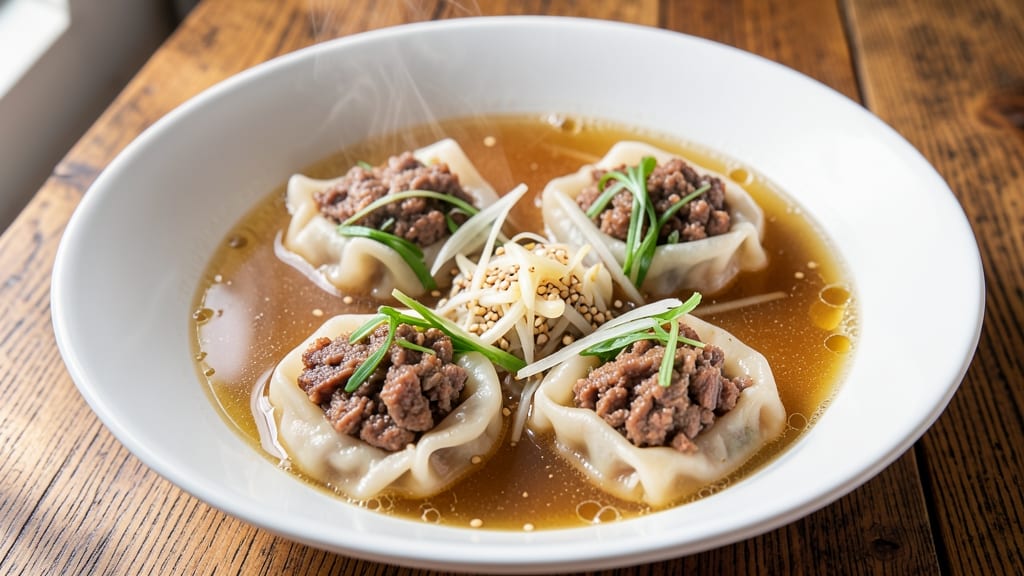
This mandu soup recipe transforms simple dough and filling into a restaurant-worthy dish where delicate dumplings float in rich, aromatic broth. The key lies in balancing tender wrappers with flavorful fillings—whether you prefer classic Korean mandu or Chinese-style jiaozi—while achieving that perfect al dente texture when cooked.
My version delivers restaurant-quality results with a foolproof method that ensures dumplings stay sealed and broth remains deeply savory.
The process begins with making the dough—soft, pliable, and just firm enough to hold fillings without tearing. For the filling, I use a mix of ground pork, cabbage, and garlic, seasoned with soy sauce and sesame oil for that signature umami depth.
The broth, simmered with ginger, garlic, and scallions, develops layers of flavor that elevate every bite. This recipe scales easily, making it ideal for family dinners or meal prep.
What sets this mandu soup apart is the harmony of textures: tender dumplings that burst with flavor, a velvety broth that coats each spoonful, and optional garnishes like green onions or sesame seeds for freshness.
The dumplings can be boiled, steamed, or pan-fried before simmering, giving you control over crispiness or softness. Serve with a side of kimchi or steamed rice for a complete meal.
Whether you're recreating a nostalgic family recipe or experimenting with regional variations, this mandu soup delivers comfort in every spoonful. The technique is straightforward, but the results are undeniably impressive—proof that homemade can rival even the best takeout. Let’s get cooking!
Ingredients for mandu soup
Restaurant-quality mandu soup starts with these 14 essential ingredients—each playing its role in perfecting tender wrappers and deeply savory broth.
| Ingredient | Amount | Notes |
|---|---|---|
| All-Purpose Flour 🌾 | 2 ½ cups | Unbleached preferred for pliability |
| Water 💧 | 1 ¼ cups | Room temperature for dough |
| Ground Pork 🥩 | 1 ½ lb | 80% lean, finely ground |
| Green Cabbage 🥬 | 4 cups | Finely shredded, core removed |
| Garlic Cloves 🧄 | 6 cloves | Minced, fresh preferred |
| Ginger Root 🌿 | 2 tbsp | Finely grated, fresh preferred |
| Soy Sauce 🥄 | ¼ cup | Kikkoman preferred, low-sodium |
| Sesame Oil 🫒 | 1 tbsp | Toasted, for aroma |
| Green Onions 🧅 | 4 whole | Thinly sliced, white and green parts |
| Chicken Broth 🍲 | 4 cups | Homemade or high-quality store-bought |
| Salt 🧂 | 1 ½ tsp | Diamond Crystal kosher salt |
| White Pepper 🌶️ | ½ tsp | Freshly ground for subtle heat |
| Sesame Seeds 🌰 | 1 tbsp | Toasted for garnish |
| Vegetable Oil 🫒 | 1 tbsp | For pan-frying dumplings |
The dough requires unbleached all-purpose flour—it yields a more tender wrapper than bleached. King Arthur or Bob’s Red Mill brands excel for their protein content, ensuring elasticity. For the filling, ground pork at 80% lean balances fat and moisture; anything leaner risks dry dumplings. Green cabbage should be crisp and vibrant, not wilted—store-bought pre-shredded often lacks freshness. Fresh garlic and ginger are non-negotiable; their aromatic compounds develop fully when cooked. If using frozen cabbage, thaw and squeeze out excess water to prevent soggy fillings. The Kikkoman soy sauce provides that signature umami depth, while toasted sesame oil adds a nutty aroma that elevates the entire dish.
No ground pork? Finely chopped chicken thigh works equally well, though texture differs slightly. Substitute cabbage with shredded napa cabbage or bok choy for a milder flavor. Fresh garlic and ginger can be swapped for 1 tbsp garlic powder and 1 tsp ground ginger, though the depth of flavor diminishes. For a vegetarian option, replace pork with mushrooms and tofu, adjusting seasoning to taste. The broth can be made with vegetable broth instead of chicken, though the umami profile shifts. Pre-shredded cabbage? Drain and spin dry thoroughly to mimic fresh texture. When pan-frying, use neutral oil like avocado or grapeseed to avoid overpowering flavors.
Store dough scraps wrapped in plastic for 2 days or freeze for 3 months. Filling ingredients keep separately: cabbage holds for 5 days in the fridge, while ground pork freezes for 4 months. The broth can be prepped ahead and refrigerated for 4 days or frozen for 3 months. For meal prep, assemble and freeze uncooked dumplings on a tray before transferring to a bag—this prevents sticking. Garnishes like sesame seeds and green onions can be added fresh post-cooking to preserve their vibrant color. Reheat broth gently to maintain clarity; dumplings can be boiled directly from frozen, adding 2-3 extra minutes to cooking time.
Why You'll Love This Recipe
- No-Fuss Dough: I swear by the simple flour-water mix—just roll it out, cut circles, and fill. No yeast, no waiting, no stress. My kids help with the cutting, and honestly? The dough’s forgiving. Even if it’s lumpy, the soup’s flavor carries it.
- Garlicky Pork Magic: That ground pork gets fragrant with minced garlic—crispy edges from a quick sear, tender inside. The cabbage wilts into the broth, soaking up all the savory goodness. One bite, and you’ll understand why I double the batch.
- Soup That Works All Week: Make a big pot on Sunday, and you’ve got lunch covered. The mandu reheats beautifully—just a splash of water, and it’s back to that perfect dumpling texture. My freezer’s always stocked with leftovers, too.
- Budget-Friendly Feast: Ground pork stretches far, cabbage fills the bowl, and flour costs pennies. A single pot feeds four for under $10. Between us, this is my go-to when grocery money’s tight—still feels like a treat.
Step-by-step instructions for mandu soup
This method delivers perfectly balanced dumplings with a fragrant broth that carries every flavor.
Prepare the Filling with Precision
In a large mixing bowl, combine the 1.5 lb ground pork, 4 cups finely shredded green cabbage, 6 cloves minced garlic, and 2 tbsp finely grated ginger root. The cabbage should be wrung out thoroughly to remove excess moisture—this prevents soggy dumplings. Add 1.5 tsp salt, 0.5 tsp white pepper, and 0.25 cup soy sauce, mixing until evenly distributed. The filling should hold its shape when pressed but remain tender enough to seal properly in the wrappers.
Here's the thing—don't overmix. You want the ingredients to combine just enough to distribute seasoning evenly, but the texture should remain slightly coarse. This ensures the dumplings stay juicy during cooking. Cover the bowl and refrigerate for 30 minutes to let the flavors meld.
Create the Wrappers with Perfect Elasticity
In a separate bowl, whisk together the 2.5 cups all-purpose flour and 1.25 cups room-temperature water until a smooth, pliable dough forms. I like to use my hands for this—knead for 5-7 minutes until the dough is elastic and springs back when pressed. This dough should be slightly tacky but not sticky.
Divide the dough into 8 equal portions (about 3.25 ounces each) and roll each into a thin circle using a rolling pin. The goal is ⅛-inch thickness—thin enough for even cooking but thick enough to hold the filling. Keep the unused dough covered with a damp towel to prevent drying. If the dough cracks while rolling, simply press it back together and continue.
Assemble and Pan-Fry the Dumplings
Place 1 tablespoon of filling at the center of each dough circle. Fold the dough over the filling, pressing the edges firmly to seal with a slight crimp. I use a fork to create a decorative pattern along the edge—this not only looks professional but also helps seal the dumplings more effectively. Arrange the sealed dumplings on a floured surface.
Heat 1 tablespoon vegetable oil in a nonstick skillet over medium heat. Add 4-5 dumplings at a time and pan-fry for 2-3 minutes per side until golden brown and crispy. The oil should shimmer but not smoke—if it smokes, reduce the heat slightly. Transfer the fried dumplings to a plate and keep warm in a 200°F oven while you finish the batch.
Simmer the Broth to Perfection
In a large pot, combine the 4 cups chicken broth and 1 tbsp sesame oil. Bring to a gentle simmer over medium-low heat—you want just enough heat to maintain warmth without boiling vigorously. Add the pan-fried dumplings and 4 whole thinly sliced green onions, stirring gently to distribute the broth evenly. Simmer uncovered for 8-10 minutes until the dumplings are heated through and the broth develops a rich, aromatic depth.
The broth should coat the back of a spoon with a velvety consistency. If it reduces too quickly, add 2-3 tablespoons hot water to maintain the ideal balance. Taste and adjust seasoning—you may need an additional ½ tsp soy sauce or a pinch of salt to enhance the flavor. The dumplings should float gently in the broth, neither sinking nor rising too quickly.
Finish and Serve with Elegance
Remove the pot from heat and let the mandu soup rest for 3-5 minutes. This allows the flavors to meld and the dumplings to absorb any remaining broth. Ladle the soup into bowls, garnishing each serving with 1 tbsp toasted sesame seeds and an extra sprinkle of thinly sliced green onions. The sesame seeds add a nutty crunch that contrasts beautifully with the tender dumplings and savory broth.
Serve immediately with steamed rice on the side. Each bite should deliver a harmonious blend of textures—the crispy exterior of the dumplings, the tender filling, and the fragrant broth. The soup should be hot enough to steam slightly when served, ensuring every spoonful is comforting and satisfying.
Pro Tips For Making Mandu Soup
- Chill the Dough First: The dough for mandu wrappers is stubborn when warm—it stretches unevenly and tears. Roll it out on a floured surface after refrigerating for 20 minutes, and you’ll get those perfect, thin circles every time. Trust me, the extra wait prevents a frustrating cleanup.
- Salt the Cabbage Early: Green cabbage releases water like a faucet when chopped. Toss it with ½ teaspoon salt and let it sit for 10 minutes before using—it’ll soften faster and drain excess moisture, so your broth stays clear and rich. I used to skip this, and my soup always looked murky.
- Boil Wrappers in Batches: Dropping all your mandu into boiling water at once turns them into a soggy mess. Work in small batches of 8–10, and they’ll float evenly without sticking or breaking. Crowding the pot guarantees uneven cooking—your future self will notice.
- Sauté Garlic Until Golden: Raw garlic in mandu soup tastes sharp and unbalanced. Sauté the minced cloves in oil until they’re just golden (about 2 minutes), then add them to the broth. The depth of flavor jumps from "meh" to "wow" with this tiny extra step. I was skeptical until I tried it.
Storing and reheating this recipe
Refrigerator Storage
Store cooked mandu soup in an airtight container for up to 4 days in the refrigerator. The dumplings will soften slightly but remain tender—the broth's flavor actually deepens over time as spices meld.
I use glass Pyrex containers with snap-on lids to maintain freshness. Always let the soup cool to room temperature before refrigerating to prevent condensation buildup. 💧
Freezing Dumplings
Freeze uncooked dumplings on a parchment-lined tray for 1 hour to prevent sticking, then transfer to a freezer bag with parchment between layers. They’ll keep for 3 months—simply boil from frozen, adding 2-3 extra minutes to cooking time.
For pre-cooked dumplings, freeze them in a single layer on a tray first, then bag them to avoid clumping.
Broth Preservation
Prepare broth ahead and refrigerate it separately for 4 days or freeze for 3 months. When reheating, warm it on low heat or in the microwave at 50% power—never boil vigorously, which can make it cloudy.
I add 1 tsp sesame oil when reheating to restore its aromatic depth. For meal prep, freeze broth in ice cube trays for portion control.
Reheating Strategies
For best results, reheat mandu soup on the stovetop over medium-low heat for 8-10 minutes, stirring occasionally. If using the microwave, cover with a damp paper towel and heat in 1-minute intervals until reaching 165°F.
Add 1-2 tbsp hot water if the broth thickens too much. The dumplings should be heated through but not rubbery.
Garnish Refresh
Revive the dish by adding fresh green onions and toasted sesame seeds after reheating. The contrast of crisp garnishes against warm soup elevates the texture. For extra brightness, squeeze a drop of fresh lemon juice over each serving—it cuts through the richness beautifully.
Store garnishes separately in the fridge for up to 5 days.
Make-Ahead Tips
Assemble dumplings a day ahead and refrigerate them uncovered on a tray to dry slightly—this prevents sticking when freezing. For broth, make a double batch and freeze half to use in future meals.
When reheating, add 1 extra minute if using frozen dumplings to ensure even cooking. The key is patience—rushing reheating leads to uneven textures. ✨
Nutrition facts
Frequently asked questions
Can I make mandu soup vegetarian?
Replace the ground pork with a mix of finely chopped mushrooms and crumbled tofu for texture. Use 1 cup each and add 1 tbsp soy sauce plus ½ tsp white pepper to enhance flavor. For extra umami, include 1 tbsp nutritional yeast in the filling. The dough and broth remain the same, ensuring the same comforting texture.
How do I prevent my dumplings from leaking?
Leaks happen when fillings are too wet or dough isn't sealed properly. First, thoroughly drain and wring out cabbage to remove moisture. Second, chill the filling for 30 minutes before assembling—this firms it up. Finally, press edges tightly with a fork while sealing, and avoid overfilling. If leaks occur, strain the broth and add 1 tsp cornstarch to thicken.
What's the best way to reheat mandu soup?
Reheat on the stovetop over medium-low heat for 8-10 minutes, stirring occasionally. For microwave reheating, use 50% power in 1-minute intervals, covered with a damp paper towel. Add 1-2 tbsp hot water if broth thickens too much. Never boil vigorously—this makes the broth cloudy and dumplings rubbery.
Can I use store-bought dumpling wrappers?
Yes, but homemade wrappers yield better results for this dish. Store-bought wrappers often lack elasticity, making them more prone to tearing when filled. If you must use them, chill the filling longer (1 hour) and handle dough gently. For best texture, I recommend making the dough fresh—it's the secret to that perfect al dente bite.
How can I make my broth extra flavorful?
Boost depth by adding 1 tbsp fish sauce or 1 tsp miso paste to the broth while simmering. For umami richness, include 2 dried shiitake mushrooms (soaked and sliced) in the broth base. A splash of rice wine (1 tsp) adds complexity. Simmer uncovered for 10-12 minutes to let flavors meld—this develops the aromatic profile that makes the soup sing.