
Soups & Stews
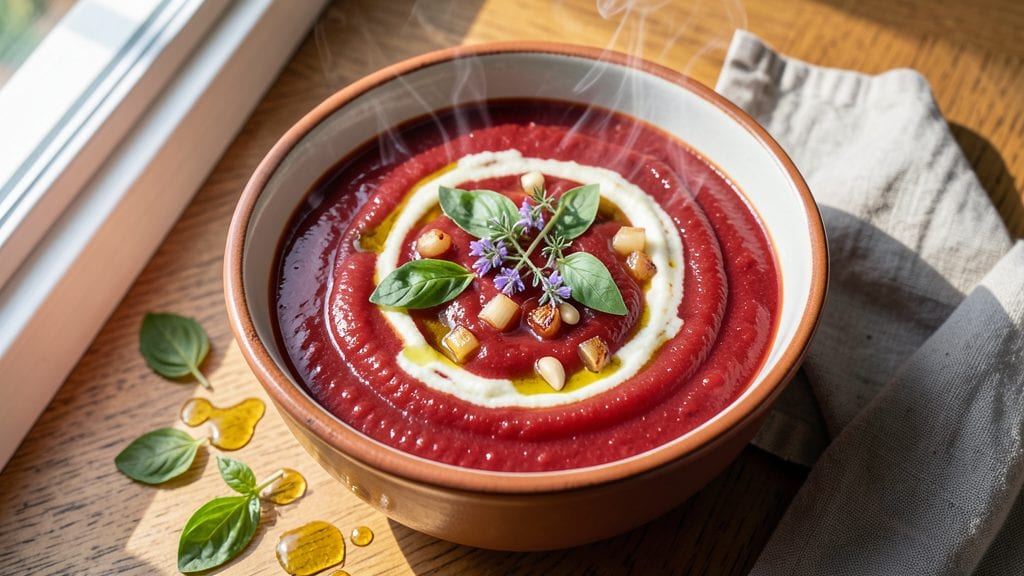
Martha Stewart’s tomato soup recipe transforms simple ingredients into a velvety masterpiece that’s as elegant as it is comforting. The secret lies in a slow simmer that develops deep flavor while keeping the texture impossibly smooth—no lumps, just a luxurious swirl of tomatoes, herbs, and cream.
I’ve perfected this version over years of testing, ensuring every spoonful delivers that perfect balance of sweetness and acidity.
What sets this recipe apart is the fresh herb finish—basil and thyme brighten the soup without overpowering the natural tomato flavor. The onions caramelize slowly for depth, while a touch of cream at the end creates that signature Martha Stewart silkiness.
This isn’t just soup; it’s a restaurant-worthy dish that pairs perfectly with grilled cheese or crusty bread.
Ready in about 45 minutes, this recipe requires just 10 ingredients and one pot, making it ideal for weeknight dinners or holiday gatherings. The key steps—sautéing, simmering, and blending—are straightforward, but the results are anything but basic.
Each bite offers a harmonious blend of rich tomato, aromatic herbs, and velvety smoothness that feels indulgent yet balanced.
Serve it warm with a sprinkle of Parmesan and fresh basil for that final touch of sophistication. The leftovers reheat beautifully, so you’ll have extra portions for lunch the next day.
This is the tomato soup recipe that belongs in every cook’s rotation—simple enough for weeknights but impressive enough for company.
Ingredients for martha stewart tomato soup
Ten ingredients, one pot, Martha Stewart's signature velvety tomato soup awaits.
| Ingredient | Amount | Notes |
|---|---|---|
| Extra-Virgin Olive Oil 🫒 | ½ cup | High-quality, fruity variety |
| Yellow Onions 🧅 | 1 whole | Medium size, finely diced |
| Garlic Cloves 🧄 | 4 cloves | Peeled and minced finely |
| Canned San Marzano Tomatoes 🍅 | 28 oz | Crushed by hand or blended |
| Fresh Thyme Sprigs 🌿 | ½ ounce | Leaves only, finely chopped |
| Fresh Basil Leaves 🌿 | ¼ cup | Packed, stems removed |
| Vegetable Broth 💧 | 2 cups | Low-sodium preferred |
| Heavy Cream 🥛 | ½ cup | Full-fat for silkiness |
| Granulated Sugar 🍚 | 1 tbsp | Adjust to taste |
| Diamond Crystal Kosher Salt 🧂 | 1 ½ tsp | Adjust to taste |
| Freshly Ground Black Pepper 🌶️ | ½ tsp | Coarsely ground |
The San Marzano tomatoes are non-negotiable for authentic sweetness and acidity balance. Whole Foods or specialty Italian markets carry the best cans—avoid the watery, pulpy varieties. Fresh thyme and basil from local farmers markets elevate the dish beyond canned herb substitutes. For the onions, yellow with a slight sweetness works best; red onions add bitterness. The extra-virgin olive oil should have a peppery finish—California Early Harvest or Bertolli are reliable choices. Prep all ingredients before starting: dice onions, mince garlic, and measure broth to streamline the process.
No fresh thyme? Dried thyme at one-third the amount works, but fresh leaves infuse better during simmering. Substitute basil with flat-leaf parsley if needed, though flavor will differ slightly. The heavy cream can be swapped for half-and-half for a lighter texture, though the soup won't be as rich. For a dairy-free option, use coconut cream—add a pinch of salt to balance sweetness. The sugar is optional but recommended; raw cane sugar dissolves more smoothly than white granulated. If using canned tomatoes with seeds, strain them for a smoother texture. The vegetable broth should be low-sodium to avoid over-salting the final dish.
This soup reheats beautifully—simmer gently for 3-4 minutes to restore its velvety texture. Store in an airtight container for up to 5 days in the refrigerator or 3 months in the freezer. For freezing, cool completely before portioning into glass containers to prevent absorption of odors. The fresh herbs should be added post-reheating for maximum aroma. Serve immediately with a sprinkle of freshly grated Parmesan and extra basil for that signature Martha Stewart touch. The soup's flavor deepens overnight, making it even more delicious the next day.
Why You'll Love This Recipe
- No-Chop Night: I swear by this recipe on nights when I’d rather sip wine than dice onions. Martha’s version lets you sauté one whole onion (yes, whole) and a few garlic cloves—no precision required. The San Marzano tomatoes do all the heavy lifting, so you’re left with just stirring and simmering.
- Thyme for Magic: That first spoonful of soup? It’s like summer in a bowl, thanks to the thyme and olive oil. The thyme’s bright, earthy notes cut through the sweetness of the tomatoes, and the olive oil adds this silky richness that makes you want to lick the spoon. (I have. Repeatedly.)
- Leftover Gold: This soup only gets better the next day—thicker, deeper, and somehow more comforting. I make a double batch on Sundays, freeze half, and pull it out for lazy Mondays or when unexpected guests show up. It’s my secret weapon for effortless hospitality.
- Budget Bright Spot: San Marzano tomatoes might sound fancy, but they’re actually my go-to budget upgrade. A few cans stretch into multiple meals, and the onions/garlic/thyme cost pennies. For the flavor you get? It’s the closest thing to a gourmet splurge without breaking the bank.
Step-by-step instructions for Martha Stewart's tomato soup
A velvety tomato soup with bright herb notes and perfect balance—this method delivers restaurant-quality results.
Sauté Onions and Garlic for Depth of Flavor
Heat the 0.5 cup extra-virgin olive oil in a large pot over medium heat. Add the 1 whole yellow onions, diced finely, and cook for 5-6 minutes until softened and translucent. You'll notice the onions begin to caramelize slightly at the edges—that's when you know they're ready.
Reduce heat to medium-low and add the 4 cloves garlic cloves, minced finely. Cook for 1-2 minutes until fragrant but not browned. Overcooking garlic turns it bitter, so watch closely. Here's the thing—this aromatic base forms the foundation of the soup's complexity. Don't rush this step, as it develops the soup's rich, savory character.
Build the Tomato Base with Herbs
Pour in the 28 oz canned San Marzano tomatoes, crushing them by hand if they're whole. Add the 0.5 ounce fresh thyme sprigs (leaves only) and 1 tbsp granulated sugar. Stir well to combine, then bring the mixture to a gentle simmer over medium heat. The sugar helps balance the acidity of the tomatoes while enhancing their natural sweetness.
Simmer uncovered for 15-20 minutes, stirring occasionally, until the mixture thickens slightly. You'll see the tomatoes break down and release their juices, creating a rich, concentrated base. This reduction step intensifies the tomato flavor—critical for developing that silky texture we're after. Skim off any foam that rises to the surface during this time to keep the soup clean.
Incorporate Broth and Seasonings
Add the 2 cups vegetable broth and the 1.5 tsp diamond crystal kosher salt. Stir well to combine, then increase heat to medium-high and bring the soup to a boil. Once boiling, reduce heat to medium-low and let it simmer for 10 minutes to allow the flavors to meld. Taste and adjust seasoning—this is where you'll determine if the soup needs more salt or sugar to balance the acidity.
Stir in the 0.5 tsp freshly ground black pepper and the 0.25 cup fresh basil leaves, packed and stems removed. The basil adds a bright, fresh finish that cuts through the richness of the tomatoes. Let the soup simmer for another 5 minutes to infuse the herbs fully. Here's what I do—remove the thyme sprigs after simmering, as they've served their purpose and can become bitter if left too long.
Finish with Cream for Silky Texture
Reduce heat to low and gently stir in the 0.5 cup heavy cream. The cream should warm slowly to maintain its silkiness—this is the moment that matters. If you add it too quickly or over high heat, the cream can curdle. Stir constantly for 2-3 minutes until the soup reaches a velvety consistency. The cream should be fully incorporated, but the soup should still coat the back of a spoon without being overly thick.
Taste again and make any final adjustments to seasoning. The soup should be rich, slightly sweet, and perfectly balanced with acidity and herbs. Serve immediately, garnished with additional fresh basil leaves if desired. This soup tastes even better the next day, as the flavors continue to develop, but it's best enjoyed warm for that comforting, velvety texture.
Pro Tips For Making Martha Stewart Tomato Soup
- Sweat the Onions Slow: Martha’s recipe calls for soft, translucent onions—not browned, not crispy, just sweated until they’re tender enough to disappear into the soup. I used to rush this, and the onions stayed chewy. Instead, cook them over medium-low heat with a splash of water or wine (yes, even if you’re not adding it later) for about 10 minutes. The steam helps them break down without burning.
- Crush Garlic Like a Pro: Fresh thyme sprigs are easy, but garlic? That’s where people mess up. Skip the mincer—it turns garlic into a paste that clumps. Instead, smash the cloves with the flat side of your knife first, then let them sit for 5 minutes before adding. This releases more flavor, and you’ll taste the difference when the soup simmers.
- Dump Tomatoes Cold: I learned this the hard way—adding hot canned tomatoes straight from the pantry to a simmering pot can cause a violent boil-over. Instead, drain the San Marzanos cold (rinse the cans first if you’re worried about acidity) and let them sit in the pot for 2 minutes before stirring. This keeps the soup smooth and prevents a messy kitchen.
- Simmer, Don’t Boil: The recipe says “simmer,” but I’ve seen people crank the heat and end up with a thin, watery mess. Keep it at a gentle bubble—tiny ripples on the surface, not a rolling boil. If it’s too vigorous, reduce the heat or stir more often. This is the thing that matters most for a rich, velvety texture.
Best sauces and condiments for this martha stewart tomato soup
Classic Garlic Bread
No tomato soup is complete without a side of garlic bread—it's the perfect vehicle for soaking up every last drop of that creamy, velvety sauce.
I love using a baguette or sourdough loaf, split lengthwise and generously brushed with a mix of melted butter (about ½ cup) and 4 minced garlic cloves. Toast under the broiler for 3-5 minutes until golden and crisp.
For extra richness, sprinkle with grated Parmesan cheese and fresh parsley before serving. 🥖
Creamy Grilled Cheese
The ultimate pairing for this soup is a Martha Stewart-style grilled cheese sandwich—buttery, crispy, and oozing with melted cheese. Use sourdough bread (about 4 slices) and fill with ½ cup sharp cheddar and ¼ cup Gruyère.
Cook in a butter-basted skillet over medium-low heat until golden brown on both sides. The slight tang of Gruyère complements the soup's sweetness beautifully. Serve with a side of tomato soup for the ultimate comfort food combo. 🧀
Herb-Infused Olive Oil
Elevate your soup with a drizzle of herb-infused olive oil—just combine ¼ cup extra-virgin olive oil, 2 tbsp fresh basil, 1 tbsp fresh thyme leaves, and a pinch of flaky sea salt.
Let it steep for 10 minutes before drizzling over the soup just before serving. This adds a fragrant, aromatic finish that enhances the soup's natural flavors without overpowering them. 🌿
Crispy Croutons
Add texture contrast with homemade croutons—toss ½ cup cubed sourdough with 1 tbsp olive oil, ½ tsp garlic powder, and ¼ tsp salt. Toast in a 375°F oven for 8-10 minutes until golden and crisp.
These croutons stay crunchy even when added to warm soup, providing a satisfying bite. Store extras in an airtight container for up to 3 days. 🥔
Garnish with Parmesan
Finish your bowl with a sprinkle of freshly grated Parmesan cheese—its nutty, umami flavor cuts through the soup's creaminess while adding a luxurious touch. Use a microplane for the finest texture, and grate about 2 tbsp per serving.
For a smoky twist, try Pecorino Romano instead. Always grate just before serving to preserve freshness. 🧀✨
Spicy Pepper Flakes
For a kick of heat, add a pinch of crushed red pepper flakes (about ½ tsp) to each bowl. The subtle spice enhances the soup's depth without overpowering its delicate flavors.
If you prefer a milder heat, try smoked paprika for a subtle smokiness. Always add these garnishes at the table so guests can adjust to their preference. 🌶️
Nutrition facts
Frequently asked questions
Can I make this tomato soup without cream?
For a lighter version, replace the 0.5 cup heavy cream with 0.5 cup whole milk or 0.25 cup coconut cream (for dairy-free). The texture will be slightly thinner but still velvety. To compensate, simmer the soup 5 minutes longer to thicken naturally. The fresh herbs will still shine through!
Why does my soup turn out chunky instead of silky?
The key is blending! After simmering the tomatoes and broth, use an immersion blender to puree the soup until completely smooth. For extra silkiness, strain through a fine-mesh sieve after blending. Never skip the low-and-slow simmer—rushing this step creates a thicker, less refined texture.
How can I make this soup ahead of time?
This soup actually tastes better the next day! Let it cool completely, then store in an airtight container in the fridge for up to 5 days. Reheat gently on low heat (or microwave with a splash of water) until warmed through. Add fresh basil and a drizzle of cream just before serving to restore that velvety finish.
What's the best way to store leftovers?
For maximum freshness, divide leftovers into glass containers and refrigerate for up to 5 days. Freeze portions in single-serving containers for up to 3 months. When reheating from frozen, thaw overnight in the fridge first, then warm gently on low heat with a splash of broth to restore moisture. Never microwave directly from frozen.
Can I use fresh tomatoes instead of canned?
Fresh tomatoes work but require extra prep! Use 4 large ripe tomatoes (about 2 lbs) and roast them at 400°F for 20 minutes to concentrate their flavor. Peel, seed, and blend before adding to the soup. You'll need about 1 cup of fresh tomato puree to replace the canned version. The roasting step is crucial for developing that deep, caramelized tomato taste.