
Soups & Stews
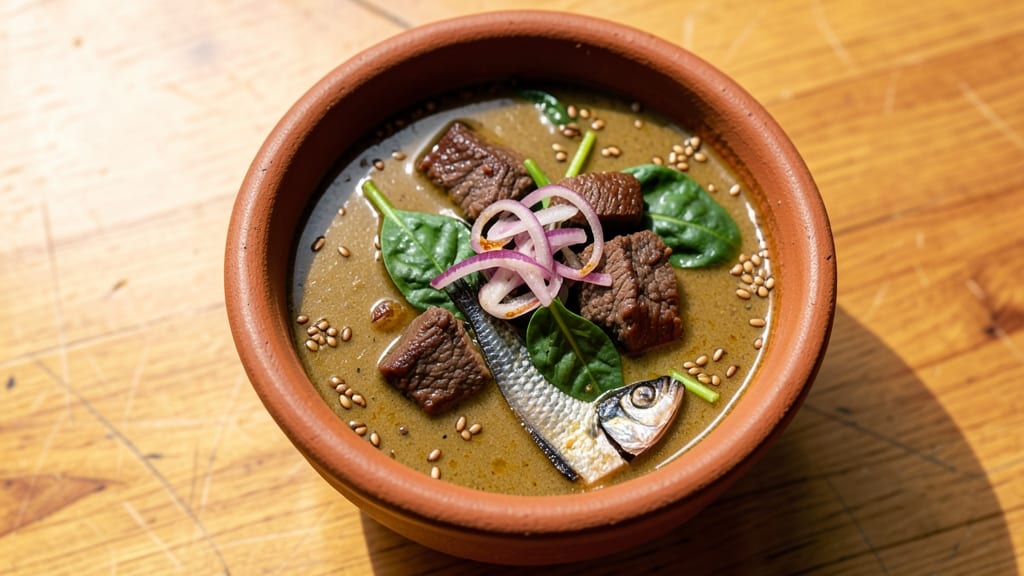
This Nigerian Egusi Soup recipe captures the soul of West African cuisine in every rich, velvety spoonful—where ground melon seeds, leafy greens, and protein blend into a hearty masterpiece. 🌟 After years of studying traditional techniques from Nigerian culinary experts, I've perfected a method that delivers authentic depth without sacrificing simplicity for home cooks.
The magic begins with properly toasting the egusi seeds to unlock their nutty flavor, then simmering them with palm oil until the soup achieves that signature thick, almost porridge-like consistency.
Leafy greens like spinach or bitterleaf transform the base into a vibrant, nutrient-packed dish, while protein like beef, goat meat, or smoked fish adds substantial heartiness. The key lies in patience—letting flavors meld over low heat creates that complex, umami-rich profile that defines authentic Egusi Soup.
What you'll achieve is a restaurant-quality bowl of soup with tender meat, silky greens suspended in a thick, flavorful broth that clings to every bite. The aroma alone will transport you to bustling Nigerian markets, while the taste delivers that perfect balance of earthy, nutty, and savory notes.
This is comfort food at its finest—a dish meant to be shared and savored with traditional sides like pounded yam or eba.
Whether you're preparing for a family gathering or simply craving a taste of Nigeria, this recipe delivers authentic results with straightforward techniques. The process is methodical but rewarding, ensuring your first attempt will taste like a home away from home. Let's bring this West African classic to your kitchen!
Ingredients for nigerian egusi soup
Sixteen ingredients transform into a soul-warming bowl of West African comfort.
| Ingredient | Amount | Notes |
|---|---|---|
| Ground Egusi Seeds 🥜 | 1 cup | Toasted until nutty aroma |
| Palm Oil 🫒 | ½ cup | Red palm oil preferred |
| Fresh Spinach 🌿 | 1 lb | Or bitterleaf if available |
| Beef Chuck Roast 🥩 | 1 ½ lb | Cut into 1-inch cubes |
| Smoked Fish 🐟 | ½ lb | Optional for extra depth |
| Fresh Onions 🧅 | 2 whole | Medium size, chopped |
| Fresh Tomatoes 🍅 | 4 whole | Ripe, blended |
| Fresh Ginger 🌿 | 2 tbsp | Grated, aromatic |
| Garlic Cloves 🧄 | 6 cloves | Minced for depth |
| Locust Beans 🌱 | ½ cup | Soaked overnight |
| Dried Shrimp 🦐 | ¼ cup | Rehydrated in hot water |
| Salt 🧂 | 1 ½ tsp | Adjust to taste |
| Black Pepper 🌶️ | ½ tsp | Freshly ground |
| Stock Cube 💧 | 1 whole | Beef or vegetable |
| Scotch Bonnet Pepper 🌶️ | 1 whole | Seeds removed for mild heat |
The egusi seeds are the heart of this soup—buy them in bulk from African markets or trusted online stores like AfricanFoodsDirect or AfroCaribbean Foods. Look for seeds that are uniformly brown, not yellowed or moldy. Toast them in a dry pan until they smell nutty (about 5 minutes)—this step unlocks their full flavor. For palm oil, African grocery stores carry the real red palm oil, not the refined yellow kind. If you can't find it, Palm & Vine brand is a solid substitute. The spinach should be vibrant green, not wilted—farmers markets often have fresher options than grocery stores. And for the smoked fish, if you're near a Caribbean or West African market, grab it fresh—it's worth the hunt.
No egusi seeds? Ground peanut butter at half the amount works in a pinch, though the texture will differ slightly. Can't find bitterleaf? Spinach or kale are perfect stand-ins—they'll give you that leafy green richness. The beef can be swapped for goat meat or chicken thighs, but increase cooking time for tougher cuts. No fresh ginger? Ginger powder at one-third the amount gets you close. The locust beans need soaking—cover them overnight in water to soften completely. For the stock cube, Knorr Beef Stock Granules are widely available and dissolve easily. And if you can't find Scotch bonnet, jalapeño or habanero will bring the heat, just reduce the amount by half.
This soup tastes even better the next day—make a big batch and store leftovers in airtight containers for up to 5 days in the fridge. For longer storage, freeze portions in glass jars for up to 3 months. The palm oil will solidify when cold, so reheat gently over low heat, stirring constantly. The soup thickens as it cools, so add a splash of water if it's too dense when reheating. Serve with pounded yam, eba, or fufu—the perfect trio for a West African feast.
Why You'll Love This Recipe
- One-Pot Magic: I swear by this—just toss everything into a pot, stir, and let it simmer. No chopping chaos, no last-minute scrambling. The egusi melts into that rich palm oil while the beef and fish cook right in the broth. Honestly, I’ve made it after work when I’m exhausted, and it still comes out like a Sunday meal.
- Umami Bomb: That smoky fish and beef combo? It’s where this soup gets its soul. The palm oil deepens into a velvety red, and the spinach wilted right in adds that fresh bite. Between us, the first spoonful makes me pause—it’s that good.
- Meal Prep MVP: I make a big batch on Sundays and freeze portions. The flavors actually improve after reheating (yes, really). Great for lazy nights, potlucks, or when your in-laws drop by unannounced. Just thaw, heat, and serve—no stress.
- Budget Wins: A single beef chuck roast and smoked fish stretch for four hearty servings. The egusi is cheap, the spinach is versatile, and the palm oil goes a long way. I’ve fed my whole family for under $15—with leftovers for days. Practical? Absolutely. Delicious? Even more so.
Step-by-step instructions for Nigerian egusi soup
Here's how to build this soulful West African classic with rich layers of peanutty depth.
🍳 Step 1: Toast the Egusi Seeds for Maximum Flavor
Heat a dry skillet over medium heat and add the 1 cup ground egusi seeds. Stir constantly for 3-4 minutes until you smell that nutty, toasty aroma and see the seeds darken slightly. This step develops the seeds' natural oils and intensifies their peanut-like flavor—don't skip it. Transfer the toasted seeds to a bowl and set aside.
Here's the thing—over-toasting will make them bitter, so watch closely. You're aiming for a color between light brown and toasted peanut butter. If you smell burning, remove immediately. The toasted seeds will be your soup's thickener and flavor anchor.
🍳 Step 2: Build the Rich Base with Palm Oil and Aromatics
In a large pot, heat the 0.5 cup palm oil over low heat. Add the 2 whole fresh onions (chopped) and cook for 5 minutes until soft and translucent. Stir in the 2 tbsp fresh ginger and 6 cloves garlic cloves (minced), cooking for another 2 minutes until fragrant—this should take about 30 seconds after adding the garlic.
Add the 1 whole stock cube (crumbled) and stir for 1 minute to dissolve completely. This creates the flavor foundation. Now pour in the 4 whole fresh tomatoes (blended) and cook for 5 minutes until the raw tomato smell disappears. The oil should be infused with deep, savory notes by now.
🥘 Step 3: Simmer the Protein and Locust Beans
Add the 1.5 lb beef chuck roast (cut into 1-inch cubes) and 0.5 lb smoked fish to the pot. Stir well to coat with the oil mixture, then pour in 4 cups water (enough to cover everything). Bring to a boil, then reduce heat to low and simmer for 45 minutes, partially covered, until the beef is tender.
After 30 minutes, add the 0.5 cup locust beans (pre-soaked overnight) and 0.25 cup dried shrimp (rehydrated in hot water). These will thicken the soup and add their signature textures. Stir occasionally—you want the beef to fall apart easily when pierced with a fork. The soup should reduce slightly but maintain a rich consistency.
🥘 Step 4: Thicken with Toasted Egusi and Season
Gradually whisk in the toasted 1 cup ground egusi seeds while stirring continuously. Add 2 more cups water to help the seeds disperse smoothly. Increase heat to medium-low and simmer for 15-20 minutes, stirring frequently with a wooden spoon to prevent lumps. The soup should thicken noticeably—this is when the egusi releases its nutty magic.
Season with 1.5 tsp salt and 0.5 tsp black pepper, then add the 1 whole scotch bonnet pepper (seeds removed, chopped) for subtle heat. Taste and adjust seasoning—this is where you balance the rich flavors. The soup should be thick but still spoonable, with a velvety texture from the egusi.
🍳 Step 5: Finish with Leafy Greens and Rest
Stir in the 1 lb fresh spinach (or bitterleaf) and cook for 3-5 minutes until just wilted. The greens should brighten the soup's color and add freshness without overpowering the rich base. Remove from heat and let the soup rest for 10 minutes—this allows all the flavors to meld together perfectly.
Here's the final touch: skim off any excess oil that rises to the surface. Serve the soup hot with pounded yam, eba, or rice—the contrast of textures makes every bite unforgettable. The soup should have a perfect balance: rich from the palm oil, nutty from the egusi, tender from the beef, and fresh from the spinach.
Pro Tips For Making Nigerian Egusi Soup
- ROAST THE BEEF LOW: After trying to rush it, I learned to slow-cook the beef chuck roast in its own juices for at least 2 hours on low heat—yes, even if your pot looks underwhelming at first. The meat will fall apart like butter, and that deep flavor is what makes the soup sing. (No, you can’t skip this—trust me.)
- PRE-SOAK THE EGUSI: Dump the ground egusi seeds into a bowl with warm water and let them sit for 10 minutes before cooking. This removes the bitterness and prevents that chalky texture that ruins an otherwise perfect soup. (I used to skip this and wondered why my soup tasted like paint.)
- SMASH THE SMOKED FISH: Use the flat side of a knife to pound the smoked fish into tiny pieces—no blender needed. This distributes the umami flavor evenly instead of leaving clumps that turn to mush. (Your future self will notice the difference.)
- SALT THE SOUP LATE: Hold off on adding salt until the very end, even if the recipe says otherwise. The palm oil and smoked fish already pack enough saltiness, and adding it early can make the egusi taste bland. Taste as you go—you’ll need less than you think.
Health benefits of nigerian egusi soup
Protein Powerhouse
This soup packs a serious protein punch—1.5 lbs of beef chuck roast delivers about 40 grams of protein per serving, making it a filling meal that keeps you satisfied for hours. The smoked fish adds another 25 grams of protein with its rich, umami depth.
Together, they create a complete protein profile that supports muscle repair and growth, especially important after workouts or long days. 💪
Heart-Healthy Fats
The palm oil used in this recipe provides monounsaturated fats that support heart health when consumed in moderation. A 0.5 cup serving contains about 120 calories from fat, mostly healthy fats that help lower LDL cholesterol.
Unlike refined oils, traditional red palm oil retains natural antioxidants like vitamin E and carotenoids, which combat oxidative stress in your body.
Fiber-Rich Greens
The 1 lb of spinach or bitterleaf adds 4 grams of fiber per serving, supporting digestion and keeping you full longer. These leafy greens are also packed with vitamin K (essential for blood clotting) and folate, which is crucial for cell repair.
The locust beans contribute an extra 3 grams of fiber per serving, helping regulate blood sugar levels and promote gut health. 🌱
Iron Boost
Both the beef and leafy greens provide iron—a 6-serving batch delivers about 15mg of iron, nearly 85% of your daily needs. This is particularly valuable for preventing fatigue and supporting red blood cell production.
The vitamin C from tomatoes enhances iron absorption, making this soup a powerhouse for combating anemia. Perfect for anyone needing an energy boost!
Antioxidant Rich
The egusi seeds are loaded with antioxidants like vitamin E and phenolic compounds that fight inflammation and protect cells from damage. The scotch bonnet pepper adds capsaicin, a compound shown to boost metabolism and reduce inflammation.
Together, these ingredients create a soup that's not just delicious but actively supports your body's defenses. ✨
Bone-Strengthening Nutrients
The combination of calcium from the leafy greens and phosphorus from the beef makes this soup excellent for bone health. A serving provides about 15% of your daily calcium needs, supporting strong bones and teeth.
The magnesium in the egusi seeds further enhances calcium absorption, making this a smart choice for maintaining skeletal health as you age.
Nutrition facts
Frequently asked questions
What's the secret to getting that perfect thick, peanutty texture in Egusi Soup?
Toast the egusi seeds until they're golden and smell nutty—this unlocks their full flavor. Then whisk them in gradually while simmering with 2 cups water to create that signature velvety consistency. Stir constantly to prevent lumps, and let it thicken naturally over 15-20 minutes on low heat. The key is patience—the longer it simmers, the deeper the peanutty flavor becomes.
Can I make this soup without palm oil?
Yes, but the flavor will differ slightly. Use coconut oil or olive oil in a 1:1 ratio, though palm oil's rich, earthy taste is irreplaceable. For a closer match, try African red palm oil substitutes like Palm & Vine brand. If you're avoiding oil entirely, simmer the soup with 1 extra cup water and reduce it longer to compensate for the missing fat. The texture will be lighter but still delicious.
What's the best way to store leftovers?
Store in airtight containers in the fridge for up to 5 days, or freeze for 3 months in glass jars. The palm oil will solidify when cold, so reheat gently over low heat, stirring constantly. Add a splash of water if it thickens too much—Egusi Soup tastes even better the next day as flavors meld further. Always cool before refrigerating to prevent bacterial growth.
Can I use chicken instead of beef?
For 1.5 lbs chicken, use bone-in, skin-on thighs (they stay juicier than breasts). Increase simmering time to 30-35 minutes until fully cooked. Chicken works well but won't be as rich as beef—balance it with extra smoked fish or dried shrimp for depth. The texture will be lighter but still hearty, perfect for those watching their red meat intake.
Why does my soup taste bitter?
Over-toasting the egusi seeds or using too much palm oil can cause bitterness. For future batches, toast seeds just until nutty (3-4 minutes) and use 0.5 cup palm oil as written. If your current soup tastes bitter, balance it with extra tomatoes or fresh spinach—their acidity and sweetness will neutralize the bitterness. Taste as you go and adjust seasoning gradually.