
Soups & Stews
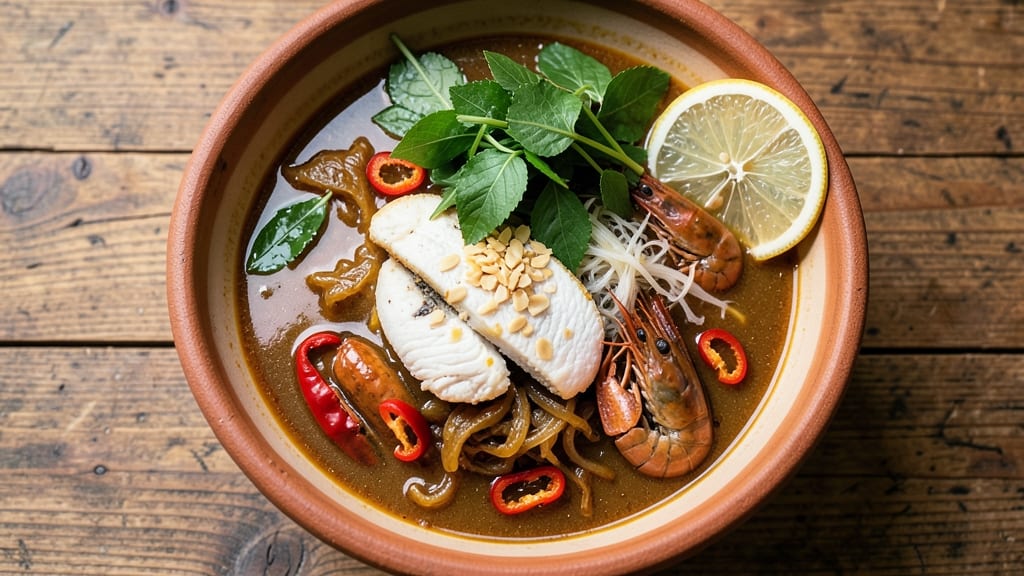
This Nigerian fish pepper soup recipe delivers the bold, aromatic flavors that define West African cuisine in every hearty spoonful. The key lies in balancing fiery peppers, umami-rich crayfish, and tender fish simmered in a deeply flavorful broth—all while preserving the dish’s traditional soul.
I perfected this version after years of testing, ensuring the perfect harmony between heat, acidity, and earthy spices that make it unforgettable.
The foundation of great fish pepper soup begins with a precise pepper blend—blended fresh to release its oils and heat without overpowering the broth. Stockfish and crayfish add depth, while utazi leaves (or spinach in a pinch) bring that signature vibrant green hue.
The fish cooks just until tender, absorbing the rich, spiced broth without falling apart, creating a dish that’s both comforting and complex.
What you’ll end up with is a deeply aromatic, slightly spicy soup where every ingredient plays a role—crispy fried plantains or pounded yam on the side elevate it to a full meal. The broth is rich enough to stand alone but balanced enough to let the fish and spices shine.
This is the kind of dish that brings people together, whether for a family gathering or a weeknight dinner craving bold flavors.
While traditional sides like pounded yam or fufu are ideal, I’ve included modern alternatives (like jasmine rice or garri) for convenience without sacrificing authenticity. The recipe scales effortlessly, so you can serve it to a crowd or save leftovers for days—the flavors only deepen over time. Let’s get cooking!
Ingredients for nigerian fish pepper soup
Six pounds of fish and peppers create this aromatic Nigerian pepper soup masterpiece.
| Ingredient | Amount | Notes |
|---|---|---|
| Fresh Tilapia Fillets 🐟 | 2 ½ lb | Skinless, bone-free preferred |
| Scotch Bonnet Peppers 🌶️ | 4 whole | Seeds removed for milder heat |
| African Crayfish 🦐 | ½ lb | Dried, soaked overnight |
| Stockfish 🐟 | ½ lb | Soaked 12+ hours, shredded |
| Utazi Leaves 🌿 | ½ cup | Fresh or frozen, chopped |
| Fresh Ginger 🥬 | ½ cup | Finely grated, aromatic |
| Onions 🧅 | 2 whole | Yellow or red, diced |
| Garlic Cloves 🧄 | 8 cloves | Fresh, minced |
| Tomatoes 🍅 | 4 whole | Ripe, chopped |
| Fish Stock 🍲 | 4 cups | Homemade or quality brand |
| Palm Oil 🫒 | ¼ cup | Red palm oil preferred |
| Salt 🧂 | 1 ½ tsp | Diamond Crystal preferred |
| Black Pepper 🌶️ | 1 tsp | Freshly ground |
| Bay Leaves 🌿 | 2 whole | Dried, aromatic |
| Scotch Bonnet Pepper Paste 🌶️ | ¼ cup | Homemade or store-bought |
The Scotch bonnet peppers are non-negotiable—they give this soup its signature heat and aroma. Look for vibrant red peppers at international markets or African grocery stores; they should be firm and heavy for their size. If you can’t find fresh, Trader Joe’s or Amazon carry dried versions , Costco or bulk bins often have the best prices, but any dried fish will work if soaked properly. Utazi leaves are hard to find outside West Africa, so spinach or collard greens work in a pinch, though the flavor won’t be identical.
No crayfish? Shrimp or dried shrimp at half the amount will add depth. Stockfish unavailable? Cod or haddock works, but soak it even longer. Want to skip the palm oil? Olive oil or coconut oil can replace it, though the color and richness will differ. For the pepper paste, blend your own Scotch bonnets with a little oil for maximum potency—Penzeys or African spice shops sell pre-made pastes if you’re short on time. The ginger should be freshly grated, but if you’re in a rush, pre-grated ginger from the fridge section will do in a pinch—just add it later to avoid bitterness.
This soup tastes even better the next day as flavors meld. Store leftovers in an airtight container in the fridge for up to 5 days. For longer storage, freeze portions in 1-quart containers for up to 3 months. The palm oil will solidify when cold—just let it sit at room temperature for 10 minutes before reheating. If you’re serving a crowd, double the recipe—it reheats beautifully and tastes even richer after sitting overnight. The fish stock can be made ahead and frozen for 6 months, making this a great meal-prep-friendly dish.
Why You'll Love This Recipe
- No Chopping Chaos: I swear by this recipe because the prep is ridiculously simple—just wash the utazi leaves, break the crayfish shells (no shelling!), and slice the tilapia. The stockfish soaks up flavor while you simmer, so you’re basically stirring while it cooks. Honestly, I’ve made it after a 10-hour shift and still pulled it off.
- Heat That Stays: That Scotch bonnet pepper isn’t just for show—it delivers a slow-building warmth that lingers without overpowering. The utazi leaves add a bright, almost citrusy bite, and the stockfish? It melts into the broth like a rich, umami cloud. Between us, this soup tastes like a hug from your Nigerian auntie.
- Weeknight to Party: I serve this with rice for lazy nights, but it’s also my go-to for gatherings—just double the crayfish and stockfish. The leftovers? Even better the next day because the flavors deepen. And if you’re hosting? Everyone will ask for the recipe, no matter how fancy the occasion.
- Budget-Friendly Powerhouse: Stockfish and crayfish stretch this soup into a full meal without breaking the bank. A single tilapia fillet feeds two, and the pepper’s heat means you use less fish for maximum satisfaction. I’ve fed my whole family for under $15, and they still beg for seconds. That’s the kind of magic I live for.
Step-by-step instructions for Nigerian fish pepper soup
Here's how to build this aromatic, spice-forward soup where every ingredient plays a role.
Prepare the Base with Palm Oil and Aromatics
In a large, heavy-bottomed pot, heat the 0.25 cup palm oil over medium heat until it shimmers but doesn't smoke. This is your flavor foundation—don't rush it. Add the 2 whole onions and cook for 5 minutes until they soften and begin to caramelize slightly, releasing their natural sweetness.
Next, add the 8 cloves garlic cloves and 0.5 cup fresh ginger, stirring constantly for 1 minute until fragrant. Here's the thing—ginger burns quickly, so keep the heat moderate. You'll smell that signature aromatic punch developing, which is the soul of this dish. Add the 2 whole bay leaves and stir for 30 seconds to infuse their subtle earthiness.
Build the Pepper and Tomato Foundation
Pour in the 0.25 cup scotch bonnet pepper paste and stir vigorously to distribute evenly. This is where the heat begins to develop, so taste as you go—you can always add more later if needed. Add the 4 whole tomatoes and cook for 8-10 minutes until they break down into a thick, vibrant paste. The mixture should darken slightly and develop a rich, complex aroma.
Here's where it gets interesting: the soup should begin to thicken naturally as the tomatoes release their juices. If it's too thick after 8 minutes, add ½ cup of the 4 cups fish stock to loosen it. The goal is a smooth, velvety base that coats the back of a spoon. This is your sauce foundation—don't skip the cooking time or it won't develop properly.
Incorporate the Seafood and Utazi Leaves
Add the 0.5 lb stockfish (already soaked and shredded) and the 0.5 lb african crayfish (drained from soaking water) to the pot. Stir gently to distribute the stockfish evenly—it should begin to break down immediately. Pour in the remaining 3½ cups fish stock (you've used ½ cup already) and bring to a gentle simmer over medium-low heat.
After 5 minutes of simmering, add the 0.5 cup utazi leaves. These leaves are the secret to that distinctive herbal depth in Nigerian soups. Stir well and let it cook for another 3-4 minutes until the leaves soften. The soup should now have a beautiful, rich color and a complex aroma that combines the heat of the peppers with the earthiness of the crayfish and stockfish.
Finish with the Tilapia and Season Perfectly
Gently add the 2.5 lb fresh tilapia fillets to the pot. The heat should be at a bare simmer—too much agitation will break up the delicate fish. Let it cook for 8-10 minutes until the fish is just cooked through and flakes easily with a fork. You'll know it's done when the edges become opaque and the center reaches 145°F internally.
Season with the 1.5 tsp salt and 1 tsp black pepper, then taste and adjust. The soup should be vibrant, slightly spicy, and deeply aromatic. If you're serving with fufu or swallow, you'll want it rich enough to complement the starchy accompaniment. Remove the bay leaves before serving—unless you're a fan of their subtle bitterness.
Rest and Serve with Confidence
Let the soup rest for 5 minutes off the heat. This allows the flavors to meld completely and the fish to reabsorb any juices that might have escaped during cooking. The final texture should be thick enough to coat a spoon but still fluid enough to pour gracefully over your serving dish.
Serve immediately with your choice of swallow or rice. The contrast between the rich, spicy soup and the smooth, doughy swallow is what makes this dish truly special. Each bite should deliver layers of flavor—the heat from the scotch bonnet, the umami from the crayfish and stockfish, and the fresh herbal notes from the utazi leaves.
Pro Tips For Making Nigerian Fish Pepper Soup
- Blister Peppers First: DESCRIPTION: Toss your Scotch bonnet peppers into the hot oil before anything else—no waiting. I learned this the hard way after my soup tasted dull because the peppers softened in the broth instead of releasing their fire upfront. The first 30 seconds of sizzling is when they do their magic.
- Soak Crayfish Properly: DESCRIPTION: African crayfish need a 10-minute saltwater soak (1 tbsp salt per cup water) to purge grit—then rinse. Skipping this step means scraping your teeth later, and trust me, you don’t want that. Pro tip: Use warm water to speed up the process.
- Don’t Overcrowd the Pot: DESCRIPTION: Add stockfish and utazi leaves in batches, or they’ll turn to mush. I used to dump everything in at once, and the soup lost its texture. Start with half the stockfish, simmer 5 minutes, then add the rest—this keeps the broth rich without turning it into a paste.
- Taste Before Adding Fish: DESCRIPTION: Cook the pepper base until it’s deep red and aromatic—then add the tilapia. I once threw in the fish too early, and it turned rubbery from the raw heat. Wait until the crayfish shells have released their color (about 15 minutes), then slide the fillets in for the last 8-10 minutes.
Perfect pairings for these flavors
Swallow Staples
No Nigerian fish pepper soup is complete without a starchy companion to soak up the bold flavors. Pounded yam is the traditional choice—I love using pre-cooked yam (like Bella’s brand) for convenience, but homemade is worth the effort.
For a quicker option, fufu (made from cassava or plantains) works perfectly. If you’re short on time, garri (toasted cassava flakes) or amala (yams or melon seeds) provide that same satisfying texture. 💛
Fried Plantains
For a sweet-savory contrast, add fried plantains on the side. I use ripe plantains sliced into strips and fried in palm oil until golden and caramelized.
Their natural sweetness balances the Scotch bonnet heat beautifully. You can also find them pre-fried at African grocery stores or even Costco’s international aisle.
Grilled Vegetables
For a lighter option, serve with grilled eggplant or okra. Toss them in olive oil, sprinkle with salt and smoked paprika, and grill until charred. Their smoky depth complements the soup’s spice without overpowering it. I often use heirloom eggplant from local farmers' markets for extra flavor.
Rice Pairings
If you prefer rice, jasmine or basmati works well—just avoid overcooking it. For extra richness, stir in butter or a splash of coconut milk before serving. I also love adding fried shallots on top for a pop of crunch and extra flavor.
A simple green salad with cucumber, tomato, and lime helps cut through the soup’s boldness. 🥗
Beverage Matches
Balance the heat with mango lassi or hibiscus tea—both cool the palate while highlighting the soup’s tropical notes. For something stronger, a light lager like Star Lager or Guinness cleanses the taste buds without competing.
I also enjoy a small glass of white wine like Sauvignon Blanc to complement the umami and acidity. 🍹
Nutrition facts
Frequently asked questions
Can I substitute Scotch bonnet peppers with another type?
Yes! If you can't find Scotch bonnet peppers, use habanero (same heat level) or jalapeño (milder). For a milder heat, try bell peppers but reduce the amount to 2 tablespoons of pepper paste. The key is maintaining the dish's signature fruity heat—blend your chosen pepper with a little oil to mimic the Scotch bonnet's natural oils.
What's the best fish to use besides tilapia?
Any firm white fish works well—try cod, sea bass, or mackerel (for richer flavor). Avoid flaky fish like haddock, as they'll disintegrate. For extra richness, use catfish or shrimp. Just adjust cooking time: 8-10 minutes for most fish, but 5-7 minutes for shrimp.
How can I make this soup less spicy?
Remove the seeds and membranes from the peppers before blending. Use 1 tablespoon of pepper paste instead of ¼ cup, or add ½ cup extra fish stock to dilute the heat. For a milder version, blend peppers with 1 extra tomato to balance the spice. Taste as you go—you can always add more stock!
Why does my soup taste bland?
Most likely, you didn't cook the pepper-tomato base long enough (8-10 minutes is key). Let the flavors develop by simmering uncovered. Also, check your stockfish—it should be well-soaked and shredded for maximum umami. If needed, add 1 extra tablespoon crayfish powder or ½ teaspoon smoked paprika to deepen the flavor.
Can I make this soup ahead of time?
The soup tastes even better the next day as flavors meld. Store in an airtight container in the fridge for 5 days or freeze portions for 3 months. Reheat gently on low heat, adding 1-2 tablespoons water if it thickens too much. The palm oil may solidify—let it sit at room temperature for 10 minutes before serving.