
Soups & Stews
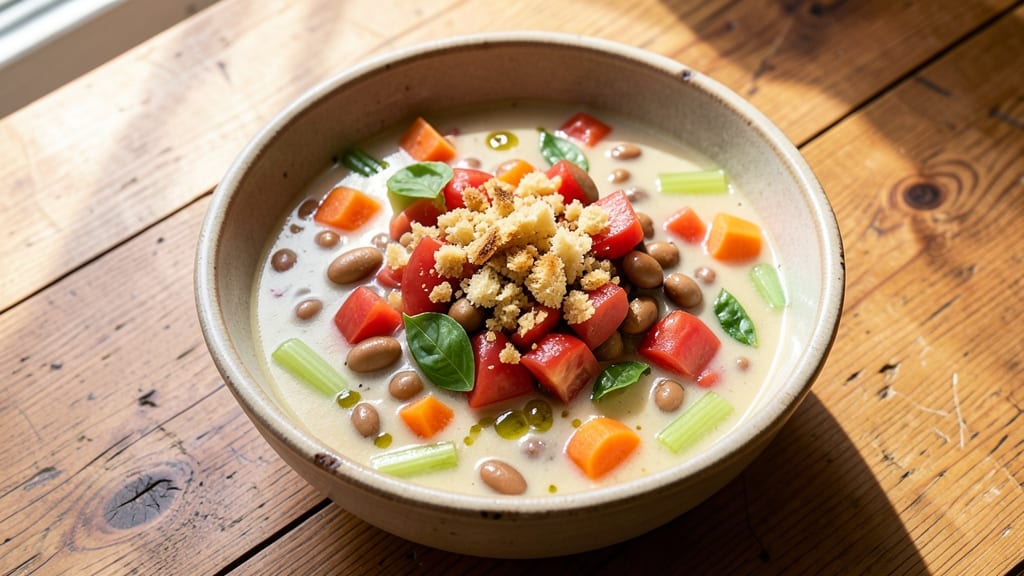
Nonna’s minestrone soup recipe is the kind of dish that feels like a warm embrace on a chilly evening, blending rustic Italian tradition with simple, wholesome ingredients.
The secret lies in the slow simmering of vegetables, beans, and pasta in a rich tomato broth, creating a hearty, comforting bowl that tastes like home.
I grew up hearing stories of my nonna stirring this soup on the stove for hours, filling the kitchen with an aroma that made everything feel right in the world.
What makes this recipe special is its adaptability—whether you use canned beans for convenience or fresh vegetables from the garden, the soul of the dish remains the same.
The key steps are sautéing onions and carrots until they soften, adding garlic and herbs for depth, then letting everything simmer together until flavors meld into a harmonious broth. The pasta and beans absorb the rich, savory liquid, turning each spoonful into a symphony of textures and tastes.
By the time you serve this soup, you’ll have a steaming bowl of nostalgia and nutrition, with tender vegetables, al dente pasta, and a broth so flavorful it’ll have everyone asking for seconds. The beauty of minestrone is in its simplicity—no fancy techniques, just good ingredients and patience.
This is the kind of recipe that improves with time, growing richer as it simmers, and leaves your kitchen smelling like a true Italian nonna’s kitchen.
Perfect for family dinners, potlucks, or cozy weeknight meals, this minestrone is a testament to how simple ingredients can create something extraordinary. Garnish with fresh basil or grated Parmesan for that final touch of authenticity, and you’ll have a dish that feels like a hug in every bite.
Let’s get cooking!
Ingredients for nonna's minestrone soup
Simple ingredients create this comforting Italian bowl of goodness every time.
| Ingredient | Amount | Notes |
|---|---|---|
| Dried White Beans 🌿 | 2 cups | Canned or dried, rinsed |
| Onions 🧅 | 2 whole | Yellow or sweet, diced |
| Carrots 🥕 | 3 cups | Chopped, peel optional |
| Celery Sticks 🌱 | 3 whole | Chopped, for depth |
| Garlic Cloves 🧄 | 6 cloves | Minced, aromatic base |
| Canned Diced Tomatoes 🍅 | 2 cans | No salt added preferred |
| Vegetable Broth 💧 | 6 cups | Low sodium for control |
| Pasta 🍝 | 1 lb | Small shapes like ditalini |
| Fresh Basil Leaves 🌿 | ½ cup | Packed, for garnish |
| Parmesan Cheese 🧀 | ½ cup | Freshly grated, optional |
| Olive Oil 🫒 | ¼ cup | Extra-virgin for richness |
| Salt 🧂 | 1 tsp | Kosher or sea salt |
| Black Pepper 🌶️ | ½ tsp | Freshly ground preferred |
| Dried Oregano 🍃 | 1 tsp | For authentic flavor |
The beans are the heart of this soup—canned canned beans save time, but dried beans soaked overnight add better texture. I always grab Great Northern or Cannellini from Trader Joe's—they hold up better than pintos. The carrots and celery should be chopped evenly so they cook together, not one before the other. For the onions, yellow or sweet work, but don't skip the celery—it's what gives minestrone its depth. The garlic gets minced fine, not chopped, so it infuses the broth better.
No fresh basil? Dried oregano at half the amount keeps the Italian vibe. Short on tomatoes? Tomato paste plus extra broth works in a pinch. Want to stretch this further? Add zucchini or spinach at the end. The pasta should be al dente—don't overcook it or it'll turn mushy. For the Parmesan, freshly grated from a block is best, but pre-shredded works if you're in a hurry (just skip the anti-caking agents).
This soup tastes even better the next day—flavors meld beautifully as it sits. Keeps 5 days in the fridge, freezes 3 months (without the pasta). I portion mine into containers so lunches are sorted for the week. The broth can be made ahead and frozen separately—just add it back in when cooking. Garnish with basil and cheese right before serving, or it'll get soggy.
Why You'll Love This Recipe
- Throw-in-the-Bag Easy: I swear by this—just toss dried beans, chopped veggies, and garlic into a pot, add broth, and let it simmer. No fancy prep, no stress. The beans soften while you chop the carrots and celery, and by the time you’re done, the soup’s already halfway there.
- Garlic-Kissed Depth: That first bite of caramelized onions and garlic? It’s chef’s kiss. The dried beans soak up all the flavor, turning them tender but never mushy, while the celery adds a fresh crunch that cuts through the richness. Honestly, I’ll take this over any takeout soup.
- Leftovers That Beg: This soup only gets better the next day—if there is a next day, because it disappears fast. I make a double batch on Sundays, and by Wednesday, I’m reheating it with fresh bread, no complaints. (Yes, even on a Tuesday night.)
- Pantry Magic: No last-minute grocery runs needed. You’re probably already using these ingredients—onions, carrots, celery, garlic—so this recipe just turns your staples into something hearty. Budget-friendly? Absolutely. Reliable? Even more so.
Step-by-step instructions for Nonna's minestrone soup
Here's how to build Nonna's classic minestrone from scratch—rich, hearty, and packed with vegetable goodness.
Sauté the Vegetable Base
Heat the 0.25 cup olive oil in a large pot over medium heat. Add the 2 whole onions and 3 whole celery sticks, chopped, along with the 3 cups carrots, also chopped. Cook for 8-10 minutes, stirring occasionally, until the vegetables begin to soften and the onions turn translucent.
Here's the thing—don't rush this step. You want the vegetables to develop some color and start releasing their natural sweetness. If you notice the onions browning too quickly, reduce the heat slightly. This is the flavor foundation for your entire soup.
After the vegetables have softened, add the 6 cloves garlic cloves, minced, and the 1 tsp dried oregano. Stir for 30 seconds until fragrant—this is when the garlic should smell like pure magic. The oregano will infuse the vegetables with its earthy warmth, giving that authentic Nonna touch.
Add Beans and Tomatoes
Pour in the 2 cups dried white beans (if using dried) and the 2 cans canned diced tomatoes. Stir everything together and bring the mixture to a gentle boil. Once boiling, reduce the heat to low and let it simmer for 20 minutes, uncovered. This allows the beans to start breaking down and the tomatoes to meld into the vegetable base.
I know it seems like a long wait, but this step is crucial. The beans need time to soften and absorb flavors, and the tomatoes need to release their juices. If you're using canned beans instead of dried, skip this simmering time and move straight to the next step—just make sure they're drained and rinsed first.
After 20 minutes, check the consistency. If the soup is too thick, add ½ cup vegetable broth to loosen it. You want a hearty but spoonable texture—this is where the soup starts taking shape.
Build the Broth and Season
Pour in the 6 cups vegetable broth and bring the mixture back to a gentle simmer. Add the 1 tsp salt and 0.5 tsp black pepper, stirring to combine. Taste the broth—this is the moment that matters. You want it to be seasoned but not overwhelming. Adjust the salt if needed, remembering that the pasta and Parmesan will add more flavor later.
Let the soup simmer for 30 minutes, uncovered. This slow cook gives the beans time to fully tenderize and the vegetables to meld into a cohesive, flavorful broth. Stir occasionally to prevent sticking, but don't overdo it—you don't want to mash the vegetables.
After 30 minutes, give the soup a taste. The beans should be tender but not falling apart, and the vegetables should be soft but still hold their shape. If the broth is too thin, simmer uncovered for another 10 minutes to reduce it slightly. If it's too thick, add another ½ cup vegetable broth to reach your desired consistency.
Cook the Pasta
While the soup simmers, bring a separate pot of salted water to a boil. Add the 1 lb pasta (small shapes like ditalini work best) and cook according to the package directions until al dente. This usually takes about 10-12 minutes. Drain the pasta, reserving 1 cup of pasta water—this starchy liquid is liquid gold for adjusting the soup's consistency later.
Add the cooked pasta to the soup pot and stir gently to combine. The pasta will soak up some of the broth, so if the soup seems too thick after adding it, stir in ¼ cup of the reserved pasta water to loosen it. Simmer the soup together for 5 minutes to let the pasta absorb all the flavors.
Real talk: Don't skip the pasta water. It's the secret to a perfectly balanced soup. If you forget, just add a splash of broth—it'll work in a pinch, but the pasta water is the real MVP here.
Finish and Serve
Remove the pot from heat and let the soup rest for 5 minutes. This gives everything a chance to meld together and the flavors to settle. Stir in the 0.5 cup fresh basil leaves, torn by hand, and the 0.5 cup Parmesan cheese, freshly grated. The basil adds a bright, fresh finish, while the Parmesan ties everything together with its salty, umami richness.
Ladle the soup into bowls and serve immediately. Top each serving with an extra sprinkle of Parmesan and a few torn basil leaves. The soup should be hearty, flavorful, and just the right temperature—warm enough to cozy up your soul but not so hot it burns your tongue.
This is the kind of soup that tastes even better the next day, so if you have leftovers, store them in the fridge for up to 3 days. Just reheat gently on the stove, adding a splash of broth or water if needed. Enjoy every spoonful—it's Nonna's love in a bowl!
Pro Tips For Making Nonna'S Minestrone Soup
- Soak beans overnight: I know, I know—it’s easy to skip and just toss dried beans into simmering water, but this is where the magic happens. Soaking them for at least 8 hours (or overnight) softens them so they cook in half the time and don’t turn into gluey mush. Trust me, your future self will thank you when the beans break apart easily instead of clinging to each other like stubborn relatives at Thanksgiving.
- Sweat the aromatics low: Don’t rush the onions, carrots, and celery. Cook them gently over medium-low heat for 10-12 minutes until they’re soft and just starting to color—this isn’t the time to speed things up. After burning three batches trying to hurry this step, I learned that slow-cooked aromatics release their flavors deeper, making the whole soup taste richer, not just sweet.
- Add beans early, garlic late: Dump the soaked beans into the soup immediately after the veggies start cooking—they’ll absorb flavors as they soften. But hold off on the garlic until the very end (add it in the last 5 minutes). Raw garlic can make the soup bitter, and I’ve learned this the hard way after tasting a batch that tasted like someone microwaved a clove in there by accident.
- Finish with pasta water: This isn’t the prettiest method, but it’s the tastiest. Right before serving, stir in ½ cup of pasta water (the starchy goodness from boiling your noodles) to thicken the soup slightly and balance the flavors. I skip it when I’m lazy, but the dish is noticeably more cohesive—like the difference between a sketch and a finished painting.
Wine and beer pairings for this recipe
Italian White Wine
A crisp Vermentino from Sardinia is my go-to pairing—its bright acidity and citrus notes cut through the soup’s richness while complementing the basil and Parmesan. Look for a 2022 vintage from Cantina Mesa for that perfect balance.
Serve slightly chilled (50-55°F) to enhance the wine’s refreshing qualities and let the soup’s hearty flavors shine. 🍷
Medium-Bodied Reds
For those who prefer red wine, a Chianti Classico offers earthy undertones that harmonize with the tomato base and herbs. I recommend Castello di Volpaia—its medium tannins won’t overpower the dish. Decant for 30 minutes to soften the tannins and let the wine breathe alongside the soup’s aromatic notes.
Light Beer Pairings
A Peroni or Moretti lager provides a crisp, clean finish that cleanses the palate between spoonfuls. The subtle malt sweetness balances the soup’s savory depth. For a craft option, try a Belgian witbier like Hoegaarden—its coriander and citrus notes add a fun contrast.
Serve at 45-50°F for the best experience. 🍺
Seasonal Rosé
Summer calls for a dry Provençal rosé, such as Whispering Angel. Its delicate strawberry and melon flavors complement the fresh basil and Parmesan without competing. Chill thoroughly (45-50°F) to highlight the wine’s refreshing profile against the soup’s warmth.
Non-Alcoholic Options
For a refreshing non-alcoholic match, try San Pellegrino Aranciata—its bitter-orange and citrus notes mirror the basil and tomato flavors. Alternatively, a sparkling blood orange soda adds effervescence that brightens the soup’s heartiness. Serve over ice for a crisp contrast. 💫
Pro Tips for Pairing
Always taste the soup first to adjust seasoning—this ensures your beverage pairing complements, not competes. I like to serve wine slightly chilled (50-55°F) to balance the soup’s warmth.
For beer lovers, a pilsner with its crisp finish is a classic choice, while rosé shines in warmer months. Pairing is about harmony, not rules! 🍽️
Nutrition facts
Frequently asked questions
Can I make this minestrone soup without meat?
Traditional minestrone is naturally vegetarian, but some regional versions include small amounts of pancetta or sausage. This recipe stays true to the classic Italian version with just vegetables, beans, and pasta. The beans provide plenty of protein, and the Parmesan adds a rich, umami depth that makes it satisfying without meat.
How do I make this soup more flavorful?
Let the soup simmer for an extra 15-20 minutes to deepen the flavors. Add a bay leaf while simmering for extra aroma, then remove it before serving. For a richer taste, stir in 1 tablespoon tomato paste with the tomatoes, or finish with a splash of red wine (like Chianti) and reduce it by half. Fresh herbs like basil and parsley always elevate the dish too!
What if my soup is too thick or too thin?
Too thick? Add ½ cup vegetable broth or reserved pasta water to loosen it. Too thin? Simmer uncovered for 10-15 minutes to reduce the liquid. The key is balance—you want a hearty but spoonable texture. For extra body, mash a few cooked beans with a fork and stir them back in to thicken naturally.
Can I use any type of pasta?
Small shapes like ditalini, acini di pepe, or stelline work best—they hold up well in soup and don’t turn mushy. Avoid large or soft pastas like penne or fettuccine, as they’ll overcook. If you’re short on time, even small shells or orzo will work in a pinch, but they’ll absorb more broth.
How long can I store leftovers?
This soup tastes even better the next day! Store in an airtight container in the fridge for up to 5 days. For freezing, portion into containers (without the pasta) and freeze for 3 months. Reheat gently on the stove, adding a splash of broth or water if needed. The flavors meld beautifully over time, making it perfect for meal prep!