
Soups & Stews
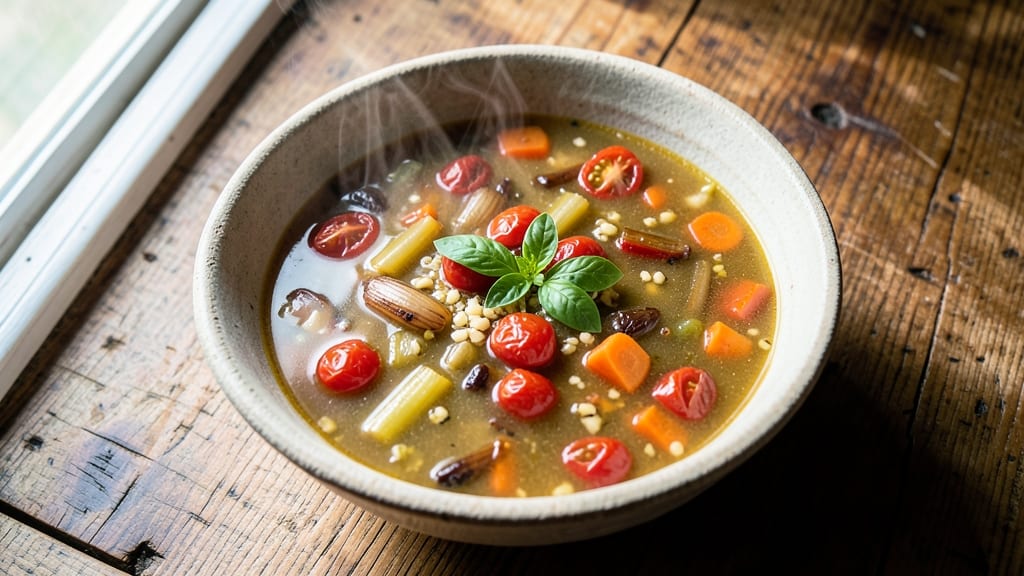
The Pioneer Woman minestrone soup brings the heart of an Italian garden to your kitchen—rich with vegetables, beans, and pasta in a single, satisfying bowl. This recipe captures the essence of rustic Italian cooking with a vegetarian twist that’s both comforting and vibrant.
The key lies in layering fresh herbs and slow-simmered broth for depth, just like Ree Drummond’s signature approach to homestyle meals.
What sets this recipe apart is its balance of simplicity and flavor—no fancy techniques, just wholesome ingredients like tender pasta, earthy beans, and crisp vegetables. The soup simmers for just under an hour, making it perfect for a weeknight dinner or meal prep.
I’ve included a touch of garlic and basil to elevate the broth, ensuring every spoonful feels like a taste of Italy without the fuss.
You’ll end up with a bowl of minestrone that’s hearty enough to stand alone but bright enough to feel fresh. The pasta absorbs the rich, herby broth while the vegetables retain their texture, creating a meal that’s both nourishing and delicious.
Serve it with crusty bread to soak up every last drop of that savory liquid gold.
This recipe works beautifully as a main dish or a hearty side—ideal for feeding a crowd or prepping for the week ahead. The Pioneer Woman touch comes through in the attention to detail, like toasting the pasta before adding it to the broth for an extra layer of flavor.
Ingredients for pioneer woman minestrone soup
Six cups of broth kickstart this Italian garden-inspired vegetarian minestrone.
| Ingredient | Amount | Notes |
|---|---|---|
| Vegetable Broth 💧 | 6 cups | Low-sodium preferred for balance |
| Canned Diced Tomatoes 🍅 | 2 cups | San Marzano preferred, drained |
| Carrots 🥕 | 1 ½ lb | Peeled, cut into 1/2-inch pieces |
| Celery Stalks 🧅 | 4 whole | Trimmed, cut into 1-inch pieces |
| Onion 🧅 | 1 whole | Yellow or red, diced |
| Garlic Cloves 🧄 | 4 cloves | Minced, for depth of flavor |
| Canned Cannellini Beans 🌱 | 1 ½ cups | Drained and rinsed |
| Ditalini Pasta 🍝 | 1 lb | Toasted before adding to broth |
| Zucchini 🥒 | 1 ½ lb | Sliced into 1/4-inch rounds |
| Fresh Basil Leaves 🌿 | ½ cup | Chopped, for bright finish |
| Fresh Parsley 🌿 | ¼ cup | Chopped, for garnish |
| Extra-Virgin Olive Oil 🫒 | ¼ cup | For sautéing vegetables |
| Dried Oregano 🌿 | 1 tsp | Italian preferred for authenticity |
| Salt 🧂 | 1 ½ tsp | Adjust to taste, kosher preferred |
| Black Pepper 🌶️ | ½ tsp | Freshly ground for best flavor |
The vegetable broth is the foundation—low-sodium versions give you more control over seasoning. Whole Foods Market and Trader Joe's carry excellent vegetable broths, but homemade is even better. For the tomatoes, San Marzano cans have that signature sweetness—don't skimp here. The carrots, celery, and onion form the aromatic base, so chop them uniformly for even cooking. Fresh garlic cloves should smell pungent, not musty. Costco sells garlic in bulk at a great price if you're making this often.
No San Marzano tomatoes? Any good-quality canned tomatoes work, but avoid those with added salt or sugar. The cannellini beans can be swapped for kidney beans or chickpeas—just adjust the liquid if needed. For the pasta, ditalini or small shells hold up best, but any short pasta shape works. Fresh basil and parsley are ideal, but dried oregano at half the amount gets you close in a pinch. The zucchini should be firm—avoid any with soft spots. If you're prepping ahead, store the chopped vegetables in airtight containers with a paper towel to absorb moisture.
This soup tastes even better the next day as flavors meld. Keeps for 5 days in the fridge or 3 months frozen. I like to portion it into individual containers for easy lunches. For extra richness, stir in a spoonful of Parmigiano-Reggiano when serving. The pasta should be al dente—if it's too soft after simmering, cook it separately and add it at the end.
Why You'll Love This Recipe
- Pantry Magic: I swear by this recipe when I forget to meal prep—just toss in those diced tomatoes, a handful of chopped celery and onion, and let the broth work its magic. No fancy ingredients, no stress.
- Tomato-Celery Love: That combo of canned tomatoes and sautéed celery? It’s the secret weapon. The tomatoes add depth, while the celery brings a bright, fresh crunch that makes every spoonful feel like a hug.
- Lunch for Days: Between us, this soup tastes even better the next day. I make a big batch on Sundays, and it’s my go-to for lunches—just reheat, add a sprinkle of cheese, and boom, instant satisfaction.
- Budget Buster: Honestly, this recipe is my wallet’s best friend. Carrots, celery, onions, and a can of tomatoes? You’re looking at under $5 for a meal that feeds four. Plus, leftovers freeze like a dream.
Step-by-step instructions for hearty Italian garden soup
Here's the method for a robust, flavorful minestrone that delivers authentic Italian comfort in under an hour.
Sauté the Vegetable Base
Heat the 0.25 cup extra-virgin olive oil in a large Dutch oven over medium heat. Add the 1 whole onion and 4 whole celery stalks cut into 1-inch pieces, cooking for 5 minutes until softened and translucent. This foundational step builds flavor through caramelization.
Add the 1.5 lb carrots cut into ½-inch pieces and cook for another 5 minutes until they begin to soften slightly. Stir occasionally to prevent browning. Here's where the real flavor development happens—don't rush this step. The vegetables should release their natural sweetness and meld together.
Next, add the 4 cloves minced garlic and 1 tsp dried oregano, stirring for 30 seconds until fragrant. You'll notice the kitchen fills with a warm, earthy aroma—this is the backbone of your soup's flavor profile. Keep the heat at medium to prevent burning the garlic.
Build the Broth and Add Tomatoes
Pour in the 6 cups vegetable broth and bring to a gentle boil. Once boiling, reduce heat to medium-low and add the 2 cups drained canned diced tomatoes. Stir well to combine, then add the 1.5 tsp salt and 0.5 tsp black pepper. This is where the soup begins to take shape—simmer for 15 minutes to allow the flavors to meld.
Real talk: This is the moment that matters. The broth should reduce slightly, concentrating the flavors. You'll see the vegetables soften further and the tomatoes break down into the liquid. If the broth looks too thin, reduce heat slightly to prevent excessive evaporation.
After 15 minutes, add the 1.5 cups drained and rinsed cannellini beans and the 1.5 lb zucchini sliced into ¼-inch rounds. Stir gently to distribute the beans evenly. The beans will absorb flavor from the broth while the zucchini adds freshness and texture. Keep the soup at a gentle simmer—never a rolling boil—to prevent the zucchini from turning mushy.
Toast and Add the Pasta
In a separate skillet, toast the 1 lb ditalini pasta over medium heat for 2-3 minutes until it develops a golden color. This step is crucial—it enhances the pasta's nutty flavor and prevents it from becoming mushy in the soup. Listen for a subtle crackling sound as it toasts.
Add the toasted pasta to the simmering soup along with the 0.5 cup chopped fresh basil leaves. Stir gently to combine. The pasta will absorb some of the broth, so you may need to add ½ cup additional vegetable broth if the soup becomes too thick. Let the soup simmer for 10 minutes to allow the pasta to cook through and absorb the flavors.
Here's the thing—minestrone should have a hearty texture but remain brothy enough to enjoy with a spoon. If it's too thick, add more broth 1 tablespoon at a time until you reach the perfect consistency. The pasta should be al dente with a slight bite.
Finish and Rest
Remove the soup from heat and let it rest for 5 minutes. This resting period allows the flavors to fully integrate and the pasta to finish cooking slightly in the residual heat. Stir in the 0.25 cup chopped fresh parsley just before serving—this adds a bright, fresh finish that cuts through the richness of the other ingredients.
Taste and adjust the seasoning if needed. You might need a pinch more salt or a crack of black pepper to balance the flavors. The soup should be vibrant, with layers of vegetable sweetness, herby freshness, and savory depth.
Serve the minestrone immediately in deep bowls, garnished with additional fresh parsley if desired. Each spoonful should deliver a harmonious blend of textures and flavors—creamy beans, tender vegetables, al dente pasta, and a rich, aromatic broth. This is the kind of soup that tastes even better the next day, so leftovers make excellent lunches.
Pro Tips For Making Pioneer Woman Minestrone Soup
- SOFTEN THE CELERY FIRST: I learned this the hard way—skipping the celery prep means it stays tough and chewy. Give those stalks a quick 3-minute blanch in boiling water before dicing, then shock in ice water. The texture becomes tender without turning to mush, and the flavor stays bright.
- SAUTÉ THE ONIONS LOW AND SLOW: High heat caramelizes the onions too fast, burning them before they sweeten. Use medium-low and let them cook for 8-10 minutes, stirring occasionally, until they’re golden and translucent. This builds flavor without bitterness—trust me, your soup will taste deeper.
- SKIP THE OVERSTIRRING: I used to think stirring constantly kept things from sticking, but it just breaks down the tomatoes and makes the soup watery. Let the broth and tomatoes simmer uncovered for the first 15 minutes, stirring only twice. The natural reduction thickens it better than brute force.
- UPGRADE WITH FROZEN HERBS: No fresh basil or parsley? Toss in a tablespoon of frozen chopped herbs at the end—it’s a game-changer. They thaw instantly in the hot soup and add the same bright finish without the hassle of chopping. (Yes, even if you’re impatient like me.)
Storing and reheating your pioneer woman minestrone soup
Refrigerator Storage
Let your minestrone cool to room temperature for 30 minutes before transferring to airtight containers—I use glass Pyrex bowls with snap-on lids for best results. Store in the fridge at 40°F or below for up to 5 days.
The flavors actually deepen overnight as the broth continues to meld with the vegetables and pasta. I always make double batches because it reheats beautifully for lunches. 💧
Freezer Prep Tips
For freezing, portion the soup into quart-sized freezer bags or glass storage containers, leaving 1 inch of headspace for expansion. Seal tightly and label with the date—this minestrone keeps for 3 months without losing quality.
I like to freeze individual servings for quick lunches during busy weeks. When reheating, thaw overnight in the fridge for best texture. ❄️
Stovetop Reheating
My preferred method is stovetop reheating because it preserves the pasta's texture. Pour soup into a pot and heat over medium-low heat for 10-12 minutes, stirring occasionally. If it looks too thick, add 2-3 tablespoons of water or broth at a time.
Taste and adjust seasoning—it often needs a pinch more salt after reheating. The gentle heat prevents the pasta from becoming mushy. 🔥
Microwave Method
For quick reheating, transfer soup to a microwave-safe bowl and cover loosely with a damp paper towel. Heat on 50% power for 3-4 minutes, stirring halfway through. Avoid high power settings to prevent uneven heating.
If the pasta seems dry, add a splash of broth or water before reheating. This method works best for individual portions. ⚡
Oven Option
Preheat oven to 350°F and transfer soup to an oven-safe dish. Cover with foil and bake for 20-25 minutes until heated through. This gentle method is great for reheating larger batches while keeping the pasta al dente.
I use this technique when I've made a big pot for a family gathering and want to keep everything warm. 🍲
Garnish Refresh
After reheating, brighten the soup with fresh garnishes. A sprinkle of Parmigiano-Reggiano, extra chopped parsley, or a drizzle of extra-virgin olive oil adds freshness. The acidity from a squeeze of lemon juice also cuts through any richness that may develop during storage.
These finishing touches make reheated minestrone taste almost as good as fresh! 🌿
Nutrition facts
Frequently asked questions
Can I make this minestrone without fresh herbs?
If you don't have fresh basil or parsley, use ½ teaspoon dried basil and ½ teaspoon dried parsley instead. For extra depth, add ¼ teaspoon red pepper flakes to mimic the brightness of fresh herbs. The soup will still taste delicious—just slightly less vibrant.
How can I make this soup more filling for a crowd?
Add 1 cup cooked white beans (like great northern or navy) or ½ cup cooked diced potatoes for extra heartiness. For a meaty texture, stir in ½ cup crumbled tempeh or ½ cup cooked lentils during the final 10 minutes of simmering. These additions bulk up the soup without overpowering the vegetable flavors.
Why did my minestrone turn out too thick?
This usually happens when the pasta absorbs too much broth. To fix it, stir in ½ cup additional vegetable broth or water while reheating. For prevention, toast the pasta separately and add it to the soup only in the last 10 minutes of cooking. If the soup is still too thick, serve it with extra bread or crackers on the side.
Can I use a different type of pasta?
Yes! While ditalini works best, you can substitute small shells, penne, or orzo for variety. For a gluten-free option, use chickpea or brown rice pasta. Just ensure the pasta is small enough to fit comfortably in a spoonful of soup. The key is toasting it first to prevent mushiness.
What’s the best way to make this soup ahead of time?
Prepare the soup up to Step 3 (before adding pasta), then cool it completely and refrigerate for up to 3 days. When ready to serve, toast the pasta separately and add it to the reheated broth along with fresh herbs. This keeps the pasta al dente and prevents sogginess. For longer storage, freeze the soup without pasta and cook the pasta fresh when serving.