
Soups & Stews
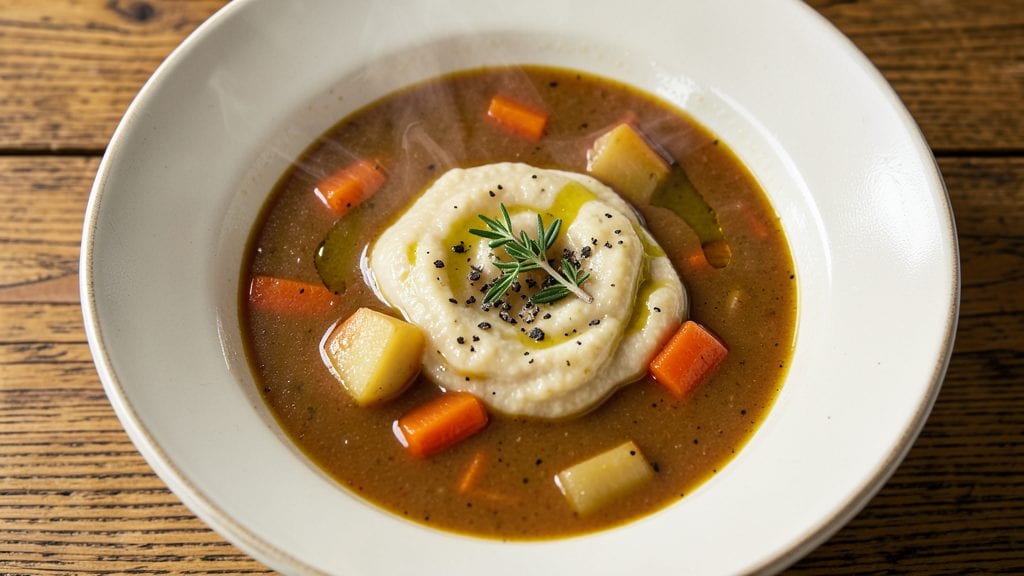
Creating a pureed soup recipe that achieves velvety smoothness without expensive ingredients is entirely possible using just pantry staples. The secret lies in proper cooking techniques and blending methods—whether you use an immersion blender or food processor—to eliminate lumps and create a restaurant-quality finish.
I’ve perfected this method over years of testing, ensuring every spoonful delivers that luxurious texture while keeping flavors balanced and approachable.
This recipe transforms simple vegetables, broth, and a few key ingredients into a silky, comforting soup that’s both nourishing and elegant. The process begins with simmering vegetables until tender, then blending until completely smooth—no clumps, no grit.
For extra richness, a touch of cream or olive oil can be stirred in at the end, but it’s just as satisfying without. The beauty of this method is its adaptability: swap any vegetables for seasonal produce, or use vegetable broth for a vegetarian version.
What you’ll end up with is a soup so smooth it feels like a hug in a bowl—perfect for chilly evenings or when you crave something comforting yet refined. The blending technique is the game-changer here, ensuring a flawless finish every time.
Whether you’re feeding a family or meal prepping for the week, this recipe delivers professional results with minimal effort.
For added flair, consider garnishing with a drizzle of olive oil, fresh herbs, or a sprinkle of cheese—though the soup shines beautifully on its own. Let’s get started on creating your velvety masterpiece.
Ingredients for pureed soup
Pantry staples transform into velvety perfection with these twelve essential ingredients.
| Ingredient | Amount | Notes |
|---|---|---|
| Yellow Onion 🧅 | 1 whole | Medium size, diced finely |
| Carrots 🥕 | 3 medium | Peeled, chopped into chunks |
| Celery Stalks 🌿 | 3 whole | Trimmed, chopped into pieces |
| Russet Potatoes 🥔 | 2 medium | Peeled, cubed evenly |
| Garlic Cloves 🧄 | 4 cloves | Peeled, minced finely |
| Chicken Broth 💧 | 4 cups | Low-sodium preferred |
| Extra-Virgin Olive Oil 🫒 | 2 tbsp | For sautéing vegetables |
| Fresh Thyme Leaves 🌿 | 1 tsp | Or 0.25 tsp dried thyme |
| Salt 🧂 | 1 tsp | Diamond Crystal kosher |
| Black Pepper 🌶️ | ½ tsp | Freshly ground preferred |
| Heavy Cream 🥛 | ¼ cup | Optional, for richness |
| Fresh Parsley 🌿 | 2 tbsp | Chopped, for garnish |
The vegetable base forms the foundation of this soup, so select firm, fresh produce—carrots should be crisp, potatoes starchy but not waxy, and celery vibrant green. Whole Foods or local farmers markets often carry the freshest seasonal vegetables, but standard grocery store produce works perfectly if stored properly. For the broth, Swanson or Pacific Foods low-sodium options are my go-to—they add depth without overwhelming the natural flavors. The garlic and onions should be freshly minced; pre-minced varieties often contain anti-caking agents that can alter texture. Store your vegetables in the crisper drawer until ready to use, and use the broth within 6 months of opening for optimal flavor.
No fresh thyme? Dried thyme at one-quarter the amount works in a pinch, though fresh imparts superior aroma. Substituting vegetable broth for chicken broth creates a vegetarian version—just ensure it's well-seasoned to compensate for the lack of umami. For extra richness without cream, add 1 tablespoon of olive oil at the end or blend in 1/4 cup of silken tofu for a dairy-free option. The heavy cream, while optional, elevates the soup to restaurant-quality—use full-fat for best results. Garnishing with fresh parsley not only adds visual appeal but also a bright, herbaceous finish that cuts through the soup's richness.
This soup maintains its velvety texture for 4-5 days when refrigerated in an airtight container, though flavor peaks within the first 24 hours. For longer storage, freeze portions in ice cube trays—thaw overnight in the fridge before reheating. Reheat gently on the stove with a splash of broth to prevent separation. The cream, if used, should be stirred in just before serving to maintain its silky consistency. Portion into individual containers for easy meal prep, or store the entire batch in a large container for quick lunches throughout the week.
Why You'll Love This Recipe
- No Chopping Chaos: I swear by this recipe because you can literally toss in whole carrots and potatoes—peels and all. The blender does all the work, so even if you burn dinner half the time, this one’s forgiving.
- Garlic-Caramel Magic: That slow-cooked onion and garlic base? It turns sweet and rich, like a hug in a bowl. The Russets add natural creaminess without dairy, and the celery keeps it bright—not heavy.
- Meal Prep MVP: Make a double batch on Sunday, and you’ve got lunch for three days. Freezes beautifully, too—just reheat and blend again. My freezer’s stocked with this stuff because it’s the only soup that doesn’t taste sad after reheating.
- Pantry Goldmine: Onion, carrots, celery, potatoes—these are the cheap staples that never go to waste. I’ll be real: I often grab whatever’s left in the crisper, and this recipe turns it into something special. Budget-friendly doesn’t mean boring.
Step-by-step instructions for velvety smooth soup
Mastering this technique transforms simple vegetables into restaurant-quality velvety soup.
Sauté the Vegetable Base
Heat the 2 tablespoons extra-virgin olive oil in a large pot over medium heat. Add the 1 whole yellow onion, 3 medium carrots, and 3 whole celery stalks—all prepped as specified. Cook for 8-10 minutes, stirring occasionally, until the vegetables soften and develop a golden hue.
Here's the thing—this step builds flavor. The vegetables should release moisture and begin to caramelize slightly at the edges. If they stick before browning, reduce the heat momentarily. Add the 4 cloves minced garlic during the last 30 seconds of cooking to infuse its aroma without burning.
Simmer with Potatoes and Broth
Add the 2 medium russet potatoes, cut into even cubes, to the pot. Pour in the 4 cups chicken broth and bring to a gentle boil. Once boiling, reduce heat to medium-low and let it simmer uncovered for 15-20 minutes, until the potatoes are fork-tender and the vegetables are completely soft.
You'll know it's ready when the potatoes collapse easily under gentle pressure. This simmering time ensures all ingredients break down uniformly, which is critical for a smooth purée. Stir occasionally to prevent sticking, but avoid over-mixing at this stage.
Season and Purée to Perfection
Add the 1 teaspoon fresh thyme leaves, 1 teaspoon salt, and 0.5 teaspoon black pepper to the pot. Stir well to distribute the seasoning evenly. Let the soup sit off heat for 2 minutes to allow flavors to meld.
Using an immersion blender, purée the soup directly in the pot until completely smooth. For a perfectly silky texture, work in batches if needed. If you prefer using a countertop blender, let the soup cool slightly first, then blend until no lumps remain. Return the puréed soup to the pot and stir in the 0.25 cup heavy cream for added richness.
Garnish and Serve Warm
Return the soup to low heat and let it warm through for 2-3 minutes, stirring occasionally. Taste and adjust seasoning if needed—this is your final opportunity to perfect the balance of flavors.
Ladle the soup into bowls and garnish with 2 tablespoons chopped fresh parsley. Serve immediately while warm, as the texture begins to thicken as it cools. The garnish adds freshness and visual appeal, while the parsley's brightness complements the soup's velvety smoothness.
Pro Tips For Making Pureed Soup
- Sweat the Aromatics Slow: Start your onions, celery, and carrots in a cold pot with just a drizzle of oil—no heat yet. Turn the burner to medium-low and let them sit for 3 minutes before stirring; this prevents burning and builds deeper flavor. (Yes, even if you’re impatient like me.)
- Peel Potatoes After Cooking: Russet potatoes are stubborn to peel raw—save yourself time and mess by paring them only after boiling. The skins slip right off, and you avoid the cloudy water that ruins puree texture. (Your blender will thank you.)
- Strain Twice for Silkiness: After pureeing, press the soup through a fine-mesh sieve twice—once right after blending, then again if you want that restaurant-worthy smoothness. The first pass catches big chunks; the second removes grit. (I learned this the hard way when a stubborn carrot piece made it to the bowl.)
- Roast Garlic First: Toss minced garlic cloves with a pinch of salt and roast at 400°F (200°C) for 10 minutes before adding to the pot. The mellow, caramelized flavor cuts through the sharpness of raw garlic and adds depth without overpowering. (Sounds weird, but it works—trust me.)
Creative variations of this recipe
Classic French Velouté
Transform this recipe into a French-inspired velouté by replacing the chicken broth with 4 cups vegetable broth and adding 1 bay leaf during simmering. After blending, stir in 1 tablespoon butter instead of cream for a lighter texture.
Top with chives instead of parsley for an authentic touch. The bay leaf infuses subtle herbal notes that elevate the soup's sophistication. 🌿
Spicy Tomato-Basil Purée
Swap the carrots and celery for 4 cups diced tomatoes (canned or fresh) and add 1 teaspoon red pepper flakes with the thyme. Use 1 tablespoon tomato paste when sautéing the onion for deeper flavor.
Garnish with fresh basil and a drizzle of balsamic glaze for a tangy, Italian-inspired twist. The acidity from the tomatoes brightens the creamy base perfectly.
Creamy Cauliflower Soup
Replace potatoes and carrots with 4 cups chopped cauliflower and add 1 small leek (white and light green parts only) to the sauté. After blending, stir in ½ cup coconut milk (instead of cream) for a dairy-free, velvety texture.
Finish with toasted pumpkin seeds for crunch and a sprinkle of smoked paprika for warmth. This version is packed with nutrients and works beautifully for vegan diets.
Smoky Sweet Potato Version
Swap russet potatoes for 2 medium sweet potatoes (peeled and cubed) and add ½ teaspoon smoked paprika with the thyme. Use ½ cup apple cider instead of broth for a subtle sweetness.
Garnish with crumbled bacon or avocado slices for a smoky, hearty twist. The natural sweetness of sweet potatoes pairs wonderfully with the smoky depth.
Lemon-Garlic Shrimp Purée
After puréeing the base, stir in ½ pound cooked shrimp (chopped) and zest of 1 lemon along with the cream. Add 2 tablespoons lemon juice at the end for brightness.
Garnish with extra lemon wedges and chopped chives. This seafood variation adds protein and a refreshing citrus kick that cuts through the richness. 🍋
Hearty Lentil & Mushroom
Add 1 cup cooked lentils (green or brown) and 8 oz sliced mushrooms to the sauté. Use vegetable broth and replace cream with 2 tablespoons tahini for a nutty depth.
Garnish with toasted walnuts and fresh dill. This protein-rich version is perfect for a vegetarian or vegan diet and adds earthy umami flavors.
Nutrition facts
Frequently asked questions
Can I make this pureed soup without a blender?
Yes! If you don't have an immersion blender or countertop blender, use a potato masher or food mill to break down the vegetables into a smooth consistency. For extra creaminess, simmer the soup longer until the vegetables are completely tender, then mash vigorously. The texture won't be as silky, but it will still be delicious and comforting.
How do I prevent my pureed soup from getting lumpy?
Lumps happen when ingredients aren't fully cooked or blended properly. First, make sure all vegetables are completely soft before blending—potatoes should be fork-tender. For blending, use an immersion blender directly in the pot to avoid transferring hot liquid. If using a countertop blender, work in small batches and blend until completely smooth before adding more. Returning the purée to the pot helps distribute any remaining lumps evenly.
Can I freeze this pureed soup?
Freeze the soup in airtight containers or heavy-duty freezer bags, leaving about 1-inch headspace for expansion. For best texture, thaw overnight in the refrigerator before reheating. When reheating, add a splash of broth or water to restore creaminess. Stir gently to avoid separation, and avoid boiling—just warm through on low heat. The soup will maintain its smoothness for up to 3 months in the freezer.
What's the secret to making it extra creamy?
The key is combining proper cooking with the right finishing touches. Simmer the soup until vegetables are very tender, then blend thoroughly. For added richness, stir in 1-2 tablespoons of olive oil or heavy cream at the end. Another trick is to blend in 1/4 cup silken tofu for a dairy-free, ultra-smooth texture. The longer you cook the vegetables, the easier they'll blend into a velvety purée.
Can I make this soup vegetarian or vegan?
Yes! For a vegetarian version, simply replace the chicken broth with vegetable broth and omit the heavy cream. For a vegan version, use vegetable broth and substitute the cream with coconut milk or cashew cream. The base recipe already works well with plant-based ingredients—just ensure your broth is well-seasoned to maintain flavor depth. The puréeing technique remains the same regardless of dietary preferences.