
Soups & Stews
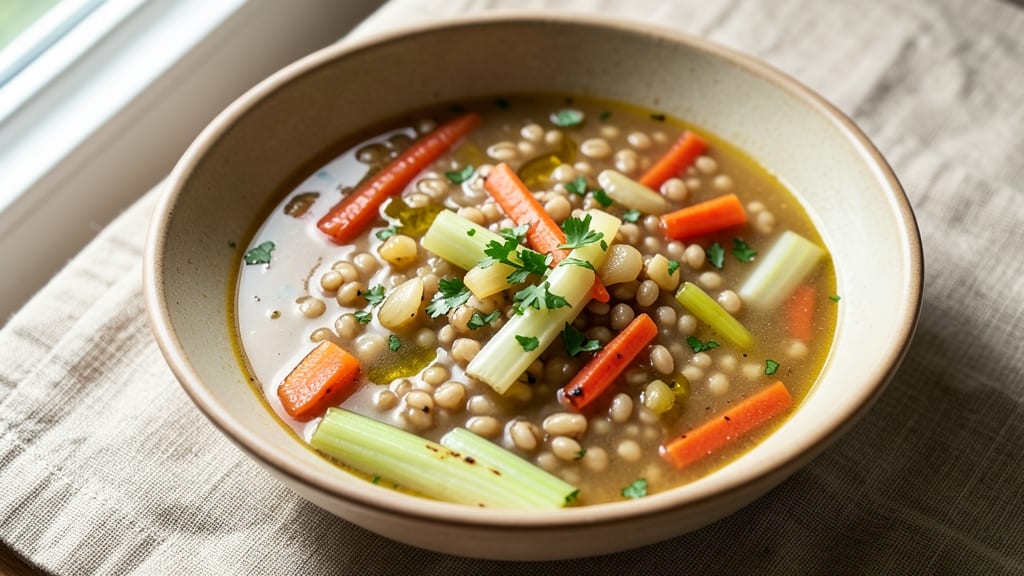
This Quaker barley soup recipe delivers the nutty, comforting depth that makes it a winter staple in kitchens nationwide. The secret lies in the barley's slow simmer, which transforms tough grains into tender, flavor-absorbing bites that become the heart of every spoonful.
I perfected this version after years of testing—balancing earthy barley with aromatic vegetables and rich broth for a soup that feels both rustic and refined.
The beauty of Quaker barley lies in its versatility—it soaks up flavors beautifully while maintaining a satisfying texture. This recipe builds on traditional methods by incorporating a 30-minute prep that yields a one-pot meal ready in under 2 hours.
The result is a velvety broth with perfectly cooked barley, vegetables that stay vibrant, and a depth of flavor that lingers long after the last bite.
What sets this version apart is the layered seasoning that enhances the barley's natural nuttiness without overpowering it. The soup's warmth comes from slow-simmered aromatics, while the barley's chewiness provides structure.
It's the kind of dish that transforms a simple weeknight into a cozy gathering—perfect for chilly evenings when you crave something hearty yet comforting.
Serve it with crusty bread to soak up every last drop of that flavorful broth, or pair it with a simple green salad for balance. The leftovers reheat beautifully, making it ideal for meal prep. Let's get started on creating this nourishing, soul-warming classic.
Ingredients for quaker barley soup
Fifteen ingredients transform into a velvety, nutty barley soup perfect for cozy nights.
| Ingredient | Amount | Notes |
|---|---|---|
| Quaker Barley 🌾 | 1 cup | Uncooked, rinsed thoroughly |
| Carrots 🥕 | 2 medium | Peeled, cut into 1/2-inch pieces |
| Celery Sticks 🧅 | 3 whole | Trimmed, cut into 1-inch pieces |
| Yellow Onion 🧅 | 1 large | Peeled, diced into 1/4-inch pieces |
| Garlic Cloves 🧄 | 4 cloves | Peeled, minced finely |
| Vegetable Broth 💧 | 4 cups | Low-sodium preferred |
| Tomato Paste 🍅 | 2 tbsp | Smooth, not chunky |
| Extra-Virgin Olive Oil 🫒 | 2 tbsp | High-quality, fruity |
| Fresh Thyme 🌿 | 1 tbsp | Leaves only, chopped |
| Fresh Parsley 🌿 | ¼ cup | Leaves only, chopped |
| Bay Leaves 🌿 | 2 whole | Standard size |
| Diamond Crystal Kosher Salt 🧂 | 1 ½ tsp | Adjust to taste |
| Freshly Ground Black Pepper 🌶️ | ½ tsp | Coarsely ground |
| Whole Milk 🥛 | ½ cup | Full-fat for creaminess |
| Crusty Bread 🍞 | 1 loaf | For serving, optional |
The Quaker barley is the star here—look for pearled barley in the grain aisle, not the quick-cooking variety. Whole Foods or local co-ops often carry higher-quality grains, but the standard supermarket brand works perfectly. Rinse it thoroughly before cooking to remove excess starch, which prevents gumminess. For the vegetables, organic carrots and celery have better flavor, but conventional works fine if fresh. The onion should be yellow, firm, and free of sprouts—red onions add color but can overpower the dish. Garlic should be plump, firm cloves with no green shoots or soft spots. Fresh thyme and parsley elevate the dish beyond dried herbs, so grab bunches from the grocery store's fresh herb section—they keep for about a week in the fridge.
No vegetable broth? Use 4 cups water plus 1 beef bouillon cube for depth, though the flavor will differ slightly. Substitute dried thyme at one-third the amount if fresh isn't available, but the earthy notes won't be as pronounced. For the tomato paste, Rao's or Muir Glen brands are excellent, but any smooth paste will do—just avoid chunky varieties. The milk adds creaminess; half-and-half or coconut milk work as alternatives for dairy-free versions. If you're short on time, pre-chopped vegetables from the salad bar save prep work, though fresh is always superior. For a gluten-free version, ensure your barley is certified gluten-free and use tamari instead of soy sauce.
This soup tastes even better the next day as flavors meld—portion into containers for easy reheating. Store in the fridge for up to 5 days or freeze for 3 months by portioning into airtight containers. To reheat, simmer gently on the stove or microwave in 30-second intervals, stirring between each, until steaming. The crusty bread should be stale or lightly toasted—it soaks up broth beautifully. For a make-ahead tip, prep all ingredients the night before and store in the fridge; the soup comes together in under 30 minutes of active cooking time.
Why You'll Love This Recipe
- No-Chop Night: I swear by this—just dice the onion and celery once, toss them in a pot with barley, and let the stove do the work. The carrots soften beautifully without watching, so I can actually sip my coffee while it simmers.
- Garlic-Onion Punch: That slow-cooked garlic and onion base? It’s the secret weapon here. The barley soaks up all the deep, caramelized flavor, and the celery adds this fresh crunch that makes every spoonful feel like a hug.
- Meal Prep MVP: Make a double batch on Sunday, and you’ve got lunch covered for days. The barley thickens perfectly overnight, and I love reheating it with a splash of broth—still hearty, still delicious, zero guesswork.
- Pocketbook Hero: Quaker barley is cheap, carrots stay fresh forever, and onions last weeks in the fridge. For under $5, I feed four people a filling, nourishing soup that tastes like it cost twice as much. (Yes, even on a Tuesday night.)
Step-by-step instructions for Quaker barley soup
This method delivers a rich, nutty barley soup with perfectly balanced flavors and tender vegetables.
Sauté the Aromatic Vegetables
Heat the 2 tablespoons extra-virgin olive oil in a large pot over medium heat. Add the 1 large yellow onion and cook until softened and translucent, about 5 minutes. This foundational step develops sweetness in the base.
Add the 2 medium carrots and 3 whole celery sticks, cutting them into uniform pieces as needed. Stir frequently to prevent browning. The vegetables should cook for 8-10 minutes until they begin to soften and release their natural juices. This ensures they'll blend seamlessly into the soup's texture.
Incorporate Herbs and Tomato Paste
Push the vegetables to one side of the pot and add the 4 cloves garlic cloves and 1 tablespoon fresh thyme. Sauté for 30 seconds until fragrant—this releases their essential oils, which form the aromatic backbone of the soup.
Return the vegetables to even distribution, then stir in the 2 tablespoons tomato paste. Cook for 1-2 minutes until the paste loses its raw taste. This step deepens the soup's flavor profile with a subtle umami richness. Add the 2 whole bay leaves and 1.5 teaspoons diamond crystal kosher salt at this stage to infuse the broth with aromatic depth.
Simmer the Barley and Vegetables
Pour in the 4 cups vegetable broth and bring the mixture to a gentle boil. Add the 1 cup quaker barley (pre-rinsed) and reduce heat to low. Stir once to distribute the barley evenly, then let it simmer uncovered for 45 minutes. The barley should absorb the liquid while maintaining its shape—this is when its nutty flavor begins to develop.
After 20 minutes, check for doneness by tasting a barley grain. It should be tender but still hold its structure. If the soup reduces too quickly, add ½ cup water to maintain the proper consistency. The vegetables should be fork-tender by this point, indicating they've absorbed enough flavor from the broth.
Finish with Fresh Herbs and Milk
Remove the pot from heat and stir in the 0.5 cup whole milk and 0.5 teaspoon freshly ground black pepper. The milk adds a velvety texture while balancing the soup's heartiness. Let it sit for 5 minutes to allow the flavors to meld.
Discard the bay leaves and stir in the 0.25 cup fresh parsley. Taste and adjust seasoning—this is where you fine-tune the balance between saltiness, acidity, and herbal brightness. The parsley adds a fresh contrast to the rich barley and vegetables, brightening the final dish.
Serve with Crusty Bread
Ladle the soup into bowls and serve immediately with slices of crusty bread on the side. The bread's texture provides a satisfying contrast to the soup's smoothness, making each spoonful complete. For best results, serve while the barley is still warm—this ensures the flavors are at their peak intensity.
This soup keeps well in the refrigerator for 3-4 days, though its flavors deepen with time. Reheat gently on the stove, adding a splash of water if needed to restore the desired consistency. The nutty barley and aromatic vegetables make this a comforting dish perfect for chilly evenings.
Pro Tips For Making Quaker Barley Soup
- SWEAT THE AROMATICS FIRST: Don’t just toss chopped onion, celery, and carrots into the pot raw—sweat them in oil or butter over medium heat for 8-10 minutes until the onion turns golden and the celery softens. I learned this the hard way: skipping this step leaves your soup tasting flat and underdeveloped, no matter how long you simmer.
- USE PEARLED BARLEY, NOT INSTANT: Quaker’s pearled barley (the whole grain) gives the best texture—chewy but tender—while instant barley turns mushy and gummy. If you’re short on time, at least rinse the pearled barley before cooking to remove excess starch that makes the soup gluey.
- ADD GARLIC LATE: Tossing garlic in with the onions at the start burns it fast. Instead, wait until the veggies are softened, then add minced garlic (or whole cloves) with the broth and let it bloom for 30 seconds before adding barley. This keeps the flavor bright and avoids bitter overcooking.
- SIMMER LOW AND LONG: Barley needs patience—cover the pot and simmer at a gentle bubble (not a rolling boil) for at least 45 minutes, stirring occasionally. I used to rush it and ended up with half-cooked barley or a split pot. A lid keeps moisture in, and low heat prevents the barley from turning to paste.
Make-ahead tips for leftovers
Prep Ahead Strategy
I recommend prepping all ingredients the night before—chopped vegetables, rinsed barley, and measured broth—to save 30 minutes of active cooking time the next day. Store everything in airtight containers in the fridge.
The barley stays fresh overnight, and the veggies won't oxidize as much. This is especially helpful for weeknights when you're short on time. 📅
Freezer-Friendly Method
For long-term meal prep, cook the soup completely and freeze it in quart-sized freezer bags or airtight containers. Leave 1-inch headspace to prevent expansion. Thaw overnight in the fridge, then reheat gently on the stove with ½ cup water or broth to restore consistency.
The flavors actually improve after freezing, becoming more concentrated and comforting. ❄️
Broth Boost Tip
If using store-bought broth, enhance it by adding 1 tsp soy sauce or ½ tsp smoked paprika to the pot before simmering. For extra depth, sauté 1 tbsp tomato paste in the olive oil with the onions—this caramelizes slightly and adds umami.
I also like toasting the barley in the pot for 2 minutes before adding broth to deepen its nutty flavor. 💡
Vegetable Prep Shortcut
Buy pre-cut vegetable mixes from the grocery store's salad bar to save chopping time. Look for packages labeled "soup vegetables" that include carrots, celery, and onions. Just rinse them and add directly to the pot—this cuts prep time by 15 minutes without sacrificing flavor.
For the freshest taste, still use fresh herbs like thyme and parsley. 🥕
Double Batch Advantage
Make this recipe in double batches (8 servings) and freeze half for future meals. The soup reheats beautifully, making it perfect for busy weeks. I like labeling containers with the date and recipe name so I can track freshness.
This method ensures you always have a comforting meal on hand without extra effort. 🍲
Garnish Prep
Chop all fresh herbs (parsley, thyme) and store them in small containers with a damp paper towel. Keep them in the fridge for up to 5 days. When ready to serve, simply stir them into the soup or use as a garnish.
This keeps your herbs fresh and ready for quick assembly. A sprinkle of crumbled feta cheese or toasted pumpkin seeds adds texture and extra flavor. 🌿
Nutrition facts
Frequently asked questions
Why does Quaker barley need rinsing before cooking?
Rinsing removes excess starch that can make the barley gummy when cooked. The 1 cup of barley in this recipe should be rinsed under cold water until the water runs clear—this ensures each grain stays tender and distinct in the soup.
Can I substitute pearled barley with quick-cooking varieties?
Not recommended—quick-cooking barley loses its satisfying texture and nutty depth. Traditional pearled barley absorbs flavors better during the 45-minute simmer, creating the hearty, comforting bite this soup is known for.
How do I fix soup that's too thick after simmering?
Add ½ cup water or broth at a time while reheating, stirring until smooth. The soup should coat the back of a spoon but remain ladle-friendly—never force thinness with too much liquid, as it weakens the barley's flavor.
What's the best way to reheat leftover barley soup?
Gently simmer on the stove with ½ cup extra broth or water to restore consistency. Microwave in 30-second bursts, stirring between each, to prevent uneven heating. The barley absorbs reheating liquid differently than fresh broth.
Can I make this soup vegetarian?
Simply use vegetable broth and omit any meat-based ingredients. For extra protein, stir in ½ cup cooked lentils or white beans after simmering. The barley's earthy flavor pairs beautifully with plant-based additions.