
Soups & Stews
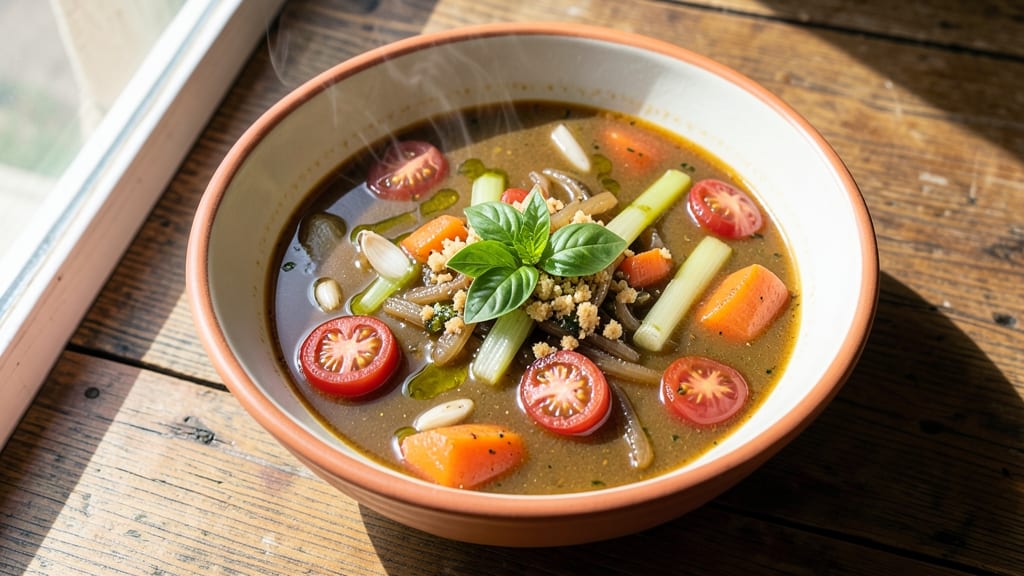
This rustic Roman soup recipe brings the heart of Italy to your kitchen with its simple yet deeply flavorful tomato and herb simmering. The secret lies in slow-cooked tomatoes, fresh basil, and a touch of garlic that transforms humble ingredients into something extraordinary.
I first tasted this dish in a tiny trattoria near the Tiber River, where the aroma alone made my mouth water.
The beauty of this soup is its simplicity—just a few fresh ingredients simmered together until the flavors meld into perfect harmony. Traditional Roman recipes often include pasta like tonnarelli or small shells, but you can easily adapt it to be vegetarian or add proteins like pancetta for extra depth.
The key is patience; letting the tomatoes break down and absorb the herbs creates a rich, velvety broth that’s impossible to resist.
What you’ll end up with is a warm, comforting bowl of soup that’s as satisfying as it is delicious—golden with floating pasta, tender vegetables, and a fragrant herb garnish.
The texture is just right: creamy from the tomatoes, yet brightened by the fresh basil and a squeeze of lemon at the end. This is the kind of dish that feels like a hug in a bowl, perfect for chilly evenings or family gatherings.
Serve it with crusty bread to soak up every last drop of that flavorful broth, and don’t forget a sprinkle of grated pecorino for that authentic Roman touch. Whether you’re cooking for a crowd or just craving a taste of Italy, this recipe delivers restaurant-quality results in your own kitchen.
Ingredients for roman soup
Fresh tomatoes, aromatic herbs, and slow-simmered flavors bring this rustic Roman soup to life.
| Ingredient | Amount | Notes |
|---|---|---|
| Extra-Virgin Olive Oil 🫒 | ½ cup | High quality, fruity |
| Garlic Cloves 🧄 | 4 cloves | Peeled, roughly chopped |
| Carrots 🥕 | 2 medium | Peeled, chopped into rounds |
| Celery Stalks 🥬 | 2 whole | Diced, with leaves |
| Onion 🧅 | 1 medium | Yellow or red, diced |
| Ripe Tomatoes 🍅 | 2 lb | Roma or vine-ripened, chopped |
| Fresh Basil Leaves 🌿 | 1 cup | Packed, stems removed |
| Fresh Parsley 🌿 | ¼ cup | Chopped, for garnish |
| Tonnarelli Pasta 🍝 | ½ lb | Or small shells, uncooked |
| Pancetta 🥓 | ¼ lb | Diced, optional for depth |
| Pecorino Romano Cheese 🧀 | ½ cup | Freshly grated, for serving |
| Lemon Juice 🍋 | 1 tbsp | Freshly squeezed |
| Sea Salt 🧂 | 1 ½ tsp | Kosher or fine grain |
| Black Pepper 🌶️ | ½ tsp | Freshly ground |
| Vegetable or Chicken Broth 💧 | 4 cups | Low-sodium preferred |
The tomatoes are the soul of this soup—Roma or vine-ripened make all the difference. Local farmers markets often have the sweetest, most flavorful ones, but don't stress if you can't find them. Just look for tomatoes that smell sweet and give slightly when squeezed. The basil and parsley? Fresh is non-negotiable here—dried just won't cut it. I usually grab a big bunch of basil and use half for the soup, saving the rest for pesto later. For the pancetta, Trader Joe's sells pre-diced cubes that save time, but regular pancetta works just as well if you chop it yourself. If you're skipping the pancetta, add an extra pinch of salt to compensate.
No fresh basil? Dried oregano at half the amount works in a pinch, but it won't have that bright, fresh flavor. Short on tomatoes? Canned San Marzano tomatoes (crushed by hand) are my secret weapon—they're sweet and meaty, just like fresh. The broth should be low-sodium, but if you're using regular, cut the added salt in half. For the pasta, tonnarelli or small shells are traditional, but any short pasta works. If you can't find tonnarelli, penne or rigatoni are great substitutes. The carrots and celery can be swapped for zucchini if you're feeling adventurous—they'll add a lovely freshness to the broth.
This soup tastes even better the next day as the flavors meld together. Store leftovers in the fridge for up to 5 days, or freeze portions for 3 months. I like to make a big batch on Sunday so I have soup ready for the week. The pasta reheats beautifully—just add a splash of broth or water to loosen it up. For serving, keep the pecorino and lemon juice separate so everyone can add exactly how much they like. The broth freezes wonderfully too, so you can always make fresh pasta when you're ready to serve.
Why You'll Love This Recipe
- Minimal Chopping Required: I swear by this trick—just dice the onion, carrots, and celery into rough chunks (no fancy julienne needed) and toss them straight into the pot. The soup still tastes like I spent hours prepping, but honestly? I’m usually multitasking with emails or scrolling through memes while it simmers.
- Garlic Confidence: That first hit of olive oil hitting the garlic? Chef’s kiss. You don’t even need much—just a few cloves, minced and sizzled until golden—but it transforms the whole soup. Between us, this is the kind of flavor that makes people ask, “What’s in it?” and then demand the recipe.
- Leftovers That Don’t Suck: This soup actually improves the next day. The veggies soften into sweet, melt-in-your-mouth perfection, and the broth deepens into something richer. I make a double batch on Sundays, freeze half, and still crave it for lunch weeks later—no sad, watery regrets here.
- Budget-Friendly Pantry Staple: Carrots, celery, onion, garlic—these are the ingredients I always have lurking in my fridge or pantry. No fancy swaps, no last-minute grocery runs. Plus, the olive oil does double duty as the star and the base, so you’re not breaking the bank for a meal that feels like a restaurant dish.
Step-by-step instructions for rustic tomato and herb simmering
Here's how to create a hearty Roman-style soup that balances rich tomato flavors with fresh herbs.
Sauté the Aromatic Vegetables
Heat the 0.5 cup extra-virgin olive oil in a large Dutch oven over medium heat. Add the 1 medium diced onion, 2 medium peeled and chopped carrots, and 2 whole diced celery stalks (with leaves). Cook for 5-6 minutes, stirring occasionally, until the vegetables soften and begin to release their natural juices.
This foundational step builds flavor through caramelization. You'll know it's ready when the vegetables are tender but still hold their shape. Add the 4 peeled and roughly chopped garlic cloves and cook for an additional 30 seconds until fragrant. Here's the thing—don't let the garlic brown or it'll turn bitter. Remove the pan from heat briefly if needed to prevent burning.
Add Tomatoes and Simmer the Base
Return the pan to medium heat and add the 2 lb chopped ripe tomatoes. Stir well to combine with the vegetables, then season with 1.5 tsp sea salt and 0.5 tsp black pepper. Pour in the 4 cups vegetable or chicken broth and bring the mixture to a gentle boil.
Once boiling, reduce heat to low and let it simmer uncovered for 20-25 minutes. You'll notice the tomatoes break down into a rich, jammy consistency. This is when the soup develops its signature depth of flavor. Stir occasionally to prevent sticking, and taste the broth—it should be seasoned but not overly salty at this stage. If the mixture gets too thick, add a splash of water to maintain the proper consistency.
Incorporate the Herb Mixture
While the soup simmers, prepare the herb mixture by combining the 1 cup packed fresh basil leaves and 0.25 cup chopped fresh parsley in a small bowl. When the soup has simmered for 15 minutes, stir in this herb mixture along with the 1 tbsp fresh lemon juice. The acidity from the lemon juice brightens the tomato flavors while the herbs add freshness.
Continue simmering for an additional 5 minutes to allow the flavors to meld together. The soup should now have a vibrant red color with visible herb flecks. This is the moment that matters—the balance of rich tomato, aromatic vegetables, and fresh herbs creates the signature Roman flavor profile. Taste again and adjust seasoning if needed, adding more salt or pepper as necessary.
Cook the Pasta and Pancetta
In a separate large pot, bring 4 quarts of salted water to a rolling boil. Add the 0.5 lb tonnarelli pasta and cook according to package directions until al dente—typically 8-10 minutes. Reserve 1 cup of pasta water before draining, then set the pasta aside.
In the same Dutch oven with the soup base, add the 0.25 lb diced pancetta (if using) and cook over medium heat for 3-4 minutes until crispy. The pancetta adds a wonderful salty depth that complements the tomato flavors. Stir it into the soup along with the cooked pasta. If the soup seems too thick after adding the pasta, thin it with the reserved pasta water, 1 tablespoon at a time, until it reaches a comfortable consistency for serving.
Finish and Serve
Return the soup to a gentle simmer for 2-3 minutes to heat through completely. Taste and adjust seasoning one final time. Ladle the soup into bowls and top each serving with 1-2 tablespoons freshly grated pecorino romano cheese. The cheese adds a salty, umami finish that ties all the flavors together.
This rustic Roman soup is best served immediately while the pasta is still al dente and the flavors are at their peak. The combination of tender vegetables, rich tomato broth, and fresh herbs creates a comforting dish that's perfect for chilly evenings. Each spoonful delivers a balance of textures and flavors that make it a true taste of Rome.
Pro Tips For Making Roman Soup
- Sweat, Don’t Burn: Roman soup starts with the soffritto—carrots, celery, and onion—so cook them slow and steady over medium-low heat. I used to rush this, and the vegetables turned bitter before they softened. Let them release their moisture first, then add garlic when the onions are translucent (about 8-10 minutes). That’s when the magic happens.
- Chop Garlic Fine: Thinly sliced garlic cloves (almost minced) blend better into the soup and cook evenly without burning. I learned this after one batch where I used whole cloves and ended up with a slightly bitter aftertaste. A sharp knife and quick, even cuts make all the difference—no need to go full paste, just small, even pieces.
- Salt the Water Late: Add salt to the broth after the vegetables have cooked down and absorbed some liquid. Salting too early makes the carrots and celery release water like crazy, diluting the flavor. Wait until the soup is nearly done, then taste and adjust—this keeps the texture rich and the seasoning balanced.
- Toast the Celery First: Before adding the full soffritto, dry-toast the celery (and onion) in olive oil for 2-3 minutes until they just start to brown. It’s a tiny extra step, but it deepens the flavor—like a caramelized edge that carries through the whole dish. (Yes, even if you’re impatient like me, trust the process.)
Pro cooking tips for roman soup
Mastering the Soup Base
Don’t skip the 20-25 minute simmer for the tomato base—this is where the magic happens. I’ve learned that breaking down the tomatoes properly creates that velvety texture you crave. Stir occasionally to prevent sticking, but avoid over-stirring, as it can release too much starch and thicken the soup prematurely.
If the mixture looks too thick, add 2-3 tablespoons of water at a time until it reaches a smooth consistency. 🔥
Timing the Pasta Perfectly
Cook the pasta 1-2 minutes less than the package instructions suggest, then add it to the soup. The residual heat will finish cooking it while soaking up all those delicious flavors.
If you’re nervous about texture, I recommend using tonnarelli or small shells—they hold up better in broth than long pasta shapes. Always reserve 1 cup of pasta water to adjust consistency later.
Balancing Acid and Salt
The 1 tablespoon lemon juice added at the herb stage is crucial—it brightens the rich tomato flavors and prevents the soup from tasting too heavy. Taste as you go, and adjust salt gradually.
I often find that the pancetta or cheese adds enough saltiness, so you might not need to add extra. Over-salting is an easy mistake, so taste before adding more.
Crisping the Pancetta
If you’re using pancetta, cook it in the Dutch oven for 3-4 minutes until it’s crispy but not burnt. The fat renders beautifully and adds a salty crunch that elevates the soup.
Remove it briefly if it starts to brown too quickly, then stir it back in before adding the pasta. This step is optional but makes a noticeable difference in flavor depth.
Serving with Authenticity
Always serve this soup with crusty Italian bread to soak up the broth, and keep the pecorino romano and lemon juice separate. This lets guests customize their bowl—some love extra cheese, while others prefer a tangy kick.
I also recommend a sprinkle of fresh basil on top for that classic Roman touch. 💫
Nutrition facts
Frequently asked questions
What makes this Roman tomato soup different from other Italian soups?
This recipe captures the essence of Roman cuisine with its focus on slow-simmered tomatoes and fresh herbs like basil and parsley. Unlike northern Italian soups that often include risotto or heavy cream, this version relies on bright acidity from lemon and a simple broth base. The traditional use of tonnarelli pasta and optional pancetta also sets it apart from lighter Tuscan soups or creamy northern styles.
Can I make this soup vegetarian?
Simply omit the pancetta and use vegetable broth instead of chicken. For extra depth, add sautéed mushrooms or white beans. The recipe maintains its rustic character while keeping it completely plant-based. Just be sure to taste and adjust seasoning since vegetarian versions often need more salt.
How do I prevent the soup from getting too thick?
Add the pasta to the soup just before serving rather than cooking it directly in the broth. If needed, thin with reserved pasta water 1 tablespoon at a time. For the initial simmer, stir occasionally but avoid over-stirring which releases excess starch. If the base gets too thick during cooking, add 2-3 tablespoons of water while simmering.
What's the best way to store leftovers?
Let the soup cool completely before transferring to airtight containers. It keeps well in the fridge for 4-5 days or freezes for 3 months. For reheating, warm gently on the stove with a splash of broth or water. The flavors actually improve after the first day as ingredients meld together.
Can I use canned tomatoes instead of fresh?
Yes, but choose San Marzano canned tomatoes for the best results. Crush them by hand to mimic fresh texture. Add 1 teaspoon sugar to balance acidity and simmer 5 minutes longer to develop deeper flavor. The soup will be slightly less vibrant but still delicious.