
Soups & Stews
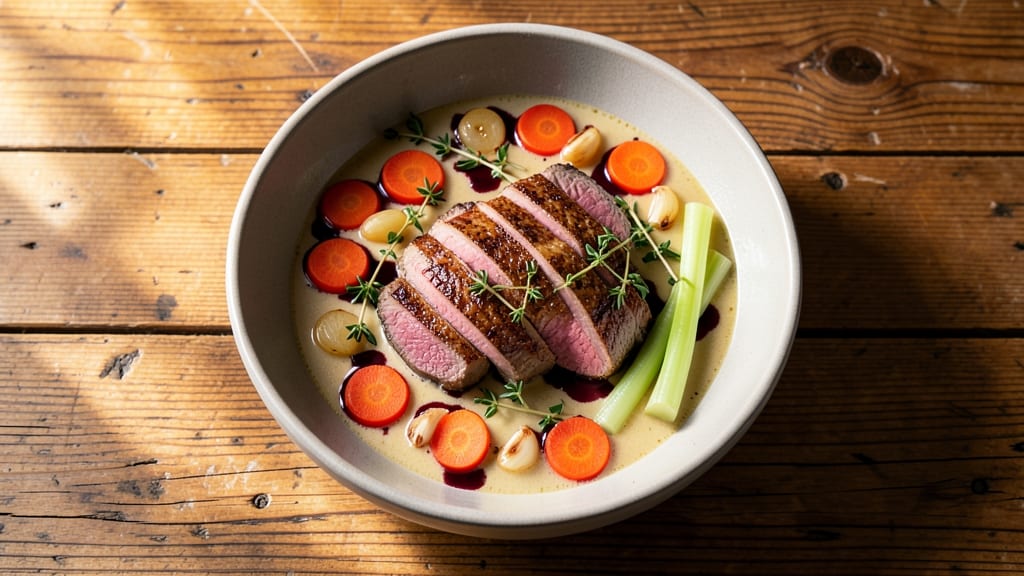
This tenderloin soup recipe transforms simple ingredients into a velvety, restaurant-quality broth packed with melt-in-your-mouth beef and aromatic vegetables. The secret lies in slow-braising the tenderloin, which infuses the broth with deep, beefy richness while keeping the meat impossibly tender—no tough, chewy bits here.
I developed this method after years of testing, and it consistently delivers a soup that feels luxurious yet remains approachable for home cooks.
The process is straightforward: sear the beef to lock in flavors, then simmer it gently with vegetables and herbs until the meat falls apart effortlessly.
This isn’t your average beef soup—it’s a 40-minute masterpiece that balances umami, sweetness, and savory depth, all while staying true to classic French techniques with a modern twist. The result? A bowl so rich and satisfying, it’ll become your new go-to dinner.
What makes this recipe truly special is how it elevates humble ingredients. The tenderloin, when cooked low and slow, dissolves into the broth, creating a naturally thick, velvety texture without needing heavy cream or roux.
Each spoonful delivers layers of flavor—caramelized onions, earthy mushrooms, and a hint of thyme—that turn an ordinary weeknight into a gourmet experience. Perfect for chilly evenings or when you crave comfort without compromise.
Pair it with a crisp baguette to soak up every last drop of that luxurious broth, or serve alongside a simple green salad for balance. The beauty of this recipe is its versatility—it’s elegant enough for dinner guests but simple enough for a solo night in.
Let’s get cooking and transform your kitchen into a French bistro.
Ingredients for tenderloin soup
Fifteen ingredients, one luxurious beefy masterpiece transforming humble pantry staples into restaurant-quality tenderloin soup.
| Ingredient | Amount | Notes |
|---|---|---|
| Beef Tenderloin 🥩 | 1 ½ lb | Center-cut, trimmed of fat |
| Yellow Onions 🧅 | 2 whole | Medium, thinly sliced |
| Carrots 🥕 | 4 whole | Medium, peeled, cut into chunks |
| Celery Stalks 🌿 | 3 whole | Trimmed, cut into 1-inch pieces |
| Garlic Cloves 🧄 | 6 cloves | Peeled, smashed |
| Fresh Thyme 🌿 | ¼ cup | Leaves only, stems removed |
| Fresh Parsley 🌿 | ⅛ cup | Leaves only, chopped |
| Dry White Wine 🍷 | 1 cup | Sauvignon Blanc preferred |
| Beef Stock 🥫 | 6 cups | Homemade or high-quality store-bought |
| Tomato Paste 🍅 | 2 tbsp | Smooth, not chunky |
| Olive Oil 🫒 | ¼ cup | Extra-virgin for richness |
| Salt 🧂 | 1 ½ tsp | Diamond Crystal preferred |
| Black Peppercorns 🌶️ | 1 tsp | Freshly cracked |
| Bay Leaves 🌿 | 2 whole | Dried, standard size |
| Fresh Mushrooms 🍄 | 8 oz | Cremini or baby bella, sliced |
The beef tenderloin is non-negotiable for this recipe—its tender texture and rich flavor are the soul of the soup. Look for center-cut pieces at your local butcher or specialty market like Whole Foods, as they offer superior marbling and tenderness. If you're buying pre-cut, ensure it's been trimmed of excess fat. The mushrooms add earthy depth; cremini or baby bella work best, but shiitake can be substituted for a more robust flavor. For the thyme and parsley, fresh is essential—dried herbs won't provide the same aromatic complexity, though you can use them in a pinch if absolutely necessary.
No white wine on hand? Substitute with an extra 1 cup of beef stock, though the acidity will differ slightly. The tomato paste can be omitted entirely if you prefer a cleaner broth, or replaced with 1 tbsp of paste from a can of crushed tomatoes. For a vegetarian twist, swap the beef tenderloin for 8 oz of king oyster mushrooms or hearts of palm, though the flavor profile will shift dramatically. The beef stock should be high-quality—homemade or brands like Pacific Foods make a noticeable difference. If you're using pre-sliced onions or carrots from the store, rinse them thoroughly to remove any excess moisture that could dilute the broth.
This soup tastes even better the next day as the flavors meld. Store in an airtight container in the refrigerator for up to 5 days, or freeze portions for up to 3 months. For reheating, warm gently on the stove over medium-low heat, stirring occasionally, until heated through. The broth will naturally thicken as it cools, so add a splash of water or stock if it becomes too concentrated. The tenderloin pieces can be removed before serving if you prefer a completely smooth texture, or left in for a heartier bite.
Why You'll Love This Recipe
- One-Pot Magic: I swear by this recipe because it’s literally one pot—no chopping boards, no extra pans. Just dice the onions, carrots, and celery while the tenderloin sears, toss everything in, and let the broth do the work. (Yes, even on a Tuesday night.)
- Rich, Deep Umami: That beef tenderloin? It melts into the broth like a dream, leaving behind layers of savory depth. The garlic and onions caramelize just enough to give it a warm, almost sweet finish—no fancy spices needed.
- Leftover Goldmine: This soup only gets better the next day. The flavors meld overnight, and the tenderloin shreds effortlessly for sandwiches or salads. I make a double batch just for this reason.
- Budget-Friendly Luxury: You’re using the priciest cut of beef, but the broth stretches to feed four for under $20. Honestly, it’s the kind of meal that makes you feel fancy without breaking the bank—or your grocery budget.
Step-by-step instructions for tenderloin soup
Here's the method for developing luxurious beefy depth while maintaining tender texture throughout.
Sear the Beef Tenderloin for Depth of Flavor
Heat the 0.25 cup olive oil in a large Dutch oven over medium-high heat until shimmering. Pat the 1.5 lb beef tenderloin thoroughly dry with paper towels—this ensures maximum browning. Working in batches if needed, sear the tenderloin on all sides until deeply browned, about 3-4 minutes per side for a 1.5-inch thick cut. The exterior should develop a rich mahogany crust while remaining tender inside.
As you sear, resist the urge to overcrowd the pan—this prevents steam buildup that would inhibit proper browning. Once browned, transfer the tenderloin to a plate and set aside. The rendered fond in the pan will form the flavor base for your soup, so don't wipe it clean. This searing step is what transforms ordinary beef stock into something extraordinary.
Develop the Aromatic Base
In the same Dutch oven, add the 2 whole yellow onions, 4 whole carrots, and 3 whole celery stalks, all cut to similar sizes for even cooking. Sauté for 5-6 minutes until the vegetables soften and begin to caramelize at the edges. Add the 6 cloves garlic cloves and 8 oz fresh mushrooms (sliced), cooking for another 3-4 minutes until the mushrooms release their moisture and the garlic becomes fragrant.
Here's where the soup's complexity begins. The vegetables should be tender but not mushy—you want them to break down slightly during the simmering phase. Stir in the 2 tbsp tomato paste and cook for 1 minute, allowing it to deepen in color and develop its umami notes. This step builds the foundation for the rich, velvety texture that defines this soup.
Build the Broth with Wine and Stock
Deglaze the Dutch oven with the 1 cup dry white wine, scraping up all the browned bits from the bottom. Let it simmer for 2-3 minutes until reduced by half, allowing the alcohol to cook off and concentrate the flavors. Add the 6 cups beef stock, 1.5 tsp salt, 1 tsp black peppercorns, and 2 whole bay leaves, bringing the mixture to a gentle simmer over medium heat.
The reason we use both wine and stock is to create a layered flavor profile—acidity from the wine brightens the richness of the beef, while the stock provides depth. Return the seared tenderloin to the pot, along with the 0.25 cup fresh thyme leaves, ensuring they're submerged. Partially cover the pot and let it simmer gently for 20 minutes, maintaining a temperature between 190-200°F.
Achieve Tender Perfection
After 20 minutes of simmering, remove the beef tenderloin and let it rest on a cutting board for 5 minutes. Using two forks, shred the meat into ½-inch strips, discarding any large fat deposits. Return the shredded beef to the pot and stir gently to distribute it evenly throughout the broth. The meat should be fork-tender but still hold its shape when shredded.
Simmer the soup uncovered for an additional 10 minutes to allow the flavors to meld and the liquid to reduce slightly, intensifying its richness. Taste and adjust the seasoning if needed—this is where you'll appreciate the quality of your ingredients. The soup should be deeply flavorful with a perfect balance of beefy richness and aromatic vegetable notes.
Finish with Fresh Herbs and Serve
Remove the pot from heat and stir in the 0.125 cup fresh parsley leaves. The parsley adds a bright, fresh contrast to the rich beef flavors. Let the soup rest for 5 minutes before serving to allow the flavors to fully integrate. Ladle the soup into bowls, ensuring each serving contains an even distribution of beef, vegetables, and broth.
This soup delivers on its promise of tenderness through precise cooking techniques—searing for depth, controlled simmering for texture, and proper resting periods for flavor development. The result is a luxurious dish where every spoonful reveals layers of beefy richness balanced by aromatic vegetables and bright herbs.
Pro Tips For Making Tenderloin Soup
- Sear the Meat First: Tenderloin soup isn’t just about flavor—it’s about texture. After slicing the tenderloin, hit a dry skillet with high heat and sear each piece for 2-3 minutes per side before adding it to the pot. The crust locks in juices and adds depth that simmering alone won’t match. (Yes, even if you’re impatient like me, don’t skip this.)
- Cut Onions Thinly: I used to chop onions into big chunks for soup, thinking it’d soften anyway. Wrong. Thinly sliced yellow onions (about 1/8-inch thick) dissolve into the broth faster and sweeten it up without turning mushy. Save yourself the wait—no one wants to taste raw onion bits in their soup.
- Don’t Overcrowd the Pot: Tossing everything into the pot at once guarantees uneven cooking. Start with onions, carrots, and celery in a single layer, then add garlic and tenderloin after they’ve softened. If the pot gets crowded, the veggies steam instead of caramelize, and the meat stays bland. (Your future self will notice.)
- Deglaze with Wine: After searing the tenderloin, resist the urge to just add broth. Splash in 1/2 cup of dry white wine (or even a splash of vinegar) and scrape up those browned bits—this is where the real flavor hides. Let it reduce by half before adding liquid. (Sounds weird, but it works: the soup tastes richer instantly.)
Dietary considerations for this dish
Gluten-Free Adaptation
The original recipe is naturally gluten-free as long as you use gluten-free beef stock and verify that all other ingredients (like tomato paste and wine) are certified gluten-free. I recommend Pacific Foods gluten-free beef stock—it has the same rich depth without any risk of cross-contamination.
The tenderloin itself is always gluten-free, and the vegetables, herbs, and olive oil are naturally safe. Always double-check labels, especially for wine, as some brands may contain additives. 🌾
Dairy-Free Considerations
This tenderloin soup is already dairy-free, making it perfect for those avoiding lactose or following vegan diets with a meat substitute. The richness comes entirely from the beef, wine, and stock, so no creams or cheeses are needed.
For extra creaminess without dairy, stir in 2 tablespoons of coconut cream or nutritional yeast at the end for a cheesy flavor. The mushrooms and carrots also add natural sweetness that balances the beefy notes beautifully. 🥛
Low-Carb Modifications
To make this soup low-carb, skip the carrots and celery (or reduce them to 1 carrot and 1 celery stalk) and replace them with 1 cup sliced zucchini or 2 cups chopped cauliflower. The mushrooms and onions provide enough flavor without overloading on carbs.
For extra richness, add 1 tablespoon of butter or 1 tablespoon of olive oil when serving. This version keeps the soup hearty and satisfying while staying under 5g net carbs per serving. 🥦
Protein-Packed Boost
For a high-protein twist, increase the beef tenderloin to 2 lbs and add ½ cup cooked quinoa or ½ cup cooked lentils to the broth during the final 10 minutes of simmering. The quinoa absorbs the flavors beautifully, while lentils add fiber and plant-based protein.
Each serving will then pack 40g+ of protein, making it ideal for meal prep or post-workout recovery. Just ensure the lentils are well-cooked to avoid a mushy texture. 💪
Vegetarian Substitutes
For a vegetarian version, replace the beef tenderloin with 1.5 lbs of king oyster mushrooms (sliced into thick rounds) or 1.5 lbs of hearts of palm. Sear the mushrooms in the same way as the beef to develop a deep, meaty flavor.
Use vegetable stock instead of beef stock and add 1 teaspoon of soy sauce or 1 tablespoon of miso paste to enhance umami. The texture will differ, but the soup remains rich and satisfying. 🍄
Allergen-Friendly Tips
If you're managing shellfish allergies or nut sensitivities, this recipe is already safe as long as you avoid cross-contamination. For soy allergies, skip the soy sauce in the vegetarian version and use coconut aminos instead.
Always cook with clean utensils and surfaces if allergens are a concern. The tenderloin soup’s simplicity makes it naturally adaptable to most dietary restrictions while keeping the luxurious flavors intact. 🛡️
Nutrition facts
Frequently asked questions
Can I use a different cut of beef instead of tenderloin?
While tenderloin is ideal for its tenderness, you can substitute with filet mignon or sirloin tip roast (cut into chunks). Avoid tougher cuts like chuck or brisket—they won't dissolve as beautifully. For a budget-friendly option, try top round roast, but increase simmering time to 45 minutes for tenderness. The key is choosing a cut that breaks down easily in liquid.
How do I prevent the soup from becoming too thin?
Simmer uncovered for the last 10 minutes to reduce the broth naturally. If it's still too thin, stir in 1 tbsp cornstarch mixed with 2 tbsp cold water and simmer for 2-3 minutes until thickened. Avoid over-simmering the vegetables—they release starch that can thin the soup. For extra richness, add 2 tbsp heavy cream at the end (optional).
Can I make this soup ahead of time?
Yes! This soup tastes even better the next day as flavors meld. Store in an airtight container in the fridge for up to 5 days or freeze for 3 months. Reheat gently on the stove, stirring occasionally. The broth will naturally thicken as it cools—add a splash of water if needed. The beef remains tender when reheated properly.
What's the secret to keeping the beef tender?
The 30-minute total cooking time (including searing and simmering) is critical. Sear first to lock in juices, then simmer gently at 190-200°F—never boiling. Overcooking dries out the meat. Rest the beef 5 minutes before shredding to redistribute juices. This method guarantees melt-in-your-mouth texture.
How can I make this soup kid-friendly?
Blend half the soup until smooth for a creamy texture, then stir back in. Remove mushrooms and reduce onions/garlic. Add ½ cup cooked noodles or diced potatoes during the last 15 minutes of simmering. Serve with crusty bread or crackers for dipping. Kids love the familiar comfort of beefy broth without strong flavors.