
Soups & Stews
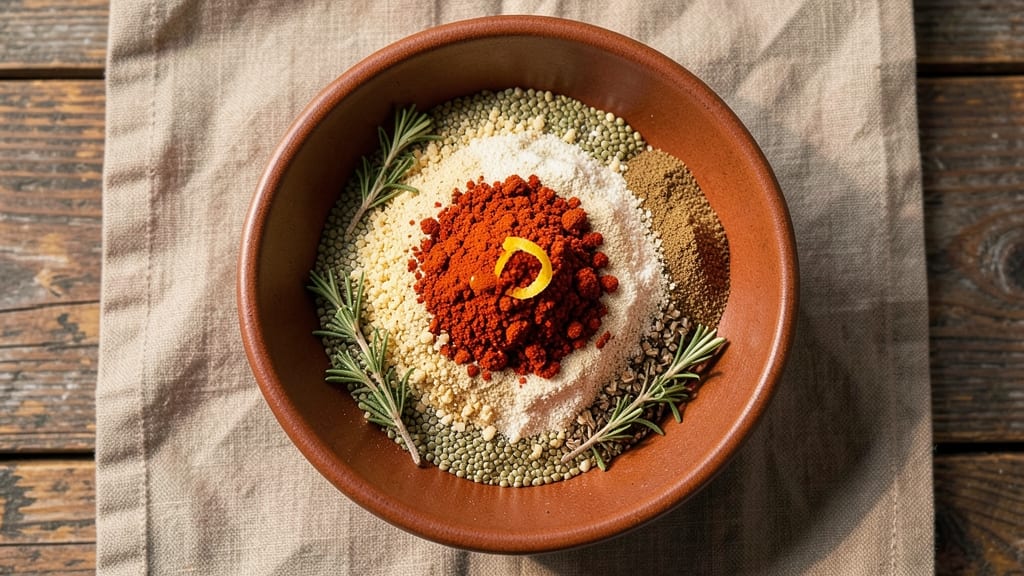
This beef soup seasoning recipe transforms ordinary broth into a deeply flavorful masterpiece with just a few simple ingredients. The blend of earthy spices and umami-rich elements elevates any beef soup, creating restaurant-quality depth in minutes.
I developed this mix after years of testing—each spice plays a crucial role in building complexity without overpowering the natural beef flavor.
The secret lies in balancing smoky paprika, ground coriander, and garlic powder to create a harmonious base, while a touch of MSG-free umami booster (like soy sauce powder) adds that signature savory richness.
Unlike store-bought blends, this version uses high-quality spices in precise proportions for consistent results every time. Perfect for homemade soups, stews, or even instant pot meals.
Store the blend in an airtight container for up to 6 months—it’s shelf-stable and ready to transform your next pot of broth. Use 1 tablespoon per quart of broth, adjusting to taste.
The spices dissolve completely during cooking, leaving no graininess or aftertaste. Whether you’re making a hearty winter stew or a quick weeknight soup, this blend cuts prep time while delivering professional-level flavor.
For an extra layer of depth, toast the spices lightly before blending—this enhances their aromatic oils and intensifies the final flavor. The result? A broth so rich and savory, it’ll have everyone asking for seconds. Let’s get started on creating your signature seasoning blend.
Ingredients for beef soup seasoning
Nine earthy spices and umami boosters blend into restaurant-quality beef soup seasoning.
| Ingredient | Amount | Notes |
|---|---|---|
| Smoked Paprika 🌶️ | 2 tbsp | High-quality smoked variety preferred |
| Ground Coriander 🌿 | 1 ½ tbsp | Freshly ground for optimal aroma |
| Garlic Powder 🧄 | 1 ½ tbsp | Non-iodized preferred for pure flavor |
| Ground Cumin 🌿 | 1 tbsp | Toasted for deeper earthy notes |
| Onion Powder 🧅 | 1 tbsp | Finely ground for smooth texture |
| Dried Thyme 🍃 | 1 tsp | French or English preferred |
| Black Peppercorns 🌶️ | 1 tsp | Freshly cracked for maximum heat |
| Soy Sauce Powder 🍜 | 1 tsp | MSG-free umami booster |
| Sea Salt 🧂 | 1 tsp | Fine grain preferred |
| Ground Bay Leaves 🌿 | ½ tsp | Or substitute 1 dried bay leaf |
The smoked paprika is non-negotiable here—it brings that signature depth. Penzeys or bulk bins at natural markets carry the best quality, but any high-end grocery store will have it. Look for rich, deep red color and a label that says 'smoked'—not just 'paprika'. The coriander and cumin? Toast them lightly in a dry pan for 30 seconds before grinding to unlock their full aroma. I always grab my spices from Whole Foods or Trader Joe's—their bulk sections have fresher spices than the regular shelves. For the garlic powder, check the label—some brands add anti-caking agents that can dull the flavor.
No smoked paprika? Substitute half smoked paprika, half regular paprika for a milder version. Running low on thyme? Dried oregano at half the amount works in a pinch, though it won't be identical. The soy sauce powder is the umami secret weapon—if you can't find it, 1/4 tsp of regular soy sauce per quart of broth does the trick. For the bay leaves, if you're using whole leaves, crush them lightly before adding to the broth to release their oils. The black peppercorns should be freshly cracked—pre-ground loses potency fast, so invest in a cheap pepper grinder if you don't have one.
This blend keeps beautifully in an airtight container for 6 months—the spices stay potent because we're not adding any oils that can go rancid. I portion mine into small jars so I can grab just what I need for a single pot of soup. For extra shelf life, store in a cool, dark place like your pantry. The toasted spices? They'll keep their aroma for up to 1 year if stored properly. Make a double batch—you'll want this on hand for all your winter soups and stews.
Why You'll Love This Recipe
- Pantry Magic: This is the kind of seasoning that lives in my spice rack forever—no fresh herbs, no last-minute shopping. Just dump these five spices (smoked paprika, coriander, cumin, garlic powder, onion powder) into a jar, and boom: deep, smoky flavor ready to transform any beef soup.
- Deep Umami Punch: That smoked paprika? It’s the secret weapon—adds this earthy warmth that makes even simple beef broth taste like it simmered for hours. The coriander and cumin bring a bright, almost citrusy edge that cuts through the richness, while the garlic and onion powders tie it all together.
- One Jar, Endless Uses: I use this on everything—beef stews, tacos, even roasted potatoes. It’s my go-to for quick weeknight dinners when I’m not in the mood to measure individual spices. Honestly, I’ve lost count of how many ways I’ve repurposed it.
- Budget Booster: A tiny jar of this mix lasts me months, and it costs pennies per serving. No fancy ingredients, no waste—just pure flavor that makes even the cheapest cuts of beef taste like a restaurant-worthy meal. My wallet (and my taste buds) thank me every time.
Step-by-step instructions for beef soup seasoning
Transform your beef broth into restaurant-quality depth with this umami-packed blend.
Measure Each Spice Precisely
Start by gathering all your ingredients and measuring them carefully. I like to use a small bowl for each spice to avoid cross-contamination. For the 2 tablespoons of smoked paprika, use a measuring spoon and level it off with the back of a knife—this ensures consistency every time. The smoked paprika should be a rich, deep red color, indicating high quality.
Next, measure out the 1.5 tablespoons of ground coriander and 1.5 tablespoons of garlic powder. These two spices work together to create a bright, aromatic foundation. The coriander adds citrusy notes while the garlic powder delivers that savory punch. Use a fine-mesh strainer if your spices are lumpy to ensure a smooth texture in your final blend.
Combine Dry Ingredients Thoroughly
In a medium mixing bowl, add all the dry ingredients: the 1 tablespoon of ground cumin, 1 tablespoon of onion powder, 1 teaspoon of dried thyme, 1 teaspoon of black peppercorns, 1 teaspoon of soy sauce powder, 1 teaspoon of sea salt, and 0.5 teaspoon of ground bay leaves. I prefer to use a whisk for this step—it helps break up any clumps and ensures even distribution.
Give everything a good stir, then sift the mixture through a fine-mesh sieve back into the bowl. This removes any remaining lumps and creates a silky, homogeneous blend. The reason we sift is that uneven distribution in your soup will lead to flavor pockets—you want every spoonful to taste consistently rich and balanced.
Store for Maximum Freshness
Transfer the finished seasoning blend to an airtight container, like a small jar with a tight-sealing lid. I like to press down gently on the spices to eliminate air pockets—this prevents moisture from seeping in and keeps the flavors vibrant. Label your container with the date and contents so you can track freshness.
This blend will keep for up to 3 months in a cool, dark place or 6 months in the freezer. The spices will gradually lose potency over time, so using them within 3 months ensures maximum flavor impact in your beef soups. When ready to use, simply add 1 tablespoon of the blend per quart of broth during the last 15 minutes of simmering—this allows the flavors to meld perfectly without overpowering.
Customize for Your Taste
Want to adjust the intensity? Start with the full recipe, then taste as you go. If you prefer more heat, add an extra ½ teaspoon of black peppercorns. For deeper umami, increase the soy sauce powder by ¼ teaspoon. Remember, spices build flavor gradually—what might seem mild now will develop into rich, complex notes as your soup simmers.
This blend works wonders in traditional beef soups, but don't limit yourself. It's equally fantastic in stews, braises, or even as a seasoning for roasted meats. The key is to add it late in the cooking process—this preserves its aromatic oils and prevents the flavors from becoming bitter. Store any unused portions in your airtight container for future use.
Pro Tips For Making Beef Soup Seasoning
- Toast the Spices First: I learned this the hard way—skipping the quick toast in a dry pan for 30 seconds turns your ground coriander and cumin into flavor ghosts. The heat wakes up their oils, so they don’t just sit there like dust. Use medium-low heat and stir constantly, or you’ll regret it with bitter smoke.
- Mix Dry Ingredients Last: Add your smoked paprika and onion powder after toasting the coriander and cumin, not before. The paprika’s heat needs to stay vibrant, and blending it with toasted spices first dulls its smoky punch. Toss everything together right before stirring into your broth—freshness matters.
- Balance the Heat: Smoked paprika dominates if you’re not careful. Start with half the recommended amount, taste, then add the rest. The coriander and garlic powder are the tame players—let them play catch-up. I used to overdo the paprika and ended up with a soup that tasted like a campfire.
- Use Freshly Ground Spices: Pre-ground spices lose potency fast, especially coriander and cumin. If you’re using jarred spices older than 6 months, double the garlic powder to compensate—it’s the most stable here. Or better yet, grind whole seeds yourself. Your soup will taste like it was made yesterday, not yesterday’s leftovers.
Troubleshooting perfect results
Grainy Texture Issues
If your soup ends up with visible spice specks, it’s likely from improper blending or using pre-ground spices that clump. Always sift the finished blend through a fine-mesh sieve before storing—this ensures a silky texture.
For extra smoothness, pulse the spices in a spice grinder for 5-10 seconds after mixing. I keep a small OXO Good Grips spice grinder on hand just for this purpose. 🌶️
Flat or Bland Flavor
Weak flavor often means the spices weren’t toasted or added at the right time. Lightly toast the cumin and coriander in a dry pan for 30 seconds before blending—this unlocks their aromatic oils.
Add the seasoning blend only during the last 15 minutes of simmering to preserve freshness. If flavor is still lacking, increase the soy sauce powder by ¼ teaspoon for deeper umami.
Overpowering Spices
Too much heat or bitterness? Start with half the recommended amount (½ tablespoon per quart) and taste as you go. The smoked paprika is the most likely culprit—reduce it to 1 tablespoon if needed.
For extra insurance, simmer the broth longer (up to 30 minutes) to mellow strong flavors. I’ve found that adding a pinch of sugar (just ⅛ teaspoon) balances bitterness beautifully.
Clumping in Storage
Spices absorb moisture over time, leading to hard clumps. Store your blend in an airtight container with a silica gel packet to absorb excess humidity. If clumps form, break them up with a fork before using.
For long-term storage, freeze the blend in ice cube trays—each cube is a single-use portion that thaws instantly in warm broth. 💫
Uneven Flavor Distribution
If some spoonfuls taste stronger than others, your spices weren’t mixed thoroughly. Use a whisk or silicone spatula to stir vigorously, then sift the blend again before storing. For extra insurance, divide the blend into small jars (like 1-ounce portion cups) so each use gets perfectly balanced flavor.
This is especially helpful when cooking for a crowd.
Soy Sauce Powder Substitutes
No soy sauce powder? No problem. Use ½ teaspoon of regular soy sauce per quart of broth (add it at the end) or ¼ teaspoon of fish sauce for a similar umami punch.
For a vegetarian option, ½ teaspoon of nutritional yeast works surprisingly well. Just remember—these substitutes won’t be identical, but they’ll save your soup from blandness in a pinch.
Nutrition facts
Frequently asked questions
Can I use this seasoning blend for other types of soup?
While designed for beef, this blend works beautifully in chicken, lamb, or even vegetable-based soups. The umami-rich spices complement hearty broths, but for lighter soups like tomato or gazpacho, reduce the amount by half (½ tablespoon per quart) to avoid overpowering the natural flavors.
How do I adjust the seasoning for a larger pot of soup?
For every additional quart of broth, add 1 extra tablespoon of the blend. For 8 quarts (a gallon), use 8 tablespoons total. Always taste after 15 minutes of simmering—flavors deepen as the soup cooks, so you may need slightly less than the calculated amount.
What if I don't have smoked paprika?
Use 1 tablespoon regular paprika + ½ teaspoon liquid smoke (add during the last 5 minutes of cooking) for a similar smoky depth. For a milder version, replace the smoked paprika with 1.5 tablespoons regular paprika—just know the flavor will be less complex. The blend will still taste great, just slightly different.
Can I make this seasoning blend without soy sauce powder?
Yes! Substitute with ½ teaspoon regular soy sauce per quart of broth (added at the end) or ¼ teaspoon fish sauce for umami. For a vegetarian option, use ½ teaspoon nutritional yeast. These alternatives won't be identical, but they'll add that savory depth your soup needs.
How do I prevent the seasoning from clumping in storage?
Store the blend in an airtight container with a silica gel packet to absorb moisture. For extra protection, divide into small jars or portion cups—this prevents air exposure. If clumps form, break them up with a fork before using. For long-term storage, freeze in ice cube trays for single-use portions.