
Soups & Stews
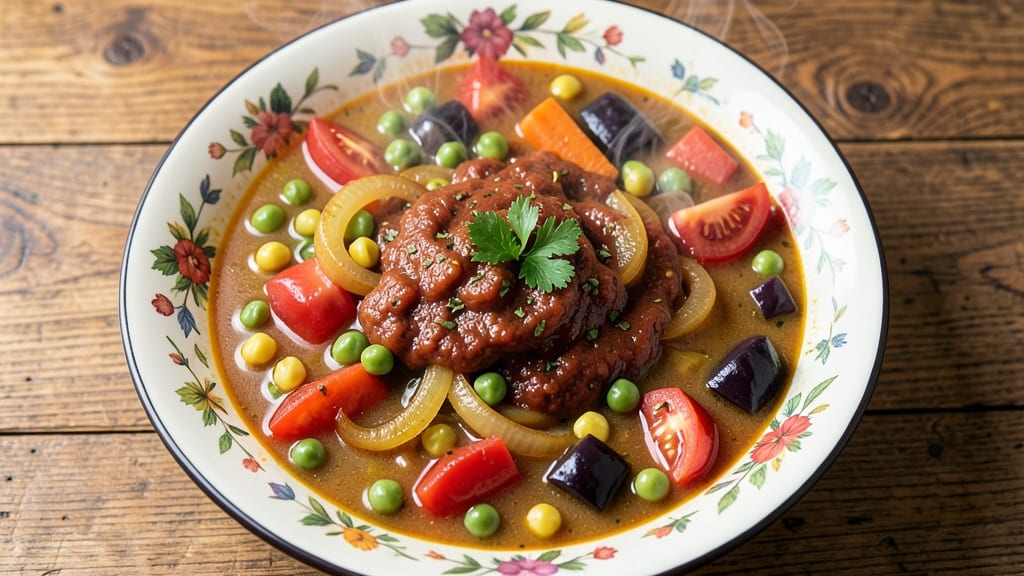
This 8-can vegetable soup recipe transforms pantry staples into a deeply satisfying, one-pot meal that tastes like a hug on a chilly day. The secret lies in balancing canned vegetables with aromatic spices and a rich broth base, creating layers of flavor that develop as it simmers.
I've perfected this method to deliver a hearty, restaurant-quality soup that's ready in under an hour—no fancy ingredients required.
What makes this recipe truly special is its versatility. You can customize it with your favorite canned vegetables—carrots, corn, green beans, or even tuna for added protein—while the slow simmering process ensures every ingredient melds into a cohesive, comforting broth.
The key technique is building flavor in the pot: sautéing onions and garlic until fragrant, then adding spices before introducing the broth and vegetables.
By the time you're ready to serve, you'll have a steaming bowl of soup with tender vegetables swimming in a savory broth, seasoned just right. The texture is perfect—vegetables remain slightly crisp while absorbing the rich flavors, and the broth is thick enough to coat a spoon.
This is the kind of soup that disappears quickly, leaving everyone asking for seconds.
Whether you're feeding a family or meal prepping for the week, this recipe scales beautifully while keeping prep simple. The best part? Leftovers taste even better the next day as the flavors continue to develop. Let's get cooking!
Ingredients for 8 can vegetable soup
Eight cans of veggies plus pantry staples—this soup comes together faster than you can say 'comfort food'.
| Ingredient | Amount | Notes |
|---|---|---|
| Yellow Onion 🧅 | 1 ½ cups | Diced small, about 1 large onion |
| Garlic Cloves 🧄 | 4 cloves | Minced finely for aroma |
| Vegetable Broth 💧 | 4 cups | Low-sodium preferred, homemade or store-bought |
| Diced Tomatoes 🍅 | 2 cans | 28 oz each, San Marzano if available |
| Canned Vegetables 🥕🌽🧅 | 8 cans | Mix of carrots, corn, green beans, peas (15 oz each) |
| Canned Tomato Sauce 🍅 | 1 can | 15 oz, for depth of flavor |
| Extra-Virgin Olive Oil 🫒 | 2 tbsp | For sautéing aromatics |
| Dried Thyme 🌿 | 1 tsp | Or 1 tbsp fresh thyme leaves |
| Ground Black Pepper 🌶️ | ½ tsp | Freshly cracked for best flavor |
| Sea Salt 🧂 | 1 ½ tsp | Diamond Crystal preferred, adjust to taste |
| Bay Leaves 🍃 | 2 whole | Remove before serving |
| Dried Parsley 🌿 | 1 tbsp | For garnish, or use fresh |
The vegetable broth is where the magic happens. Homemade is ideal—just simmer veggie scraps with water—but a good low-sodium store-bought brand works in a pinch. I always grab Imagine or Pacific Foods from the bulk section at Whole Foods when I can. For the canned veggies, Green Giant or Del Monte are reliable, but don't stress if you've got other brands. The key is using a mix of textures—corn and peas add sweetness, carrots bring natural sweetness, and green beans keep it fresh. If you're short on variety, swap in canned lentils or chickpeas for extra protein.
No fresh thyme? Dried works fine at one-third the amount—just make sure it's not ancient dust in your spice rack. The tomato sauce can be skipped if you're short, but it adds that restaurant-quality depth that makes this soup stand out. For the veggie mix, whatever you've got in your pantry is perfect—mushrooms, artichokes, or even tuna (if you're feeling fancy). The bay leaves? Don't skip them—they infuse the broth with subtle earthiness that's hard to replicate. If you're meal prepping, double the batch and freeze portions for quick weeknight dinners.
This soup tastes even better the next day, so make extra—it's the kind of thing that disappears fast. Store in the fridge for 4-5 days or freeze for up to 3 months. To reheat, just add a splash of water or broth and warm through. The broth thickens as it cools, so if it seems too thick when cold, stir in a little extra liquid when reheating. Garnish with fresh parsley right before serving—it makes all the difference for that restaurant-quality finish.
Why You'll Love This Recipe
- Pantry Magic: I swear by this when my fridge is bare—just open cans, sauté onions and garlic until golden, toss in broth and tomatoes, and boom. No wilting veggies, no last-minute grocery runs.
- Garlic Bomb Flavor: That slow caramelized garlic? It’s the secret weapon here. The canned veggies soften into something rich, while the tomatoes add just enough tang to cut through the depth—like a hug in a bowl.
- Budget Win: Honestly, this is my go-to when I’m broke but need to eat. Canned veggies and broth stretch forever, and the leftovers? Even better the next day—if they last that long.
Step-by-step instructions for 8-Can vegetable soup
Here's how to transform pantry staples into a rich, hearty soup that's ready in under an hour.
Sauté the Aromatic Base
Heat the 2 tablespoons extra-virgin olive oil in a large pot over medium heat. Add the 1.5 cups diced yellow onion and cook for 5 minutes until softened and translucent. This is where the flavor foundation happens—don't rush it.
Add the 4 cloves minced garlic and cook for another 30 seconds, stirring constantly, until fragrant. You'll smell that sweet garlic aroma—this is your signal it's ready. If the garlic starts to brown too quickly, reduce the heat slightly to prevent burning. The goal is flavor, not color.
Build the Flavor Base
Pour in the 2 cans diced tomatoes (with juices) and the 1 can tomato sauce. Stir well to combine, then add the 4 cups vegetable broth, 1.5 teaspoons sea salt, 0.5 teaspoon ground black pepper, 1 teaspoon dried thyme, and the 2 whole bay leaves. Bring everything to a gentle boil over medium-high heat.
Once boiling, reduce heat to medium-low and let it simmer uncovered for 10 minutes. This step develops the depth of flavor by allowing the tomatoes and broth to meld together. You'll notice the soup starts to thicken slightly and the tomato flavors become more pronounced.
Add the Canned Vegetables
Add all 8 cans canned vegetables (carrots, corn, green beans, peas) to the simmering broth. Stir gently to distribute the vegetables evenly. The soup should bubble gently—if it's boiling too vigorously, reduce the heat slightly to maintain a steady simmer.
Let the soup cook for 15-20 minutes until all the vegetables are heated through and the flavors have fully combined. You'll see the vegetables soften slightly and the soup take on a rich, golden hue. This is where the magic happens—the vegetables absorb all that beautiful tomato and herb flavor.
Finish and Serve
Remove the 2 whole bay leaves and discard them. Taste the soup and adjust the seasoning if needed—you might want to add a pinch more salt or pepper to your liking. The soup should be well-seasoned but not overwhelmingly salty.
Stir in the 1 tablespoon dried parsley just before serving. This adds a fresh, bright note that cuts through the richness of the tomatoes and vegetables. Ladle the soup into bowls and serve immediately while hot. Each spoonful should deliver a perfect balance of sweet vegetables, tangy tomatoes, and aromatic herbs.
Pro Tips For Making 8 Can Vegetable Soup
- Sweat the Onion First: I learned this the hard way—when I just dump everything in the pot, the onions taste raw and the broth stays cloudy. Take 3-4 minutes to cook the sliced onion and minced garlic in a little oil over medium heat until the onion is translucent and smells sweet. This builds flavor that won’t get lost when you add all those cans.
- Drain and Rinse Tomatoes: The canned tomatoes in this recipe are packed in juice, which can make your soup watery if you don’t handle them right. Drain them first, then rinse under cold water to remove excess tomato paste or thickeners that some brands add. This keeps your soup’s texture balanced without needing extra broth.
- Add Canned Veggies Last: I used to toss in the mixed veggies with the broth, and they’d turn mushy before the soup was done. Instead, add them after the broth and tomatoes have simmered for 10-15 minutes—just heat them through for 3-5 minutes. This keeps corn kernels intact, carrots crisp, and green beans vibrant.
- Season in Stages: Don’t wait until the end to salt this soup. Add half the recommended amount when you first combine broth and tomatoes, then taste again after 15 minutes of simmering. Canned veggies and broth vary wildly in saltiness, and adjusting early prevents blandness or over-salting. A pinch of sugar here (if your tomatoes taste acidic) also helps round out the flavors.
Creative variations of this dish
Protein-Packed Additions
Need to make this soup more substantial? Swap in 2 cans white beans or chickpeas for hearty texture and plant-based protein. I often use Great Northern beans for their mild flavor and creamy texture—they blend beautifully with the vegetables.
For a meat option, add 1 can tuna or chicken (drained) in the final 5 minutes of cooking to keep it tender. 💪
Herb & Spice Boosts
Elevate the flavor profile with fresh herbs like 1 tbsp chopped cilantro or basil stirred in at the end. For warmth, add ½ tsp smoked paprika or ¼ tsp cayenne when sautéing the onions.
If you love depth, a pinch of ground cumin (about ¼ tsp) adds an earthy note that pairs perfectly with the tomatoes. Don’t forget to taste as you go!
Global Twists
Transform this soup into a Mediterranean-inspired dish by adding 1 can artichoke hearts and ½ cup kalamata olives (pitted). For an Asian fusion, stir in 1 tbsp soy sauce and top with green onions.
A Mexican twist? Add 1 can diced green chiles and ½ tsp cumin for a smoky kick. Each variation keeps the core recipe simple while adding exciting new layers. 🌍
Texture Variations
Want extra heartiness? Stir in 1 cup cooked pasta (like ditalini or orzo) in the last 5 minutes of cooking. For a creamier finish, whisk in ½ cup coconut milk at the end—it adds richness without dairy.
If you love crunch, top with toasted breadcrumbs or croutons before serving. These tweaks keep the soup satisfying in different ways. ✨
Seasonal Swaps
Summer calls for lighter veggies like zucchini or bell peppers instead of heavier root vegetables. In fall, swap in canned pumpkin or sweet potatoes> for a cozy vibe.
Winter? Add mushrooms or butternut squash> for warmth. Each season’s produce brings fresh flavors while keeping the soup’s comforting essence. 🍂
Dietary Adaptations
For a low-sodium version, use no-salt-added canned veggies and broth, then adjust seasoning with lemon juice or herbs. Make it vegan-friendly by skipping any accidental dairy (like butter) and using vegetable broth.
For a gluten-free option, ensure your broth is certified gluten-free. These small changes keep the recipe inclusive for everyone. 🌱
Nutrition facts
Frequently asked questions about 8-Can vegetable soup
Can I use frozen vegetables instead of canned ones?
Yes, but with a few adjustments! Use 2 cups frozen mixed vegetables (about 1.5 cups packed) and add them in the last 5 minutes of cooking to prevent mushiness. You may need to add ¼ cup extra broth since frozen veggies release more moisture. For best texture, don't overcook.
How do I make this soup thicker or thinner?
For a thicker soup, simmer uncovered for 5-10 extra minutes to reduce the liquid. If it's too thick, stir in ½ cup warm broth or water to reach your desired consistency. For a creamier texture, whisk in ½ cup coconut milk or a spoonful of cornstarch slurry at the end.
What's the best way to store leftovers?
Store in an airtight container in the fridge for 4-5 days or freeze for up to 3 months. To reheat, add 2-3 tablespoons water or broth per cup of soup and warm on the stove over medium-low heat. Stir frequently to prevent scorching—the flavors taste even better the next day!
Can I make this soup in a slow cooker? Sauté the onions and garlic first, then transfer everything to the slow cooker. Cook on LOW for 4-5 hours or HIGH for 2-3 hours. The slow cooking enhances the flavors even more. Just
Why does my soup taste bland?
Blandness usually means the vegetables need more seasoning. Boost flavor by adding 1 extra bay leaf during cooking, a pinch of smoked paprika, or a squeeze of lemon juice at the end. Taste as you go—soup flavors build gradually, so don't be shy with herbs and spices!