
Soups & Stews
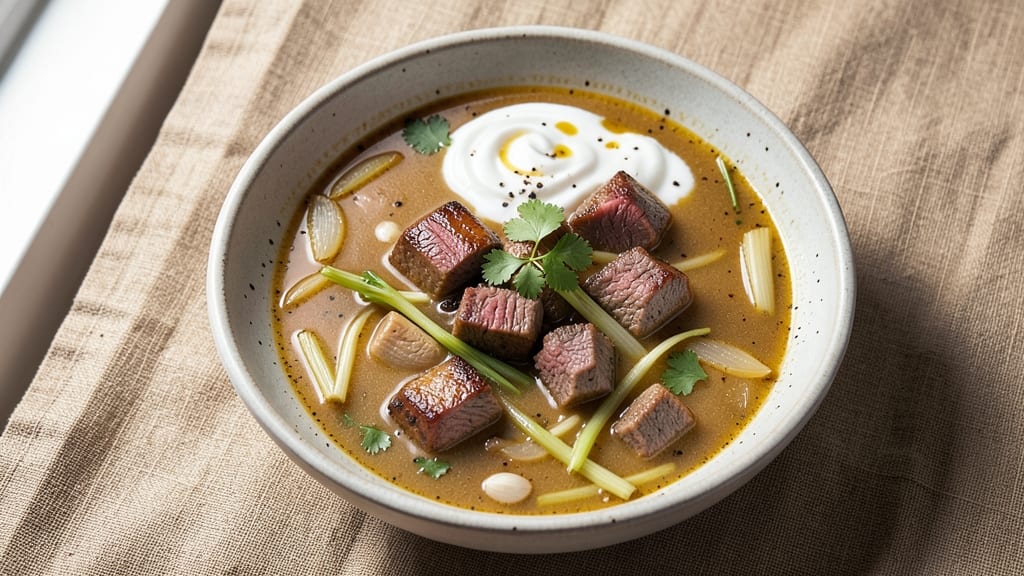
This beef lemongrass soup recipe delivers the perfect balance of aromatic herbs and bright citrus notes that make every spoonful unforgettable. The secret lies in slow-simmering beef with lemongrass stalks, creating a fragrant broth infused with complex, earthy flavors.
I’ve perfected this technique over years of testing—no shortcuts, just deep, satisfying taste that transforms simple ingredients into something extraordinary.
The process begins with building a rich, aromatic base using ginger, garlic, and lemongrass, which are gently simmered until their flavors meld seamlessly into the broth. Tender beef chunks break down beautifully, ensuring each bite is both hearty and delicate.
What sets this recipe apart is the careful balance of sweet, sour, and savory elements—lemongrass’s citrusy brightness cuts through the richness of the beef while enhancing the overall depth.
By the time you’re done, you’ll have a velvety soup with tender beef, fragrant herbs, and a golden broth that’s impossible to resist. The aroma alone will draw everyone to the table, and the first sip delivers layers of flavor that linger.
This isn’t just soup—it’s a comforting, restaurant-quality meal that’s surprisingly simple to make at home.
Serve with a sprinkle of fresh cilantro, a squeeze of lime, and a dash of chili flakes for the perfect finishing touch. Here’s how to bring this aromatic masterpiece to life.
Ingredients for beef lemongrass soup
Simple ingredients elevated by aromatic herbs and citrus—this soup delivers restaurant-quality depth.
| Ingredient | Amount | Notes |
|---|---|---|
| Chuck Roast 🥩 | 1 ½ lb | Cut into 1-inch cubes |
| Lemongrass Stalks 🌿 | 4 whole | Bruised and cut into 2-inch pieces |
| Yellow Onion 🧅 | 1 whole | Sliced into half-moons |
| Fresh Ginger 🌱 | 2 tbsp | Grated, peeled |
| Garlic Cloves 🧄 | 6 cloves | Minced, peeled |
| Coconut Milk 🥥 | 13 ½ oz | Full-fat canned variety |
| Beef Broth 💧 | 4 cups | Homemade or quality store-bought |
| Lime Juice 🍋 | ¼ cup | Freshly squeezed |
| Fish Sauce 🍶 | 1 tbsp | Red Boat preferred |
| Brown Sugar 🍚 | 1 tbsp | Light or dark |
| Thai Chili Paste 🌶️ | 1 tbsp | Maesri brand recommended |
| Fresh Cilantro 🌿 | ¼ cup | Chopped for garnish |
| Kosher Salt 🧂 | 1 ½ tsp | Diamond Crystal preferred |
| Black Peppercorns 🌶️ | ½ tsp | Freshly cracked |
The lemongrass is non-negotiable—look for stalks with vibrant green leaves, not dried or yellowing. Asian markets often carry the freshest, but most grocery stores stock them in the produce section. Bruise the stalks with the side of your knife before cutting to release their oils. For ginger, organic is best—it’s less likely to be treated with preservatives that dull the flavor. The chuck roast should have good marbling; if buying pre-cubed, check for even-sized pieces to ensure consistent cooking. If you can’t find fresh lemongrass, frozen works in a pinch—just thaw and drain well before using.
No fish sauce? Soy sauce at half the amount works, though the umami depth won’t be identical. Substituting coconut milk with light coconut milk will make the soup lighter, but you’ll lose some richness. For heat, red pepper flakes at one-third the amount of chili paste will give you a milder kick. The brown sugar balances the acidity—don’t skip it, even if you’re not sweet-toothed. If your broth is saltier than average, reduce the fish sauce to half a tablespoon. And if you’re using pre-minced garlic, toast it in oil for 30 seconds first to deepen the flavor.
This soup tastes even better the next day as the flavors meld. Store in an airtight container in the fridge for up to 4 days, or freeze for 3 months—portion into individual containers for easy reheating. To reheat, warm over medium-low heat and stir in a splash of water or broth if it thickens too much. Garnish with cilantro and lime wedges right before serving, as the citrus brightens the flavors. Leftovers reheat beautifully, making this a perfect meal-prep soup for busy weeks.
Why You'll Love This Recipe
- Chop Once, Done: The chuck roast stays in big chunks—no tedious slicing. I just rough-chop the onion and ginger, smash the garlic, and let the lemongrass do the work. That’s it.
- Fragrant Magic: The moment I crush fresh ginger and garlic into the pot with lemongrass, my kitchen smells like a Thai street stall. The beef? Melts into tender, umami-rich shreds that make every spoonful worth the wait.
- Leftovers That Beg: This soup only gets better the next day—richer, deeper, and still packed with that bright lemongrass kick. I make a double batch on Sundays because it’s the easiest way to feed the week without takeout.
- Budget Beef Boost: A chuck roast stretches for days, and lemongrass adds restaurant-level flavor without breaking the bank. Honestly, it’s my go-to when I need a hearty, satisfying meal that doesn’t require fancy ingredients.
Step-by-step instructions for beef lemongrass soup
Master this aromatic Vietnamese-inspired soup with tender beef and vibrant citrus notes.
Prepare the Aromatic Base
In a large Dutch oven or heavy pot, combine the 1.5 lb chuck roast cut into 1-inch cubes, the 4 whole lemongrass stalks bruised and cut into 2-inch pieces, the 1 whole yellow onion sliced into half-moons, the 2 tbsp fresh ginger (peeled and grated), and the 6 cloves garlic (peeled and minced). This combination creates the foundational aroma that defines the soup.
Add the 4 cups beef broth and bring everything to a boil over medium-high heat. Once boiling, reduce heat to medium-low and let it simmer uncovered for 30 minutes. This initial simmering period allows the beef to begin breaking down while the lemongrass and ginger infuse the broth with their signature fragrance. Skim off any foam that rises to the surface during this time—it ensures a cleaner, more flavorful broth.
Build the Flavor Layers
After the initial simmer, add the 13.5 oz coconut milk, 1 tbsp fish sauce, 1 tbsp brown sugar, and 1 tbsp Thai chili paste to the pot. Stir well to combine, ensuring the coconut milk is fully incorporated. The coconut milk adds a rich, creamy texture, while the fish sauce and chili paste introduce umami and heat. Let the soup simmer for another 20 minutes over medium heat, stirring occasionally.
During this time, the beef should become fork-tender. Test for doneness by piercing a piece with a fork—it should slide in easily with minimal resistance. If the soup begins to thicken too much, add ½ cup water to maintain the desired consistency. The balance of flavors should now be developing, with the lemongrass and ginger notes harmonizing with the coconut milk and spicy chili paste.
Finish with Citrus and Seasoning
Once the beef is tender, remove the pot from the heat and let it sit for 5 minutes to allow the flavors to meld. Stir in the 0.25 cup lime juice and 1.5 tsp kosher salt. The lime juice brightens the soup, cutting through the richness of the coconut milk and beef. Taste and adjust the seasoning—add more fish sauce for saltiness, brown sugar for sweetness, or Thai chili paste for heat, as needed.
Gently stir in the 0.5 tsp freshly cracked black peppercorns and let the soup sit for an additional 5 minutes off the heat. This resting period allows the peppercorns to infuse their aroma into the soup without overpowering it. The final step is to garnish each serving with 0.25 cup chopped fresh cilantro, adding a fresh, herbaceous note that complements the rich flavors.
Serve and Enjoy
Ladle the soup into bowls, ensuring each serving includes a generous portion of beef and a ladle of the aromatic broth. The soup should be creamy yet balanced, with the tender beef contrasting against the bright, citrusy broth. Serve immediately while the flavors are at their peak, and enjoy the harmonious blend of spicy, sweet, and savory notes that define this dish.
For best results, allow the soup to cool slightly before serving, as the coconut milk can separate if served too hot. Store any leftovers in an airtight container in the refrigerator for up to 3 days, but reheat gently over low heat to preserve the texture and flavors.
Pro Tips For Making Beef Lemongrass Soup
- Sear the Chuck First: Chuck roast needs a good crust to stay tender, not turn to mush. Hit it with high heat in a pot—2 minutes per side—until deep brown before adding any liquid. I learned this the hard way when my first batch came out dry; the Maillard reaction locks in flavor and moisture.
- Split the Lemongrass Lengthwise: Whole stalks release flavor slowly and unevenly. Bruise them with the side of your knife first, then split each stalk down the middle before adding to the pot. This exposes more surface area for the broth to absorb the citrusy, herbal punch—no need for fancy tools, just a sharp knife.
- Don’t Overcrowd the Pot: If you dump everything in at once, the soup will simmer unevenly and the beef might not cook through. Brown the onions and garlic first, then remove half before adding the meat and lemongrass. Crowding steams instead of sears, and that’s a one-way ticket to bland broth.
- Save the Ginger Peels: Sounds weird, but it works: After grating the ginger, rub the peels over the seared beef before adding broth. The oils infuse instantly, adding a bright, aromatic depth that’s way stronger than just tossing in the pulp. (Yes, even if you’re impatient like me.)
Storing and reheating this recipe
Refrigerator Storage
Let your beef lemongrass soup cool completely before transferring to an airtight glass container—I prefer Pyrex with snap-on lids. Store in the fridge for up to 4 days at 40°F or below.
The flavors actually deepen overnight as the lemongrass and ginger oils meld into the broth. Honestly, I find day-old soup tastes even better because the coconut milk emulsifies perfectly. 💛
Freezer Prep Tips
For long-term storage, portion the soup into quart-sized freezer bags (leave 1-inch headspace for expansion). Freeze for up to 3 months—the coconut milk may separate slightly but re-emulsifies beautifully when reheated.
I like to label bags with the date to track freshness. For individual servings, use silicone muffin molds—they thaw faster and prevent freezer burn. ❄️
Reheating Perfection
For stovetop reheating, transfer soup to a heavy-bottomed pot and warm over medium-low heat for 10-15 minutes, stirring occasionally. If it thickens too much, add 2-3 tbsp water or beef broth.
Never microwave directly from frozen—thaw overnight in the fridge first for even heating. The key is gentle warmth to preserve the lemongrass aroma and tender beef texture. 🔥
Garnish Refresh
Before serving reheated soup, always add fresh cilantro and a squeeze of lime juice—this restores the bright citrus notes that soften during storage. For extra zing, sprinkle chili flakes or drizzle with fish sauce.
The acidity cuts through any richness that develops from reheating, making it taste almost as fresh as the first batch. 💫
Meal Prep Hack
Double the recipe and freeze half immediately—this is my ultimate time-saver. On busy nights, simply thaw overnight in the fridge, then reheat with minimal effort. The soup reheats beautifully, making it perfect for lunch prep or weeknight dinners.
I keep a batch in my freezer at all times for those "I can't decide what to cook" moments. ✨
Avoiding Texture Issues
If the beef becomes rubbery after reheating, it likely overcooked during initial simmering. Next time, reduce the simmer time to 25 minutes and check doneness earlier. For extra tenderness, add 1 tsp cornstarch mixed with 1 tbsp water when reheating—it helps restore the velvety texture without altering flavor.
The secret is patience: let it warm through slowly. 💡
Nutrition facts
Frequently asked questions
Can I substitute chicken or pork for the beef?
This recipe works beautifully with chicken thighs (bone-in for more flavor) or pork shoulder. For chicken, reduce simmering time to 15-20 minutes after adding coconut milk to prevent drying. Pork requires 25-30 minutes total simmering. The cooking times differ because pork and chicken cook faster than beef. The lemongrass and coconut milk flavors will still shine through!
What if I can't find fresh lemongrass?
Use frozen lemongrass stalks instead—just thaw and drain well before using. For a pinch, 1 tbsp lemongrass paste (found in Asian markets) works in a bind, but fresh is ideal. You can also boost flavor by adding ½ tsp lemongrass extract (found in specialty stores) to the broth, though it won't replicate the full aromatic experience. The soup will still taste delicious!
How can I make this soup spicier?
Double the Thai chili paste to 2 tbsp for noticeable heat, or add 1-2 sliced Thai chilies while simmering. For extra kick, stir in ½ tsp cayenne pepper with the lime juice at the end. Remember, you can always adjust heat to taste—start with less if you're sensitive to spice. The coconut milk helps balance the heat beautifully!
Why did my soup separate after refrigerating?
This happens when coconut milk separates due to temperature changes. Stir gently when reheating, or add 1 tbsp coconut cream while warming to re-emulsify. For prevention, let the soup cool completely before refrigerating and store in a glass container rather than plastic. The flavors will still be delicious—just give it a good stir before serving!
Can I make this soup in an Instant Pot?
Yes! Sauté the aromatics (onion, garlic, ginger) for 3 minutes on sauté mode, then add everything except lime juice. Pressure cook for 20 minutes, then quick-release. Stir in lime juice and adjust seasoning. The Instant Pot version cooks faster but may need extra coconut milk for creaminess. The result will be just as flavorful—just watch the pressure carefully!