
Soups & Stews
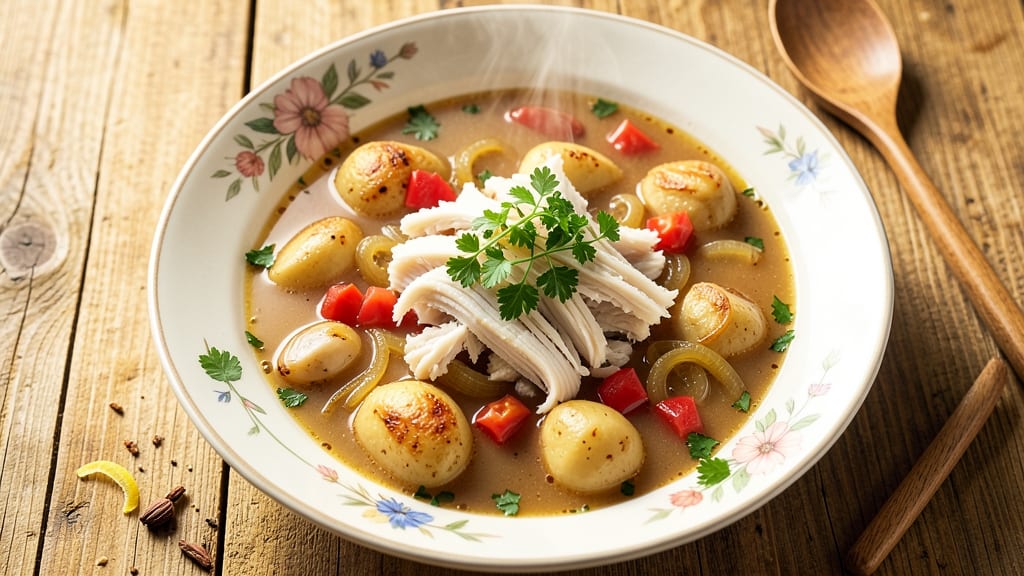
This bacalao soup recipe brings the rich, briny flavors of traditional Spanish cuisine to your kitchen with a method that transforms simple ingredients into something deeply satisfying.
The secret lies in properly preparing the cod—soaking and salting it to remove excess saltiness—before simmering it in a fragrant broth of potatoes, onions, and tomatoes, all brightened with citrus.
I developed this recipe after years of perfecting the balance between the cod's delicate texture and the bold, aromatic base, ensuring every spoonful delivers both comfort and complexity.
The beauty of this bacalao soup is in its layers: the cod becomes tender and flaky, the broth rich and slightly creamy, and the citrus adds a refreshing contrast that cuts through the saltiness.
Unlike many soups that rely on heavy cream or dairy, this version stays light yet deeply flavorful, thanks to the natural oils released during the slow simmer. The process may take a few hours, but the result is worth every minute—each bowl is a testament to patience and tradition.
What makes this recipe truly special is how it captures the essence of coastal Spanish cooking, where bacalao (salted cod) is a staple. The slow simmer not only tenderizes the fish but also infuses the broth with its subtle, oceanic flavor, creating a dish that’s both hearty and elegant.
Whether served with crusty bread or a sprinkle of fresh parsley, this soup is the kind of meal that feels like a hug in a bowl—perfect for chilly evenings or when you crave something deeply comforting.
Ready to make it? The key steps—soaking the cod, building the broth, and balancing the flavors—are straightforward once you know the tricks. Let’s get started, and you’ll have a bowl of soup that tastes like a trip to the Mediterranean.
Ingredients for bacalao soup
Simple yet transformative ingredients for a soup that tastes like a Mediterranean escape.
| Ingredient | Amount | Notes |
|---|---|---|
| Salt Cod (Bacalao) 🐟 | 1 lb | Soaked overnight to remove salt |
| Yellow Onions 🧅 | 1 whole | Medium size, peeled and chopped |
| Russet Potatoes 🥔 | 2 medium | Peeled and cut into chunks |
| Garlic Cloves 🧄 | 4 cloves | Fresh, peeled and minced |
| Canned Diced Tomatoes 🍅 | 1 can | San Marzano preferred |
| Fresh Parsley 🌿 | ¼ cup | Chopped for garnish |
| Lemon Juice 🍋 | 2 tbsp | Freshly squeezed |
| Olive Oil 🫒 | ½ cup | Extra-virgin for richness |
| Bay Leaves 🍃 | 2 whole | Dried, removed before serving |
| Salt 🧂 | 1 tsp | Kosher or sea salt |
| Black Pepper 🌶️ | ½ tsp | Freshly ground preferred |
| Red Bell Pepper 🌶️ | 1 whole | Diced, for added color |
| Crusty Bread 🍞 | 1 loaf | For serving, optional |
| Fresh Lemon 🍋 | 1 whole | Zested and juiced |
| Fish Stock 🐟 | 2 cups | Homemade or quality store-bought |
The cod is the heart of this soup, so don't skip the soaking. Most specialty stores or Latin markets carry salt cod—look for thick slices, not flakes. If you can't find it, frozen unsalted cod works too, but soak it in milk for 12 hours first. The potatoes should be firm and starchy—Russets are ideal. For the tomatoes, San Marzano cans make all the difference with their sweet, rich flavor. If you're short on time, a blend of canned tomatoes and a splash of tomato paste works, but fresh is better.
No fish stock? Clarified vegetable broth works in a pinch, though it lacks depth. The lemon juice is crucial—don't use bottled, fresh is non-negotiable. For extra brightness, add a pinch of red pepper flakes if you like a little heat. The bay leaves add aromatic depth, but remove them before serving—no one wants a leaf in their soup. If you can't find fresh parsley, dried works at half the amount, but it won't have the same freshness. The olive oil should be extra-virgin—cheap oil will make the soup taste flat.
This soup tastes even better the next day as the flavors meld. Store leftovers in the fridge for up to 3 days, or freeze for 2 months in airtight containers. The cod will get even more tender over time, so reheat gently on the stove. For serving, crusty bread is perfect—it soaks up the broth beautifully. If you make a big batch, freeze portions in single-serving containers for quick lunches. The lemon zest keeps best in the freezer, so zest extra and store it in an ice cube tray.
Why You'll Love This Recipe
- Salt Cod Shortcut: I swear by the overnight soak for bacalao—it’s the only step that takes time, and honestly? Worth it. Once that’s done, you’re basically stirring a pot while the house smells like a coastal paradise. No fancy techniques, just onions caramelizing and garlic hitting that sweet spot.
- Umami Bomb: That bacalao alone brings the depth—salty, briny, but balanced by the tomatoes and potatoes. Add a splash of olive oil at the end? Pure magic. The kind of flavor that makes you pause mid-spoonful and go, "Wait, is this actually dinner?"
- Leftovers for Days: This soup only gets better after sitting overnight. The flavors meld, the potatoes soften just right, and it reheats like a dream. I’ve fed a crowd with two batches—one night’s dinner, another’s lunch—and no one’s ever complained. (My roommate still asks for seconds.)
- Budget-Friendly Feast: Russets and onions are cheap staples, and bacalao stretches farther than you’d think. I’ve made this on grocery-store budgets and still felt like I’d splurged. Plus, it’s the kind of dish that makes you feel fancy without the price tag—garlic, tomatoes, and a little salt cod go a long way.
Step-by-step instructions for slow-simmered cod with citrus brightness
Here's the method for creating a rich, citrus-kissed bacalao soup that balances hearty flavors with delicate fish.
Prepare the Salt Cod
Begin by removing the soaked salt cod from its soaking liquid and patting it thoroughly dry with paper towels. This step is crucial—any remaining moisture will dilute your soup and prevent proper seasoning. Cut the cod into 1-inch chunks, discarding any skin or bones that remain. Set aside in a bowl.
While the cod soaks, you can prepare the vegetables. Peel and chop the 1 whole yellow onion into ½-inch dice, and peel and cut the 2 medium russet potatoes into 1-inch chunks. Dice the 1 whole red bell pepper into ¼-inch pieces—this will add a subtle sweetness and vibrant color to your soup. Mince the 4 cloves garlic cloves finely so they dissolve seamlessly into the broth.
Build the Flavor Base
Heat the 0.5 cup olive oil in a large pot over medium heat. Add the chopped onion and cook for 5-6 minutes until softened and translucent. Add the minced garlic and cook for another 30 seconds**—this prevents bitter flavors. Stir in the diced potatoes, red bell pepper, and 2 whole bay leaves, cooking for 5 minutes until the vegetables begin to soften.
Pour in the 2 cups fish stock and bring to a gentle boil. Reduce heat to medium-low and let it simmer for 15 minutes until the potatoes are fork-tender. This foundational step ensures your soup has depth before adding the delicate cod.
Add Tomatoes and Cod
Stir in the 1 can canned diced tomatoes (with juices) and the 2 tbsp lemon juice from the fresh lemon. Add the cod chunks and season with the 1 tsp salt and 0.5 tsp black pepper. The lemon juice brightens the flavors while balancing the richness of the fish and tomatoes.
Simmer the soup for 10-12 minutes—until the cod flakes easily when tested with a fork. Avoid overcooking; the fish should remain tender but firm. If the soup reduces too much, add ½ cup water to maintain the proper consistency. The broth should coat the back of a spoon but remain light enough to carry the flavors.
Finish and Serve
Remove the 2 whole bay leaves from the soup and discard. Stir in the 0.25 cup chopped fresh parsley and the zest from the 1 whole fresh lemon for an aromatic finish. Taste and adjust seasoning—you may need a pinch more salt or a splash of lemon juice to balance the flavors.
Ladle the soup into bowls and serve immediately with slices of 1 loaf crusty bread on the side. The bread soaks up the rich broth, while the lemon zest and parsley add a fresh contrast. For extra brightness, squeeze a few drops of fresh lemon juice over each serving just before eating.
Pro Tips For Making Bacalao Soup
- SOAK THE BACALAO LONG: I learned this the hard way—skipping the 24-hour soak in cold water just to save time turns your soup into a salt bomb. Use a big bowl, change the water twice, and resist the urge to rush it. The fish should be tender enough to flake with a fork, not chewy like a boot.
- SWEAT ONIONS LOW AND SLOW: High heat caramelizes onions too fast, and you’ll end up with bitter bits instead of sweet, jammy flavor. Cook them on medium-low for 10-12 minutes, stirring occasionally, until they’re translucent and just starting to soften. This is where the soup’s depth lives.
- PEEL POTATOES AFTER COOKING: Russets hold moisture like sponges, and peeling them raw makes them waterlogged. Toss them in whole, cook until fork-tender, then peel under running water—cleaner, less mess, and they won’t fall apart. (Yes, even if you’re impatient like me.)
- ADD TOMATOES LATE: Dump those canned tomatoes in too early, and their acidity fights with the bacalao’s delicate flavor. Stir them in the last 15 minutes of simmering so they brighten the broth without overpowering the fish. Trust me, your soup will taste more balanced.
Essential equipment for this dish
Large Pot Essentials
You’ll need a 6-8 quart heavy-bottomed pot—I swear by my All-Clad stainless steel Dutch oven for even heat distribution and easy cleanup. The deep sides prevent splattering when adding tomatoes and lemon juice, while the wide base accommodates all your ingredients without overcrowding.
If you don’t have one, a Le Creuset enameled cast iron works beautifully too, though it’s pricier. For budget-friendly options, a Calphalon nonstick pot (8-quart size) handles the job well, though nonstick isn’t ideal for long simmers.
Soaking Setup
Soaking the bacalao requires a large bowl or glass container big enough to hold the 1 lb cod with plenty of room to move. I use a quart-sized glass baking dish from Pyrex—it’s sturdy and easy to clean.
For the soaking liquid, you’ll need 4 cups cold water and 2 tbsp baking soda (to neutralize the salt). If you’re short on space, a collapsible silicone bowl (like those from OXO) saves counter space and is easy to store.
Knife & Cutting Tools
A sharp 8-inch chef’s knife is a must for dicing onions, potatoes, and bell peppers efficiently. I recommend Wüsthof’s Classic—it’s durable and stays sharp longer. For mincing garlic, a microplane or garlic press speeds up the process, but a knife works fine too.
If you’re prepping a lot of garlic, a garlic rocker (like OXO’s) is a game-changer. A cutting board with a non-slip mat (I use Maple Holzer boards) prevents slipping while chopping.
Liquid Measurement
Accurate measurements are key for balancing flavors. Use a liquid measuring cup (like Pyrex’s glass set) for the fish stock and olive oil, and a small measuring spoon set for the lemon juice, salt, and pepper.
For the baking soda during soaking, a teaspoon measure ensures precision. Pro tip: I keep a small pitcher (like SimpleHouseware’s glass one) handy to mix the lemon juice and zest before adding it to the soup—it makes stirring easier.
Garnish Tools
Fresh parsley and lemon zest elevate the dish, so having the right tools makes all the difference. A small pair of kitchen shears (like Mercer Culinary’s) trims parsley stems quickly, while a zester (I love Microplane’s) creates fine, even zest.
For lemon juice, a handheld citrus juicer (like OXO’s) saves time and reduces mess. If you’re garnishing with extra virgin olive oil, a small squeeze bottle (like Glasslock’s) lets you drizzle neatly without overdoing it.
Optional Upgrades
For flavor control, a digital instant-read thermometer (like ThermoWorks’ Smoke) helps monitor broth temperature—ideal heat is 185–195°F for gentle simmering. If you love crispy bread, a bread knife (like Shun’s) makes perfect slices for serving.
For storage, glass mason jars (like Ball’s) keep leftovers fresh for up to 3 days in the fridge, while silicone lids prevent odors. 🔥
Nutrition facts
Frequently asked questions
How long should I soak the salt cod before using it?
Soak the 1 lb salt cod in 4 cups cold water with 2 tbsp baking soda for at least 12 hours (overnight is best). This removes excess salt and prevents a salty soup. Change the water 2-3 times during soaking for best results. Pro tip: Use a sealed container to prevent water absorption from the air.
Can I substitute fresh cod for salt cod in this recipe?
Yes, but you'll need to soak it in milk or buttermilk for 12 hours instead of water to remove any surface salt. Fresh cod should be unsalted and cut into 1-inch chunks like the salted version. The texture will be slightly firmer, so simmer for 8-10 minutes instead of 10-12 minutes to avoid overcooking.
Why does my bacalao soup taste too salty?
Over-soaking the cod or using too much salt during cooking are the most common causes. To fix it, add 1-2 tbsp lemon juice (already in the recipe) or a splash of water or fish stock to dilute the flavor. If needed, stir in ½ cup heavy cream to balance the saltiness while adding richness. The key is proper soaking—never skip changing the water during the 12-hour soak.
Can I make this soup without fish stock?
You can use vegetable stock or even water in a pinch, but the flavor will be less rich. For depth, add 1 tsp seaweed flakes or a pinch of kelp powder to mimic fishy notes. Another trick: simmer 1-2 dried seaweed sheets in the broth for 10 minutes before adding the cod, then remove them. The broth will still be light but more flavorful than plain water.
How do I store and reheat leftovers?
Store leftovers in an airtight container in the fridge for up to 3 days or freeze for 2 months. To reheat, warm gently on the stove over low heat with a splash of water or broth to restore creaminess. Avoid microwaving—it makes the cod rubbery. For best texture, reheat just until warm (165°F) and serve with fresh lemon juice and parsley to revive flavors.